
ما هي الخرافات والحقائق الشائعة حول فحص عنق الرحم؟
مراجعة من قبل الدكتورة سارة جارفيسآخر تحديث بواسطة ليديا سميثآخر تحديث 17 يناير 2022
يتوافق مع الإرشادات التحريرية
- تنزيلتنزيل
- مشاركة
- Language
- نقاش
- نسخة صوتية
- أضف إلى المصادر المفضلة على جوجل
Cervical screening is an essential way to reduce the risk of cervical cancer, but research shows many women and people with cervixes are delaying or not attending their screenings. Feeling embarrassed is a common obstacle, as is misinformation about what smear tests involve. So what are the common myths surrounding cervical screening - and what are the facts?
What is cervical screening?
A cervical screen examines the health of your cervix and will help to reduce the risk of cervical cancer. Cervical screening tests for a virus called human papillomavirus (HPV) that can cause changes to the cells of your cervix. These are known as 'high-risk' types of HPV.
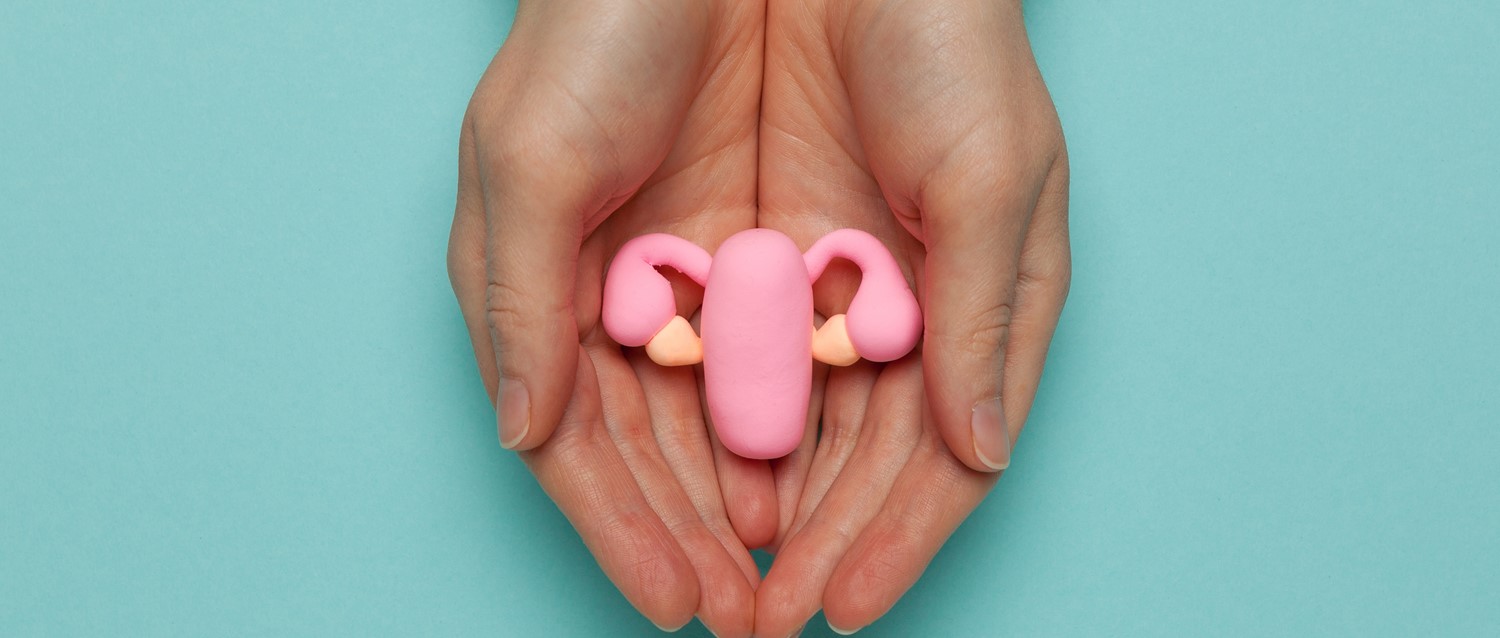
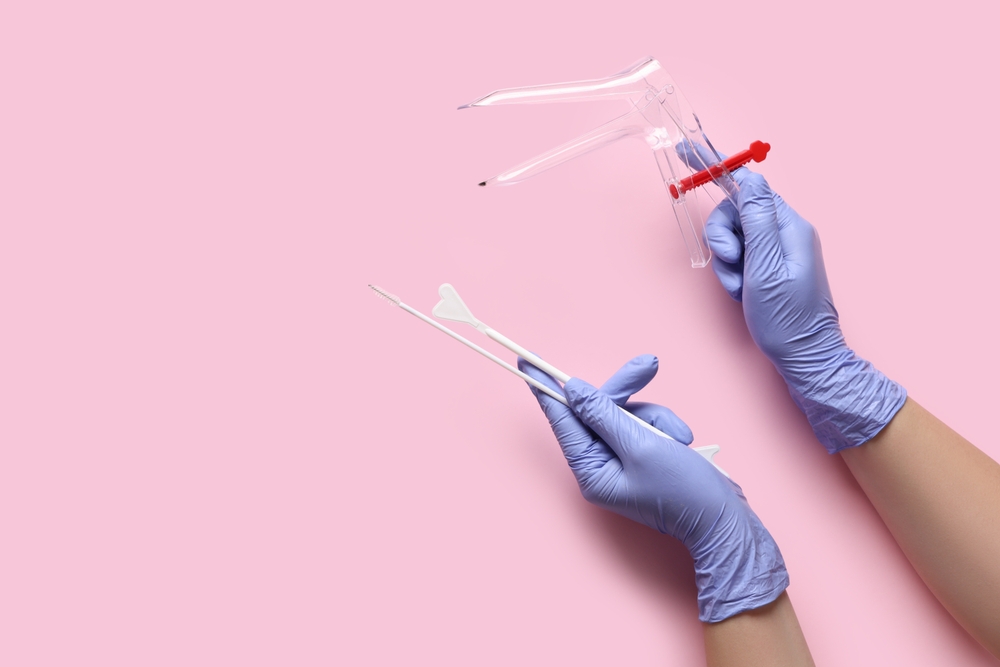
During the appointment, a nurse will take a sample of cells from the الرحم, using a small soft brush, which can feel briefly uncomfortable. The smear test takes around five minutes and although everyone's experience is different, it shouldn't be painful. If you are nervous, it's important to tell your nurse. Afterwards, the sample will be sent to a laboratory and you will receive your test results in a couple of weeks.
If high-risk HPV is not found, you won't need any follow-up tests. Around 99.7% of cervical cancer cases are caused by persistent genital HPV infection.
If high-risk HPV is found, the same sample will be checked for any changes in the cells of your cervix. If there are cell changes, you will be invited for a تنظير المهبل to have a closer look at your cervix. If there aren't any cell changes, you will be invited back for cervical screening in one year. That's because you're at higher risk of developing cell changes in the future if you have high-risk HPV.
People between the ages of 25 and 64 are invited for regular فحص عنق الرحم by the NHS. Those aged 25 to 49 are invited every three years: those aged 50 to 64 are offered testing every five years because the risk of developing cervical cancer at this age is lower.
Why are people missing cervical screenings?
There are many reasons why women and people with cervixes aren't attending their cervical screenings. Not only has the pandemic disrupted screening services, الأبحاث carried out last year by Jo's Cervical Cancer Trust found only one in five working women can attend appointments due to an inability to get appointments which fit in around their jobs.
Misinformation also puts many people off attending their فحص appointments. Embarrassment, fear and myths surrounding who needs to be tested also drive cervical screening rates down.
"Cervical screening can help prevent cervical cancer so it's really important, but it's not easy for everybody," says Samantha Dixon, chief executive of مؤسسة جو لسرطان عنق الرحم. "We don't want anybody to be put off from attending a test which could save their life because of misinformation, or unanswered questions.
"It's really important that we share facts and tips which can make the test easier, as well as our own experiences of فحص عنق الرحم," she adds. "This helps to normalise and demystify the test."
Myths and facts about cervical screening
Myth: Cervical screening is a test for cancer
"Many women and people with a cervix worry that they will be told they have cancer after going to فحص عنق الرحم, but this is extremely unlikely," says Dixon.
"It's a test which can prevent cervical cancer, by detecting who is at higher risk of it. The test looks for HPV, which is the virus which can cause the cells in your cervix to change. If you do have cell changes, these can be treated or monitored so that they do not develop into cancer."
Myth: An abnormal result means you have cancer
أن abnormal cervical screening test result does not mean you have cancer. It means you have changes in the cells covering your cervix, but these changes are almost invariably not cancer. The cells may go back to normal by themselves. In some women, these changes could develop into cancer in the future if not treated.
Myth: Cervical screening is very painful
فحص عنق الرحم should not hurt. Cervical screening might feel a little strange or uncomfortable, but it should not be painful. "If you feel that it does hurt, or you have a health condition which you think might make it more painful, speak to your nurse to discuss how you can make your test easier and more comfortable," says Dixon.
Myth: You don't need to be screened if you've had the HPV vaccine
In 2008, the UK implemented an HPV vaccine programme for teenage girls. After years of research, a دراسة published in 2021 showed the programme is very effective. However, it is still essential to go for cervical screenings when invited.
"The HPV vaccine prevents lots of cases of سرطان عنق الرحم, which is fantastic news and really encouraging for the future," says Dixon. "However, it does not protect against every type of HPV. This is why it's still important to attend your test when you are invited."
Myth: Cervical screening is only for people who have had sex
Some people believe that smear tests are only for people who have had sex. This is because they believe cervical cancer is solely caused by sex, but this is a myth. Even if you don't have sex, you could still be at risk of cervical cancer so it is important to get screened.
However, it is true that HPV is most commonly transmitted during sexual intercourse and sexual activities. Therefore, people who have or have had sex are at risk of developing cervical cancer. You could still be at risk if you have not had any sexual contact for years.
Myth: People will know I've been for a cervical screening
Some women and people with a cervix worry that members of their family or community will know they've gone for a screening, or they may be concerned that people may find out their results. However, فحص is completely confidential. If you are worried about a letter being sent to your home, speak to your nurse or GP about your options.
Myth: Cervical screening checks for other types of cancer
One in five people mistakenly believe cervical screening can detect ovarian cancer, according to the charity Target Ovarian Cancer. Cervical screening doesn't protect against other cancers or conditions such as الأمراض المنقولة جنسيًا.
Myth: Cervical screening takes away your virginity
Virginity is about a sexual or intimate experience, whereas cervical screening is a health test. People may worry about their hymen 'breaking' during a smear test, but the hymen is not a good indication of whether someone has been sexually active. It may not be intact even if someone has never had penetrative sex. Additionally, cervical screening should not be forceful enough to break any part of the anatomy, according to Jo's Trust.
Myth: Transgender men don't need cervical screenings
Anyone with a cervix, including many trans men or non-binary people, is eligible for cervical screening between the ages of 25 and 64. Trans men who have a cervix can develop exactly the same changes to their cervical cells as other people, so it's every bit as important. Trans men who have had a total hysterectomy which includes removing their cervix don't need cervical screening.
You will not receive automatic invitations for screenings if you are a trans man registered with your GP as male, so you will need to ask your GP surgery for an appointment.
اختيارات المرضى لـ سرطان النساء
السرطان
ما الذي يمكن توقعه عند إجراء تنظير عنق الرحم
If you've been for a cervical screening and your test result is abnormal, it's easy to go into panic mode. However, while one in 20 women receive an abnormal smear test result, only around one in 2,000 will have cervical cancer. If your test is abnormal, you will likely be asked to have a colposcopy - a simple procedure to examine the cervix, vulva and vagina in more detail, using a magnifying instrument called a colposcope. So what exactly is a colposcopy - and what does it entail?
بقلم ليديا سميث
السرطان
هل يمكن أن تكون كبيرًا في السن لإجراء اختبار مسحة عنق الرحم؟
In the UK, routine cervical screening invitations usually stop after the age of 64 if you've had regular tests with normal results. But what if you've never had a smear test before? Can you still have one? And does going through the menopause mean you're no longer at risk? Here's what you need to know about smear test age limits, when cervical screening starts and stops, and whether it's ever too late to have your first test.
بقلم هيذر أينسورث
عن المؤلفعرض السيرة الذاتية الكاملة

ليديا سميث
كاتب مميز
بكالوريوس، ماجستير، ماجستير علوم
ليديا سميث صحفية حائزة على جوائز وكاتبة مقالات متميزة كتبت بشكل واسع عن صحة المرأة والصحة النفسية. وهي تدرس حاليًا للحصول على درجة الماجستير في علم النفس.
حول المراجععرض السيرة الذاتية الكاملة

الدكتورة سارة جارفيس
استشاري سريري
MA (Cantab), BM, BCh (Oxon), DRCOG, FRCGP, MBE
بعد التدريب في الطب في كامبريدج وأكسفورد، أصبحت الدكتورة سارة جارفيس حاصلة على وسام الإمبراطورية البريطانية طبيبة عامة.
تاريخ المقال
تمت مراجعة المعلومات الموجودة في هذه الصفحة من قبل أطباء مؤهلين.
المقال متاح أيضًا باللغة الإنجليزية, الألمانية, إسبانية, الفرنسية, إيطالي, البرتغالية, الهندية, العبرية, العربية ,، و السويدية.
17 يناير 2022 | أحدث إصدار
17 يناير 2022 | نُشر في الأصل

اسأل، شارك، تواصل.
تصفح المناقشات، اطرح الأسئلة، وشارك التجارب عبر مئات المواضيع الصحية.

هل تشعر بتوعك؟
قم بتقييم أعراضك عبر الإنترنت مجانًا
اشترك في النشرة الإخبارية للمرضى
جرعتك الأسبوعية من النصائح الصحية الواضحة والموثوقة - مكتوبة لمساعدتك على الشعور بالاطلاع والثقة والتحكم.
من خلال الاشتراك، فإنك تقبل سياسة الخصوصية. يمكنك إلغاء الاشتراك في أي وقت. نحن لا نبيع بياناتك أبدًا.
المزيد عن السرطان
- 8 tips to help reduce your cancer risk at any age
- هل يمكن أن يسبب الخبز المحمص المحترق السرطان حقًا؟
- الإرهاق الناتج عن السرطان: ما هو وكيفية التعامل معه
- هل يسبب الكحول السرطان؟
- هل يؤثر سرطان الخصية على خصوبتك؟
- كيف نقوم بفحص سرطان الأمعاء؟
- كيفية التعامل مع مرض عضال في عيد الميلاد
- كيفية التعامل مع سرطان الثدي النقيلي
- كيفية التعامل مع الآثار الجانبية الظاهرة لعلاج السرطان
- محدثكيفية التعرف على علامات سرطان الفم
- توضيح الإيفرمكتين: الحقائق والأدلة والخرافات الشائعة
- +LGBTQI: ما هي العوائق والتحديات في رعاية نهاية الحياة؟
- السكر في المشروبات الغازية وعصير الفاكهة مرتبط بزيادة خطر الإصابة بالسرطان
- ما هي العلامات المبكرة للتحذير من سرطان الدم؟
- ما هي العلامات التحذيرية المبكرة لسرطان الأمعاء؟
- ما يمكن توقعه أثناء إجراء LLETZ للخلايا غير الطبيعية
- ما الذي يمكن توقعه عند إجراء تنظير عنق الرحم
- لماذا يعاني الشباب من مجتمع الميم+ من تجربة أسوأ في رعاية مرضى السرطان؟
- لماذا يزداد انتشار سرطان الجلد بين كبار السن؟
- لماذا نحتاج جميعًا إلى أن نكون على دراية بصحة الثدي'