
كوفيد-19: كيفية العناية بصحتك النفسية خلال فترة الإغلاق بسبب فيروس كورونا
مراجعة من قبل الدكتورة سارة جارفيسكتبه ليديا سميثنُشر في الأصل 2 Apr 2020
يتوافق مع الإرشادات التحريرية
- تنزيلتنزيل
- مشاركة
- Language
- نقاش
- Ask Patient
- نسخة صوتية
- أضف إلى المصادر المفضلة على جوجل
Coronavirus has affected all aspects of our lives and the constant news about the pandemic can feel never-ending. Not only is it impacting our physical health but it is taking its toll on some people's mental health too.
اختيارات الفيديو لـ مقالات عن الجائحةمكتبة الفيديو
استخدام المريض فحص فيروس كورونا إذا كنت تعاني من أي أعراض للحمى أو سعال جديد. حتى تستخدم الأداة ويتم إرشادك بشأن الإجراء الذي يجب اتخاذه، يرجى البقاء في المنزل وتجنب الاتصال بالآخرين.
Staying at home, التباعد الاجتماعي و self-isolating are crucial in stopping the spread of كوفيد-19, but they can affect us psychologically. So what can we do to support our mental well-being during this time?
Why can COVID-19 affect our mental health?
Not only is the threat of a new virus scary, many people are also facing stressful life challenges. Lots of people who were working in pubs and restaurants or who are self-employed have lost jobs or had their incomes cut. Social distancing and self-isolating mean avoiding seeing friends and family and many people are worried about vulnerable loved ones. And of course, for the 1.5 million people recommended to stay indoors entirely for three months as part of the shielding initiative, restrictions are even more extreme.
In addition, it can be hard to escape the constant barrage of bad news in the media too, which can add to feelings of التوتر and despair.
"We know that coronavirus is causing worry and stress for many people," says Stephen Buckley, head of information at the mental health charity Mind. "If you already experience a mental health problem, it may be affecting this and how you are coping.
"Many people are being asked to stay at home and avoid others, which might feel difficult or stressful. But there are lots of things people can try to help with their well-being during the outbreak."
Looking after your mental health
To support your mental health at this time, you can try some of these steps.
Practise self-care
It's easy to slip into the habit of sleeping late, spending all day in your pyjamas and eating junk food, but looking after yourself is essential for your mental health. Even simple tasks such as washing your face can feel difficult sometimes, but they can make a big difference to the way you feel.
"Ensure you are in a well-ventilated room and following basic الرعاية الذاتية, so تناول الطعام الصحي, اضطرابات النوم, lots of hydration, and try to keep to a routine," says Pamela Roberts, a psychotherapist based at Priory's Woking Hospital.
Buckley adds that it's important to have supplies at home to avoid added stress. If you are self-isolating and unable to leave the house even to shop, you'll need to make plans. "Think about getting food delivered or asking someone else to drop food off for you," he says. "Being at home might impact your routine which can affect your appetite and when you drink water. It can help to create a new routine to make sure you are looking after yourself."
Exercise if you can
Getting moving is easier said than done when you feel low or anxious, but it can significantly boost your mood.
"If you are well enough, exercise is really good for mental as well as physical well-being. Find music that helps boost your mood. If you are able, get into your garden and get daily doses of sunshine," Roberts says,
Exercising at home can be simple and there are options for most ages and abilities, including yoga videos or cardio workouts.
Under the new government regulations, you are allowed to leave your house for one form of exercise (such as running, walking or cycling) per day but in addition, you're still able to use your garden as long as you don't come within two metres of anyone you don't live with. The only exception is people who are being 'shielded' because they are at the highest risk of severe complications. They should not leave their houses at all.
Set up buddy groups
Roberts advises setting up a "buddy group" with family or friends and regularly checking in with people, either online or by phone. That way, you can offer support to anyone struggling or reach out to others if you need to.
Even just sending daily updates can help us feel more connected and less alone during these difficult times.
Distract yourself
Writing down your thoughts and feelings can help offload any worries and fears you may have. It's also important to try to keep busy, whether that means going for a daily walk or learning a new skill. There are still plenty of activities you can engage with at home, including crafts, painting, reading, cooking and baking.
"If you feel low, keeping a journal can be a helpful way to unload emotions. Take things a day at a time - planning may have once been essential but projection can evoke fear and anxiety. Go with the flow," Roberts says. "If you feel well enough, maybe look at some free online courses offered by the Open University."
Although we want to know what's going on, it can help to turn off the news from time to time too.
كن لطيفًا مع نفسك
If you don't feel up to doing anything, though, that's fine too. It's important to be kind to yourself and recognise when you need a break.
"Take care of yourself, focus on your recovery, and you'll get through this," Roberts says. "Tell yourself 'what I am doing is enough'. Be good to yourself.
"Try to relax and focus on positive things, knowing that every effort is being made globally to bring this situation to a close, but it will take time."
احصل على مساعدة احترافية
The mental health charity Mind has some very useful advice on self-isolating and your mental health. "For support with grief, anxiety, or mental well-being, you can call or text an organisation like the السامريون, or you can access therapy online with a trained therapist," Roberts says.
It's also important to continue accessing treatment and support for existing mental health problems.
"If you are receiving ongoing treatment for a physical or mental health problem and don't feel you need to be seen face to face, some GP services are available via online or telephone consultations. Check with your GP to see what they offer," Buckley says.
"Keep taking your medication. If you have a repeat prescription you might be able to order it by phone, online or using an app. You can also ask your pharmacy about getting your medication delivered or asking someone to collect it for you."
You can collect a prescription on behalf of someone else. If the prescription is electronic, the person who the prescription is for can choose the pharmacy or dispenser where the prescription is sent. You can collect the medicine on their behalf if the person has told the pharmacy that they are happy for you to do so.
You can collect a paper prescription from a GP surgery for a friend or relative if that person has told the surgery they're happy for you to collect it. You will usually be asked to give the name and address of the person the prescription is for - and you may need ID. If you're collecting a 'controlled medicine' for someone else - such as morphine - the pharmacist may ask you for proof of identity.
اختيارات المرضى لـ مقالات عن الجائحة

كوفيد-19
كيف أهمل البريطانيون صحة فمهم خلال الجائحة؟
تكشف أبحاث جديدة أن 1 من كل 3 بريطانيين قد أهملوا صحة فمهم منذ بداية الجائحة، وذلك بسبب نقص الروتين وقضايا صحية أخرى أخذت الأولوية على العناية بأسنانهم ولثتهم.
بقلم إميلي جين باشفورث
كوفيد-19
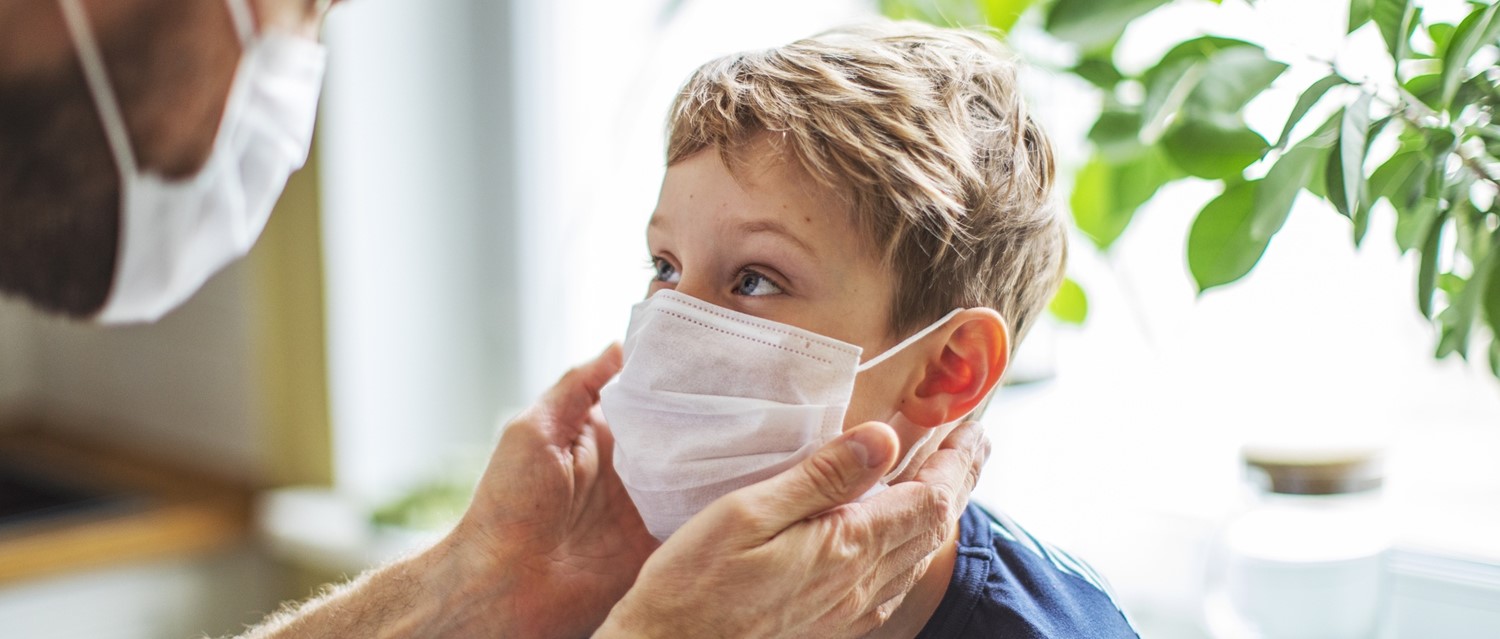
نصائح لمساعدة أطفالك على التعود على الكمامات وأغطية الوجه
As many schools now insist pupils over 11 wear masks in certain situations, lots of our children will be donning a face covering for the first time. But how should masks be worn? And how can we help our children to use them effectively?
بقلم جيليان هارفي
عن المؤلفعرض السيرة الذاتية الكاملة
كتبه

ليديا سميث
كاتب مميز
بكالوريوس، ماجستير، ماجستير علوم
ليديا سميث صحفية حائزة على جوائز وكاتبة مقالات متميزة كتبت بشكل واسع عن صحة المرأة والصحة النفسية. وهي تدرس حاليًا للحصول على درجة الماجستير في علم النفس.
حول المراجععرض السيرة الذاتية الكاملة

الدكتورة سارة جارفيس
استشاري سريري
MA (Cantab), BM, BCh (Oxon), DRCOG, FRCGP, MBE
بعد التدريب في الطب في كامبريدج وأكسفورد، أصبحت الدكتورة سارة جارفيس حاصلة على وسام الإمبراطورية البريطانية طبيبة عامة.
تاريخ المقال
المقال متاح أيضًا باللغة الإنجليزية, الألمانية, إسبانية, الفرنسية, إيطالي, البرتغالية, الهندية, العبرية, العربية ,، و السويدية.
2 Apr 2020 | نُشر في الأصل
كتبه:
ليديا سميثمراجعة من قبل
الدكتورة سارة جارفيس
شارك أفكارك أو تجاربك مع الآخرين في مجتمعات المرضى.
اشترك في النشرة الإخبارية للمرضى
جرعتك الأسبوعية من النصائح الصحية الواضحة والموثوقة - مكتوبة لمساعدتك على الشعور بالاطلاع والثقة والتحكم.
من خلال الاشتراك، فإنك تقبل سياسة الخصوصية. يمكنك إلغاء الاشتراك في أي وقت. نحن لا نبيع بياناتك أبدًا.