كوفيد-19: متى يجب عليك إجراء اختبار التدفق الجانبي ومتى يجب عليك إجراء اختبار PCR؟
مراجعة من قبل الدكتورة سارة جارفيسكتبه ليديا سميثنُشر في الأصل 16 ديسمبر 2021
يتوافق مع الإرشادات التحريرية
- تنزيلتنزيل
- مشاركة
- Language
- نقاش
- Ask Patient
- نسخة صوتية
- أضف إلى المصادر المفضلة على جوجل
With the Omicron variant spreading rapidly, there is a high demand for both lateral flow and PCR tests to detect COVID-19. Double-vaccinated people in England are now being asked to take a lateral flow test daily for one week if they come into contact with someone with COVID-19, rather than self-isolate. But when else should you do a lateral flow test and when should you do a PCR?
What is the difference between a lateral flow test and a PCR?
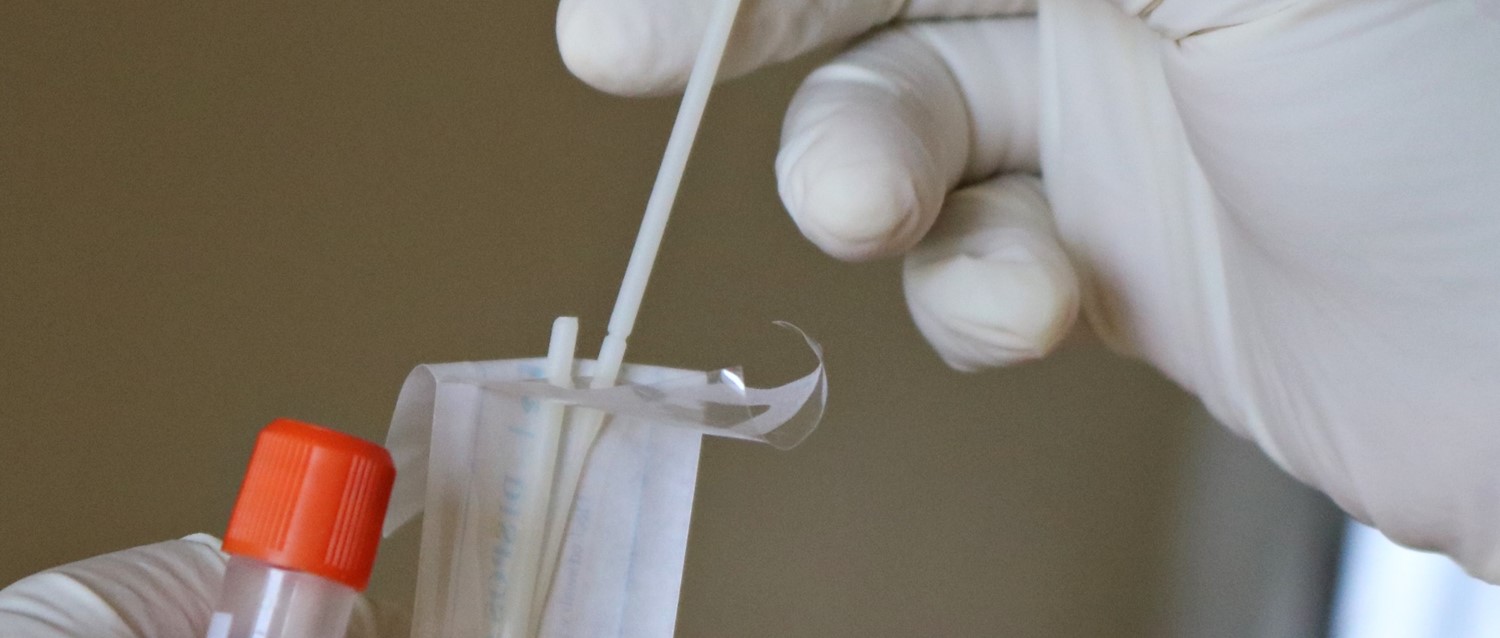
Rapid lateral flow tests give a quick result and can be done at home. There are different types of lateral flow tests, including ones that require a throat and nose swab and others that only need a nose swab. Current guidance recommends that these should be used only by people without symptoms.
PCR tests, or polymerase chain reaction tests, are sent to a laboratory to be analysed. Currently, people are being advised to take PCR tests if they are experiencing symptoms of COVID-19, such as a high درجة الحرارة, a new, continuous سعال or a loss of smell or taste.
ت مراجعة of 64 studies found that lateral flow tests correctly identify 72-79% of infected people who have symptoms and 58-74% of those without.
PCR tests are more sensitive and reliable, but the exact accuracy of these tests is unknown. Trials have shown them to be up to 99% accurate, but this depends on the swabs being carried out properly. Earlier this year, a testing lab error in England led to thousands of people being incorrectly told they did not have كوفيد-19.
When should you do a lateral flow test?
In England, people without symptoms are advised to do rapid tests on days when they are more likely to catch or spread كوفيد-19. Examples might include before mixing with other people indoors, when heading to busy shopping centres or when visiting someone at risk of becoming seriously unwell from the virus.
You may need to get tested if you're due to have surgery or a procedure, so it's important to check with your hospital. If you work at a school, college or nursery, you should do a lateral flow test twice a week. People also have to follow specific testing advice when visiting health and social care settings such as hospitals and care homes.
في اسكتلندا, people have been advised to test before mixing with other households or visiting busy areas, especially around عيد الميلاد. Care home workers should continue to test daily and people visiting care homes and hospitals should also test first. People in ويلز و أيرلندا الشمالية are also being asked to test before going to crowded places or visiting others.
If you are going on holiday abroad, you may need to take a test before, during and after your trip, depending on where you are going.
Rapid testing for COVID-19 contacts
From 14th December, people in England who are fully vaccinated and identified as a contact of someone with كوفيد-19 should take an NHS rapid lateral flow test every day for seven days. Those who test positive or develop symptoms will need to self-isolate.
Under the same rules, unvaccinated adults must continue to العزل الذاتي for ten days if they are a contact of someone with كوفيد-19. You will be contacted by NHS Test and Trace by phone, email or text or will receive a notification from the NHS COVID-19 app to tell you if you are a contact of someone who tested positive.
في اسكتلندا, everyone who tests positive for COVID-19 will be put in touch with Test and Protect to help identify who they've been in close contact with. If you are identified as a close contact, you will be contacted by phone or text and the contact tracers will give you advice on what to do.
Close contacts should self-isolate for ten days and book a test as soon as possible. Household contacts, including those under 18, must complete the ten-day self-isolation period. This applies even if you are fully vaccinated. As a close contact (non-household), you can end self-isolation if you meet all of the following criteria:
You're fully vaccinated and had your second dose more than 14 days ago.
You receive a negative PCR test result.
You do not have, or develop, symptoms.
If you're a close contact and you're not fully vaccinated, you should self-isolate for 10 days.
في ويلز و أيرلندا الشمالية, if you are identified as a close contact, the self-isolation testing rules will depend on your vaccination status, age, and job, and if someone in your household has tested positive or has symptoms.
Where can you get a lateral flow test from?
You can pick up a rapid flow test from a pharmacy or community collection point, or order a pack of seven tests online. You can also get tested at a rapid lateral flow test site, although you may need an appointment. However, tests are in high demand due to spread of the أوميكرون variant and the recent changes لـ كوفيد-19 contacts.
If you attend or work at a school, you can access rapid tests through your employer. Some workplaces, such as universities, may provide lateral flow tests. People are advised to report their result whether it is positive, negative or void.
When should you do a PCR test?
You should do a PCR test as soon as possible if you have any of the three symptoms mentioned above. It's important to do a test even if the symptoms are mild.
You should stay at home and self-isolate until you receive the test result and should only leave home to take the test. If you test positive, you will need to العزل الذاتي. If you don't have symptoms, you may or may not be required to self-isolate if you live with someone who has symptoms or has tested positive - so check via the NHS Test and Trace or the NHS COVID-19 app.
It's also important to do a PCR test if you have had a positive lateral flow test, or your test sample was void. You will also need to do another test if your test sample could not be read. If you've been in close contact with someone who's tested positive for كوفيد-19 and you're not fully vaccinated, you should get a PCR test.
اختيارات المرضى لـ التطعيم، الفحوصات والعلاج
كوفيد-19
ما هو اختبار الأجسام المضادة لفيروس كوفيد-19 وهل يجب أن أجريه؟
يمكن استخدام اختبار الدم للأجسام المضادة لـ COVID-19 لاختبار مستوى الأجسام المضادة التي أنتجها جهازك المناعي لـ COVID-19، سواء استجابةً للعدوى أو اللقاح. يمكن أن يمنحك هذا راحة البال، ويمكن الآن القيام به من أمان وراحة المنزل. ومع ذلك، من المهم أن تتذكر أن مجموعات اختبار الأجسام المضادة لن تعطيك الصورة الكاملة لمناعتك ضد COVID-19.
بقلم أمبرلي ديفيس
كوفيد-19
هل يمكن أن يؤثر لقاح كوفيد على الدورة الشهرية؟
Following the rollout of COVID-19 vaccines across the country, there have been reports of people's periods changing in some way after their jabs. This has understandably caused concern, among young women in particular. So are COVID-19 vaccination and period changes linked, and if so should you be worried?
بقلم إميلي جين باشفورث
عن المؤلفعرض السيرة الذاتية الكاملة
كتبه

ليديا سميث
كاتب مميز
بكالوريوس، ماجستير، ماجستير علوم
ليديا سميث صحفية حائزة على جوائز وكاتبة مقالات متميزة كتبت بشكل واسع عن صحة المرأة والصحة النفسية. وهي تدرس حاليًا للحصول على درجة الماجستير في علم النفس.
حول المراجععرض السيرة الذاتية الكاملة

الدكتورة سارة جارفيس
استشاري سريري
MA (Cantab), BM, BCh (Oxon), DRCOG, FRCGP, MBE
بعد التدريب في الطب في كامبريدج وأكسفورد، أصبحت الدكتورة سارة جارفيس حاصلة على وسام الإمبراطورية البريطانية طبيبة عامة.
تاريخ المقال
المقال متاح أيضًا باللغة الإنجليزية, الألمانية, إسبانية, الفرنسية, إيطالي, البرتغالية, الهندية, العبرية, العربية ,، و السويدية.
16 ديسمبر 2021 | نُشر في الأصل
كتبه:
ليديا سميثمراجعة من قبل
الدكتورة سارة جارفيس
شارك أفكارك أو تجاربك مع الآخرين في مجتمعات المرضى.
وصول بسيط إلى العلاجات والخدمات الصحية الموثوقة عبر الإنترنت.
Common conditions
Get help with common conditions through the NHS, without a GP appointment.
 التهاب الجيوب الأنفية الحاد
 التهاب اللوزتين البكتيري
 القوباء
 لدغات الحشرات
 الحزام الناريعدوى المسالك البولية
اشترك في النشرة الإخبارية للمرضى
جرعتك الأسبوعية من النصائح الصحية الواضحة والموثوقة - مكتوبة لمساعدتك على الشعور بالاطلاع والثقة والتحكم.
من خلال الاشتراك، فإنك تقبل سياسة الخصوصية. يمكنك إلغاء الاشتراك في أي وقت. نحن لا نبيع بياناتك أبدًا.