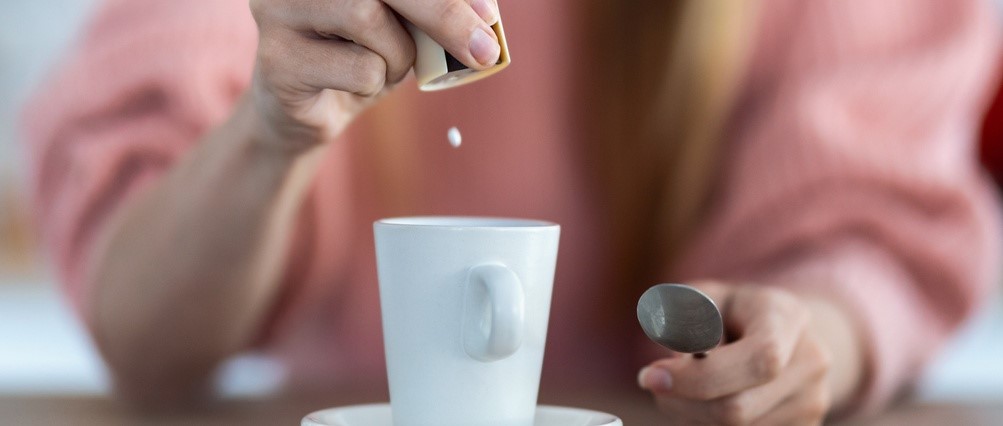
هل المحليات الصناعية سيئة حقًا لنا؟
مراجعة من قبل الدكتور كريشنا فاخاريا، MRCGPكتبه ليديا سميثنُشر في الأصل 1 سبتمبر 2023
يتوافق مع الإرشادات التحريرية
- تنزيلتنزيل
- مشاركة
- Language
- نقاش
- Ask Patient
- نسخة صوتية
- أضف إلى المصادر المفضلة على جوجل
Sweeteners are often seen as a healthy alternative to sugar, which can contribute to many diseases and conditions such as obesity, type 2 diabetes, and heart disease. But in the last few years, research has suggested artificial sweeteners might not be the better option - and may be linked to an increased cancer risk.
What are artificial sweeteners?
Artificial sweeteners are chemicals that are added to food or drink instead of sugar to make them taste sweet. Although sweeteners contain some calories, they are much sweeter than السكر, so you only need a tiny amount and end up consuming fewer calories overall.
There are many different kinds like sucralose, which is found in sweets, yoghurts and protein bars, among other foods.
Are artificial sweeteners safe?
Sweeteners have long-been seen as a healthier alternative to السكر, but research suggests this might not be the case. In early 2023, aspartame - which is 200 times sweeter than sugar and found in diet fizzy drinks, chewing gum and other foods1 - was declared a possible cancer risk to humans2.
The World Health Organization’s السرطان research arm, the International Agency for Research on Cancer (IARC), conducted a safety review of aspartame and labelled it "possibly carcinogenic to humans" - meaning there is some evidence linking aspartame to cancer, but it is limited.
A 2022 French study suggested those who consumed larger amounts of artificial sweeteners, including aspartame, had a slightly higher cancer risk3. However, experts say the implications of the study are complex.
Dr Michael Jones, senior staff scientist in genetics and epidemiology at The Institute of Cancer Research in London, explains: “This large observational study of over 100,000 adults in France links the use of artificial sweeteners to cancer risk. However, the current consensus, according to the US National Cancer Institute, is that there is no clear evidence that artificial sweeteners cause السرطان in humans – although there is frequent re-evaluation of the available evidence by food safety health authorities.
"The link between artificial sweeteners and cancer reported in this study does not imply causation – it is not proof that artificial sweeteners cause cancer,” he adds. “The types of people who use artificial sweeteners may be different in many ways to those who do not, and these differences may partly or fully explain the association."
In other words, the connection is not simple - and more research is needed to understand the link.
Artificial sweeteners and heart disease
Research has suggested sweeteners may be bad for our health in other ways too. A study published in the British Medical Journal linked regularly eating or drinking foods and drinks with artificial sweeteners with a greater risk of بقلبك and circulatory diseases4.
Tracy Parker, senior dietitian at the British Heart Foundation (BHF), says these studies suggest there may be a link, but more research is needed to fully understand the relationship between artificial sweeteners and أمراض القلب.
"Most adults in the UK eat too much sugar, and this is linked to health problems such as السمنة و تسوس الأسنان. Artificial sweeteners are an attractive way to reduce sugar intake, and before they can be added to food in Europe the European Food Safety Agency (EFSA) has to approve their use. This is a rigorous process, so you can feel confident they are safe to eat.
"While these findings shouldn’t cause too much worry, it’s always a good idea to look at the amount of sugar and sweeteners in your diet. Try to swap fizzy drinks for الماء and increase your intake of heart healthy foods, like lentils, nuts and seeds, as well as fruit, الخضروات and wholegrains."
Sweeteners can lead to other problems, including الإسهال, as they can have a laxative effect. The sweetener aspartame is not suitable for people with phenylketonuria (PKU), a rare inherited condition. This is because aspartame contains phenylalanine, which people with PKU cannot metabolise.
Artificial sweeteners, appetite and sugar cravings
Although sweeteners have fewer calories than sugar alternatives, they might actually increase appetite and lead to زيادة الوزن. This may be because artificial sweeteners fail to activate the brain’s food reward system, which helps to make you feel satisfied after you eat5.
At the same time, research suggests, artificial sweeteners may encourage sugar cravings because they are sweet - making you want more. So rather than simply swapping from sugary fizzy drinks to diet versions, it is healthier to cut down. It may also help to swap to an alternative like sparkling water with fresh lemon for flavour.
Artificial sweeteners and type 2 diabetes
السكري من النوع 2 is a condition that causes the level of sugar in the blood to become too high. One of the treatments is to reduce sugar intake - and drinks and foods that contain sweeteners are often marketed as a good alternative to sugary versions. However, these sugar substitutes may actually be harmful to those with type 2 diabetes.
The sweeteners saccharin and sucralose could lead to increased blood sugar levels in some adults and may negatively affect the body’s ability to regulate its blood sugar levels6. This is because sweeteners can change the balance of the trillions of different microbes that live in our gut. However, research found the effects these sweeteners have varies greatly among different people - and more evidence is needed.
How to spot sweeteners on packaging
The best way to see if your food or drink contains sweeteners is to check the packaging. They're found in drinks, desserts, ready meals and sweets.
Common sweeteners approved for use in the UK include:
تcesulfame K (E950).
Aspartame (E951).
Erythritol (E968).
Saccharin (E954).
Sorbitol (E420).
Steviol glycosides (E960).
Sucralose (E955).
Xylitol (E967).
The research into sweeteners and health is mixed. What we do know is that eating too much sugar is bad for us, so cutting down is important. And while the odd diet drink probably won’t affect your health, it’s better to consume sweeteners in moderation.
قراءة إضافية
اختيارات المرضى لـ التغذية الصحية
النظام الغذائي والتغذية
ما هو مفهوم تناول الوجبات الخفيفة، ولماذا يسيطر على مطابخنا؟
تتمحور فكرة تناول الوجبات الخفيفة حول تناول كميات أصغر بشكل متكرر. مع الجداول الزمنية المزدحمة وظهور أدوية فقدان الوزن، يقوم العديد من الأشخاص باستبدال ثلاث وجبات رئيسية بوجبات أصغر وأكثر تكرارًا. هذا التحول يؤثر حتى على كيفية تعامل العلامات التجارية مع الطعام وأوقات الوجبات. ولكن هل هو صحي بالفعل؟ لقد سألنا خبيرًا لتوضيح الإيجابيات والسلبيات لهذه العادة الغذائية المتزايدة.
بقلم فيكتوريا راو
النظام الغذائي والتغذية
هل نظام تصنيف إشارات المرور الغذائية مفيد؟
These days supermarkets are bursting with an overwhelming variety of packaged food and drinks to suit all dietary wants and needs. But it's not just choice that has increased - there's now more nutritional information on food packaging than ever. The question is, is this info actually helping us make healthier choices?
بقلم روز كونستانتين سميث، ANutr
عن المؤلفعرض السيرة الذاتية الكاملة
كتبه

ليديا سميث
كاتب مميز
بكالوريوس، ماجستير، ماجستير علوم
ليديا سميث صحفية حائزة على جوائز وكاتبة مقالات متميزة كتبت بشكل واسع عن صحة المرأة والصحة النفسية. وهي تدرس حاليًا للحصول على درجة الماجستير في علم النفس.
حول المراجععرض السيرة الذاتية الكاملة

الدكتور كريشنا فاخاريا، MRCGP
كبير المسؤولين الطبيين للصحة، أوبتوم المملكة المتحدة
MBChB, MRCGP(2013), BMedSci (hons), DFSRH, DRCOG, PGDipDerm (Distn)
الدكتورة كريشنا فاخاريا هي طبيبة عامة في هيئة الخدمات الصحية الوطنية. كما أنها ممتحنة منتظمة لدبلوم الدراسات العليا في الأمراض الجلدية العملية في جامعة كارديف، بالإضافة إلى كونها كبيرة المسؤولين الطبيين للصحة في Optum UK.
تاريخ المقال
المقال متاح أيضًا باللغة الإنجليزية, الألمانية, إسبانية, الفرنسية, إيطالي, البرتغالية, الهندية, العبرية, العربية ,، و السويدية.
1 سبتمبر 2023 | نُشر في الأصل
كتبه:
ليديا سميثمراجعة من قبل
الدكتور كريشنا فاخاريا، MRCGP
شارك أفكارك أو تجاربك مع الآخرين في مجتمعات المرضى.
وصول بسيط إلى العلاجات والخدمات الصحية الموثوقة عبر الإنترنت.
Common conditions
Get help with common conditions through the NHS, without a GP appointment.
 التهاب الجيوب الأنفية الحاد
 التهاب اللوزتين البكتيري
 القوباء
 لدغات الحشرات
 الحزام الناريعدوى المسالك البولية
اشترك في النشرة الإخبارية للمرضى
جرعتك الأسبوعية من النصائح الصحية الواضحة والموثوقة - مكتوبة لمساعدتك على الشعور بالاطلاع والثقة والتحكم.
من خلال الاشتراك، فإنك تقبل سياسة الخصوصية. يمكنك إلغاء الاشتراك في أي وقت. نحن لا نبيع بياناتك أبدًا.