لماذا يمكن أن تؤدي الحميات الغذائية الرائجة إلى زيادة الوزن
مراجعة من قبل الدكتورة سارة جارفيسكتبه Andrea Downeyنُشر في الأصل 15 Oct 2019
يتوافق مع الإرشادات التحريرية
- تنزيلتنزيل
- مشاركة
- Language
- نقاش
- نسخة صوتية
- أضف إلى المصادر المفضلة على جوجل
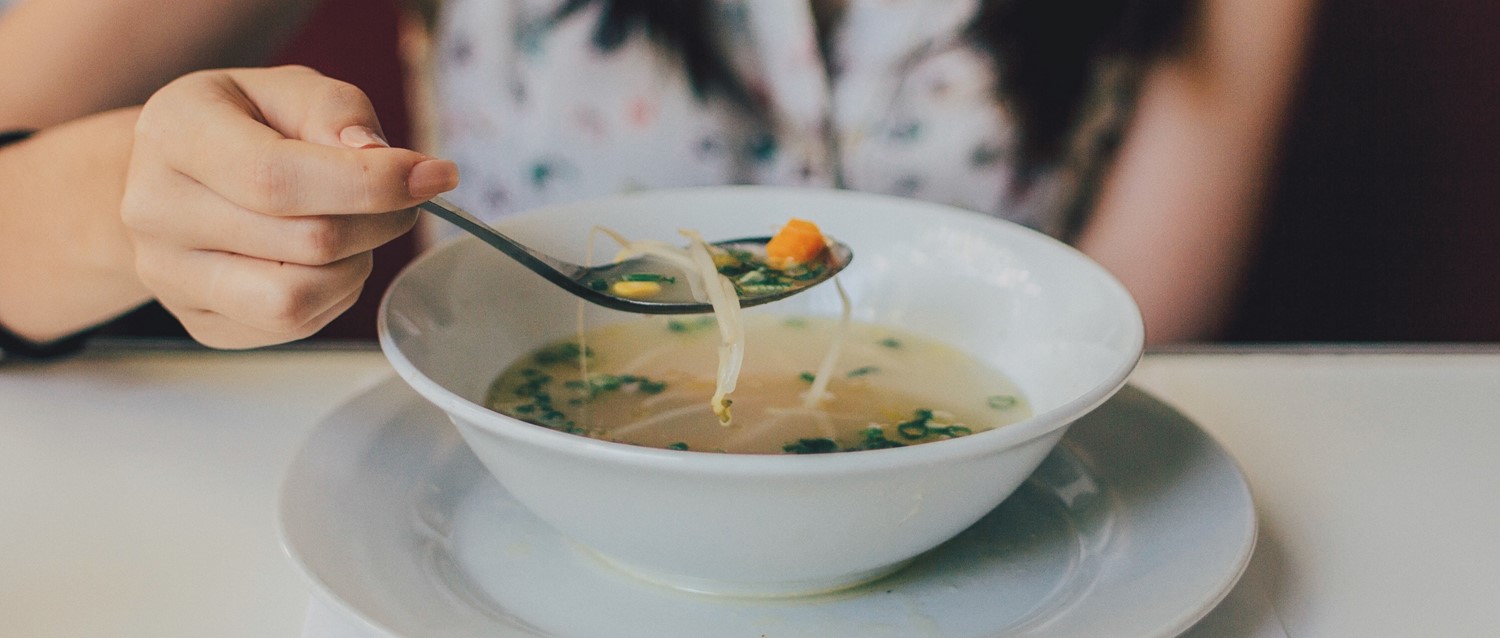
When it comes to weight loss it can be tempting to go for a 'quick fix' that promises to shed the pounds, fast. But fad diets are not only ineffective, they can be dangerous. Dietician Katherine Kimber explains why opting for a fad diet can actually make you gain weight and damage your health.

A fad diet often promises rapid فقدان الوزن or other health benefits like a healthier جهاز المناعة or longer life. Often made popular by celebrities, these diets - such as Keto, SlimFast, Atkins, Low-Carb and diet pills - encourage weight loss through cutting out food groups or severely restricting calorie intake.
According to the NHS, the average man needs to eat 2,500 calories a day and the average woman needs 2,000. It also recommends a diet balanced with at least five servings of fruit and vegetables daily, as well as carbs, proteins and fats.
Katherine Kimber, a registered dietician and spokesperson for the جمعية التغذية البريطانية, says anything significantly less than that can damage our health.
"Consumers may be thinking 'there can't be any harm' in taking 'natural' pills, or cutting out groups of foods, but there really can be," she says.
"Fad diets can result in الجفاف, weakened immune system, الإرهاق المزمن ,، و الإمساك. Specific ingredients such as fat-burning pills can be devastating."
There has been significant interest in recent years in very low-calorie diets (VLCDs) for people with type 2 diabetes. But while some studies have shown marked improvements in blood glucose control with these diets, the research has involved close medical follow-up and 'behaviour modification' to address harmful long-term habits while people are restricting their intake.
زيادة الوزن
Aside from the adverse effects fad dieting can have on your health, it can also make you gain weight - hardly the desired effect when you decide to try one.
That's because a fad diet is unsustainable in the long term.
"Difficulty in keeping the weight off can be due to a multitude of factors: from the discontinuation of the diet due to unsustainability, genetic conditions, and something called the set-point theory. This is the theory that every unique individual has a weight range their body likes to be at," Kimber says.
"In addition, if crash diets are repeated frequently, this constant yo-yoing of weight has been associated with more weight gain, less exercise, and higher rates of binge eating."
One of the other main problems is that if you adopt an extreme diet and then come off it once you've lost weight, you're likely to go back to your old patterns of eating - which were precisely what caused the weight gain in the first place. This is in marked contrast to more gradual changes which allow you to re-evaluate your long-term relationship with unhealthy foods and move to a healthier way of life.
Some studies have identified that up to 55% of women experience weight yo-yoing due to fad diets, Kimber explains.
"There is also some strong evidence that shows weight yo-yoing can increase visceral fat accumulation - the fat around our internal organs. This type of fat can put people at higher risk of أمراض القلب و السكري, regardless of what the individual's weight is."
Damage to the metabolism
If that wasn't enough to put you off, fad diets can also cause lasting damage to your metabolism - your body's natural process of converting food into energy.
"There is a risk of slowing down the metabolism. While we know weight loss is possible in the short term, the body has strong physiological mechanisms to bring the weight back up," Kimber says.
"A دراسة عام 2016 of contestants of 'The Biggest Loser' competition identified that not only does our metabolism slow down when people diet, but it also remains suppressed when people regain the weight they lost."
Put simply, your metabolism becomes slower, meaning it doesn't burn food into energy as quickly as it used to. Therefore you're likely to gain weight faster than you did before the fad diet.
There's a dangerous aspect of causing this kind of damage to your metabolism as well. A slower metabolism puts you at greater risk of metabolic diseases like heart disease, stroke and type 2 diabetes.
Safe weight loss
You may well lose weight rapidly if you opt for a fad diet, but some of this is down to your body losing water weight, Kimber explains.
For every gram of energy your muscles store, they store three grams of water. So when you're in an energy deficit, caused by several restricting calories, your muscles lose water quickly.
But don't be tricked into thinking this means the diet is working.
"As with any fad diet that puts the body's energy balance into a deficit, we may see some initial drop in muscle mass and body fat, which can also result in us seeing a dip on the scales," Kimber says.
Instead, losing weight and keeping it off for good both need to come from behavioural changes in what we eat and how much التمارين we do.
"However, not all hope needs to be lost. We know that health can be improved through behaviour change, regardless of changes in weight," Kimber adds.
"My advice would be to remove the focus from the number on the scales and to focus on what you can do to feel good and improve your health. Can you find ways of adding more fibre into your diet? Can you find ways of moving your body that are pleasurable and enjoyable?"
And most importantly, focus on eating a healthy, balanced diet. The old 'energy in, energy out' mantra is true. Eating carbs isn't bad for you; eating the occasional piece of chocolate cake also isn't bad for you; but cutting out food groups and restricting your calories to the point where you're hungry is.
اختيارات المرضى لـ السمنة وفقدان الوزن

الحياة الصحية
المشاكل الناجمة عن نقص الوزن
وسائل الإعلام مليئة بقصص مخيفة حول عدد الأشخاص الذين يعانون من السمنة ومدى الضرر الذي يسببه الوزن الزائد لصحتنا. ولكن ماذا يحدث عندما تحتوي أجسامنا على دهون أو عناصر غذائية أساسية أقل مما نحتاجه لصحة جيدة؟
بقلم الدكتورة سارة جارفيس
الحياة الصحية
ماذا تفعل إذا كان وزنك يزعجك
Does it ever feel like you've spent most of your adult life on a diet? While you may experience initial success with many of the popular weight loss programmes, sadly, the pounds typically creep back on. This can leave you beating yourself up and feeling depressed.
بقلم سارة ليندبرج
الأسئلة الشائعة
What is 'set-point theory' in relation to weight loss?
Set-point theory suggests that each individual has a specific weight range their body naturally prefers to maintain. This can make it challenging to keep weight off after a diet, as the body may try to return to its 'set-point' weight.
How can 'weight yo-yoing' affect my internal organs?
Weight yo-yoing, which is the repeated loss and regain of weight, has been linked to an increase in visceral fat accumulation. Visceral fat is the fat that surrounds your internal organs, and higher levels of it can increase your risk of heart disease and diabetes, even if your overall body weight is within a healthy range.
If fad diets cause rapid weight loss, why shouldn't I try one?
While you might see rapid weight loss with a fad diet, much of this initial loss is often due to losing water weight, not body fat. When your body is in an energy deficit, your muscles quickly lose stored water. This shouldn't be mistaken for effective long-term weight loss. Also, these diets are often unsustainable and can lead to weight regain and other health issues.
What is the primary factor that causes weight regain after a fad diet?
One of the main reasons for weight regain is that after stopping an extreme diet, people often revert to their previous eating habits. These habits were what caused the weight gain originally. Sustainable weight loss and maintenance require gradual, long-term changes to eating patterns and lifestyle, rather than temporary, restrictive diets.
How can I improve my health without focusing on the numbers on the scales?
You can improve your health by focusing on positive behavioural changes rather than just the number on the scales. This could involve finding ways to add more fibre to your diet, discovering enjoyable exercise routines, and generally adopting a healthy, balanced diet. Even without significant weight reduction, these changes can lead to better health.
عن المؤلف

Andrea Downey
حول المراجععرض السيرة الذاتية الكاملة

الدكتورة سارة جارفيس
استشاري سريري
MA (Cantab), BM, BCh (Oxon), DRCOG, FRCGP, MBE
بعد التدريب في الطب في كامبريدج وأكسفورد، أصبحت الدكتورة سارة جارفيس حاصلة على وسام الإمبراطورية البريطانية طبيبة عامة.
تاريخ المقال
تمت مراجعة المعلومات الموجودة في هذه الصفحة من قبل أطباء مؤهلين.
المقال متاح أيضًا باللغة الإنجليزية, الألمانية, إسبانية, الفرنسية, إيطالي, البرتغالية, الهندية, العبرية, العربية ,، و السويدية.
15 Oct 2019 | نُشر في الأصل
كتبه:
Andrea Downey
مراجعة من قبل
الدكتورة سارة جارفيس

اسأل، شارك، تواصل.
تصفح المناقشات، اطرح الأسئلة، وشارك التجارب عبر مئات المواضيع الصحية.

هل تشعر بتوعك؟
قم بتقييم أعراضك عبر الإنترنت مجانًا
اشترك في النشرة الإخبارية للمرضى
جرعتك الأسبوعية من النصائح الصحية الواضحة والموثوقة - مكتوبة لمساعدتك على الشعور بالاطلاع والثقة والتحكم.
من خلال الاشتراك، فإنك تقبل سياسة الخصوصية. يمكنك إلغاء الاشتراك في أي وقت. نحن لا نبيع بياناتك أبدًا.
المزيد في الحياة الصحية
- تحليل البشرة بالذكاء الاصطناعي: ما هو ولماذا يحذر الخبراء منه
- بناء عادات صحية أفضل مع هولي هيلث
- هل يمكن للبروبيوتيك علاج السمنة والسكري؟
- كيف أثر العمل من المنزل على صحتنا النفسية؟
- كيفية الشرب بأمان خلال عيد الميلاد ورأس السنة الجديدة
- كيفية حماية صحتك النفسية في مكان العمل كامرأة سوداء
- كيفية التحدث مع طفلك عن وزنه
- تحسين الصحة العقلية والبدنية من خلال التمارين الرياضية
- ليس تمامًا 'العودة إلى الوضع الطبيعي': دليل لشفاء الأسرة بعد الجائحة
- أطفئ التلفاز في غرفة النوم لتجنب زيادة الوزن
- تفكر في تجربة السباحة في البرية؟ اقرأ هذا أولاً
- ما هي الفوائد النفسية لترتيب سريرك في الصباح؟
- ما الأضرار التي يمكن أن تسببها العلاج التحويلي ولماذا لم يتم حظره؟
- ما هو الكرياتين؟ الفوائد والاستخدامات والمخاطر
- ما هو الإرشاد المتمركز حول الشخص؟
- ما هو ريformer بيلاتس ولماذا هو شائع جدًا؟
- ما هو المشي بتاي تشي - وهل يستحق التجربة؟
- ما هي خدمات الدعم النفسي المتاحة للمحاربين القدامى؟