How much period pain is normal?
Peer reviewed by Dr Sarah JarvisAuthored by Lydia SmithOriginally published 27 Jan 2019
Meets Patient’s editorial guidelines
- DownloadDownload
- Share
- Language
- Discussion
- Audio Version
- Add to preferred sources on Google
Most women will experience period pain at some point in their lives, which can range from a dull ache to sharp pains. For some, menstrual cramps can be managed with pain medications, but for other women, severe pain - known as severe dysmenorrhoea - can be debilitating and seriously impact their quality of life.
Going to work with period pain
In a YouGov survey carried out in 2017, 42% of respondents said period pain had affected their ability to do their jobs - and 82% said their employers made no accommodations for it.
"After coming off the pill my period pains have grown worse and worse," says Amy, 32. "Often leading to me needing to cancel plans, but I don't phone in sick as it's still socially unacceptable for that.
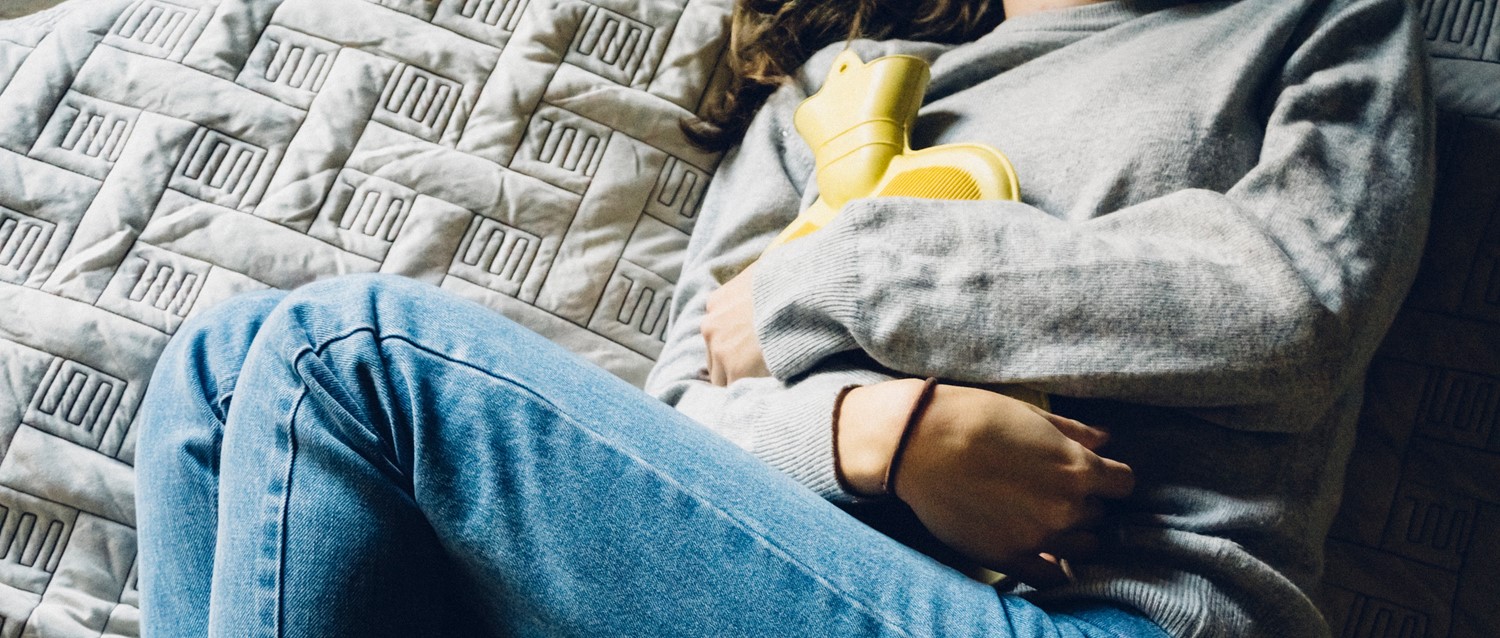
"My pain affects my thighs and back, it sort of takes over for three out of my four day periods," she adds. "However painkillers don't seem to cure them. Hot water bottle, paracetamol and riding it out is my plan each month."
Why are periods painful?
Menstrual or period cramps occur when the muscular wall of the womb contracts more vigorously during your period, in order to encourage the womb lining to shed away.
When the muscular wall of the womb contracts, it compresses the blood vessels lining your womb, which cuts off the blood supply. Without the supply of oxygen, the tissues in your womb release chemicals that trigger pain.
At the same time, your body also produces chemicals called prostaglandins, which encourage the womb muscles to contract further - causing more pain.
Painful periods are divided into two main groups. In 'secondary dysmenorrhoea', there is an underlying cause for the pain. In 'primary dysmenorrhoea' the cause isn't clear, but it may be that some people produce more prostaglandins.
What causes period pain?
"Sometimes there isn't a reason why some women have more painful periods than others, but often there is," says Mr Narendra Pisal, a consultant gynaecologist at London Gynaecology. "And even if everything is normal, we can always do something to help alleviate the pain."
Endometriosis
Endometriosis is one of the most common reasons for painful periods, Pisal explains. "This is where the inner lining of the uterus is inside the abdomen, causing painful periods and sometimes also pain during sex," he says.
It is a chronic and debilitating condition that causes painful or heavy periods and may also lead to infertility, fatigue and bowel and bladder problems.
Yet despite one in ten women being affected by endometriosis, it takes an average of 7.5 years from the onset of symptoms to get a diagnosis - with many women dismissed as 'just' having period pain.
Fibroids
Fibroids are another common cause of pain during your period. "These are common benign (non-cancerous) lumps of the uterine muscle, which can cause painful and heavy periods," Pisal says.
Many women are unaware they have fibroids because they don't have any symptoms, but those who do may experience abdominal pain, lower back pain, a frequent need to urinate, constipation and pain during sex, along with heavy periods.
Adenomyosis
A medical condition called adenomyosis may also cause heavy, painful or irregular periods, as well as pain during sex and bowel problems.
"This is where the lining of the uterus is in the wall of the uterus and can cause trapping of blood and inflammation during periods which is painful," Pisal says.
Heavy periods
"Heavy periods with clots are often painful too," he adds. A heavy period is defined as losing 80 ml or more of blood during each period, or having periods that last longer than a week, or both, according to the NHS.
If your periods are heavy, you may have to change your sanitary products every hour or two, pass blood clots larger than a 10p coin, or bleed through your clothing despite pads and tampons. The NHS offers an online self-assessment to find out whether your periods are heavy.
Hormonal imbalance
"Hormonal imbalance is often the cause when there is no other physical explanation," Pisal adds.
Pelvic inflammatory disease (PID)
Painful periods may also be caused by pelvic inflammatory disease (PID), when the womb, Fallopian tubes and ovaries become infected with bacteria and inflamed. Although many women don’t have pelvic inflammatory disease symptoms, some may experience heavy or painful periods, lower abdominal pain, discomfort during sex, pain during urinating, bleeding between periods or unusual vaginal discharge.
What are the signs that period pain could be something more serious?
If you are struggling with painful periods, it's important not to suffer in silence. Painful menstrual cramps don’t always indicate an underlying problem, but Pisal says there are a few signs that the pain could be something more serious.
The first is intensity. "If you need to take constant painkillers or cannot do your day-to-day activities, you need to seek medical advice, diagnosis and treatment," he says. "Associated symptoms, such as fainting, loose motions, painful motions, and vomiting, also indicate that you need to see a doctor."
Needing to take time off work or school can also be a sign. "If your periods are affecting the quality of life in a major way, it is important to take steps to alleviate the symptoms," Pisal adds.
You should also take note of the heaviness of your periods. "If the pain is associated with heavier periods with clots and flooding, that can indicate a physical problem such as uterine fibroids," he says.
Likewise, pain during sex shouldn’t be ignored, as it could be an indication of a condition such as endometriosis.
What helps period pain?
Seeing your GP
"Always see your doctor to discuss your symptoms," Pisal says. You should see your GP if you have intense pain or heavy periods, or if your normal pattern of periods changes - eg, if it becomes irregular.
Your GP may want to carry out a pelvic examination to help diagnose or rule out certain conditions. They may refer you for a pelvic ultrasound, which doesn't hurt and will detect any abnormalities in your reproductive organs. They may also refer to you a specialist.
Painkillers
"Simple painkillers can help reduce pain, but don't underestimate the power of a hot water bottle," says Pisal. "Prescription medications such as tranexamic acid (reduces the amount of menstrual bleeding) and mefenamic acid (great for relieving spasms) are very effective."
Studies have shown paracetamol is not as effective at reducing period pain as ibuprofen or aspirin.
The contraceptive pill
"Taking the combined contraceptive pill often can make the periods lighter and less painful," Pisal says.
This can ease period pain because it thins the womb lining and reduces the amount of prostaglandin your body releases.
Mirena coil (intrauterine system)
The Mirena coil is a type of intrauterine system, or IUS, which is a hormonal type of contraception that is placed in your womb (uterus) by a doctor or nurse.
It releases the hormone progestogen to stop you from getting pregnant and lasts for up to five years. It can also be used to reduce heavy periods, which can also help with cramping pain.
Lifestyle changes
An Australian study published in 2014 found women who smoke are more likely to experience severe cramps during menstruation, so quitting may help reduce the intensity.
And although exercising may be the last thing on your mind when you're on your period, gentle exercise - such as a walk - can help relieve pain and improve well-being. Taking time to relax, such as having a warm bath, can also help.
Patient picks for Periods and period problems
Women's health
First period - supporting your child when they start menstruation
Getting your first period is an important developmental milestone. However, although it is a healthy and natural part of growing up, it can come with symptoms and challenges that are both physical and emotional. It's important to inform and prepare both ourselves and our children in order to minimise any difficulties and offer the right support at the right time.
by Lawrence Higgins
Women's health
Period poverty: a public health crisis
Period poverty in the UK is affecting a growing number of women and girls - denying them essential hygiene, risking illness, affecting well-being, and hindering equality.
by Amberley Davis
About the authorView full bio

Lydia Smith
Feature writer
BA, MA, MSc
Lydia Smith is an award-winning journalist and feature writer who has written extensively on women's health and mental health. She is currently studying for an MSc in psychology.
About the reviewerView full bio

Dr Sarah Jarvis
Clinical Consultant
MA (Cantab), BM, BCh (Oxon), DRCOG, FRCGP, MBE
After training in medicine at Cambridge and Oxford, Dr Sarah Jarvis MBE became a GP.
Article history
The information on this page is peer reviewed by qualified clinicians.
Article also available in English, German, Spanish, French, Italian, Portuguese, Hindi, Hebrew, Arabic, and Swedish.
27 Jan 2019 | Originally published
Authored by:
Lydia SmithPeer reviewed by
Dr Sarah Jarvis
Join the conversation
Share your thoughts or experiences with others in our patient communities.

Ask, share, connect.
Browse discussions, ask questions, and share experiences across hundreds of health topics.

Feeling unwell?
Assess your symptoms online for free
Sign up to the Patient newsletter
Your weekly dose of clear, trustworthy health advice - written to help you feel informed, confident and in control.
By subscribing you accept our Privacy Policy. You can unsubscribe at any time. We never sell your data.
More in women's health
- Breaking down the gender health gap
- Do herbal remedies for menopause really work?
- Gaynor Faye on Hot Flash, menopause - and why midlife women deserve to be seen
- How to check for breast cancer and what a lump feels like
- How to look after your mental health during your menstrual cycle
- Is it safe to skip your period on the pill?
- Looking after your health during the menopause
- Menopause and exercise
- NHS opens walk-in clinics for FGM survivors
- PCOS videos
- Quiz: When will I get my first period?
- Video: Are fibroids cancerous?
- Video: How does PID affect fertility?
- What do normal labia look like?
- What is inflammaging - and why should women care?
- What it's like to go through early menopause
- What to expect during a breast screening
- What to expect when you take the morning after pill
- Why are more young women losing their periods due to restrictive diets and excessive exercise?
- Will we ever have a male contraceptive pill?