
ما تحتاج لمعرفته حول ردود الفعل التحسسية
مراجعة من قبل الدكتور كولين تايدي، MRCGPكتبه الدكتورة سارة جارفيسنُشر في الأصل 17 Apr 2018
يتوافق مع الإرشادات التحريرية
- تنزيلتنزيل
- مشاركة
- Language
- نقاش
- Ask Patient
- نسخة صوتية
- أضف إلى المصادر المفضلة على جوجل
When I was a medical student, we had a couple of hours' dedicated teaching on allergies in our whole six years of training. Consultants who specialised just in allergies didn't exist - there were a few doctors working in asthma or eczema who had a particular interest, but it wasn't big news. But in the last few years, big (and dangerous) news is precisely what it has become.
اختيارات الفيديو لـ الحساسيةمكتبة الفيديو
Are allergies on the rise?
Allergies happen because our جهاز المناعة, whose job is to fight off our body's enemies, over-reacts to something it's exposed to.
Allergy is one of the most common chronic illnesses in Europe. Up to 20% of patients with allergies struggle daily with the fear of a possible asthma attack, anaphylactic shock, or even death from an allergic reaction.
The most dangerous kind of allergy - life-threatening التأق- is definitely on the rise. In the past couple of decades, the number of hospitalisations caused by anaphylaxis has increased six-fold. Fortunately it's still uncommon, but it is still responsible for about 20 deaths a year in the UK, mostly among children and young adults.
Holly Shaw, nurse advisor at Allergy UK ,:
"Allergic disease is increasing, with the UK having one of the highest rates of allergy in the western world. What is driving this rise cannot be attributed to one particular element but a combination of 'modern lifestyle' factors, including exposure or a lack of exposure to a diverse range of good and bad bugs."
She explains that no one's sure why allergies have risen so sharply, but it could be due to all sorts of things, from the way children are brought into the world (ie an increase in Caesarean section births), to our modern diets and even where we live.
"However, this remains a complicated jigsaw puzzle with pieces missing that can only be informed by emerging research," Shaw adds.
ما الذي يسبب الحساسية المفرطة؟
Some people get anaphylaxis with no obvious cause. However, the known culprits include nuts (especially peanuts), shellfish, eggs, kiwi fruit, bee or wasp stings and medicines like antibiotics or aspirin.
Symptoms come on rapidly and are very dramatic. They include tongue and lip swelling, wheezing, dizziness, itching, flushing, palpitations, tummy pain, breathing problems, 'nettle' rash, confusion and sometimes collapse.
If you've ever had an anaphylactic reaction, it's essential to get tested for possible causes, so you can avoid it completely. You'll also need to carry treatment with you everywhere. This includes an injection pen device which gives a rapid dose of adrenaline - friends and family should know how to use it too. Wearing a medical alert bracelet is a good idea; rapid treatment can save lives.
Do you grow out of allergies?
It is possible to grow out of some allergies, even if they're very serious - egg allergy in very young children is one example. And 80-90% of babies with non IgE-mediated cow's milk protein allergy will grow out of it by the time they're 3 years old.
Until recently, we've also assumed the same could not be said for nut allergies - a nut allergy, I was always taught, was for life. But there have now been some promising studies looking at whether very carefully monitored treatment can stop young people with peanut allergy from reacting or even prevent high-risk children from developing peanut allergy in the first place.
Definitely don't try this at home though. The future for allergies may be different. But until then, once you've had an anaphylactic reaction to something, you'll need to avoid even the tiniest exposure to it for life.
The less serious ones
Fortunately, most allergies are less severe than anaphylaxis.
حمى القش
حمى القش, caused by pollen allergy, is miserable but not life-threatening, although bad symptoms can bring on an asthma attack. Symptoms include itchy nose, eyes and throat, sneezing and runny or blocked nose.Treatments range from antihistamine tablets to eye drops and steroid nasal sprays.
Simple measures often help - staying inside when pollen counts are high; wearing wrap-around sunglasses; showering and washing your hair when you come inside; and using a natural pollen barrier such as Vaseline® or HayMax® under your nostrils, to reduce pollen getting up your nose. أقراص مضادة للهستامين can help for all sorts of allergies, including food allergies that cause itchy rashes.
التهاب الجلد التماسي
التهاب الجلد التماسي is a skin allergy to something you touch. Common culprits include cosmetics (including hair dyes), metal (especially nickel or cobalt in jewellery), latex, plants (like daffodils, chrysanthemums, tulips and sunflowers), and preservatives in creams or ointments. Skin gets red, sore and inflamed - sometimes days after you've touched what you're allergic to.
Your doctor can prescribe unscented moisturisers and steroid cream to settle the symptoms. If it's not clear what the cause is, he or she may refer you for 'patch testing', where tiny amounts of different products are put on your skin for two days. If a cause is found, you'll need to avoid the tiniest trace of it to avoid the same problem in future. Beware private 'specialists' who offer hair analysis, kinesiology or 'Vega testing' for allergies - they don't work!
حساسية الطعام
Food allergies (especially to nuts, حليب البقر and eggs) are more common in children. Lots of adults believe they have food allergies - but actually, only one in five people who are tested turn out to have an allergy.
Most of the rest have food intolerance rather than allergy. This is important, because food intolerances are never life-threatening. Food intolerance usually causes symptoms in your gut - tummy pain, bloating, wind, feeling sick or الإسهال. You may be fine if you have a small amount (unlike with some food allergies, where the tiniest trace can bring on a reaction).
Should you change your diet?
I have quite a lot of patients who make drastic changes to their diet because they believe they have food allergies. But this can be bad for your health - an unbalanced diet can leave you short of vital vitamins and other nutrients. Before making major changes, see your GP, who may be able to refer you to a dietician.
اختيارات المرضى لـ الحساسية

الحساسية، الدم والجهاز المناعي
الشرى المائي: التعايش مع حساسية الماء
تخيل أن الوقوع تحت زخات المطر يشبه السقوط في شجيرة القراص اللاذعة، أو عدم القدرة على البكاء دون حرق وجنتيك. بالنسبة للأشخاص الذين يعانون من حساسية الماء، هذه هي الحقيقة. فكيف يمكن العيش مع حالة غير عادية كهذه؟
بقلم أمبرلي ديفيس
الحساسية، الدم والجهاز المناعي
What is Skeeter syndrome? When a mosquito bite is more than just an itch
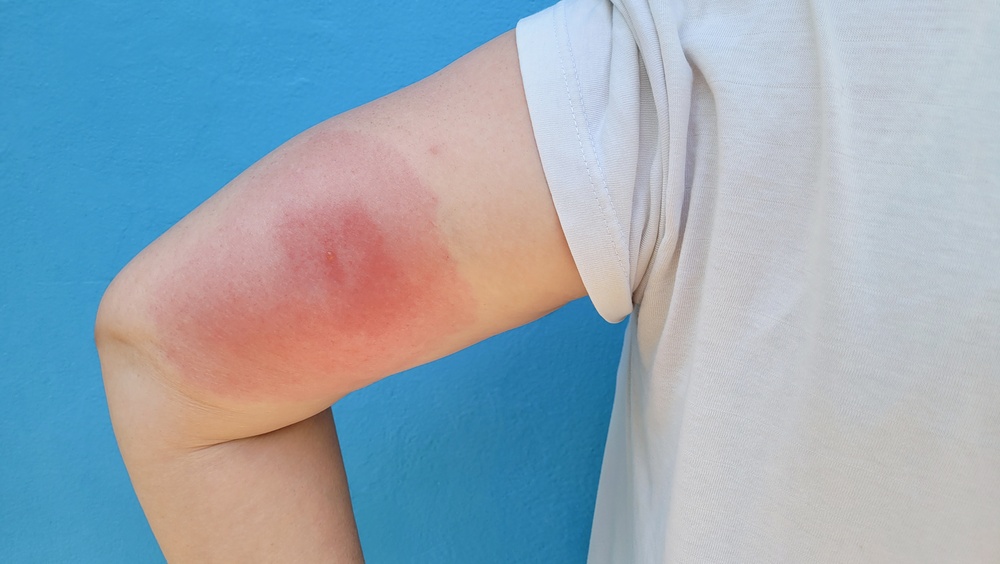
For most people, a mosquito bite is no more than an itchy nuisance. But for some people, a bite can trigger a much more dramatic reaction, with extensive swelling, redness, warmth, and itching that can last for several days. This reaction is known as Skeeter syndrome.
بقلم هيذر أينسورث
عن المؤلفعرض السيرة الذاتية الكاملة
كتبه

الدكتورة سارة جارفيس
استشاري سريري
MA (Cantab), BM, BCh (Oxon), DRCOG, FRCGP, MBE
بعد التدريب في الطب في كامبريدج وأكسفورد، أصبحت الدكتورة سارة جارفيس حاصلة على وسام الإمبراطورية البريطانية طبيبة عامة.
حول المراجععرض السيرة الذاتية الكاملة

الدكتور كولين تايدي، MRCGP
طبيب عام، مؤلف طبي
MBBS, MRCGP, MRCP (Paediatrics), DCH
الدكتور كولين تايدي هو طبيب في هيئة الخدمات الصحية الوطنية، ويعمل في أوكسفوردشاير.
تاريخ المقال
المقال متاح أيضًا باللغة الإنجليزية, الألمانية, إسبانية, الفرنسية, إيطالي, البرتغالية, الهندية, العبرية, العربية ,، و السويدية.
17 Apr 2018 | نُشر في الأصل
كتبه:
الدكتورة سارة جارفيسمراجعة من قبل
الدكتور كولين تايدي، MRCGP
شارك أفكارك أو تجاربك مع الآخرين في مجتمعات المرضى.
اشترك في النشرة الإخبارية للمرضى
جرعتك الأسبوعية من النصائح الصحية الواضحة والموثوقة - مكتوبة لمساعدتك على الشعور بالاطلاع والثقة والتحكم.
من خلال الاشتراك، فإنك تقبل سياسة الخصوصية. يمكنك إلغاء الاشتراك في أي وقت. نحن لا نبيع بياناتك أبدًا.