هل كان للجائحة تأثير على سمنة الأطفال؟
مراجعة من قبل الدكتورة سارة جارفيسكتبه إميلي جين باشفورثنُشر في الأصل ١٤ ديسمبر ٢٠٢١
يتوافق مع الإرشادات التحريرية
- تنزيلتنزيل
- مشاركة
- Language
- نقاش
- Ask Patient
- نسخة صوتية
- أضف إلى المصادر المفضلة على جوجل
هناك العديد من التقارير التي تشير إلى ارتفاع مستويات السمنة بين الأطفال بعد الجائحة. تظهر البيانات الجديدة أن خمسي الأطفال الذين تتراوح أعمارهم بين 10-11 عامًا في إنجلترا يعانون من زيادة الوزن، وهو ما تصفه جمعية السكري في المملكة المتحدة بأنه "مثير للقلق بشكل كبير". وبينما سيستغرق الأمر بلا شك بعض الوقت لفهم التأثير الحقيقي لـ COVID-19 على الصحة العقلية والبدنية للأطفال، يمكننا استكشاف بعض الطرق التي تأثرت بها أوزانهم وعاداتهم الغذائية.
Nikki Joule, Policy Manager at Diabetes UK, says urgent action is needed to improve children's health: children living with السمنة have a significantly higher risk of داء السكري من النوع 2, a condition which is known to have more severe and acute consequences in young people.
Have child obesity levels increased following the pandemic?
In short, the answer is: we don't know.
Information on childhood obesity in England is collected yearly through the National Childhood Measurement Programme (NCMP). Their last publication in October 2020 spanned the 2019/2020 school year. But as schools were closed from March-June last year when the country entered its first lockdown, the measurement programme was not carried out in full.
Collecting these data involves measuring the مؤشر كتلة الجسم of children in reception and year six. The data are then collated by NHS Digital and published in the autumn. There have been challenges around the use of BMI in children at an individual level, but at a population level it's generally a very effective way to monitor trends in child weight status.
How child obesity could have increased over lockdown
Most of our daily lives faced big changes as the world entered lockdown last year. The country was advised by the government to stay home and restrictions on social gatherings were implemented. Most children started home-schooling, activity clubs were cancelled and playgrounds closed, impacting on children's health in a variety of ways.
Lack of exercise
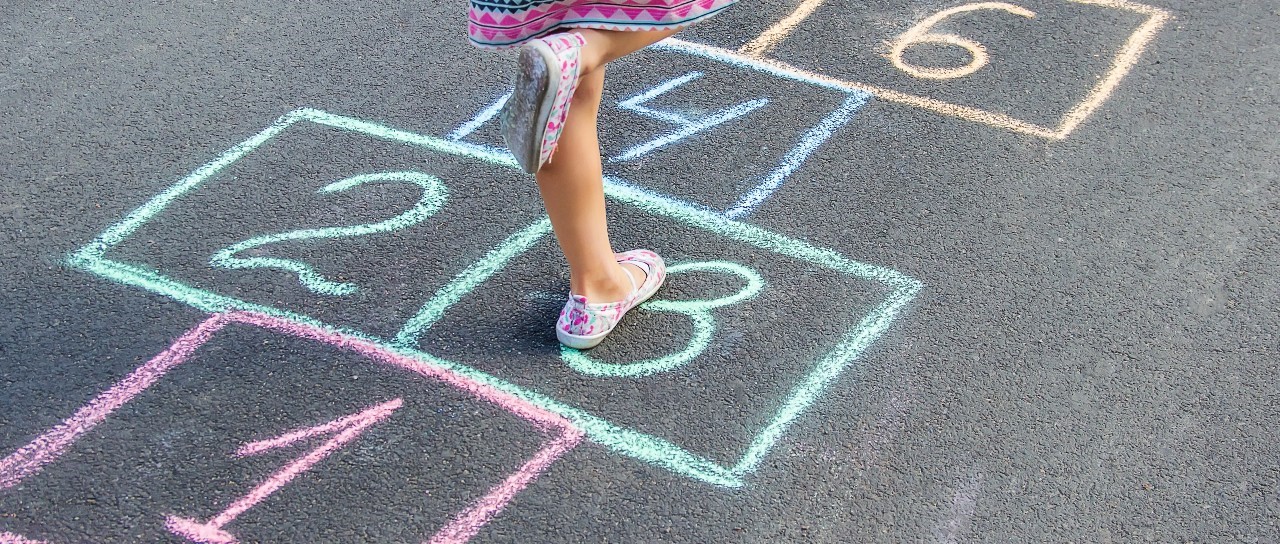
Children's physical activity certainly decreased during lockdown, as opportunities for exercise and outdoor play were limited. Younger children in particular get most of their physical activity from playing but, with playgrounds closed off, their time spent being active decreased. Families had to find new ways to keep their children active, mostly indoors or (if the family had them) in gardens, but space and options were limited. Opportunities for active travel, such as walking, cycling or scooting to school or nursery also reduced. Not only is this likely to have impacted children's physical health, but also their mental well-being, particularly those with little or no access to outside space.
Reduced income
The pandemic has led to a rise in unemployment levels and a decrease in national income by 20%. By December 2020, almost 9 million people in the UK had to borrow money due to the pandemic.
Reduced household incomes and rising food insecurity from the economic fall-out of COVID-19 may have led to changes in family diets. Families may have also had to make adjustments after losing access to breakfast clubs and free school meals for their children. These changes to family diets are often associated with foods with a higher calorific value and poor nutritional value, because access to healthier food is limited and more expensive.
Caroline Cerny, alliance lead at the Obesity Health Alliance, says an intense focus is needed on closing the gap between the most and the least deprived. This can ensure every child has an equal chance to grow up healthy.
"Childhood obesity rates are twice as high in the most deprived communities compared to the least, highlighting that addressing obesity is key to tackling health inequalities," says Cerny.
Increased snacking
Several surveys have shown adults and young people reporting snacking more in lockdown, and it would not be surprising if this extended to children too. Again, snacks tend to include foods higher in calories, such as crisps, sweets and biscuits.
Additionally, children spent more time in front of screens during lockdown, whether it was watching TV, chatting with friends or studying online. This potentially increased their exposure to adverts for fast food and takeaway and delivery services, influencing young people's food choices and how much they eat.
Has there been an increase in eating disorders?
While lockdowns are likely to have had an effect on young people's eating habits, it's important to recognise the rise in young people seeking help from eating disorder services.
Research conducted by Bupa UK found:
46% of teens surveyed altered their eating habits during lockdown.
84% admitted to restricting the food they ate for a sense of control.
41% reported the same feeling of control when they ate more.
132% increase for Google searches of 'types of eating disorders' over the last year.
Furthermore, Dr Agnes Ayton of Royal College of Psychiatrists reported that, in her local area of Oxford, the number of patients admitted for urgent inpatient referrals had gone up by 20-80% during the pandemic.
Other colleagues at the RCPCH have raised concerns about a rise in اضطرابات الأكل among children during lockdown, as paediatricians noticed a rise in young people presenting with more severe symptoms.
Eating disorders (EDs) are complex mental illnesses that present themselves in countless ways. There is never one single cause, even for people with the same diagnosis. Therefore, the pandemic cannot be held solely responsible for the surge in those seeking treatment, especially as a multitude of factors is likely to have contributed to young people's struggles.
However, the statistics are alarming and the fallout of the pandemic's impact on EDs is likely to be an issue for years to come. The environment of lockdowns and the pandemic generally exacerbated already existing conditions for many with EDs, due to feeling a loss of control, heightened القلق and panic over all the possible outcomes. Life as we know it changed drastically last year, so many elements could have been possible triggers - these include job losses, الفقدان, التوتر and illness.
What can be done now?
It will take some time to paint a full picture of the pandemic's impact on children's health, including child obesity levels.
NHS Digital is due to publish NCMP statistics in Autumn, but it is unclear how the data collection will have been affected by school closures in 2021.
One step the government has taken in a bid to improve public health is implementing restrictions on 'junk' food advertising and promotions. They introduced a 9 pm watershed on 'unhealthy' food adverts on TV, and suggested a potential total restriction online.
Cerny supports the new restrictions and watersheds on advertising, saying: "Next we need the government to take stronger action to improve everyday food and drink with a levy on food companies to incentivise them to improve."
Joule goes on to explain how the government's plan to provide tailored weight loss treatment in 15 clinics across the country is an important step in tackling childhood obesity.
"Helping those at high risk can reduce their chances of developing the condition. Children living in the most deprived areas are more than twice as likely to be living with obesity than those in the least deprived, and the pandemic has only exacerbated these inequalities. We hope these clinics will target those most in need of support," they say.
"The environment we live in is a major contributing factor to rising levels of childhood obesity and, for too long, too many children have been exposed to unhealthy food. Measures such as restricting promotion of junk food and ensuring easier access to healthier food are vital if we are to reverse this worrying trajectory, and guarantee healthier futures for the next generation."
When more evidence does come to light about the full impact of lockdown on children's health, evidence-based measures are an important step towards protecting children's health in the longer term. We should also listen to children when they express concerns about their health, and encourage them to talk about worries they have, in safe, non-judgemental environments.
اختيارات المرضى لـ مقالات عن الجائحة
كوفيد-19
كوفيد-19: متى يتوقع الخبراء عودة الحياة إلى طبيعتها؟
" "متى ستنتهي الجائحة؟" هو سؤال يشغل بال الجميع، رغم أن البعض قد يتردد في طرحه. يتوقع الخبراء نتائج مختلفة محتملة لموعد انتهاء جائحة كوفيد-19. يتصورون "الوضع الطبيعي الجديد"، حيث لم يعد كوفيد-19 يشكل تهديدًا كبيرًا بل أصبح مرضًا متوطنًا نديره بشكل روتيني. .
بقلم أمبرلي ديفيس
كوفيد-19
فيروس كورونا COVID-19: متى سيكون لدينا لقاح؟
Medical experts around the world are working around the clock to develop a vaccine for COVID-19 as it continues to spread around the globe. But how are vaccines made and when are we likely to have one for coronavirus?
بقلم أندريا داوني
عن المؤلفعرض السيرة الذاتية الكاملة
كتبه

إميلي جين باشفورث
كاتب مميز
NCTJ
إميلي كاتبة مقالات مميزة مع Patient، تكتب مقالات حول مجموعة متنوعة من المواضيع المتعلقة بالصحة والرفاهية.
حول المراجععرض السيرة الذاتية الكاملة

الدكتورة سارة جارفيس
استشاري سريري
MA (Cantab), BM, BCh (Oxon), DRCOG, FRCGP, MBE
بعد التدريب في الطب في كامبريدج وأكسفورد، أصبحت الدكتورة سارة جارفيس حاصلة على وسام الإمبراطورية البريطانية طبيبة عامة.
تاريخ المقال
المقال متاح أيضًا باللغة الإنجليزية, الألمانية, إسبانية, الفرنسية, إيطالي, البرتغالية, الهندية, العبرية, العربية ,، و السويدية.
١٤ ديسمبر ٢٠٢١ | نُشر في الأصل
كتبه:
إميلي جين باشفورثمراجعة من قبل
الدكتورة سارة جارفيس
شارك أفكارك أو تجاربك مع الآخرين في مجتمعات المرضى.
وصول بسيط إلى العلاجات والخدمات الصحية الموثوقة عبر الإنترنت.
Common conditions
Get help with common conditions through the NHS, without a GP appointment.
 التهاب الجيوب الأنفية الحاد
 التهاب اللوزتين البكتيري
 القوباء
 لدغات الحشرات
 الحزام الناريعدوى المسالك البولية
اشترك في النشرة الإخبارية للمرضى
جرعتك الأسبوعية من النصائح الصحية الواضحة والموثوقة - مكتوبة لمساعدتك على الشعور بالاطلاع والثقة والتحكم.
من خلال الاشتراك، فإنك تقبل سياسة الخصوصية. يمكنك إلغاء الاشتراك في أي وقت. نحن لا نبيع بياناتك أبدًا.