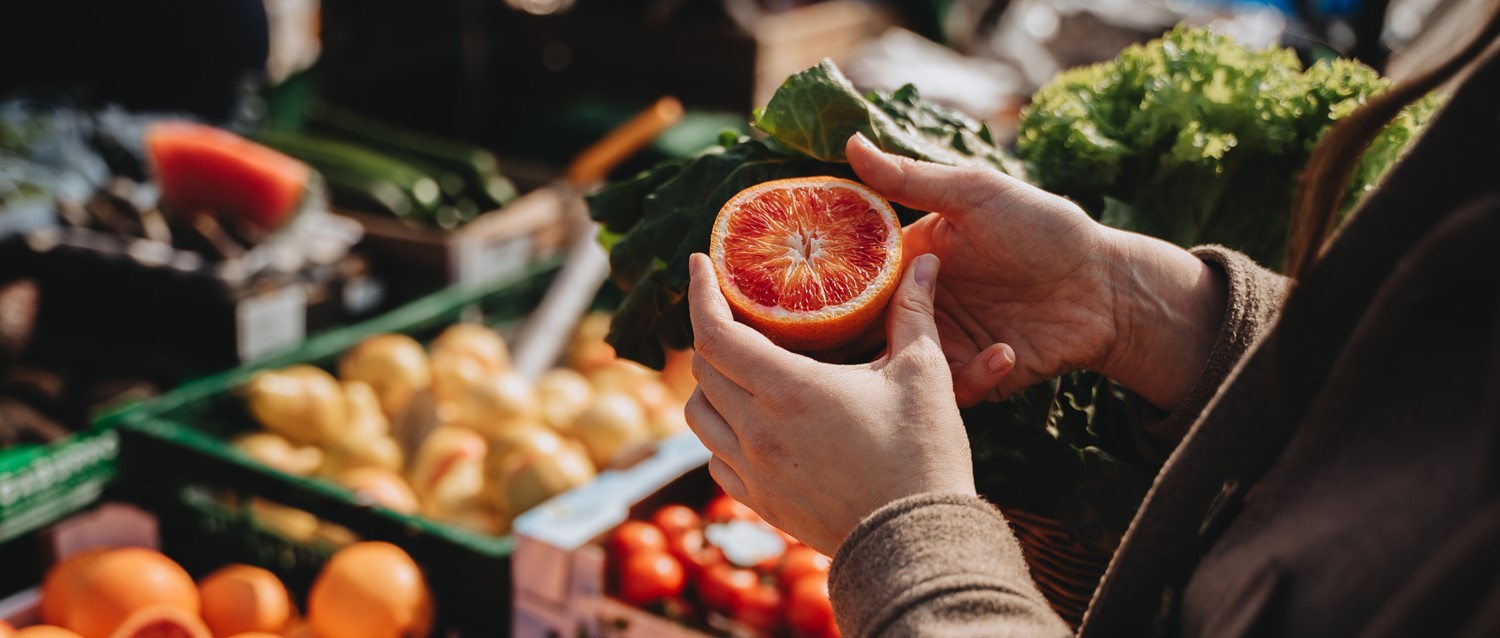
كيفية تجنب نقص الحديد
مراجعة من قبل الدكتور كريشنا فاخاريا، MRCGPكتبه إيلي بروتوننُشر في الأصل 24 Jun 2022
يتوافق مع الإرشادات التحريرية
- تنزيلتنزيل
- مشاركة
- Language
- نقاش
- Ask Patient
- نسخة صوتية
- أضف إلى المصادر المفضلة على جوجل
As the cost of living rises, many people in the UK are looking for ways to cut back on bills, including groceries. But iron-rich foods - whether red meat or vegetarian - remain essential to avoid iron deficiency, whatever our weekly budget.
What is iron deficiency?
Iron is an important part of our diet and contributes to the healthy functioning of our body. A deficiency in iron means that you have a lack of iron in your blood. This can lead to فقر الدم الناجم عن نقص الحديد.
What causes iron deficiency?
The common causes of iron deficiency include:
Heavy menstrual periods.
الحمل.
Bleeding from the gut.
دواء.
Bleeding from the kidney.
Dietary factors.
What are the symptoms of iron deficiency?
The signs and symptoms of iron deficiency can be difficult to spot, especially if your case is mild. Some common symptoms include:
Tiredness and shortness of breath.
Struggling to concentrate.
Reduced ability to exercise.
Hair losing its condition, and possibly hair loss.
If you are concerned about your iron levels, then you should consult your GP.
The link between iron deficiency and food insecurity
What we reach for from our cupboards can change when we switch to cheaper options at the supermarket or accept support from a food bank. Faced with fewer food options, knowing what we need to eat, and when, helps us continue to care for ourselves despite difficult circumstances.
Last year, a systematic review led by Imperial College London researchers found that UK austerity policies were consistently linked to food insecurity and food bank use. One of the papers it referenced showed a clear association between food insecurity and فقر الدم الناجم عن نقص الحديد in children.
How much iron do I need per day?
Iron is a vital part of a balanced diet, particularly if you have الدورة الشهرية. You are الخيار to have 14.8 mg of iron a day if you menstruate - this is nearly twice what the British Dietetic Association (BDA) recommends for men and for women after انقطاع الطمث (8.7 mg).
The recommended iron intake for children can vary:
Children aged 2-3 years need 6.9 mg a day.
Children aged 4-6 years need 6.1 mg.
From the age of 7 years, children need 8.7 mg a day.
From the age of 11 years, this rises to 11.3 mg for teenage boys, and 14.8 mg for teenage girls.
If you are حامل, your iron demands increase, rising to 30 mg a day in the latter half of your pregnancy. Clinicians will check your blood for iron during your booking appointment, and at 28 weeks, to check you have enough.
Meat and fish as a source of iron
Meat and fish are full of a type of iron that's easy for the body to absorb (heme iron), advises Jo Travers, a nutritionist and registered dietitian working in London. "Generally speaking," she says, "the best source of iron - the most iron, and the most easily absorbed - is from اللحم الأحمر. Beef and lamb are the best sources, and darker meat has more iron than lighter meat - for example, chicken thighs have a bit more than chicken breast."
Eating sausages, bacon, salami and other kinds of processed meat for your iron content is fine, but following new research into processed food, current advice is to try to eat smaller portions. For example, if you usually eat three rashers of bacon (90 g), cut down to two (70 g).
Vegetarian iron sources
The other kind of iron we can consume is called non-heme, and it's found in all kinds of vegetarian and vegan food.
Lentils and beans
Lentils and beans are a good source of iron and can be incorporated into lots of recipes. Foods such as beans, lentils and chickpeas can be used as a substitute for meat in your diet because they contain protein, zinc and other nutrients you'd get from meat, Travers says.
"Dried beans will sit on your cupboard shelf for years and not go bad," she says. "They are even cheaper than tinned beans, but you do need to rehydrate them before use. You do this by soaking and then cooking them.
"Once rehydrated, they take about 10-20 minutes to cook. If you have the option to use dried beans, then that's a really cheap way of getting your iron.
"Dark green leafy veg is another good source of iron - kale being a standout example", she adds.
فيتامين C
To maximise your iron intake, Travers says you should look for ways to pair vitamin-C-rich food with your iron sources.
"Before this type of iron can be absorbed, it needs to go through an additional process in the stomach, which requires vitamin C," she explains. "There are various foods that contain vitamin C and iron such as orange juice and citrus fruits, spinach and sweet potato."
Iron-rich snacks
When we're time-poor and preoccupied, eating well can be one of the first things to slip. القلق can also lead to a loss of appetite. At times like this, knowing a few easy meals can make all the difference.
Bread and cereals
Simple snacks such as a bowl of cereal or a couple of slices of toast can form part of a varied diet. In the UK, all non-wholemeal bread is made using fortified flour: for example, a couple of slices contains 2 mg of iron. Likewise, UK cereals are often fortified with iron: for example, two Weetabix biscuits contain 4.5 mg of iron.
Nuts and dried fruit
When you are on the go, nuts and dried fruit are a fast way to top up your iron levels and help avoid iron deficiency. For example, 50 g of raisins contains about 1 mg of iron, and 40 g of peanut butter contains 0.8 mg.
Preventing iron deficiency
In 2013, during the UK government's austerity programme, research by the Nuffield Fund found that iron-deficiency anaemia accounted for a number of preventable admissions to hospitals. The report also found that levels of deprivation are strongly linked to rates of avoidable admission. By taking care of what we eat and helping others do the same, we can take small steps to prevent issues such as iron deficiency.
اختيارات المرضى لـ التغذية
النظام الغذائي والتغذية
كيفية الصيام بأمان خلال شهر رمضان
Ramadan, the holiest month in the Islamic calendar, is observed by nearly two billion people worldwide. This year, it is expected to begin on the evening of February 18th or 19th, depending on the sighting of the new crescent moon. Ramadan is a time of reflection, prayer, and self-discipline, marked by fasting from dawn until sunset. While this practice is deeply meaningful, it can also bring personal challenges. If you’re observing the fast, we have expert tips to help support you along the way.
بقلم فيكتوريا راو
النظام الغذائي والتغذية
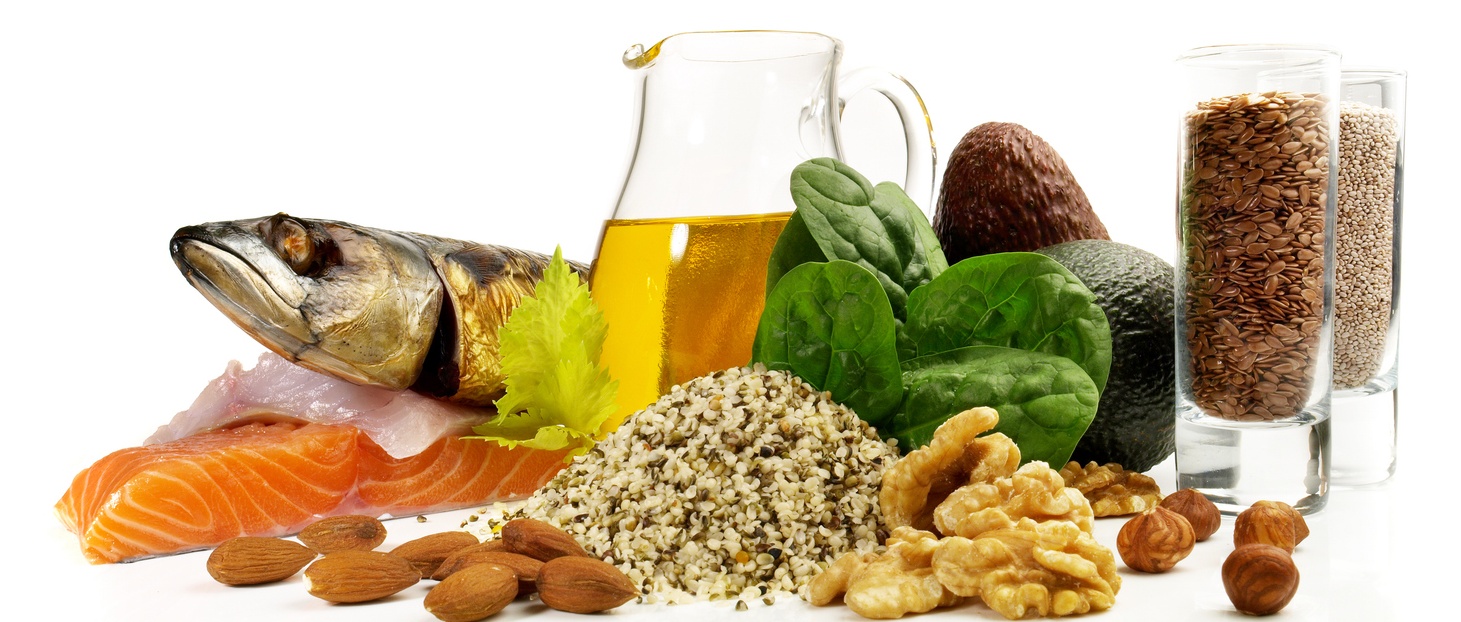
ما هو الكولين؟ المغذّي لذاكرتك وعضلاتك وأكثر
There's a good chance you're not consuming enough choline. This nutrient is needed for many jobs around the body. Find out how choline regulates memory, muscle movement, blood pressure and more - and the choline-rich foods we should all be eating.
بقلم أمبرلي ديفيس
عن المؤلف
كتبه

إيلي بروتون
حول المراجععرض السيرة الذاتية الكاملة

الدكتور كريشنا فاخاريا، MRCGP
كبير المسؤولين الطبيين للصحة، أوبتوم المملكة المتحدة
MBChB, MRCGP(2013), BMedSci (hons), DFSRH, DRCOG, PGDipDerm (Distn)
الدكتورة كريشنا فاخاريا هي طبيبة عامة في هيئة الخدمات الصحية الوطنية. كما أنها ممتحنة منتظمة لدبلوم الدراسات العليا في الأمراض الجلدية العملية في جامعة كارديف، بالإضافة إلى كونها كبيرة المسؤولين الطبيين للصحة في Optum UK.
تاريخ المقال
المقال متاح أيضًا باللغة الإنجليزية, الألمانية, إسبانية, الفرنسية, إيطالي, البرتغالية, الهندية, العبرية, العربية ,، و السويدية.
24 Jun 2022 | نُشر في الأصل
كتبه:
إيلي بروتون
مراجعة من قبل
الدكتور كريشنا فاخاريا، MRCGP
شارك أفكارك أو تجاربك مع الآخرين في مجتمعات المرضى.
وصول بسيط إلى العلاجات والخدمات الصحية الموثوقة عبر الإنترنت.
Common conditions
Get help with common conditions through the NHS, without a GP appointment.
 التهاب الجيوب الأنفية الحاد
 التهاب اللوزتين البكتيري
 القوباء
 لدغات الحشرات
 الحزام الناريعدوى المسالك البولية
اشترك في النشرة الإخبارية للمرضى
جرعتك الأسبوعية من النصائح الصحية الواضحة والموثوقة - مكتوبة لمساعدتك على الشعور بالاطلاع والثقة والتحكم.
من خلال الاشتراك، فإنك تقبل سياسة الخصوصية. يمكنك إلغاء الاشتراك في أي وقت. نحن لا نبيع بياناتك أبدًا.