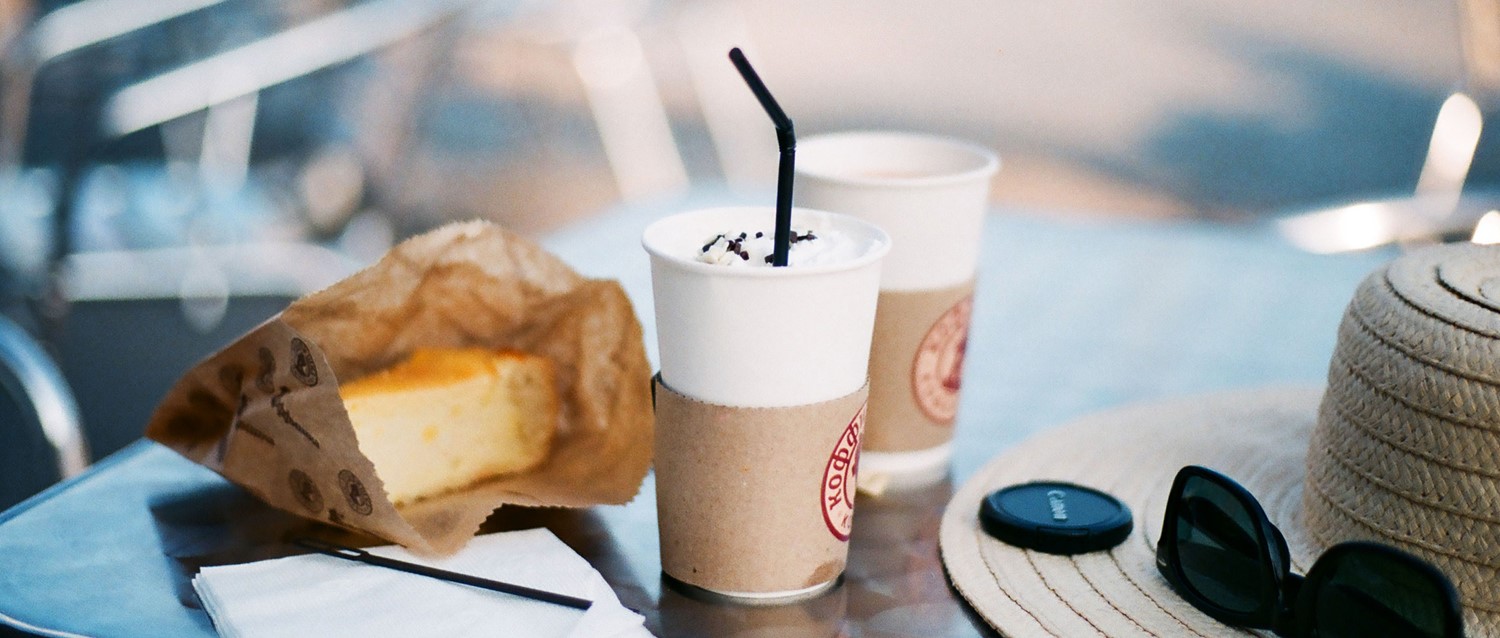
The food and drink to avoid on holiday if you’re pregnant
Peer reviewed by Dr Hayley Willacy, FRCGP Authored by Abi MillarOriginally published 10 Apr 2018
Meets Patient’s editorial guidelines
- DownloadDownload
- Share
- Language
- Discussion
- Audio Version
- Add to preferred sources on Google
If you're something of a foodie, travelling while pregnant can be a mixed blessing. On the one hand, a holiday is a holiday. On the other hand, you won't be able to spend your time roaming the backstreets and sampling all the local delicacies, as you might have done before you got pregnant.
Sign up for our free 8-week Healthy Pregnancy course!
Each week we’ll share useful information and essential tips on topics such as nutrition, exercise, mental health, symptoms to look out for, and preparing for childbirth, to help you navigate your pregnancy journey whatever stage you are at.
By subscribing you accept our Privacy Policy. You can unsubscribe at any time. We never sell your data.
As Dr Vanessa Mackay, spokesperson for the Royal College of Obstetricians and Gynaecologists (RCOG), explains, now is not the time for a culinary-focused vacation.
"There are some foods women should avoid or take care with when pregnant as they might make women ill or harm their baby," she says. "Avoid eating soft cheese with white rinds, mould-ripened soft goat's cheese and soft blue-veined cheese unless they have been cooked. Pâté, including vegetable pâté, should also be avoided."
These are just two examples on what is quite a long list - and perhaps two of the most heartbreaking if you’re going somewhere like France. However, with a bit of forward planning, and maybe some savvy food swaps, there's no reason why you can't eat healthily, safely and enjoyably on holiday.
Avoid undercooked meat
As Elizabeth Duff, senior policy advisor at NCT, points out, eating well abroad can sometimes be a bit more complicated than it was at home.
"Obviously most women who are pregnant will have discussed food with their midwife and done their own research about what is generally advised," she says. "What can be difficult abroad is that a lot of other countries have a tradition of serving meat quite undercooked, so that's something to check. It's common sense, but you don't want to worry about having a tummy upset and wondering whether that's affecting the baby."
She recommends opting for something cooked through, like a casserole, rather than something lightly grilled or fried (rare steaks, sadly, are a no). And since undercooked meat carries a risk of toxoplasmosis - a parasite-borne infection that can cause miscarriage - if something does look a bit pink when it arrives, it's best to leave it or give it to your partner.
On a similar note, you should exert caution with cold cured meats, such as salami, prosciutto and chorizo, as these can also contain toxoplasmosis-causing parasites. If you're preparing the meat yourself, you can reduce the risk by cooking it, or by freezing it for four days first. However, you should avoid these meats when eating out, since you can't be sure how they've been prepared.
"It is best for pregnant women to avoid eating game that has been shot with lead pellets as it may contain higher levels of lead," adds Mackay. "Pregnant women are advised not to eat liver or any products containing liver, as they may contain a lot of vitamin A, which can harm the unborn baby."
Be careful with cheese, fish and eggs
The recommendation around pâté and certain soft cheeses is due to the risk of infection.
"These soft cheeses are less acidic than hard cheeses and contain more moisture. This means they can be an ideal environment for harmful bacteria, such as listeria, to grow in," says Mackay. "While infection with listeria is rare, even a mild form of the illness in a pregnant woman can lead to miscarriage, stillbirth or severe illness in a newborn baby."
The good news is that all other cheeses are fine. So while you should steer clear of uncooked Brie, Roquefort, gorgonzola or Camembert, you can eat feta, halloumi or cheddar to your heart's content.
As for fish, this is generally fine during pregnancy, and in fact comes highly recommended. However, oily fish should be consumed sparingly because of the risk of pollutants like mercury, and uncooked shellfish (along with shark, swordfish and marlin) should be avoided altogether. Sushi, meanwhile, is only advisable if the raw fish has been frozen first.
"Fish and shellfish can be very tempting abroad, especially if you're at the seaside, but that's something that needs checking," says Duff.
Another food to watch out for is eggs. These days, eggs produced in the UK are considered safe for pregnant women, even when eaten soft-boiled or runny. This is because they come from hens that have been vaccinated against salmonella. However, this may not be the case abroad, so you should stick to eggs that are fully cooked through. Avoid foods containing partially cooked eggs, like mousses.
Watch out for contaminated water
Fruit and vegetables, of course, are extremely important when you're pregnant, and form part of a generally healthy diet. You just have to be vigilant about washing them beforehand, especially if they have visible traces of soil or dirt.
If you're holidaying somewhere with water safety concerns, you can always wash fruit with bottled water (and drink exclusively bottled water yourself). And if there's any doubt about how the food has been prepared, it's best to err on the side of caution.
"Speak to the people who are providing the food and be sensible about where you're eating it," says Duff. "It's lovely to go somewhere where the locals go, but if that might mean tap water that isn't safe, just be a bit more careful."
Indulge with caution
On a final (and somewhat sobering!) note, the temptation to drink alcohol may be that bit more acute on holiday. However, it goes without saying that you should pass on the Jägerbombs.
"Most people on holiday, if they do drink, will have more than they would ordinarily have," says Duff. "The advice in the UK is safest for pregnant women not to drink anything at all. Although it's a nuanced message - there isn't strong evidence of harm to the baby from a really modest amount of alcohol - most women prefer just not to drink."
All in all then, you're looking at a holiday of hard cheeses, well-done steak and mocktails. And although 'eating for two' is a myth, your babymoon is a perfect time to relax and allow yourself a few indulgences. You just need to make informed choices and be that bit more careful than normal.
Patient picks for Diet and lifestyle
Pregnancy
How to travel safely during pregnancy
Over the last few years, a new term has cropped up on travel websites, namely the 'babymoon'. Referring to the last holiday you take while pregnant, the babymoon ideally has little to do with babies. On the contrary, it's a chance for some much needed 'you' time before the baby arrives and child-free activities become a distant memory.
by Abi Millar
Pregnancy
How to stay healthy and safe when pregnant at Christmas
Being pregnant at Christmas can be a bit different to your usual festive affair. Instead of enjoying prosecco and parties, it can be draining to navigate festive fun when you're feeling exhausted and achy. However, there are lots of ways to make the most of the holidays while staying healthy and safe.
by Lydia Smith
About the authorView full bio

Abi Millar
Freelance Journalist
BA (Hons), MA
Abi is a freelance journalist with a special interest in health and medicine writing.
About the reviewerView full bio

Dr Hayley Willacy, FRCGP
General Practitioner, Medical Author
MBChB (1992), DRCOG, DFFP, MRCOG (Part 1) MRCGP (2007), DFSRH (2013), MSc - medical education (2020)
Dr Hayley Willacy was an NHS GP working in northwest England, who retired from clinical practice in 2022 after 30 years.
Article history
Article also available in English, German, Spanish, French, Italian, Portuguese, Hindi, Hebrew, Arabic, and Swedish.
10 Apr 2018 | Originally published
Authored by:
Abi MillarPeer reviewed by
Dr Hayley Willacy, FRCGP
Join the conversation
Share your thoughts or experiences with others in our patient communities.

Ask, share, connect.
Browse discussions, ask questions, and share experiences across hundreds of health topics.

Feeling unwell?
Assess your symptoms online for free
Sign up to the Patient newsletter
Your weekly dose of clear, trustworthy health advice - written to help you feel informed, confident and in control.
By subscribing you accept our Privacy Policy. You can unsubscribe at any time. We never sell your data.
More in pregnancy
- Black women more likely to experience stillbirth than white women
- Does testicular cancer affect your fertility?
- Does your ethnicity influence your fertility success?
- Experts dispute new study linking C-section births to autism
- Gestational diabetes - what's the outlook?
- Home births as safe as hospital for low-risk pregnancies
- How to be a supportive birth partner during childbirth
- How to be vegan when you are pregnant or breastfeeding
- How to deal with negative body image in pregnancy
- Junk food diet linked to low sperm count
- Pregnancy symptoms - when to act
- Putting together a budget for your baby
- Secret shoppers: Are women given the best contraception advice?
- Should you take probiotics for pregnancy?
- What are the benefits of postnatal Pilates?
- What are the UK abortion laws?
- What happens after finding out you're pregnant?
- What to do if you need an abortion
- When should you announce a pregnancy?
- When you should and shouldn't worry during your pregnancy