فيتامين سي: الفوائد، المصادر، والنقص
مراجعة من قبل الدكتور كولين تايدي، MRCGPآخر تحديث بواسطة Lynn Stephenآخر تحديث 3 Aug 2026
يتوافق مع الإرشادات التحريرية
- تنزيلتنزيل
- مشاركة
- Language
- نقاش
- Ask Patient
- نسخة صوتية
- أضف إلى المصادر المفضلة على جوجل
معظمنا يعرف أن فيتامين C مفيد لنا، ولكن هل تعرف جميع الطرق التي يفيد بها هذا العنصر الغذائي الأساسي صحتك؟ هنا يمكنك معرفة مدى سهولة الحصول على كمية كافية من فيتامين C، وكذلك ما يحدث عندما تستهلك القليل جدًا أو الكثير منه.
What is vitamin C?
Vitamin C, also called L-ascorbic acid, is an essential nutrient we all need for good health. This vitamin supports many important functions in our bodies and helps to maintain our blood vessels, bones, and skin.
Benefits of vitamin C
As vitamin C plays a role in the health and maintenance of so many organs and systems inside us, the list of vitamin C benefits is an extensive one. Here are some of the most important rewards you can get from consuming enough of this super vitamin.
Protection against disease and illness
Vitamin C may protect against certain illnesses and long-term diseases in several ways:
It's an antioxidant that helps to fight inflammation and widens your blood vessels - this can reduce your chance of associated diseases such as ارتفاع ضغط الدم.
It protects against free radicals - these are harmful molecules in your body that can damage cells. Free radicals have a role to play in the development of conditions such as السرطان و أمراض القلب.
It boosts your immune system - helping your body to fight a range of illnesses.
Wound healing
Vitamin C is used by our bodies to produce الكولاجين - an important structural protein in our skin, muscles, and bones. One of the ways in which collagen keeps us healthy is by promoting wound healing, helping to mend injuries that break the skin, and other body tissues while protecting us from العدوى.
Strong and healthy skin and bones
Vitamin C benefits also include the general health and strength of our skin and bones. In the skin, its antioxidant properties and role in collagen production helps protect against skin ageing and other skin complaints - this is why you'll find vitamin C in many skincare products. As an anti-inflammatory, this vitamin can also help to prevent inflammatory التهاب المفاصل and may support people with التهاب المفاصل العظمي.
Iron absorption
This nutrient helps our bodies absorb another vital nutrient - iron. We need iron for growth and development, and when we don't absorb enough we may experience weakness, fatigue, and issues with memory and concentration. This health issue is called iron-deficiency and it can lead to long-term complications if left untreated.
Good sources of vitamin C
We get the vitamin C we need through the food we eat. It's a water-soluble vitamin, meaning that once inside us it dissolves in water and is delivered straight to our body's tissues, but we are unable to store it. For this reason, we need to consume foods with vitamin C content every day in order to stay healthy.
For the best sources of vitamin C, turn to fruit and vegetables.
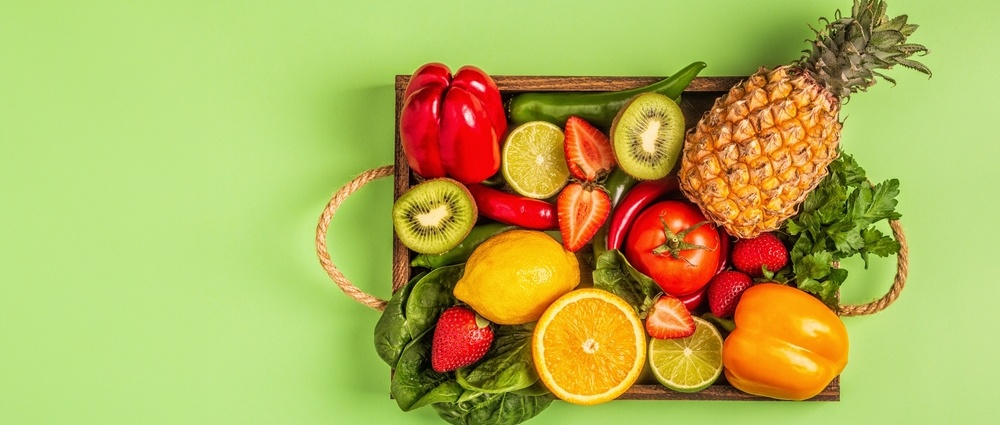
According to Reema Pillai, dietitian at Dietitian Fit & Co, the following common citrus fruits contain a high dose of vitamin C:
Lemons.
Limes.
Oranges.
Kiwi.
Grapefruit.
She adds that other good sources include:
Peppers.
Tomatoes.
Berries.
Potatoes.
Brussels sprouts.
You can also take daily vitamin C supplements to bolster your vitamin C levels. However, remember that a dietary supplement is only good for you when taken in addition to - and not instead of - a healthy, nutrient-rich diet.
How much vitamin C per day?
Pillai explains that adults need 40 milligrams of vitamin C per day.
"This is usually easy to get through your diet," she says. "For example, one medium orange has around 70-80 milligrams of vitamin C and two kiwis provide more than 130 milligrams of vitamin C."
However, certain people are more likely to not get enough vitamin C through food alone. This makes them more vulnerable to the health issues associated with vitamin C deficiency.
نقص فيتامين سي
Not getting enough vitamin C persistently - usually over a period of three months or more - is known as vitamin C deficiency.
The following groups have a higher likelihood of this condition:
People with a dependency on alcohol أو other drugs who may also have a poor diet.
People on very restrictive diets.
People who تدخن regularly.
People with a medical condition that inhibits healthy digestion and absorption of food - such as مرض كرون.
Older people who eat a less varied diet.
Pregnant and breastfeeding women as they need higher doses of vitamin C.
Vitamin C deficiency can lead to scurvy, although Pillai adds that the likelihood of developing scurvy in the UK is very low.
She describes the common symptoms of scurvy:
Sore joints.
Delayed wound healing or easy bruising.
مزاج منخفض.
Can you have too much vitamin C?
Just as it's possible to not get enough vitamin C, you can also consume too much - although this isn't an easy thing to achieve through food alone. Large doses of vitamin C - that exceed 1000 milligrams a day - are most likely the result of taking too many vitamin C supplements. If supplementing, make sure you're not taking more than 75 milligrams a day for a women and more than 90 milligrams a day for a man.
Too much vitamin C can lead to side effects such as الإسهال and stomach pain. While uncomfortable and inconvenient, these symptoms tend to be temporary, disappearing once supplementation in large doses is stopped.
اختيارات المرضى لـ الفيتامينات والمكملات الغذائية
النظام الغذائي والتغذية
ما هي فوائد فيتامين أ؟
تحتاج أجسامنا إلى بعض العناصر الغذائية لأداء الوظائف اليومية، وبدونها قد تبدأ في ملاحظة بعض المشاكل الصحية. أحد هذه العناصر الغذائية هو فيتامين أ. ما هي فوائد فيتامين أ، ومن أين يأتي، وهل تحتاج إلى تناول المكملات للحصول على الكمية المناسبة؟
بقلم أندريا داوني
النظام الغذائي والتغذية
ما هي فوائد فيتامين E؟
Vitamin E is a well-loved ingredient in any skincare routine. But it's also vital for your health and how your body functions. Find out why and how to get enough vitamin E here.
بقلم فيكتوريا راو
عن المؤلفعرض السيرة الذاتية الكاملة
تم التحديث بواسطة

لين ستيفن
مطوّرة محتوى
ماجستير مع مرتبة الشرف
Lynn joined Patient in 2023 and her role includes checking all the professional leaflets, patient information leaflets and medicine leaflets, to ensure consistency of spelling, grammar, reference material and brand style, working with the medical authors and clinical director to coordinate the authoring and peer reviewing of the leaflets.
كتبه

Amberley Davis
كاتب أول
بكالوريوس (مع مرتبة الشرف)، التنمية المهنية المستمرة
أمبرلي كاتبة كبيرة في موقع Patient وقد كتبت بشكل مكثف حول مجموعة من مواضيع الصحة والرفاهية.
حول المراجععرض السيرة الذاتية الكاملة

الدكتور كولين تايدي، MRCGP
طبيب عام، مؤلف طبي
MBBS, MRCGP, MRCP (Paediatrics), DCH
الدكتور كولين تايدي هو طبيب في هيئة الخدمات الصحية الوطنية، ويعمل في أوكسفوردشاير.
تاريخ المقال
المقال متاح أيضًا باللغة الإنجليزية, الألمانية, إسبانية, الفرنسية, إيطالي, البرتغالية, الهندية, العبرية, العربية ,، و السويدية.
Next review due: 3 Aug 2029
3 Aug 2026 | أحدث إصدار
17 Nov 2022 | نُشر في الأصل
كتبه:
Amberley Davis
شارك أفكارك أو تجاربك مع الآخرين في مجتمعات المرضى.
وصول بسيط إلى العلاجات والخدمات الصحية الموثوقة عبر الإنترنت.
Common conditions
Get help with common conditions through the NHS, without a GP appointment.
 التهاب الجيوب الأنفية الحاد
 التهاب اللوزتين البكتيري
 القوباء
 لدغات الحشرات
 الحزام الناريعدوى المسالك البولية
اشترك في النشرة الإخبارية للمرضى
جرعتك الأسبوعية من النصائح الصحية الواضحة والموثوقة - مكتوبة لمساعدتك على الشعور بالاطلاع والثقة والتحكم.
من خلال الاشتراك، فإنك تقبل سياسة الخصوصية. يمكنك إلغاء الاشتراك في أي وقت. نحن لا نبيع بياناتك أبدًا.