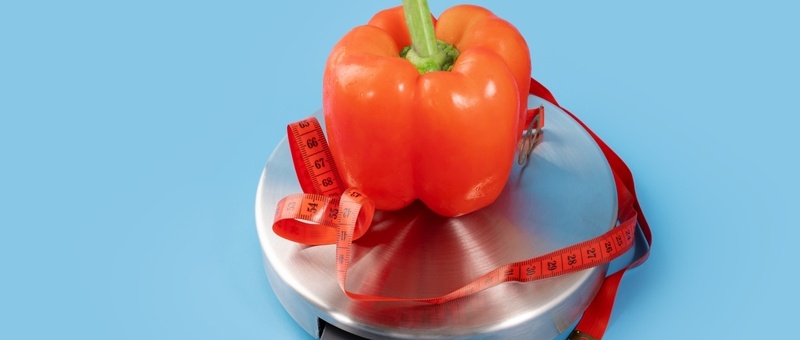
ما هو نظام الحمية الحجمية، وهل يجب عليك تجربته؟
مراجعة من قبل الدكتور كولين تايدي، MRCGPكتبه فيكتوريا راونُشر في الأصل 3 نوفمبر 2025
يتوافق مع الإرشادات التحريرية
- تنزيلتنزيل
- مشاركة
- Language
- نقاش
- Ask Patient
- نسخة صوتية
- أضف إلى المصادر المفضلة على جوجل
في جوهره، يعتمد نظام الحمية الحجمية على تناول المزيد من الطعام بسعرات حرارية أقل، مما يجعلك تشعر بالشبع لفترة أطول. قد تبدو هذه الفكرة جذابة، ولكن مثل العديد من الحميات التي تقدم وعودًا كبيرة، فإنها تأتي مع بعض العيوب. وعلى الرغم من أنها تقدم بعض الفوائد الصحية، إلا أن نهج الحمية الحجمية قد لا يكون الأنسب لرفاهيتك على المدى الطويل.
Explore medical weight management options
احصل على مشورة صحية متخصصة وأنت في راحة منزلك. أكمل استشارة سريعة عبر الإنترنت، متاحة على مدار الساعة طوال أيام الأسبوع، وسيراجع طلبك ممارس صحي مسجل في المملكة المتحدة. تتوفر خدمة التوصيل في اليوم التالي للعلاجات المؤهلة.

اختيارات الفيديو لـ الحميةمكتبة الفيديو
What is the Volumetrics diet?
The Volumetrics diet, developed by Dr Barbara Rolls, focuses on eating foods that provide the volume of a hearty meal but with fewer calories. The idea is to feel satisfied by eating more food in terms of weight, while actually consuming fewer calories than a typical meal of the same size.
Helena Barham-Coppola, nutritional therapist and founder of Nourish&Be, London, UK shares a simple snapshot of what a Volumetrics-style meal or snack might include.
“For example, 50 calories of crisps would be around 10 grams, or a small handful," she says. "50 calories of watercress, on the other hand, would be around 450 grams - so 4-5 supermarket bags. A mountain of greens in comparison.”
Barham-Coppola goes on to explain that the Volumetrics diet groups foods into four categories.
Low-calorie-density foods - examples include non-starchy vegetables, fat-free yoghurt, and broths.
Foods to eat in moderation - including skinless chicken or turkey, lean cuts of beef or pork, lentils, beans, pulses, whole grains, and starchy vegetables, such as beetroot and sweet potatoes.
Foods best enjoyed in small portions - for example, fatty meats and fish, ice cream, whole milk, cheese, pasta, and bread.
Foods to eat sparingly - such as nuts, seeds, oils, and fast food.
Volumetrics diet meal plan
Volumetrics meal plans can vary widely from person to person. This is because the approach focuses on lowering calorie density rather than restricting or prescribing specific foods for health benefits.
Barham-Coppola outlines what a day on a Volumetrics-style meal plan could look like:
Breakfast - fat-free yoghurt, blueberries.
Snack - air-popped corn or apple slices, and a small amount of nut butter.
Lunch - grilled chicken breast, mixed salad, bell peppers, cucumber, one whole wheat pitta bread.
Snack - low-fat cottage cheese with carrots and cucumber sticks.
Dinner - steamed cod with broccoli and sweet potatoes.
Helena Barham-Coppola

The pros and cons of a Volumetrics diet
The Volumetrics diet, while promoting weight loss, offers several general health benefits. By encouraging a higher consumption of vegetables, the diet helps to increase your intake of essential vitamins, fibre, and water, all of which support overall health.
However, Barham-Coppola does not recommend it as a healthy long-term practice, for reasons she outlines below.
Nutritional limitations and outdated advice
The Volumetrics diet has been around for a quarter of a century, pre-dating many recent advancements in nutritional science.
According to Barham-Coppola, the diet falls short in several areas:
Limited variety of plant-based foods - the diet misses an opportunity for better nutrition by not strongly promoting a wide variety of plant-based foods.
Reliance on low-nutrient food choices - some versions rely on products such as cereals, oatmeal, and brown sugar. Barham-Coppola suggests that low-fat yoghurt, often included, may not be the best way to boost your health.
Exclusion of healthy fats - treating oils and fats as foods to be eaten only sparingly can cause people to miss out on the important health benefits they provide.
"This diet was created in 2000, back when low fat was all the rage,” Barham-Coppola notes. “Nutrition has moved on since then."
Weight loss and practicality
إذا weight loss is your goal, the plan does have some merits. However, Barham-Coppola points out areas that may encourage unhealthy habits and even lead to feelings of isolation.
Complexity - the method of counting calories is viewed as potentially obsessive and effortful. This is especially true if you’re on a weight loss journey, which doesn’t need the added pressure of mathematical tasks.
Social and practical hurdles - the diet can make eating out extremely difficult, which may in turn increase your likelihood of social isolation.
Barham-Coppola suggests that the plan shouldn't be followed for more than a couple of weeks, and ideally should be supervised by a professional to ensure your basic nutritional needs are met.
Long-term concerns and health effects
Barham-Coppola does not recommend following this approach long-term. She raises concerns about its potential impact on your health over time and cautions that it could contribute to disordered eating patterns and feelings of social isolation.
“Following the diet long-term may reduce your intake of fat-soluble vitamins,” she says. “This includes the ever-important فيتامين د, which so many people in the UK are already deficient in.”
Barham-Coppola adds that strict limitation on oils and fats overlooks:
Healthy fats - extensive research into the benefits of healthy fats, such as olive oil and its many antioxidants.
المكسرات والبذور - nuts are a great source of vitamins and minerals, for example, brazil nuts and selenium, a nutrient Barham-Coppola notes many people in the UK are lacking.
Fish oils - limiting fish means limiting fish oils, specifically the crucial omega-3 necessary for keeping inflammation down.
Barham-Coppola concludes by warning that the Volumetrics diet would not be suitable for athletes, anyone pregnant, or breastfeeding.
She warns against being drawn to fad diets that promise weight loss without considering their effect on your overall health. While it may sound straightforward, the Volumetrics diet has not been extensively researched for its long-term clinical health outcomes.
“For example, there is so much research around the Mediterranean diet being one of the healthiest diets in the world," she says. “There is not a huge amount of research on the Volumetrics diet.”
اختيارات المرضى لـ الحمية

النظام الغذائي والتغذية
ما هو النظام الغذائي الأطلسي؟
النظام الغذائي الأطلسي يتمحور حول المكونات الطازجة والبسيطة وتناول الطعام الاجتماعي والمستدام. يشترك في العديد من التشابهات مع ابن عمه الجنوبي الشهير، النظام الغذائي المتوسطي - ولكن هناك بعض الاختلافات الرئيسية. هل النظام الغذائي الأطلسي صحي مثل النظام الغذائي المتوسطي الذي يحظى بتقدير كبير؟ ولماذا هو جيد جداً لكل من الناس والكوكب؟
بقلم أمبرلي ديفيس
النظام الغذائي والتغذية
حمية الكيتو: ما هي وهل تعمل؟
تزداد خطط النظام الغذائي منخفض الكربوهيدرات شهرة في عالم التغذية، ولكن ماذا عن ابن عمها الأكثر تطرفًا، النظام الغذائي الكيتوني؟ يُشيد به مشاهير هوليوود لحرق الدهون وتقليل الشهية وإدارة مستويات السكر في الدم، فهل هو حقًا كل ما يُدعى أنه عليه؟ وماذا عن المخاطر؟
بقلم الدكتورة كاري روكستون، دكتوراه، تغذية الأطفال
عن المؤلفعرض السيرة الذاتية الكاملة
كتبه

Victoria Raw
كاتب مميز
بكالوريوس (مع مرتبة الشرف)، الأدب الإنجليزي
فيكتوريا كاتبة محتوى لدى Patient، وتشمل اهتماماتها الخاصة الصحة النفسية والاتجاهات المجتمعية وتأثير التكنولوجيا في صحتنا.
حول المراجععرض السيرة الذاتية الكاملة

الدكتور كولين تايدي، MRCGP
طبيب عام، مؤلف طبي
MBBS, MRCGP, MRCP (Paediatrics), DCH
الدكتور كولين تايدي هو طبيب في هيئة الخدمات الصحية الوطنية، ويعمل في أوكسفوردشاير.
تاريخ المقال
المقال متاح أيضًا باللغة الإنجليزية, الألمانية, إسبانية, الفرنسية, إيطالي, البرتغالية, الهندية, العبرية, العربية ,، و السويدية.
موعد المراجعة التالية: 3 نوفمبر 2028
3 نوفمبر 2025 | نُشر في الأصل
كتبه:
Victoria Rawمراجعة من قبل
الدكتور كولين تايدي، MRCGP
شارك أفكارك أو تجاربك مع الآخرين في مجتمعات المرضى.
اشترك في النشرة الإخبارية للمرضى
جرعتك الأسبوعية من النصائح الصحية الواضحة والموثوقة - مكتوبة لمساعدتك على الشعور بالاطلاع والثقة والتحكم.
من خلال الاشتراك، فإنك تقبل سياسة الخصوصية. يمكنك إلغاء الاشتراك في أي وقت. نحن لا نبيع بياناتك أبدًا.