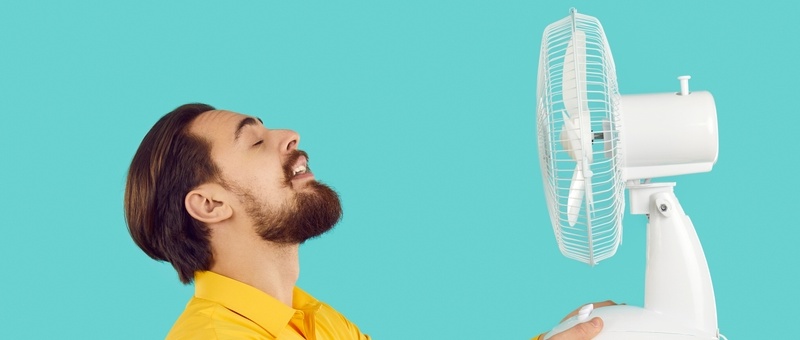
كيفية البقاء باردًا داخل المنزل هذا الصيف
مراجعة من قبل الدكتور كولين تايدي، MRCGPآخر تحديث بواسطة فيكتوريا راوآخر تحديث 1 Jul 2025
يتوافق مع الإرشادات التحريرية
- تنزيلتنزيل
- مشاركة
- Language
- نقاش
- نسخة صوتية
- أضف إلى المصادر المفضلة على جوجل
The UK is not exactly renowned for its blazing hot summers, so most of us welcome with open arms a rise in mercury levels. Others find warmer weather uncomfortable and, for some people, the heat can even pose a health hazard.
Air conditioning is a luxury most of us don’t have, so it’s important to find ways to keep yourself and your home cool during summer – especially if you are more vulnerable to the ill-effects of the heat.
The problem with hot weather
When a heatwave strikes, there are several things to look out for. As you get warmer, your body produces more sweat to cool you down. If you don’t drink enough to replace the fluid and salts you’ve lost, you can soon overheat and become dehydrated.
Dehydration and dizziness
Dr Keith Hopcroft, a GP based in Chelmsford, Essex, UK explains that hot weather makes you sweat and flush, which can lead to dehydration and a drop in blood pressure.
He says: “This in turn may cause dizziness, especially on standing, and adds to the general ‘draining’ effect of the heat.”
This can happen to anyone, but if you have heart issues or أمراض القلب والأوعية الدموية, falling ضغط الدم could be potentially dangerous. Overheating can also make symptoms of breathlessness worse.
الإجهاد الحراري
More significantly, dizziness can be a sign of heat exhaustion – which can strike if you spend too much time in excessive heat. It’s generally associated with being outdoors in very hot weather, but it can also happen if you’re indoors and unable to keep cool.
If you think someone has heat exhaustion, make sure they find somewhere cool to lie down with their feet raised, and encourage them to drink plenty of water. It will also help to apply a cold, wet flannel or cloth on their face or neck. Most people will start to feel better within an hour or so. If they don't - or if they develop any of the symptoms of heatstroke below - get medical help.
ضربة شمس
A more severe consequence of warm weather is ضربة شمس, a medical emergency which can cause organ damage if not treated promptly.
If you suspect that someone has heatstroke, call 999 or the emergency number for your country immediately.
Symptoms of heatstroke include:
Severe, throbbing headache.
Feeling very sick and being sick (vomiting).
Fast pulse (which can be weak or very strong and 'bounding' along).
Shallow, rapid breathing.
Very hot, flushed skin.
Weak or cramping muscles.
No sweating despite being very hot.
Dizziness, feeling faint or fainting.
Confusion and agitation.
نوبات.
Sometimes collapse and loss of consciousness.
Why are some people more vulnerable?
The elderly are particularly susceptible to feeling unwell in the hot weather, especially if they are frail and live alone or in a care home. Some tend to wear layers of clothing, even in the heat, and could be less likely to keep their fluid levels up, putting them in harm’s way when temperatures rise.
Conditions that usually affect older people – such as Parkinson’s و Alzheimer’s disease – can make you even more vulnerable to the effects of a heatwave.
Certain medical conditions, too, can increase your likelihood of experiencing heat-related problems. If you have السكري, hot weather can make it harder to control blood glucose levels. And, if you’re on insulin treatment, the heat will cause your body to absorb the insulin you inject more quickly. This can send your blood glucose levels spiralling downwards – known as hypoglycaemia, or a hypo.
A heatwave can also spell bad news if you have impaired kidney function, which affects the body’s ability to filter and excrete excess fluid and waste products. As a result, many people with kidney disease have to restrict the amount they drink and can’t simply reach for a nice cold drink to cool themselves down in hot weather.
Tips for keeping cool
There are steps you can take at home to ensure you stay well. Public Health England (PHE) have released their own guidance to help you stay cool during the warm weather.
Cool down your living space
Hopcroft advises you keep your rooms well ventilated and get your hands on as many fans as you can.
"Using fans is most effective when the weather is under 35ºc," he says. "Remember to close blinds or curtains when rooms face the sun. Dark curtains and metallic blinds can actually make rooms hotter, but this is unavoidable in some homes. Try to open windows when the air feels cooler - for example at night."
You should also eliminate any unnecessary sources of heat, such as heaters, and electrical equipment which isn't being used or lights which get very warm.
Top up your drinks
The most important thing is to make sure you’re drinking enough. Go easy on the الكحول, which can dehydrate you even more. Cold soft drinks or water are best.
It’s not just what you drink that can have an effect on your fluid balance, but what you eat, too. Try to eat a نظام غذائي صحي and keep an eye on your الملح intake, as too much salt can make you even thirstier, raise ضغط الدم and lead to fluid retention.
Going outdoors
Some homes may be uncomfortably hot and it may be cooler to be outside in the shade. If you do venture outside, wear sunscreen and avoid exposure to the sun when it’s at its hottest – between 11am and 3pm. Although getting التمارين is beneficial for all-round health, doing so outdoors in the heat could speed up dehydration, so take a cold drink with you.
All in all, there’s no need to panic at the thought of a bout of hot weather.
As Hopcroft points out: “Coping with the heat just requires a dose of common sense.”
اختيارات المرضى لـ Summer health
الصحة العامة ونمط الحياة
كيفية التأقلم في الهواء الطلق مع موجة الحر
As soon as the temperatures soar, it becomes the main topic of conversation. But, despite all the moaning and groaning about not being able to sleep, it can be nice to get out into the sun - as long as you do so safely. We've got all the tips to stay safe outdoors during a heatwave.
بقلم لورانس هيغينز
الصحة العامة ونمط الحياة
How to sleep better in the heat
It can feel impossible to get a good night’s sleep when it's hot. You can't get comfortable when you're too hot, which can make you feel even more tired and lethargic the next day. So how can you sleep better when the temperature soars?
بقلم لورانس هيغينز
الأسئلة الشائعة
Can certain medications worsen the effects of hot weather?
The article highlights that individuals with specific health conditions, such as diabetes, need to be cautious. It mentions that insulin absorption can increase in heat, potentially leading to hypoglycaemia. While the article doesn't list other specific medications, it implies that existing health conditions that are often managed with medication can increase vulnerability.
Are there any specific concerns for babies or young children during hot weather?
The article specifically mentions that the elderly are particularly susceptible to feeling unwell in hot weather. While it does not explicitly discuss babies or young children, it generally advises caution for vulnerable groups, implying that those unable to regulate their temperature effectively, or communicate their discomfort, would be at higher risk.
How can I tell the difference between feeling light-headed and a more serious heat-related problem?
Dizziness can be caused by dehydration and a drop in blood pressure due to sweating in hot weather, which is a 'draining effect' of the heat. However, it can also be a symptom of heat exhaustion. If accompanied by other symptoms like headache, confusion, heavy sweating, nausea, cramps, a fast pulse, or extreme thirst, it's more likely to be heat exhaustion. If these symptoms worsen or include severe headache, vomiting, very hot and dry skin (no sweating), confusion, seizures, or loss of consciousness, it could be heatstroke, which is a medical emergency.
Can exercising indoors still be risky during a heatwave?
The article primarily warns against exercising outdoors in the heat due to increased dehydration risk. However, it clarifies that heat exhaustion can occur 'if you’re indoors and unable to keep cool', implying that strenuous activity indoors without adequate cooling or hydration could also be risky.
What should I do if I suspect someone has heatstroke but they are unconscious?
The article states that if you suspect someone has heatstroke, you should call 999 or your local emergency number immediately. Symptoms of heatstroke can include collapse and loss of consciousness, so medical attention would be urgent in this situation.
Is it better to stay indoors or go outside during a heatwave?
The article suggests that 'some homes may be uncomfortably hot and it may be cooler to be outside in the shade.' It advises that if you do venture outside, you should wear sunscreen and avoid direct sun exposure between 11 am and 3 pm.
عن المؤلفعرض السيرة الذاتية الكاملة

ألي أندرسون
صحفي مستقل
NCTJ
آلي أندرسون صحفية مؤهلة من NCTJ ولديها سنوات عديدة من الخبرة في الكتابة والتحرير لمجموعة متنوعة من الناشرين.
حول المراجععرض السيرة الذاتية الكاملة

الدكتور كولين تايدي، MRCGP
طبيب عام، مؤلف طبي
MBBS, MRCGP, MRCP (Paediatrics), DCH
الدكتور كولين تايدي هو طبيب في هيئة الخدمات الصحية الوطنية، ويعمل في أوكسفوردشاير.
تاريخ المقال
تمت مراجعة المعلومات الموجودة في هذه الصفحة من قبل أطباء مؤهلين.
المقال متاح أيضًا باللغة الإنجليزية, الألمانية, إسبانية, الفرنسية, إيطالي, البرتغالية, الهندية, العبرية, العربية ,، و السويدية.
Next review due: 2 Jul 2028
1 Jul 2025 | أحدث إصدار
13 Aug 2020 | نُشر في الأصل
كتبه:
ألي أندرسون

اسأل، شارك، تواصل.
تصفح المناقشات، اطرح الأسئلة، وشارك التجارب عبر مئات المواضيع الصحية.

هل تشعر بتوعك؟
قم بتقييم أعراضك عبر الإنترنت مجانًا
اشترك في النشرة الإخبارية للمرضى
جرعتك الأسبوعية من النصائح الصحية الواضحة والموثوقة - مكتوبة لمساعدتك على الشعور بالاطلاع والثقة والتحكم.
من خلال الاشتراك، فإنك تقبل سياسة الخصوصية. يمكنك إلغاء الاشتراك في أي وقت. نحن لا نبيع بياناتك أبدًا.
المزيد في الصحة العامة ونمط الحياة
- تغلب على البرد: لماذا الحركة مهمة لمفاصلك في الطقس البارد
- توضيح العبارات الشائعة في سجلك الطبي
- حمى القش: كيفية التعامل مع 'قنبلة حبوب اللقاح'
- كيف يمكنك الوقاية من هشاشة العظام خلال فترة انقطاع الطمث؟
- كيفية تعزيز مستويات التحفيز لديك خلال الشتاء
- كيفية التأقلم في الهواء الطلق مع موجة الحر
- كيفية التعامل مع مرض عضال في عيد الميلاد
- كيفية إدارة مرض الانسداد الرئوي المزمن خلال الشتاء
- كيفية التعامل مع الشعور بالذنب تجاه الطعام خلال عيد الميلاد
- كيفية تخفيف حكة العينين في الصيف
- كيفية العناية بالشفاه المتشققة هذا الشتاء
- كيفية ممارسة الرياضة في موجة حر
- صحة الحي: ماذا يمكن أن تعني تغييرات NHS لرعايتك
- علامات أن وظيفتك تجعلك مريضًا
- البستنة في فصل الربيع: نصائح لتجنب الإجهاد والالتواءات
- فهم 'حقك في الاختيار'
- جديدما هو "الاستجمام البارد" - وهل يمكن أن يكون أفضل لصحتك؟
- جديدما هو تأثير الجلوس الطويل على الكرسي المكتبي - وكيف يمكنك منعه؟
- جديدما هو نظام الإندوكانابينويد - ولماذا هو مهم؟
- لماذا نشعر بالقلق عند الإبلاغ عن المرض في العمل عندما نكون فعلاً غير بصحة جيدة؟