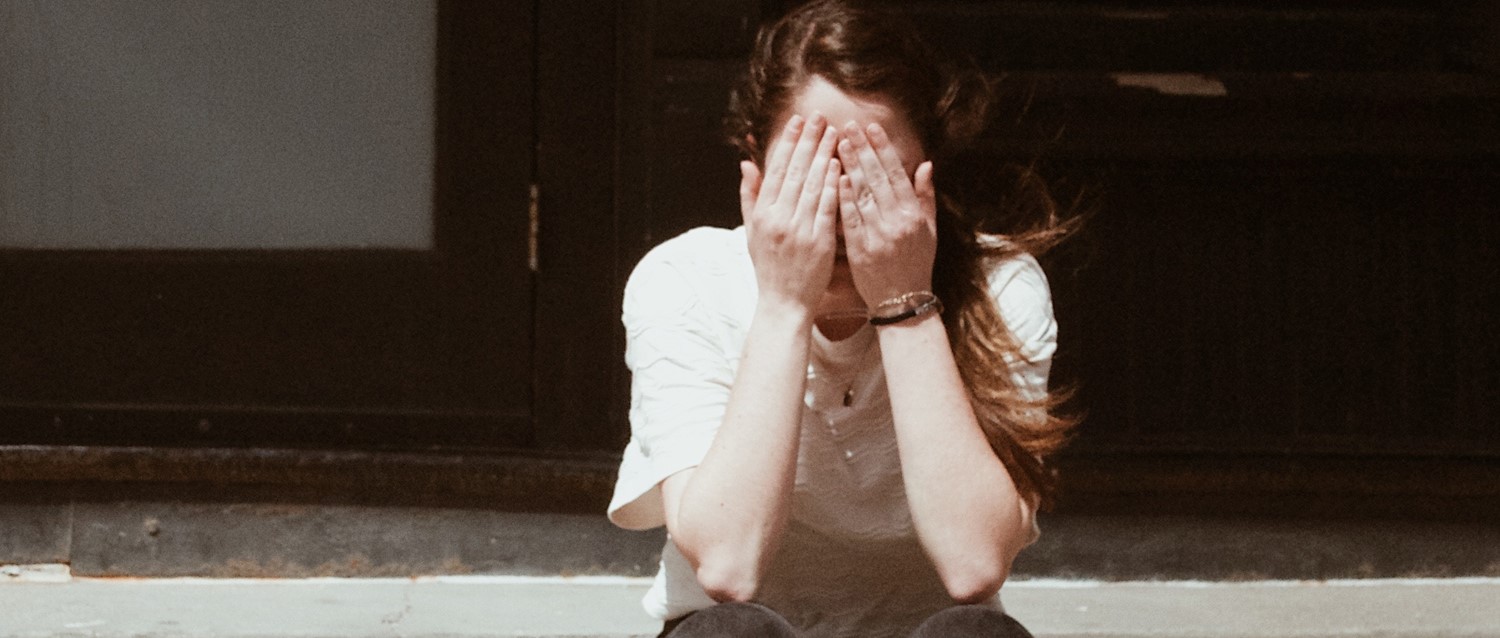
التعامل مع الاكتئاب والقلق الناجمين عن حب الشباب لدى البالغين
مراجعة من قبل الدكتورة سارة جارفيسآخر تحديث بواسطة ليديا سميثآخر تحديث 19 يونيو 2018
يتوافق مع الإرشادات التحريرية
- تنزيلتنزيل
- مشاركة
- Language
- نقاش
- نسخة صوتية
- أضف إلى المصادر المفضلة على جوجل
حب الشباب هو حالة جلدية شائعة يعاني منها الكثير منا في مرحلة ما، خاصة خلال سنوات المراهقة. ولكن بالنسبة لبعض الأشخاص، يستمر حب الشباب حتى في مرحلة البلوغ ويمكن أن يكون له تأثير خطير على الصحة النفسية.

In a world where so much pressure is put on physical appearance, having acne can seriously affect self-esteem and confidence - and in some cases, it can lead to mental health conditions such as القلق و الاكتئاب.
Emma*, 23, has had acne for more than a decade but says her skin deteriorated after she came off حبوب منع الحمل aged 21.
"It's unbearably frustrating to imagine the things I've allowed myself to miss out on as a result of my skin," she says. "I've cancelled dates, missed job interviews, called in sick to work and even avoided spending time with my own family because I feared their judgement. The anxiety, shame and constant emphasis on panicking that people are staring at my spots is relentlessly overwhelming.
"My skin has caused me such sadness throughout my life that I've considered taking my own life on more than one occasion," Emma says.
"It affects everything I do. From not being able to shower at the gym because people will see me without make-up on, to refusing to go on holiday with friends because they’ll have to see me before bed."
Why acne affects mental health
As a visible skin condition, حب الشباب can have a profound impact on الصحة العقلية, confidence and self-worth. In early 2018, research published in the British Journal of Dermatology found patients with acne had an increased risk of developing major depression. A separate مؤسسة الجلد البريطانية study of 2,299 people with acne found more than 20% of respondents reported to have thought about - or attempted - suicide.
Spots are often dismissed as a minor skin condition, but acne can impact all aspects of life, including relationships, friendships and work. A recent survey by the British Association of Dermatologists found 22% of British adults with acne say the condition has negatively impacted their social interactions.
"As an adult with acne, spots continue to evoke shame, embarrassment and feelings of inadequacy," says Dr Anjali Mahto, a consultant dermatologist at Skin55 and the author of The Skincare Bible.
"It also generates anger: I should have grown out of this by now! These are the same sentiments I hear being echoed by my patients in clinic on a daily basis.
“It can be incredibly frustrating when it's back yet again after a round of what you thought was a successful treatment, but the reality is that it is often a condition that requires control rather than being amenable to a permanent cure," Mahto adds.
"حب الشباب is much easier to come to terms with when we realise that our real goal should be to minimise its impacts so that we can get on with life. If it comes back, worry not; there are ways we can deal with it, and we needn't let it hold us back."
The treatment of acne depends on how severe it is - and although it might take a few months to improve, it's important to remember there is help and support out there.
Best skincare for acne
According to Mahto, the right skincare regime with the correct ingredients is the most effective way to manage acne concerns.
"I would advise staying away from using facial oils, cleansers and thick creamy textures in products," she says.
"Stick to light or gel-like formulations. Ideally the product should be labelled as non-comedogenic: whilst this is not a guarantee the product will not make you break out, it is better than a product that is not labelled at all! Look for ingredients such as retinol, salicylic acid, glycolic acid, zinc, tea tree oil, benzoyl peroxide, niacinamide, lactobionic acid and retinyl palmitate."
تغييرات في نمط الحياة
Mahto also recommends following a nutritious diet with lots of whole grains, vegetables and pulses.
"Stress can anecdotally also play a part in aggravating inflammatory skin conditions such as acne," she says. "Learn to de-stress and make sure you get enough sleep and exercise. Participate in activities such as yoga and التأمل if this works for you."
When to see your GP
If your acne is more widespread or severe, your GP can advise what the best treatment is for you. They may recommend topical medications or antibiotics, or a combination of both.
In severe cases, other medication may be prescribed, such as isotretinoin - which is sometimes used when acne is resistant to other treatments. As with all medications, there is a risk of side effects. الأبحاث has linked the medication to areas of the brain associated with depression, so you should tell your GP if you feel depressed or anxious.
Hormonal therapies
Hormonal therapies may help women with acne, particularly if it is exacerbated by periods or conditions such as متلازمة المبيض المتعدد الكيسات.
Your GP may suggest taking the combined oral contraceptive pill, although this can take up to a year to improve acne.
Psychodermatology
Psychodermatology is a field of research which studies the link between emotional issues and skin conditions and provides psychological support - such as العلاج السلوكي المعرفي - alongside dermatological treatments.
Matthew Gass, of the British Association of Dermatologists, explains: "Psychodermatology is the treatment of skin disease using psychological techniques. It is typically used to complement other physical therapies that directly treat the cause or symptoms of skin disease.
"Although different people react differently, acne can make people feel more self-conscious, and socially anxious, and can lower self-esteem and increase social isolation. Psychodermatology techniques can be helpful in managing these feelings and can help us change the way we think about ourselves. For example, when it comes to building self-confidence it is key to start recognising the negative patterns that evoke feelings of doubt, anxiety and shyness.”
You can find out more about accessing support via Psychodermatology UK.
البحث عن الدعم
There are organisations which provide advice and support for people struggling with their mental health because of acne, such as Acne Support, a programme recently launched by the British Association of Dermatologists.
The charity Mind & Skin aims to help raise self-esteem, reduce stress and help manage the psychological aspects of acne.
*Names have been changed.
اختيارات المرضى لـ حب الشباب
صحة الجلد والأظافر والشعر
كيفية التفريق بين حب الشباب ومشاكل الجلد الأخرى
كم مرة استيقظت، نظرت في المرآة وفكرت: "ما الذي غزا وجهي خلال الليل؟". في محاولة يائسة لمحو أي علامات للبقع الحمراء المزعجة، تصل فوراً إلى علاج حب الشباب سريع المفعول وتبدأ في الفرك، فقط لتصاب بخيبة أمل عندما تجد أن تلك البثرة أو الطفح الجلدي الغريب لا يزال يحدق فيك في اليوم التالي.
بقلم سارة ليندبرج
صحة الجلد والأظافر والشعر
8 أسباب لحب الشباب في الظهر
حب الشباب على ظهرك يمكن أن يكون مؤلمًا. كما يمكن أن يجعل الكثير من الناس يشعرون بعدم الثقة والراحة في بشرتهم. لكن تطور حب الشباب على الظهر غالبًا ما يكون خارج عن سيطرتك، على الرغم من وجود بعض العادات التي يمكن أن تثيره. نستكشف الأسباب التي يمكنك ولا يمكنك التحكم فيها، بالإضافة إلى كيفية علاج حب الشباب على الظهر حتى تتمكن من مواصلة حياتك.
بقلم أمبرلي ديفيس
عن المؤلفعرض السيرة الذاتية الكاملة

ليديا سميث
كاتب مميز
بكالوريوس، ماجستير، ماجستير علوم
ليديا سميث صحفية حائزة على جوائز وكاتبة مقالات متميزة كتبت بشكل واسع عن صحة المرأة والصحة النفسية. وهي تدرس حاليًا للحصول على درجة الماجستير في علم النفس.
حول المراجععرض السيرة الذاتية الكاملة

الدكتورة سارة جارفيس
استشاري سريري
MA (Cantab), BM, BCh (Oxon), DRCOG, FRCGP, MBE
بعد التدريب في الطب في كامبريدج وأكسفورد، أصبحت الدكتورة سارة جارفيس حاصلة على وسام الإمبراطورية البريطانية طبيبة عامة.
تاريخ المقال
تمت مراجعة المعلومات الموجودة في هذه الصفحة من قبل أطباء مؤهلين.
المقال متاح أيضًا باللغة الإنجليزية, الألمانية, إسبانية, الفرنسية, إيطالي, البرتغالية, الهندية, العبرية, العربية ,، و السويدية.
19 يونيو 2018 | أحدث إصدار

اسأل، شارك، تواصل.
تصفح المناقشات، اطرح الأسئلة، وشارك التجارب عبر مئات المواضيع الصحية.

هل تشعر بتوعك؟
قم بتقييم أعراضك عبر الإنترنت مجانًا
اشترك في النشرة الإخبارية للمرضى
جرعتك الأسبوعية من النصائح الصحية الواضحة والموثوقة - مكتوبة لمساعدتك على الشعور بالاطلاع والثقة والتحكم.
من خلال الاشتراك، فإنك تقبل سياسة الخصوصية. يمكنك إلغاء الاشتراك في أي وقت. نحن لا نبيع بياناتك أبدًا.
المزيد في صحة الجلد والأظافر والشعر
- 8 أسباب لحب الشباب في الظهر
- هل منتجات العناية بالبشرة تعرضك لخطر حروق الشمس؟
- قلق بشأن شامة؟ احصل على راحة البال مع فحص الشامات عبر الإنترنت
- هل تعزز البروبيوتيك صحة الشعر؟
- هل يساعد زيت بيو أويل في علاج ندوب حب الشباب؟
- جفاف البشرة في الشتاء: ما الذي يمكن أن يفعله الطقس البارد لبشرتك
- كيفية الوقاية من الأكياس الجلدية وتهدئتها: دليل بسيط
- كيفية منع طفلك من الإصابة بالثآليل
- كيفية علاج حروق الشمس في المنزل
- هل الألوة فيرا مفيدة لبشرتك؟
- هل هناك علاقة بين النظام الغذائي وحب الشباب؟
- هل روتين التمارين الرياضية يسبب لك حب الشباب؟
- الحمى القرمزية: نصيحة طبيب
- محدثأفضل الأطعمة والعناصر الغذائية لتناولها من أجل بشرة صحية
- مكونات كريم الندوب التي يجب الانتباه إليها
- ما الذي يسبب الإكزيما المفاجئة لدى البالغين؟
- ما هو التهاب الجلد الفرجى؟
- ماذا تفعل إذا لسعتك قنديل البحر
- ماذا تقول أظافرك عن صحتك
- لماذا يزداد التهاب الجلد الوجهي لدي في الصيف؟