
4 common winter hair conditions - and how to treat them
مراجعة من قبل الدكتور كولين تايدي، MRCGPآخر تحديث بواسطة Lynn Stephenآخر تحديث 18 Nov 2026
يتوافق مع الإرشادات التحريرية
- تنزيلتنزيل
- مشاركة
- Language
- نقاش
- Ask Patient
- نسخة صوتية
- أضف إلى المصادر المفضلة على جوجل
In winter, we're constantly going between the chilly, outdoor weather and indoor, central heating. Both of these can be harsh on our hair, depriving it of the moisture it needs to stay healthy and full.
We asked a hair specialist for tips on preventing the most common winter hair conditions, and explore other possible health issues that could be linked to your hair troubles.
اختيارات الفيديو لـ الشعر وفروة الرأسمكتبة الفيديو
What your hair says about your health
How we feel about our hair is closely bound to our mental wellbeing. People who are happy with their hair tend to have better self-esteem, while those who are stressed can have تساقط الشعر as a result.
Healthy hair that feels hydrated and looks shiny can also tell us that we're absorbing all the water, vitamins, and nutrients we need. For example, if you're dehydrated your body will direct whatever water it has to more critical functions - such as regulating your internal temperature and keeping your joints lubricated - before it can reach your hair.
External factors such as cold winter days can also cause hair and scalp issues.
Anabel Kingsley, Consultant Trichologist at Philip Kingsley, shares the signs of hair damage to look out for and what to do.
How winter affects your hair and scalp
1. Dry hair
If your hair feels dry, it may have a crisp-like straw texture, look less shiny, be more frizzy, or tangle more easily than usual. In winter, this is likely a result of harsh temperatures, including being in rooms that have less moisture in the air due to central heating.
"Dry hair tends to be more porous, meaning it will absorb and lose moisture quickly so that it becomes brittle," says the London-based hair and scalp specialist. "On the other hand, healthy hair will retain moisture, making it elastic and less prone to breakage."
How to treat dry hair
Kingsley's tip: "Drink plenty of water and use a weekly pre-shampoo deep-conditioning treatment to flood moisture back into parched strands, improving hair elasticity."
What else can dry hair mean?
Dry hair could also be a symptom of an underlying health issue that's disrupting your hair's ability to stay hydrated.
تشمل الأمثلة:
قصور الغدة الدرقية - where your thyroid glands don't produce enough thyroid hormones.
قصور الغدة الجار درقية - a condition where the parathyroid glands don't produce enough parathyroid hormone, decreasing the amount of the nutrient calcium in your blood.
Having dry hair alone doesn't often mean there's anything wrong in your body. If you're worried and feel you have other symptoms and not just dry hair, it's worth seeing your doctor.
2. Hair loss
Hair loss - known medically as alopecia - can also increase in the winter for some. It often goes hand in hand with dry hair and a dry scalp, causing breakage and thinning.
"People also tend to shampoo less often in the winter, which can lead to the illusion you are losing more hair than usual, because good scalp hygiene is essential to نمو الشعر," says Kingsley. "A healthy scalp is a clean scalp."
How to treat hair loss
Kingsley's tip: "Try to shampoo frequently to obtain the best scalp conditions for healthy hair growth. Wash every day for fine hair, every other day for medium hair, and no more than three days apart for coarse or coiled hair textures."
What else can hair loss mean?
If you're regularly shampooing and still notice a change in how much hair you're losing, there are some possible medical causes.
تشمل هذه الأشياء:
التوتر - when stress leads to hair loss, this is called telogen effluvium. There are different ways to address your stress, including breathing techniques, therapy, talking to friends, and a healthy diet, and exercise routine.
Nutrient deficiencies - nutrients such as biotin, iron, zinc, and calcium all support healthy hair growth. A healthy diet is the main treatment, and supplement tablets might be recommended by your doctor.
Male pattern baldness and female pattern baldness (androgenic alopecia) - this type of hair loss is caused by genetics, hormones, and ageing.
الثعلبة البقعية - an autoimmune disease where your immune system triggers patches of total hair loss surrounded by your normal hair.
قصور الغدة الدرقية - where your thyroid glands don't produce enough thyroid hormones.
3. A flaky and itchy scalp
"Your scalp is living skin tissue that produces oil, sweats, and sheds skin cells," says Kingsley. "Dandruff and a flaky scalp are more common in the cold, dry temperatures of winter."
In some cases, this causes your scalp to become itchy, and scratching your scalp can damage your hair follicles - which can in turn slow or stop hair growth.
To prevent hair loss, Kingsley recommends treating a flaky scalp as soon as possible.
How to treat a flaky and itchy scalp
Kingsley's tip: "Use a targeted anti-microbial shampoo that helps relieve itching. There are also scalp serums that support long term scalp health by restoring hydration and strengthening the skin barrier."
What else can a flaky and itchy scalp mean?
If your scalp is very itchy, and if it's looking red and sore through your hair, you may have one of the following skin conditions.
An allergic reaction to a hair product - known as allergic contact dermatitis, an itchy and dry scalp could be caused by an ingredient in one of your hair products. For example, if you dye your hair black, an ingredient called para-phenylenediamine (PPD) can sometimes be the cause.
Seborrheic dermatitis - a worse cause of dandruff that affects the scalp. It can also affect oily areas of the body, such as eyebrows and each side of the nose.
قمل الرأس - small insects that live in human hair, causing an itchy scalp.
التهاب الجلد التأتبي - a type of eczema that can develop on your scalp, resulting in redness and scaly, flaky skin. This can feel itchy or like a burning sensation.
Scalp psoriasis - plaque psoriasis is an autoimmune condition that causes thick reddish patches called plaques on your skin, including your scalp.
4. Breakage and split ends
Both the cold outdoor temperatures of winter and the contrasting warmth of heated buildings can cause hair to break and split from the ends.
Kingsley explains that as hair becomes drier and frizzier due to external factors in winter, the chances are your hair might break easily.
"Breakage can lead to split ends, which if not looked after can really damage hair health," she cautions. "They can split further up the hair shaft, causing even more damage."
It can also be tempting in winter to blow-dry your hair with high heat, to help keep yourself warmer. According to the hair specialist, using excessive heat over time can break down the keratin in your hair - an important protein that keeps your hair strong and less prone to breakage.
How to treat damaged hair and split ends
Kingsley's tip: "While it may take a little longer, a low-to-medium heat setting on your hairdryer will give you great styling results, but without dryness, breakage, and split ends. You should also always use a heat protective product and make sure you don't hold your hairdryer right next to your strands.
"To repair existing split ends, I recommend using a bond-building hair product. These restore the chemical bonds that prevent further breakage in hair strands."
What else can breakage and split ends mean?
Split ends and broken hair strands are most likely a sign of damaging hair styling habits. Along with those mentioned above, this could include towel-drying, over-brushing, and not having your hair trimmed enough.
However, like dry hair and hair loss - which is closely linked to breakage and split ends - this can sometimes indicate an underlying health issue, including اضطرابات الغدة الدرقية. For example, hypothyroidism can cause hair to become brittle and prone to breakage.
اختيارات المرضى لـ الشعر وفروة الرأس
صحة الجلد والأظافر والشعر
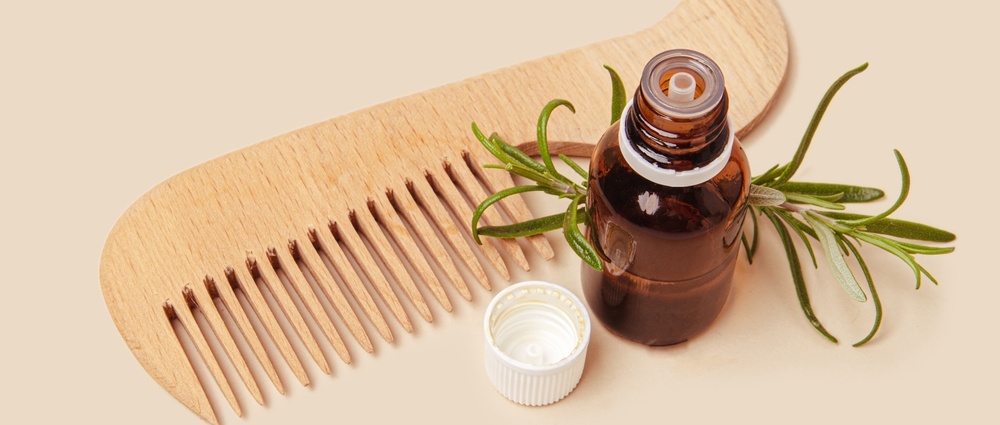
هل يساعد زيت إكليل الجبل بالفعل في نمو الشعر؟
نحن دائمًا نبحث عن أحدث المنتجات الصحية المعجزة - خاصة إذا كانت غير مكلفة ويمكن العثور عليها بسهولة في الشارع الرئيسي. وتيك توك مليء بالادعاءات بأن زيت إكليل الجبل هو علاج لنمو الشعر السريع. ولكن هل هناك أي دليل على أنه يعمل؟
بقلم لين ستيفن

صحة الجلد والأظافر والشعر
لماذا يتحول الشعر إلى اللون الرمادي - وكيف يمكن أن يلعب نمط الحياة دورًا
It’s natural, as you get older, to think about grey hair. While embracing a natural white, silvery, or salt-and-pepper look can be empowering, many people wonder if targeted lifestyle choices can delay it. Whether you’re ready to embrace a new hue, or want to hold onto your natural colour a bit longer, we dive into the science of why hair greys and if it’s actually possible to slow down the clock.
بقلم فيكتوريا راو
عن المؤلفعرض السيرة الذاتية الكاملة
تم التحديث بواسطة

لين ستيفن
مطوّرة محتوى
ماجستير مع مرتبة الشرف
Lynn joined Patient in 2023 and her role includes checking all the professional leaflets, patient information leaflets and medicine leaflets, to ensure consistency of spelling, grammar, reference material and brand style, working with the medical authors and clinical director to coordinate the authoring and peer reviewing of the leaflets.
كتبه

Amberley Davis
كاتب أول
بكالوريوس (مع مرتبة الشرف)، التنمية المهنية المستمرة
أمبرلي كاتبة كبيرة في موقع Patient وقد كتبت بشكل مكثف حول مجموعة من مواضيع الصحة والرفاهية.
حول المراجععرض السيرة الذاتية الكاملة

الدكتور كولين تايدي، MRCGP
طبيب عام، مؤلف طبي
MBBS, MRCGP, MRCP (Paediatrics), DCH
الدكتور كولين تايدي هو طبيب في هيئة الخدمات الصحية الوطنية، ويعمل في أوكسفوردشاير.
تاريخ المقال
المقال متاح أيضًا باللغة الإنجليزية, الألمانية, إسبانية, الفرنسية, إيطالي, البرتغالية, الهندية, العبرية, العربية ,، و السويدية.
Next review due: 18 Nov 2029
18 Nov 2026 | أحدث إصدار
8 Feb 2024 | نُشر في الأصل
كتبه:
Amberley Davis
شارك أفكارك أو تجاربك مع الآخرين في مجتمعات المرضى.
اشترك في النشرة الإخبارية للمرضى
جرعتك الأسبوعية من النصائح الصحية الواضحة والموثوقة - مكتوبة لمساعدتك على الشعور بالاطلاع والثقة والتحكم.
من خلال الاشتراك، فإنك تقبل سياسة الخصوصية. يمكنك إلغاء الاشتراك في أي وقت. نحن لا نبيع بياناتك أبدًا.