
What are the common causes of summer rashes?
Peer reviewed by Dr Colin Tidy, MRCGPLast updated by Lawrence HigginsLast updated 18 Aug 2025
Meets Patient’s editorial guidelines
- DownloadDownload
- Share
- Language
- Discussion
- Audio Version
- Add to preferred sources on Google
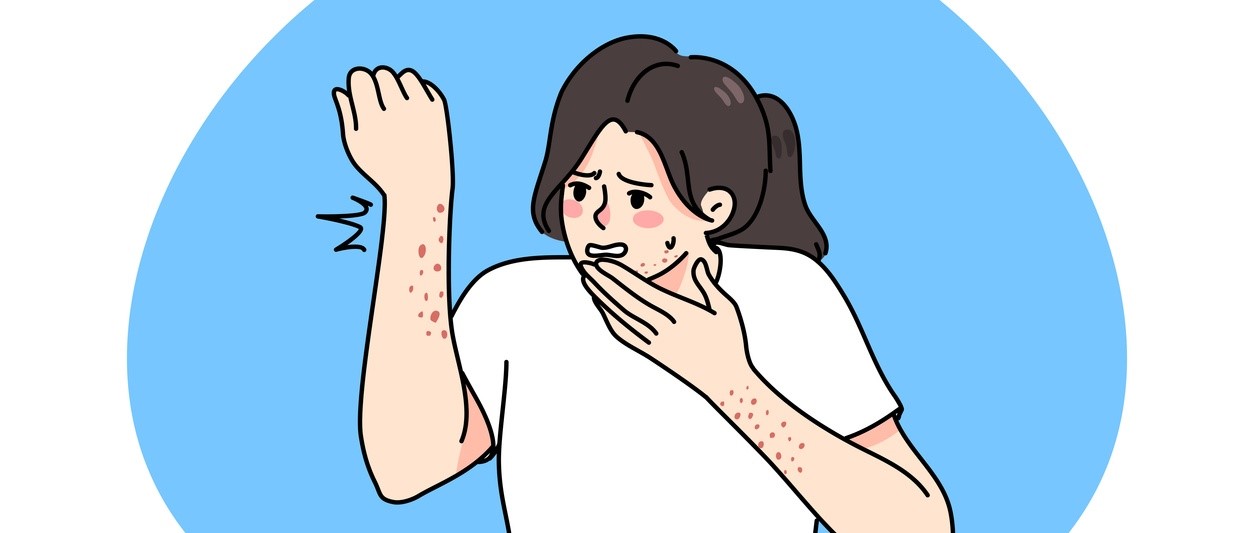
Higher temperatures or sun exposure can sometimes be bad news for skin, resulting in summer rashes. Skin rashes can be more common in hot or humid conditions - particularly heat rash - so if you or your child have a new rash at this time of year there could be a number of different causes.
What causes heat rash?
One of the most common rashes experienced during the warmer months is heat rash - this happens when your skin's sweat glands get blocked, or can be a result of too much sweat due to overheating or physical activity.
"A heat rash happens when the sweat gland pores become blocked and sweat is unable to evaporate from the surface of the skin. This results in red bumps or an itchy skin sensation," explains dermatologist, Dr Zainab.
How to treat heat rash
While heat rash can be itchy and uncomfortable, keeping the skin cool should relieve symptoms and the rash will usually resolve on its own. "Heat rashes are self-limiting and should resolve within 3-4 days," says Zainab. However, if you or your child have a high temperature or chills, or the rash becomes painful, it's a good idea to consult your doctor or pharmacist.
Is the sun good for eczema?
If you or your child already have eczema or psoriasis, sunlight can often help to improve the condition. "Many common inflammatory conditions such as eczema and psoriasis can clear up in the sun," says consultant dermatologist Ophelia Veraitch.
However, overheating or too much sun exposure can cause eczema and psoriasis to flare up, often due to over-sweating. In addition, certain sunscreens may cause a reaction in sensitive skin.
If you or your child have an inflammatory skin condition, enjoy outdoor fun but try to limit direct sun exposure. Speak to your pharmacist about the best sunscreen for your skin.
What is photosensitivity caused by?
Some people have an extreme reaction when their skin is exposed to the sun due to photosensitivity. "Many people have skin sensitivity and skin reactions to sunlight. There are several different skin diseases that can cause these reactions," explains Veraitch. For example, autoimmune diseases such as lupus.
Some skincare products may also make you more susceptible to sun damage - for example, certain anti-ageing creams, or the acne treatment benzoyl peroxide which is usually under the brand name Acnecide.
"One of the key features that helps a dermatologist work out the cause of photosensitivity is how long after being exposed to the sun the skin problem begins. If you have pain or itch within seconds or minutes of exposure to the sun, the reaction could be caused by medicine-induced light sensitivity or hives (solar urticaria). If the itchy rash develops within hours or days of exposure to the sun this could be caused by rarer conditions such as lupus, a light-sensitive eczema or a long term inflammatory skin condition (actinic prurigo)" says Veraitch.
If you're aware that you have a condition that flares up in the sun, extra caution is advised. Wear loose, cotton clothing, seek out the shade and take advice from your pharmacist or doctor about skincare products.
Insect bite reactions
Most insect stings or bites cause inflammation around the bitten area, and can be itchy as they heal. With insects being more prevalent in the summer months, insect bites can be a common cause of summer rashes. This type of reaction can usually be dealt with easily at home, although it may be uncomfortable.
How to treat an insect bite
Keep the affected area clean and apply a cool cloth or ice pack to reduce swelling. Speak to your pharmacist about creams to ease symptoms and help healing. If your skin develops a blister, do not burst this as this may lead to infection.
Bites and stings are usually uncomfortable but not harmful. However, if you are worried about a bite or sting, speak to your pharmacist or call NHS 111 for advice. You should also seek medical attention if you are stung on a sensitive area, such as close to your eye.
Insect bites and stings may sometimes become infected, so if you experience more severe discomfort or swelling, it's important to speak to a healthcare professional.
Allergic reactions to insect bites or stings
Some people have an allergic reaction to an insect bite or sting. The most severe of these is anaphylaxis in reaction to an insect sting - usually a bee or wasp sting in the UK - which can be life-threatening.
Call 999 for an ambulance or get medical help immediately if you or your child have any of these symptoms:
Swelling in the face or throat.
Feeling dizzy.
Breathing problems.
Lose consciousness.
If you do have one anaphylactic reaction to an insect sting, you must try to avoid ever getting stung again. You must also carry an adrenaline auto-injector to treat yourself as soon as you're stung and ensure that you and others know what steps to take in an emergency.
While it can be hard to avoid insects during the summer months, insect repellent may help to prevent bites and stings.
Allergies and plant reactions
If you are allergic to pollen, you may have symptoms such as hay fever. But such allergies can also affect your skin, resulting in summer rashes. If you have allergies, make sure you take any prescribed medicine. If you develop skin irritation, or hay fever symptoms for the first time, speak to your pharmacist for advice.
In addition, "certain plants - for example, poison ivy and poison oak, can make skin more sensitive to sunlight and cause redness, swelling and blisters to develop," explains Zainab.
Wearing gloves for gardening and avoiding contact with any known allergens should help to reduce the instance of allergic reactions.
Patient picks for Skin rashes

Skin, nail and hair health
Common skin complaints: understanding tinea versicolor
If you've noticed a rash of patchy colours develop on your skin, you may have tinea versicolor - which also goes by the name pityriasis versicolor. This common skin condition can happen to anyone, no matter how healthy and fit they are, and can be managed with various treatments.
by Amberley Davis
Skin, nail and hair health
Rise in scabies cases across the UK
The number of people with scabies is around double the expected amount for this time of year. We explain what scabies is, how to spot it, and what to do about it.
by Amberley Davis
About the authorView full bio

Gillian Harvey
Freelance Writer
BA (Hons) English
Gillian is a freelance writer and columnist for a variety of national newspapers and magazines.
About the reviewerView full bio

Dr Colin Tidy, MRCGP
General Practitioner, Medical Author
MBBS, MRCGP, MRCP (Paediatrics), DCH
Dr Colin Tidy is an NHS Doctor, based in Oxfordshire.
Article history
The information on this page is peer reviewed by qualified clinicians.
Article also available in English, German, Spanish, French, Italian, Portuguese, Hindi, Hebrew, Arabic, and Swedish.
Next review due: 18 Aug 2028
18 Aug 2025 | Latest version
6 Jun 2021 | Originally published
Authored by:
Gillian Harvey
Join the conversation
Share your thoughts or experiences with others in our patient communities.

Ask, share, connect.
Browse discussions, ask questions, and share experiences across hundreds of health topics.

Feeling unwell?
Assess your symptoms online for free
Sign up to the Patient newsletter
Your weekly dose of clear, trustworthy health advice - written to help you feel informed, confident and in control.
By subscribing you accept our Privacy Policy. You can unsubscribe at any time. We never sell your data.
More in skin, nail and hair health
- 4 common winter hair problems - and how to treat them
- Can dandruff and an itchy scalp lead to hair loss?
- Could your face mask be causing your acne?
- Do LED face masks really work?
- Does rosemary oil actually help hair grow?
- Dry skin in winter: what cold weather can do to your skin
- Here's how to protect a bald head from the sun
- How to get rid of acne scars: your ultimate guide
- How to manage skin issues at menopause
- How to treat sunburn blisters
- Is there a link between diet and acne?
- Micellar water: skincare benefits and uses
- Neurocosmetics: a brain-changer for your health?
- The 'second puberty': why you might be breaking out in your thirties
- The best foods and nutrients to eat for healthy skin
- Video: How do head lice spread?
- UpdatedWhat is exfoliation, and why is it important?
- What is vulvar dermatitis?
- Why hair turns grey - and how lifestyle may play a role
- Why is my facial eczema worse in summer?