تنظير المنصف
مراجعة من قبل الدكتور كولين تايدي، MRCGPآخر تحديث بواسطة الدكتور لورانس نوتآخر تحديث 17 Feb 2019
يتوافق مع الإرشادات التحريرية
- تنزيلتنزيل
- مشاركة
- Language
- نقاش
- نسخة صوتية
- أضف إلى المصادر المفضلة على جوجل
تنويه بشأن المحتوى
لم تتم مراجعة هذه الصفحة مؤخرًا، لذا ربما تكون بعض المعلومات أو الروابط الخارجية قد تغيّرت.
Mediastinoscopy is a type of 'keyhole' surgery that allows doctors to look inside the chest. It can be used to take samples of body tissue for further testing.
ملاحظة: المعلومات أدناه هي دليل عام فقط. قد تختلف الترتيبات وطريقة إجراء الاختبارات بين المستشفيات المختلفة. دائماً اتبع التعليمات المقدمة من طبيبك أو المستشفى المحلي.
نظرة سريعة
التنظير المنصفي هو جراحة "ثقب المفتاح" لفحص المنصف، وهي منطقة في صدرك.
غالبًا ما يُستخدم لتشخيص وتحديد مراحل سرطان الرئة والحالات الأخرى التي تؤثر على الصدر.
يقوم الجراح بإدخال أنبوب رفيع مزود بكاميرا من خلال شقوق صغيرة لرؤية داخل صدرك.
يمكن أخذ عينات صغيرة من الأنسجة لفحصها بشكل أعمق تحت المجهر.
عادةً ما ستخضع لتخدير عام لهذا الإجراء وقد تشعر بألم في الحلق بعد ذلك.
اتصل بطبيبك إذا شعرت بنزيف، حمى، ألم شديد في الصدر، أو تفاقم بحة الصوت.
What is mediastinoscopy?
Mediastinoscopy involves a small operation to look at an area of the body, called the mediastinum. The mediastinum is part of the chest and contains the heart, gullet (oesophagus), windpipe (trachea) and various nerves. It is the area shown in purple in the image below.
Mediastinum
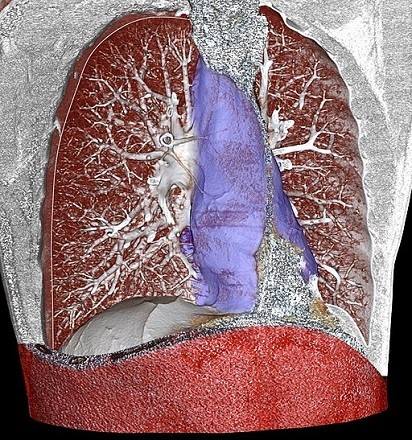
The mediastinum also contains lymph nodes and the thymus. Both of these are part of the immune system and help in fighting infection.
Mediastinoscopy is a type of 'keyhole' surgery where only very small cuts (incisions) are made to the body. It uses a special instrument called a mediastinoscope. This is a thin, tube-like instrument which has a camera built into the end. The 'scope' is inserted into a small incision in the upper chest. This is then linked up to a monitor, allowing the surgeon to see pictures of the chest.
While looking at these pictures, the surgeon may see something which they feel needs investigating further. Using the mediastinoscope they can take very small samples from within the chest. These can then be looked at further under a microscope.
What is mediastinoscopy used for?
The most common reason for mediastinoscopy is as a staging procedure in the diagnosis of non-small cell lung carcinoma. The results obtained from the procedure are very important in tailoring care for the patient.
Other indications for mediastinoscopy include:
The diagnosis and removal of mediastinal masses and enlarged lymph nodes.
Lymphoma, both Hodgkins and non-Hodgkins, can be diagnosed via mediastinoscopy along with الساركويد which has similar appearances on imaging.
A mediastinal mass, such as a thymoma, may be removed using mediastinoscopy, depending on its size.
A sampling of lymph nodes may diagnose infectious processes such as السل و fungal infections.
Benign (non-cancerous) mediastinal cysts can be taken out using mediastinoscopy.
Mediastinoscopy is used in the diagnosis and treatment of ورم الظهارة المتوسطة.
How does mediastinoscopy work?
Before the operation, a small needle will be placed into a vein (usually on the back of the hand) to give you fluids and medication.
Mediastinoscopy is generally done under general anaesthetic, meaning that you will be asleep for the procedure. After you are asleep, a tube (an endotracheal tube - also called an ET tube) will be placed in your throat to help you breathe during the procedure. Your neck and chest will be washed with an antiseptic soap and covered with a sterile drape.
The surgeon may make two or three small cuts (incisions) in the chest wall above the breastbone (sternum). These holes are known as 'ports' and are usually about an inch long. The mediastinoscope is inserted through one hole. The camera in the mediastinoscope feeds video images to a computer screen, allowing the surgeon to see inside the chest.
Your doctor will also insert special surgical instruments through the other ports. He or she will examine the space in your chest between your lungs and heart. Lymph nodes or abnormal tissue samples will be collected and sent to the laboratory for further tests. After the 'scope' is removed from your chest, all these incisions will be closed with a few stitches and covered with a bandage.The entire procedure usually takes about an hour.
What should I do to prepare for mediastinoscopy?
Your doctor should discuss any specific preparation necessary with you before the procedure. Usually there is not much preparation necessary.
ملاحظة: if you take 'blood-thinning' medicines such as warfarin or aspirin, your doctor may ask you to stop taking these for a few days before your operation.
You will also be asked not to eat or drink for a certain length of time before the procedure. Your local hospital will give you information on this.
What can I expect after mediastinoscopy?
Some people may go home after the procedure if the general anaesthesia wears off and they are able to swallow fluids without gagging or choking. Other people may need to stay in hospital for one or two days. If your stitches are not the dissolving type, you will need to return to your doctor to have them removed.
You may have a slightly sore throat - this is normal and usually due to the tube used to help you breathe during the operation. The sites where the cuts (incisions) were made may be sore for a few days after the procedure.
Are there complications after mediastinoscopy?
Most people who have a mediastinoscopy do not develop any complications.
Sometimes the mediastinoscope can temporarily injure a nerve, which may cause hoarseness. This can occasionally be permanent.
In rare cases, bleeding complications might require a transfusion or larger chest surgery. Air leaks from the lung can also occur and occasionally require additional treatment. Usually this involves putting in a drainage tube between your ribs for a few days.
Rarely mediastinoscopy may cause a collapsed lung (استرواح الصدر) or damage to the gullet (oesophagus).
You should contact your doctor if you become unwell after a mediastinoscopy. In particular, if you have any of the following problems:
Bleeding from your stitches.
ارتفاع في درجة الحرارة (حمى).
ألم شديد في الصدر.
Swelling in the neck.
ضيق في التنفس.
صعوبة في البلع.
Hoarseness of your voice that lasts more than a few days or continues to worsen.
Advances in X-ray technology and surgical techniques mean that it may be possible to offer you options which cause less discomfort than mediastinoscopy.
اختيارات المرضى لـ التصوير

الفحوصات والتحقيقات
حقنة الباريوم الشرجية
A barium enema is a test used to help see the outline of the large bowel (colon). Note: the information below is a general guide only. The arrangements, and the way tests are performed, may vary between different hospitals. Always follow the instructions given by your doctor or local hospital.
بقلم الدكتور كولين تايدي، MRCGP

الفحوصات والتحقيقات
فحص PET
A PET scan create images which show where cells are particularly active in the body. It is most commonly used to diagnose and assess cancer. Note: the information below is a general guide only. The arrangements, and the way tests are performed, may vary between different hospitals. Always follow the instructions given by your doctor or local hospital.
بقلم الدكتورة روزالين أدلمان، MRCGP
الأسئلة الشائعة
ما هو المنصف، وما هي الأعضاء الموجودة في هذه المنطقة؟
المنصف هو منطقة محددة داخل الصدر تحتوي على عدة أعضاء حيوية. تشمل هذه الأعضاء القلب والمريء والقصبة الهوائية وعدة أعصاب. كما يحتوي على العقد الليمفاوية والغدة الزعترية، وكلاهما جزءان حيويان من الجهاز المناعي، يساعدان الجسم في مكافحة العدوى.
ما هو الغرض من "المنافذ" في إجراء تنظير المنصف؟
أثناء إجراء تنظير المنصف، يقوم الجراح بعمل شقين أو ثلاثة شقوق صغيرة، تُعرف باسم "المنافذ"، في جدار الصدر فوق عظمة القص مباشرة. عادة ما تكون هذه المنافذ بطول بوصة تقريبًا. يتم إدخال المنظار المنصفي، الذي يحتوي على كاميرا، من خلال أحد هذه الفتحات. ثم يتم إدخال أدوات جراحية خاصة من خلال المنافذ الأخرى، مما يسمح للجراح برؤية داخل الصدر وجمع عينات الأنسجة.
كم من الوقت تستغرق عادةً عملية تنظير المنصف؟
عادةً ما تستغرق عملية تنظير المنصف بالكامل حوالي ساعة لإكمالها.
هل هناك أي تعليمات محددة بخصوص الطعام والشراب قبل إجراء تنظير المنصف؟
نعم، سيُطلب منك الامتناع عن الأكل أو الشرب لفترة معينة قبل الإجراء. سيقدم لك المستشفى المحلي معلومات مفصلة حول تعليمات الصيام هذه.
ما هي بعض العلامات التي يجب أن أتواصل مع طبيبي بعدها بعد إجراء تنظير المنصف؟
يجب عليك الاتصال بطبيبك إذا واجهت أيًا من المشاكل التالية بعد إجراء تنظير المنصف: نزيف من الغرز، ارتفاع في درجة الحرارة (حمى)، ألم شديد في الصدر، تورم في الرقبة، ضيق في التنفس، صعوبة في البلع، أو بحة في الصوت تستمر لأكثر من بضعة أيام أو تزداد سوءًا.
قراءة إضافية ومراجع
- McNally PA, Arthur ME; Mediastinoscopy. StatPearls Publishing. 2018.
- Onat S, Ates G, Avci A, et al; The role of mediastinoscopy in the diagnosis of non-lung cancer diseases. Ther Clin Risk Manag. 2017 Jul 27;13:939-943. doi: 10.2147/TCRM.S144393. eCollection 2017.
عن المؤلفعرض السيرة الذاتية الكاملة
تم التحديث بواسطة
الدكتور لورانس نوت
طبيب عام، مؤلف طبي
بكالوريوس (مع مرتبة الشرف) في الكيمياء الحيوية، بكالوريوس الطب والجراحة
الدكتور لورانس نوت تأهل في عام 1973 ولديه خبرة واسعة كطبيب عام.
حول المراجععرض السيرة الذاتية الكاملة

الدكتور كولين تايدي، MRCGP
طبيب عام، مؤلف طبي
MBBS, MRCGP, MRCP (Paediatrics), DCH
الدكتور كولين تايدي هو طبيب في هيئة الخدمات الصحية الوطنية، ويعمل في أوكسفوردشاير.
تاريخ المقال
المقال متاح أيضًا باللغة الإنجليزية, الألمانية, إسبانية, الفرنسية, إيطالي, البرتغالية, الهندية, العبرية, العربية ,، و السويدية.
17 Feb 2019 | أحدث إصدار
انضم إلى المحادثة
شارك أفكارك أو تجاربك مع الآخرين في مجتمعات المرضى.

اسأل، شارك، تواصل.
تصفح المناقشات، اطرح الأسئلة، وشارك التجارب عبر مئات المواضيع الصحية.

هل تشعر بتوعك؟
قم بتقييم أعراضك عبر الإنترنت مجانًا
اشترك في النشرة الإخبارية للمرضى
جرعتك الأسبوعية من النصائح الصحية الواضحة والموثوقة - مكتوبة لمساعدتك على الشعور بالاطلاع والثقة والتحكم.
من خلال الاشتراك، فإنك تقبل سياسة الخصوصية. يمكنك إلغاء الاشتراك في أي وقت. نحن لا نبيع بياناتك أبدًا.