Hormone replacement therapy (HRT)
HRT
Peer reviewed by Dr Philippa Vincent, MRCGPLast updated by Dr Toni Hazell, FRCGPLast updated 16 Jan 2025
Meets Patient’s editorial guidelines
- DownloadDownload
- Share
- Language
- Discussion
- Audio Version
- Add to preferred sources on Google
In this series:MenopauseVaginal drynessAlternatives to HRT for menopause symptomsPremature ovarian insufficiencyGreene Menopause Scale
Many women experience menopausal symptoms that affect their quality of life. Hormone replacement therapy (HRT) is the most effective form of treatment. See the separate leaflet called Menopause, for more information about menopausal symptoms.
Everyone who goes through the menopause is of the female sex, and so the words woman/women and the pronouns she/her are used in this leaflet. Some people going through the menopause will have a gender identity that differs from their sex, that is, they will be non-binary or trans men - this is discussed later in the leaflet.
At a glance
Hormone replacement therapy (HRT) replaces oestrogen that ovaries no longer produce after menopause.
HRT treats menopausal symptoms like hot flushes, night sweats, and vaginal dryness.
It can be taken as patches, tablets, gels, or sprays.
Oestrogen-only HRT is for women who have had a hysterectomy or use a specific intrauterine device.
Combined HRT contains oestrogen and progestogen, reducing the risk of womb cancer.
HRT may slightly increase the risk of blood clots and breast cancer, depending on the type and duration.
See your doctor if you experience abnormal vaginal bleeding after starting HRT.
Sign up for our free 10-week Menopause course!
Each week, we'll explore different topics to help you better understand and navigate your menopausal journey, including HRT, diet, exercise, and mental health.
By subscribing you accept our Privacy Policy. You can unsubscribe at any time. We never sell your data.
What is hormone replacement therapy?
All types of HRT contain an oestrogen hormone. If you take HRT it replaces the oestrogen that your ovaries no longer make after the menopause. Some types contain a progestogen hormone as well.
However, if you just take oestrogen then the lining of your womb (uterus) builds up, increasing the risk of developing cancer of the womb (endometrial cancer). Therefore, the oestrogen in HRT is usually combined with a progestogen hormone.
The risk of cancer of your womb is significantly reduced by adding in the progestogen. In many HRT products, the oestrogen and progestogen are combined in the same patch or tablet; however, they can also be taken separately. If you have had a hysterectomy or have a 52mg contraceptive intrauterine system fitted (Mirena®, Benilexa® or Levosert®), you do not need a progestogen.
An option to ease symptoms just in the vaginal area is to use a cream, vaginal tablet (pessary), or vaginal ring that contains oestrogen. See the separate leaflet called Vaginal dryness (Atrophic vaginitis). These can also be used with HRT.
Trans men and people who are non-binary may need help with their menopause, but this is more complex because they will not usually want to take anything containing oestrogen. A menopause specialist may be consulted, or the GP may use other treatments for symptoms, such as some medicines also used for depression, which have been shown to work for hot flushes. Vaginal oestrogen can usually be used in this group, as very little is absorbed into the body.
What are the signs that you need hormone replacement therapy?
HRT is prescribed to treat symptoms of the menopause. It can have some other health benefits, but is not usually started for these, if there are no symptoms.
Types of HRT
Different women prefer different methods of taking HRT. The options include: patches, tablets and topical gel or spray (applied to the skin) . Patches and gels or sprays are increasingly popular forms of HRT, and many women find them convenient to use.
Unlike tablets, patches and gel do not increase your risk of blood clots. Your doctor or practice nurse can give you information about the pros and cons of the different types of HRT.
Cyclical combined HRT
If you start HRT when you are still having periods, or have just finished periods, you will normally be advised to use 'cyclical combined HRT' (also known as 'sequential HRT'):
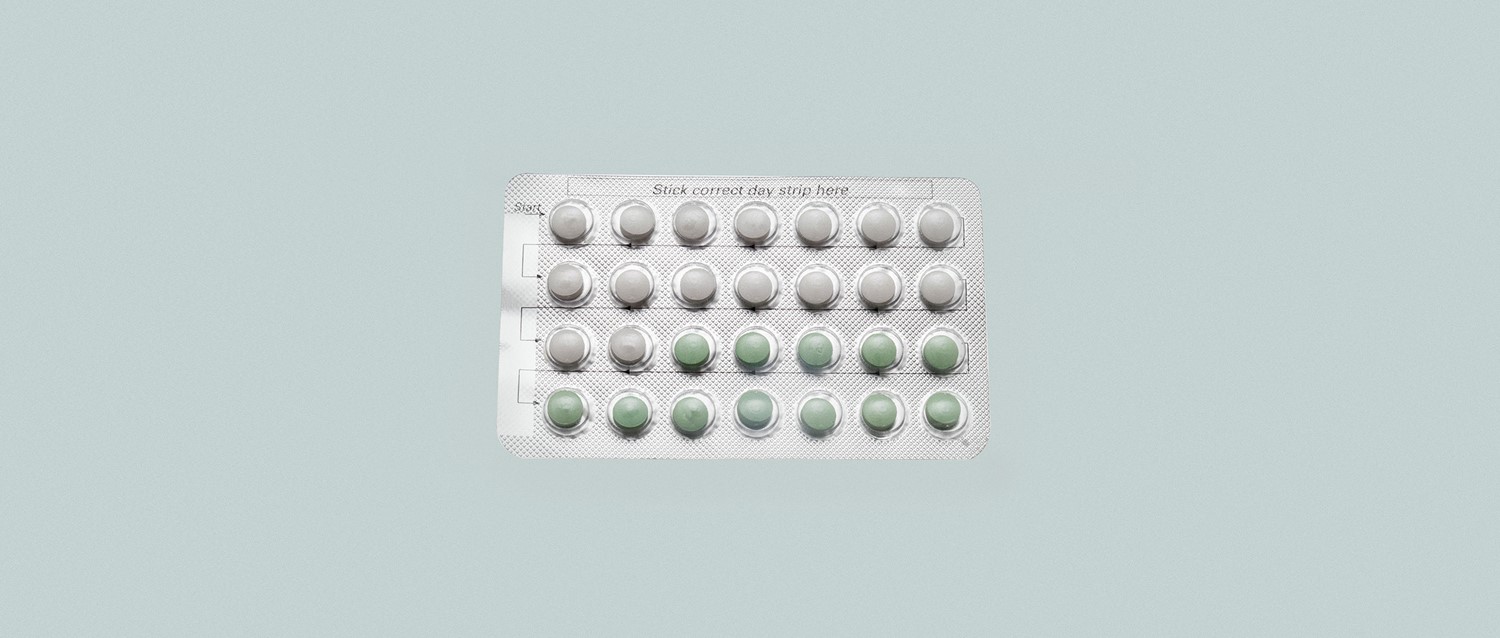
Monthly cyclical HRT - you take oestrogen every day but progestogen is added in for 14 days of each 28-day treatment cycle. This causes a regular bleed every 28 days, similar to a light period. (They are not 'true' periods, as HRT does not cause ovulation or restore fertility. The progestogen causes the lining of your womb to build up. This is then shed as a 'withdrawal' bleed every 28 days when the progestogen part is stopped.) Monthly cyclical HRT is normally advised for women who have menopausal symptoms but are still having regular periods.
You may switch to a continuous combined HRT (see below) if:
You have been taking cyclical combined HRT for at least one year; or
It has been at least one year since your last menstrual period.
You should not take cyclical combined HRT for more than five years without switching to continuous combined HRT.
Continuous combined HRT
If your periods have stopped for a year or more, you are considered to be postmenopausal. If this is the case, you will normally be advised to take a 'continuous combined HRT preparation'.
This means that you take both an oestrogen and a progestogen every day. You may have some irregular bleeding in the first 3-6 months after starting this form of HRT. You should see your doctor if this bleeding is very heavy, or if it continues for more than six months after starting HRT, or if you suddenly develop bleeding after some months with no bleeding.
Oestrogen HRT
If you have had a hysterectomy, you will usually need to take HRT that contains oestrogen only. The progestogen is only added in to other types of HRT so that the lining of the womb does not build up and increase your risk of developing cancer of the womb. So, if your womb has been totally removed, progestogen is not needed. However, if the hysterectomy was for endometriosis or was sub-total then both hormones might be needed – talk to your GP to check if needed.
If you have a 52mg levonorgestrel intrauterine-device (LNG-IUD) for contraception, you will only need to take HRT that contains oestrogen. This is because a LNG-IUD already contains enough progestogen to stop the lining of your womb from building up. See the separate leaflet called Levonorgestrel intrauterine device (LNG-IUD) for more information. Note that there are several types of LNG-IUD available which can be used for contraception and heavy periods but only those with 52mg of progestogen (Mirena®,Levosert® and Benilexa®) are used for menopause hormone replacement.
Vaginal oestrogen cream and other topical preparations
For vaginal dryness (atrophic vaginitis) or bladder symptoms, you may choose to try a vaginal oestrogen cream or a pessary to help your symptoms.
This alone may be enough to relieve symptoms in some women who would prefer this option or who cannot take other forms of HRT for some reason.
Vaginal oestrogen creams can also be used in addition to other forms of HRT, if required to improve symptoms. They are now available to buy from pharmacies.
Some women who have had breast cancer may be able to use vaginal oestrogen, but this depends on the type of cancer that you had and the medication that you are taking for it. Your GP would probably want to communicate with your cancer specialist before thinking about prescribing it, and they may want to refer to a menopause specialist for this decision to be made.
Testosterone
Testosterone gel is sometimes prescribed to menopausal women who complain of low sexual desire if HRT alone is not effective. This is not a licensed usage, meaning this medication is not formally approved or regulated for this use. Testosterone for menopausal women is usually only prescribed on the advice of a specialist or by a GP with a particular interest in management of the menopause.
Advantages of hormone replacement therapy
HRT is a safe and effective treatment option for most healthy women with symptoms, who are going through the menopause at the average age in the UK (about 51 years). The risks and benefits of HRT will vary according to your age and any other health problems you may have. Your doctor will be able to discuss any potential risks of HRT with you in detail, and help you to weigh up the benefits and risks.
Menopausal symptoms usually improve
This can make a big difference to quality of life in some women:
HRT works to stop hot flushes (also known as 'hot flashes') and night sweats - this is the case whether the initial symptoms were mild, or were moderate to severe.
HRT will reverse many of the changes around the vagina and vulva. This means that HRT can:
Improve symptoms of vaginal dryness.
Improve discomfort during sexual intercourse as a result of this vaginal dryness.
Help to reduce recurrent urine infections.
Improve any increased frequency of passing urine.
There is some evidence that HRT itself can improve your mood and your sleep.
HRT may also help to reduce joint aches and pains and it may improve muscle strength.
HRT improves sexual function and libido in many women.
Many women notice that the texture of their hair and skin improves when taking HRT.
Reduced risk of 'thinning' of the bones (osteoporosis)
Women who take HRT have a reduced risk of osteoporosis or bone loss and their risk of having fractures due to osteoporosis is also reduced. Prevention of osteoporosis continues the longer you take HRT.
How long does HRT take to work?
HRT works within a few weeks to improve hot flushes and night sweats. It takes 1-3 months to reverse many of the changes to the vagina and vulva but it may take up to one year to notice the full benefit here.
Most doctors will recommend a trial of HRT for three months to see if it helps. If it does not they may recommend a change of dose or changing to a different type of HRT.
Can you take HRT for the rest of your life?
There is no limit on how long you can take HRT, although some risks increase the longer you take it for (for example, breast cancer). Most women stop taking it after a few years, when their menopausal symptoms resolve.
When stopping, HRT is often reduced gradually rather than stopping suddenly. This may limit recurrence of symptoms in the short term but makes no difference in the long term.
Side-effects of hormone replacement therapy for menopause
Side-effects with HRT are uncommon. They may include the following:
Sickness (nausea). In the first few weeks some women develop a slight feeling of:
Sickness (nausea).
Mild headache
Some breast discomfort.
Leg cramps. These tend to go within a few months if you continue to use HRT.
Skin irritation. HRT skin patches and gels occasionally cause irritation of the skin
Headaches. Some women have migraine headaches when they take HRT. This is usually reduced by using patches or gel rather than taking tablets.
Most people do not experience side-effects with HRT use. However, a change to a different brand or type of HRT may help if side-effects occur. Various oestrogens and progestogens are used in the different brands. If you have a side-effect with one brand, it may not occur with a different one. Changing the delivery method of HRT (for example, from a tablet to a patch) may also help if you have side-effects.
HRT risks
There has been a lot of media attention to the risks of taking HRT. HRT can increase your risk of developing certain problems but this increase in risk is very small in most cases. In general, the benefits will outweigh the risks for most women who start in the first 10 years after their menopause. The risks include:
Clots in the veins (venous thromboembolism)
This is a blood clot that can cause a deep vein thrombosis (DVT). In some cases the clot may travel to your lung and cause a pulmonary embolism (PE). Together, DVT and PE are known as venous thromboembolism.
Women who take combined HRT as tablets have an increased risk of developing a clot. You are more likely to develop a clot if you have other risk factors for a clot. These include being obese, having a clot in the past and being a smoker.
This increased risk of clots is not present for women who use patches or gel at standard doses rather than HRT tablets. Note: you should see a doctor urgently if you develop a red, swollen or painful leg, or have shortness of breath and/or sharp pains in your chest.
Risk of breast cancer
The most recent research suggests that the risk of breast cancer is increased for all women taking HRT. However, this risk is much lower than previously thought.
The increased risk depends on the type of HRT you take and how long you take it for. For example, for women starting HRT at age 50 and taking it for five years, an extra one woman will be diagnosed with breast cancer between age 50 and 69 years for every:
50 women taking continuous combined HRT.
70 women taking combined monthly cyclical HRT.
200 women taking oestrogen-only HRT.
Women who have taken HRT are at some increased risk of developing breast cancer for at least 10 years after stopping. The risk is also increased in women in their 40s taking HRT, but in real terms this risk is lower because fewer women develop breast cancer at this age. Current guidance is to offer HRT to all women going through early menopause (before age 45) because HRT helps to protect against osteoporosis in this group.
Of note, oestrogen‑only HRT (that is, without any progestogen) causes little or no change in the risk of breast cancer.
The November 2024 update of the National Institute for Health and Care Excellence (NICE) guidance on the menopause has a useful discussion aid which sets out the risks in both words and pictures - a link to it is in the further reading section of this leaflet.
Cancer of the womb
There is an increased risk of womb (uterine) cancer due to the oestrogen part of HRT. However, by taking combined HRT containing oestrogen and progestogen, this risk reduces completely.
You should always see your doctor if you have any abnormal vaginal bleeding which develops after starting HRT. For example, heavy bleeding, irregular bleeding, or bleeding after having sex.
Heart disease
There is no increased risk of heart disease when HRT is started in women under the age of 60. There may be a small increased risk of heart disease when HRT is started in older women (over 60) or those who already have some form of heart disease.
Stroke
HRT tablets (but not patches or gels) slightly increase the risk of stroke. However, it is important to remember that the risk of stroke in women under 60 is very low.
Dementia
There is a very small increase in risk for those who start HRT after the age of 65 - this is relatively unusual in the UK, where most women start it earlier.
Does HRT cause weight gain?
There is no evidence that HRT causes weight gain. Many women notice some weight gain during the menopause but this happens whether they take HRT or not.
Patient picks for General medicine information
Treatment and medication
Alternatives to HRT for menopause symptoms
The menopause can cause various symptoms such as hot flushes and changes to your vagina and genital skin. While some women will wish to take hormone replacement therapy (HRT) to relieve their symptoms, others will prefer to consider HRT alternatives. Hormone replacement therapy may not be suitable or safe for everyone.
by Dr Hayley Willacy, FRCGP

Treatment and medication
Cannabis-based medicinal products
Since a change in the law in 2018, some cannabis-based medicines have been available on prescription in the UK. However, there is only evidence of benefit for treating a small number of conditions. Many cannabis-based products are also available to buy online, without a prescription, but the quality and content of these products is not known. Some of these products are illegal in the UK. Products such as CBD oil and hemp oil are available to buy as food supplements from health stores. There is no guarantee these provide any health benefits.
by Dr Rosalyn Adleman, MRCGP
Frequently asked questions
Does continuous HRT affect ovulation?
No, HRT does not cause ovulation or restore fertility. The progestogen in continuous combined HRT is taken every day along with oestrogen, and this regimen does not stimulate ovulation.
Can I use HRT if I am a trans man or non-binary person?
Trans men and non-binary individuals may require assistance with menopause symptoms. However, since non-oestrogen options are usually preferred, a menopause specialist or GP might use alternative treatments, such as certain medications for depression that can alleviate hot flushes. Vaginal oestrogen is generally suitable in these cases because very little is absorbed into the body.
Can I use general HRT if I have an IUD?
If you have a 52mg levonorgestrel intrauterine-device (LNG-IUD), such as Mirena®, Levosert®, or Benilexa®, you will likely only need to take HRT that contains oestrogen. This specific type of LNG-IUD provides enough progestogen to prevent the uterine lining from thickening, so additional progestogen in your HRT is not necessary.
Further reading and references
- Menopause: diagnosis and management; NICE Guideline (November 2015 - last updated November 2024)
- Contraception for Women Aged over 40 Years; Faculty of Sexual and Reproductive Healthcare (2017 - amended July 2023)
- Type and timing of HRT and breast cancer risk; The Lancet, August 2019
- HRT - Guide; British Menopause Society (2020)
- HRT and breast cancer risk; British Menopause Society (2020)
- HRT and the likelihood of some medical conditions A discussion aid; NICE, 2024
About the authorView full bio

Dr Jacqueline Payne, FRCGP
General Practitioner, Medical Author
MB, BS, DFFP, DRCOG, FRCGP
Jacqueline was a GP in Kendal, Cumbria for 25 years, where she trained young GPs for the RCGP and was an Instructing Doctor for the FSRH.
About the reviewerView full bio

Dr Philippa Vincent, MRCGP
General Practitioner, Medical Author
MB BS, Bsc, MRCGP (2000), DCH, DFSRH, DRCOG
Dr Philippa Vincent is an NHS GP working in North London.
Article history
The information on this page is written and peer reviewed by qualified clinicians.
Article also available in English, German, Spanish, French, Italian, Portuguese, Hindi, Hebrew, Arabic, and Swedish.
Next review due: 15 Jan 2028
16 Jan 2025 | Latest version
2 Nov 2017 | Originally published
Authored by:
Dr Jacqueline Payne, FRCGP
Join the conversation
Share your thoughts or experiences with others in our patient communities.

Ask, share, connect.
Browse discussions, ask questions, and share experiences across hundreds of health topics.

Feeling unwell?
Assess your symptoms online for free
Sign up to the Patient newsletter
Your weekly dose of clear, trustworthy health advice - written to help you feel informed, confident and in control.
By subscribing you accept our Privacy Policy. You can unsubscribe at any time. We never sell your data.
More in treatment and medication
- Antipsychotic medicines
- Audiology
- Calcium channel blockers
- Colposcopy and cervical treatments
- Complementary and alternative medicine
- Contact lenses
- Coronary angioplasty
- Cuts
- Epilepsy medication and side-effects
- Free or reduced cost prescriptions
- Hepatitis B vaccine
- Jellyfish sting
- Medical cannabis in palliative care
- NHS talking therapies - self referral
- Nicotine replacement therapy
- Polio and polio vaccine
- Proton pump inhibitors
- Refer yourself to NHS stop smoking services
- Use of oxygen therapy in COPD
- Yellow fever vaccine