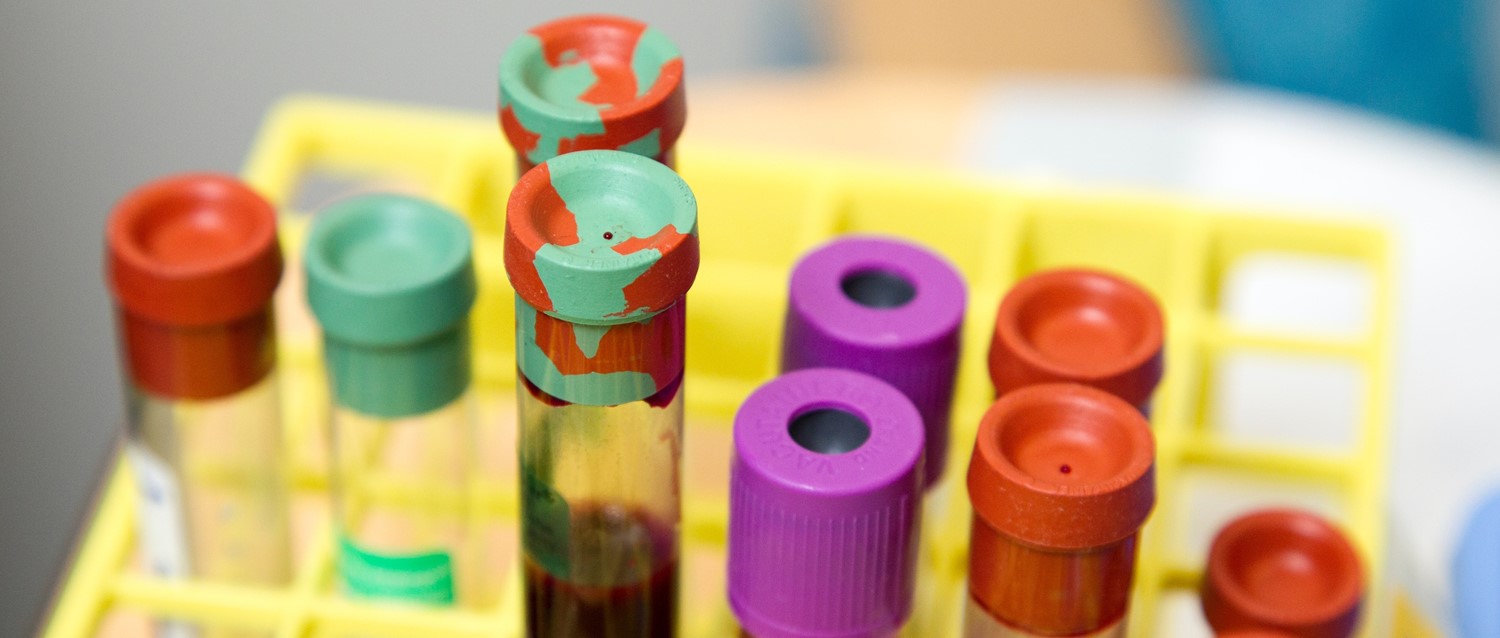
كيفية التغلب على الخوف من اختبارات الدم
مراجعة من قبل الدكتورة سارة جارفيسآخر تحديث بواسطة جيليان هارفيآخر تحديث 24 Aug 2020
يتوافق مع الإرشادات التحريرية
- تنزيلتنزيل
- مشاركة
- Language
- نقاش
- نسخة صوتية
- أضف إلى المصادر المفضلة على جوجل
تُعتبر اختبارات الدم أداة تشخيصية رائعة، حيث تقدم معلومات حيوية للأطباء حول حالة صحة المريض. ولكن بالنسبة للكثير منا، فإن فكرة سحب الدم من الذراع يمكن أن تثير الذعر. إذا كنت تشعر بالتوتر بشأن اختبار وشيك، جرب نصائحنا لإدارة الإجراء.

Be open
If you're someone who generally takes life in your stride, you might feel a little embarrassed to admit that you're بالقلق about a فحص دم. But many people feel nervous when they have blood taken. "It's natural to feel a little anxious about a medical procedure of any kind," agrees Dr Kate Mason of Roots Psychology Group. "Being open and honest about that - with others and yourself - can help you to feel better."
Eat breakfast (if allowed)
If your blood test doesn't involve fasting (check with your healthcare professional) then it can be helpful to have a healthy breakfast/meal before your appointment (depending on the time of day). "When we’re anxious, it can affect our appetite," says Mason. "But having something to eat can stabilise blood sugar and help us to feel stronger."
Having something to eat immediately after the test (especially if you've been fasting) can also be helpful.
Locate your fear
Although many of us are worried about blood tests, we're not all anxious for the same reasons. For some, it's a worry about whether the procedure will hurt. For others, it might be a fear of fainting, or nerves that rise up during the wait beforehand. Other people might be nervous about the reason for the test and what their result may mean.
In order to manage your anxiety, it's important to identify where your fear stems from - once you've highlighted what's driving this, you can manage your reaction more effectively. For example, if you're concerned about pain, you may wish to ask for a product to numb the area beforehand.
Manage the wait
If you're feeling nervous about a procedure, managing the wait is very important. "You find with many people that their anxiety is worse before a test rather than when it's actually taking place," agrees Mason. "If you're likely to have to wait, think about how to manage that time. Take a book, or find an interesting article to read on your phone to take your mind off the test itself."
If you're particularly worried, it's also worth asking someone to come with you. They will be able to offer support and distraction as you wait for your name to be called. "Having someone at your side can really help you to feel supported," agrees Mason. "Explain to your friend beforehand how you are feeling and what support you might find helpful."
Manage your physical reaction
If you're concerned about إغماء, you can take steps to minimise the risk of this. "Some people are worried that they'll panic so much that they’ll pass out," says Mason. "But panicking tends to raise our blood pressure, and it's low blood pressure that would cause us to faint. Understanding this physiology can be helpful."
It's also helpful to mention at your appointment if you're worried about or prone to fainting or feeling wobbly. "The nurse or phlebotomist will be able to take blood with you lying in a more reclined position if you're worried about dizziness or passing out," Mason advises. "It's worth raising the issue with them - they will be used to patients feeling this way."
Speak to the clinician
Phlebotomists and nurses will have seen it all - and witnessed many different reactions to blood tests. Don't be afraid to mention your misgivings - they will be able to put your mind at rest. "If you let the nurse or phlebotomist know how you're feeling, they'll be able to take that into account and offer reassurance or support," says Mason.
It's also worth thinking how you're going to manage the moment when blood is taken. "Some people find counting is helpful - after all, a blood test doesn't tend to take very long," says Mason. "Or you may wish to look in the other direction and scroll on your phone. Distraction can be a useful way of coping with anxiety and nervousness."
Tips from a nurse
Nurse and Midwife Laura Mudie has her own advice for those nervous about an impending blood test.
"Being nervous about a blood test is very common - both in children and adults. In some people this can become a real phobia," she says. "If you feel this way, it's important to speak to the practitioner taking your blood as they will be able to help."
"Tell the nurse or phlebotomist how you're feeling - they will be able to take a little more time to make sure you're OK. They may be able to use a smaller needle, and make an effort to distract you during the test."
If you have a severe phobia, or the blood test is for a younger person, there are also products available that can numb the site. If you feel that this may help you, it's worth talking with your GP when they refer you for the test, or asking a pharmacist beforehand.
اختيارات المرضى لـ الرهاب والمخاوف

الصحة النفسية
كيفية التغلب على الخوف من الطيران
ما لا يقل عن 1 من كل 10 أشخاص يعانون من الخوف من الطيران - وتشير بعض الدراسات إلى أن هذه النسبة أعلى بكثير. يُعتبر الخوف من الطيران، الذي يُطلق عليه أيضًا قلق الطيران، رسميًا كاضطراب قلق. يُعرف هذا لدى الأطباء باسم رهاب الطيران، أو أحيانًا رهاب الطيران في الولايات المتحدة. هنا، نشارك المحفزات والنصائح العملية والدعم الذي يمكنك الحصول عليه لمساعدتك في جعل رحلتك القادمة تسير بسلاسة قدر الإمكان.
بقلم أمبرلي ديفيس

الصحة النفسية
رهاب البحر: كيفية التغلب على خوفك من المحيط
معظم الناس لديهم بعض الخوف من المحيط - وهو غريزة بقاء طبيعية ضد المجهول تمنعك من القفز من سفينة على بعد عدة أميال من الشاطئ. ولكن بالنسبة للأشخاص الذين يعانون من رهاب البحر، فإن هذا الخوف عميق لدرجة أنه يؤثر على جودة حياتهم.
بقلم أمبرلي ديفيس
عن المؤلفعرض السيرة الذاتية الكاملة
جيليان هارفي
كاتب مستقل
بكالوريوس (مع مرتبة الشرف) في اللغة الإنجليزية
جيليان كاتبة مستقلة وكاتبة عمود لعدد من الصحف والمجلات الوطنية.
حول المراجععرض السيرة الذاتية الكاملة

الدكتورة سارة جارفيس
استشاري سريري
MA (Cantab), BM, BCh (Oxon), DRCOG, FRCGP, MBE
بعد التدريب في الطب في كامبريدج وأكسفورد، أصبحت الدكتورة سارة جارفيس حاصلة على وسام الإمبراطورية البريطانية طبيبة عامة.
تاريخ المقال
تمت مراجعة المعلومات الموجودة في هذه الصفحة من قبل أطباء مؤهلين.
المقال متاح أيضًا باللغة الإنجليزية, الألمانية, إسبانية, الفرنسية, إيطالي, البرتغالية, الهندية, العبرية, العربية ,، و السويدية.
24 Aug 2020 | أحدث إصدار

اسأل، شارك، تواصل.
تصفح المناقشات، اطرح الأسئلة، وشارك التجارب عبر مئات المواضيع الصحية.

هل تشعر بتوعك؟
قم بتقييم أعراضك عبر الإنترنت مجانًا
اشترك في النشرة الإخبارية للمرضى
جرعتك الأسبوعية من النصائح الصحية الواضحة والموثوقة - مكتوبة لمساعدتك على الشعور بالاطلاع والثقة والتحكم.
من خلال الاشتراك، فإنك تقبل سياسة الخصوصية. يمكنك إلغاء الاشتراك في أي وقت. نحن لا نبيع بياناتك أبدًا.
المزيد في الصحة النفسية
- Are men or women less likely to get help for depression?
- هل يتم تجاهل مشاكل الصحة النفسية لدى الأمهات الجدد؟
- الإيجابية تجاه الجسد: 7 عادات يومية لحب الذات والقبول في أي عمر
- بناء حدود صحية لبداية جديدة في العام الجديد
- هل تساعد العطلات في التخفيف من الاكتئاب أم تزيده سوءًا؟
- هل تعمل المكملات الغذائية لعلاج الاكتئاب؟
- كيف يؤثر فقدان الكثير من الوزن على صحتك النفسية؟
- كيفية خفض مستويات الكورتيزول: 10 طرق مثبتة
- كيفية دعم شخص أثناء نوبة هلع
- كيفية دعم شخص يعاني من الاكتئاب
- أكثر من مجرد ترفيه: جيني واي. تشانغ عن الدراما الكورية والصحة النفسية
- جديدمتلازمة بيرسون: كيف تعلمت عائلة واحدة العيش في الحاضر
- إعادة صياغة الشعور بالوحدة خلال فترة عطلة عيد الميلاد
- ما هو زيت CBD وهل يعمل؟
- ما هو الاكتئاب بعد انقطاع الطمث؟
- ما الذي يفعله العمل الإضافي بصحتك حقًا
- لماذا يمكن أن تجعلك المكالمات الفيديوية تشعر بالقلق والإرهاق
- العمل، الراحة، التكرار: كيفية كسر دورة الإرهاق
- ليس من الضروري أن تكون ناقص الوزن لتصاب باضطراب في الأكل
- الشباب الذين يسعون للحصول على دعم الصحة النفسية يُجبرون على التعامل بمفردهم