What's the difference between osteoarthritis and rheumatoid arthritis?
Peer reviewed by Dr Krishna Vakharia, MRCGPAuthored by Amberley DavisOriginally published 6 Apr 2023
Meets Patient’s editorial guidelines
- DownloadDownload
- Share
- Language
- Discussion
- Audio Version
- Add to preferred sources on Google
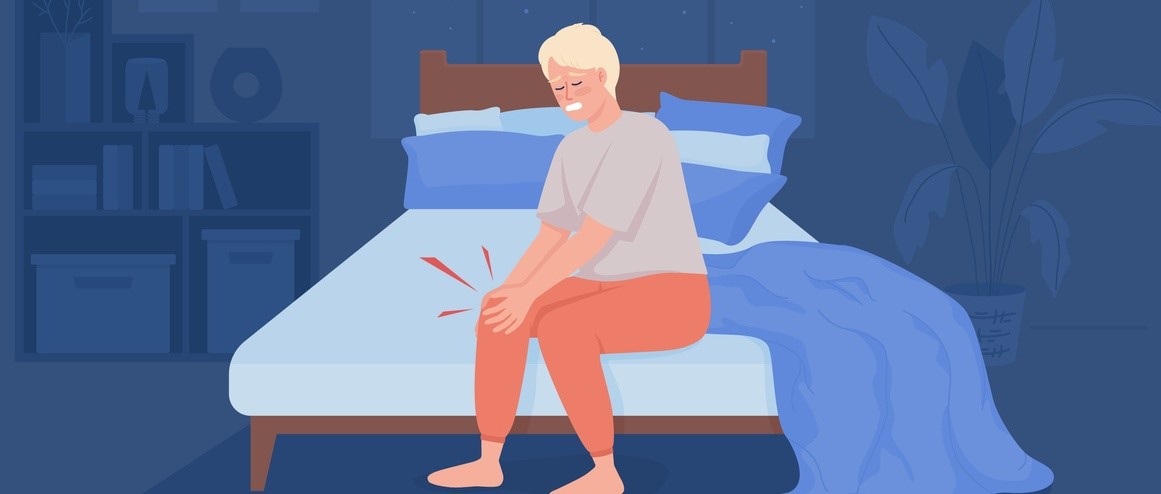
The most common types of arthritis are osteoarthritis and rheumatoid arthritis. The former is caused by wear and tear of your joints, while the latter is an autoimmune disease that affects otherwise healthy joints. How can you tell them apart?
Forms of arthritis
Around 10 million UK adults are limited by the effects of arthritis in their day-to-day lives1. Arthritis means inflammation of a joint. Your joints allow movement where two bones meet - including your fingers, elbows, knees, and hips - and so arthritis affects how you move, alongside other symptoms.
With more than 100 types of arthritis in existence, knowing how to spot the difference can help get you the right diagnosis and treatment.
The most common types of arthritis are:
Rheumatoid arthritis (RA) and Osteoarthritis (OA) are the two most common forms of arthritis2. However, osteoarthritis is the most common by a long way, affecting around ten times as many people as rheumatoid arthritis.
The difference between osteoarthritis and rheumatoid arthritis
OA and RA may both cause joint pain, but they have many different characteristics. Here's how to tell them apart.
What's the cause?
OA: caused by wear and tear of joints.
The joining bones in your joints are coated in protective cartilage and a fluid called synovium which allows these bones to move together. In osteoarthritis, the movement between your bones wears these substances down over time. This gradually makes joints more painful and difficult to move.
RA: when your immune system attacks healthy tissue in your joints.
Your immune system mistakenly attacks the healthy synovium fluid that coats your joints. This causes inflammation in your joints, which can eventually lead to permanent damage, pain, and difficulty with movement.
Where in the body?
OA: usually affects one set of joints. It often begins on one side of your body but can spread to the other side. Osteoarthritis can affect any of your joints, but is most common in the ones that get used the most, such as your:
Knees.
Hips.
Hands.
Fingers and thumbs.
Lower spine.
RA: usually affects joints that are parallel on both sides of your body and the smaller joints, such as those in your hands or your feet. Like osteoarthritis, any joint can be affected, but rheumatoid arthritis is most common in your:
Fingers and thumbs.
Wrists.
Ankles.
Feet.
RA may also affect your internal organs, including your:
Heart.
Liver.
Eyes.
What are the symptoms?
Symptoms in your joints:
OA | RA |
Develop gradually, usually over years. | Develop quite quickly, usually over weeks or months. |
Tend to begin on one side of your body in just one set of joints - but they may also spread to the other side. | Tend to be evenly matched on both sides of your body - for example, in both hands or both feet. |
Painful joints. | Painful joints. |
Tenderness in the joints. | Tenderness in the joints. |
Stiffness in the joints - usually lasts less than one hour in the morning and returns at the end of the day or after activity. | Stiffness in the joints - usually lasts more than one hour in the morning and returns at the end of the day or after a long period of rest. |
Little to no swelling. | Swollen and red joints. |
In osteoarthritis, there are no other symptoms outside of the joints. However, with rheumatoid arthritis, you may also experience other symptoms, including:
Small painless lumps - usually over your forearms and elbows.
Feeling tired all the time.
A general feeling of being ill.
A high temperature (fever).
Unexplained weight loss.
Muscle aches and pains.
What genetic and environmental factors?
OA is linked to:
Joint injury or overuse.
Age - most often develops in people over 50 years old, although secondary osteoarthritis, which is brought on by injury or damage, can occur in younger people.
Sex - women are more likely to develop OA than men.
Body weight - excess weight puts more stress on your joints, especially weight-bearing joints like your knees and hips.
Genetics - having a family history of OA may make it more likely to develop it, although the risk is low.
RA is linked to:
Never giving birth or never breastfeeding - puts women at greater risk than women who have.
Smoking.
Age - most often develops in people between 30 and 50 years old, but can affect people at any age.
Sex - women are more likely to develop RA than men.
Body weight - being obese increases your risk of RA.
Genetics - there's evidence that RA can run in families.
How is it managed?
There is no cure for osteoarthritis or rheumatoid arthritis, so treatment for both aims to ease symptoms, make daily life more manageable, and prevent further joint damage where possible.
OA: Several lifestyle changes and therapies can help to improve symptoms. These include: regular physical activity that's gentle on joints, muscle-strengthening exercises to support joints, healthy weight loss, physiotherapy, prescription medications, over-the-counter pain relief drugs, and supportive equipment such as canes or crutches. If these treatments don’t make enough of a difference, your doctor may recommend surgery to replace your joints with artificial ones.
RA: special medications - called disease-modifying antirheumatic drugs (DMARDs) and biological response modifiers - may help slow the disease and prevent further joint damage. In addition to these drugs, people with rheumatoid arthritis can also self-manage their symptoms using many of the same therapies for osteoarthritis. Of these, healthy weight loss and regular, joint-protecting exercise are the most important.
Further reading
Patient picks for Arthritis

Bones, joints and muscles
The best exercises to try if you have arthritis
While embarking on an exercise programme can seem daunting for anyone, that may ring particularly true for people with arthritis. If you’re living with fatigue, pain and stiffness, you may be scared that physical activity will exacerbate your symptoms or damage your joints. However, establishing an appropriate exercise routine is actually one of the best things you can do. It can help you manage your pain better, boost your energy levels, lessen fatigue and improve psychological well-being. On top of this, it can help you achieve and maintain a healthy weight, putting less strain on your joints.
by Abi Millar
Bones, joints and muscles
What it's really like to live with gout
Nobody knows what a condition really feels like unless they experience it themself. This applies to the medical profession as much as anyone else, with the added bonus that doctors who have 'got the T-shirt' are in a good position to empathise with other members of the Gout Club. Here is the story of my life with gout, some advice from experts, and a look towards the future.
by Dr Laurence Knott
About the authorView full bio

Amberley Davis
Senior writer
BA (Hons), CPD
Amberley is a senior writer with Patient and has written extensively on a range of health and wellbeing topics.
About the reviewerView full bio

Dr Krishna Vakharia, MRCGP
Chief Medical Officer for Health, Optum UK
MBChB, MRCGP(2013), BMedSci (hons), DFSRH, DRCOG, PGDipDerm (Distn)
Dr Krishna Vakharia is an NHS GP. She is also a regular examiner for the postgraduate Diploma in Practical Dermatology at Cardiff University as well as being the Chief Medical Officer for health at Optum UK.
Article history
The information on this page is peer reviewed by qualified clinicians.
Article also available in English, German, Spanish, French, Italian, Portuguese, Hindi, Hebrew, Arabic, and Swedish.
6 Apr 2023 | Originally published
Authored by:
Amberley DavisPeer reviewed by
Dr Krishna Vakharia, MRCGP
Join the conversation
Share your thoughts or experiences with others in our patient communities.

Ask, share, connect.
Browse discussions, ask questions, and share experiences across hundreds of health topics.

Feeling unwell?
Assess your symptoms online for free
Sign up to the Patient newsletter
Your weekly dose of clear, trustworthy health advice - written to help you feel informed, confident and in control.
By subscribing you accept our Privacy Policy. You can unsubscribe at any time. We never sell your data.
More in bones, joints and muscles
- Are joint pain supplements worth your money?
- Back pain: is it stress or an injury?
- Can creatine supplements help build muscle?
- How to get back pain under control
- How to protect your joints as you get older
- How to relieve sciatica pain
- Is running bad for your knees?
- Knee pain that won’t go away: When is it time to get a scan?
- Natural remedies for joint pain relief
- Recovering from a sports injury
- The best exercises for back pain
- The best exercises to try if you have arthritis
- What are the best exercises for osteoporosis?
- What foods are good for arthritis?
- What is hypermobility syndrome?
- What it's like to have muscle dysmorphic disorder
- When to worry about back pain
- Which sports are the worst for your health?
- Why head injuries in sport need to be taken more seriously