COVID-19: Can lockdowns change our personalities?
Peer reviewed by Dr Sarah JarvisLast updated by Lydia SmithLast updated 22 Dec 2021
Meets Patient’s editorial guidelines
- DownloadDownload
- Share
- Language
- Discussion
- Audio Version
- Add to preferred sources on Google
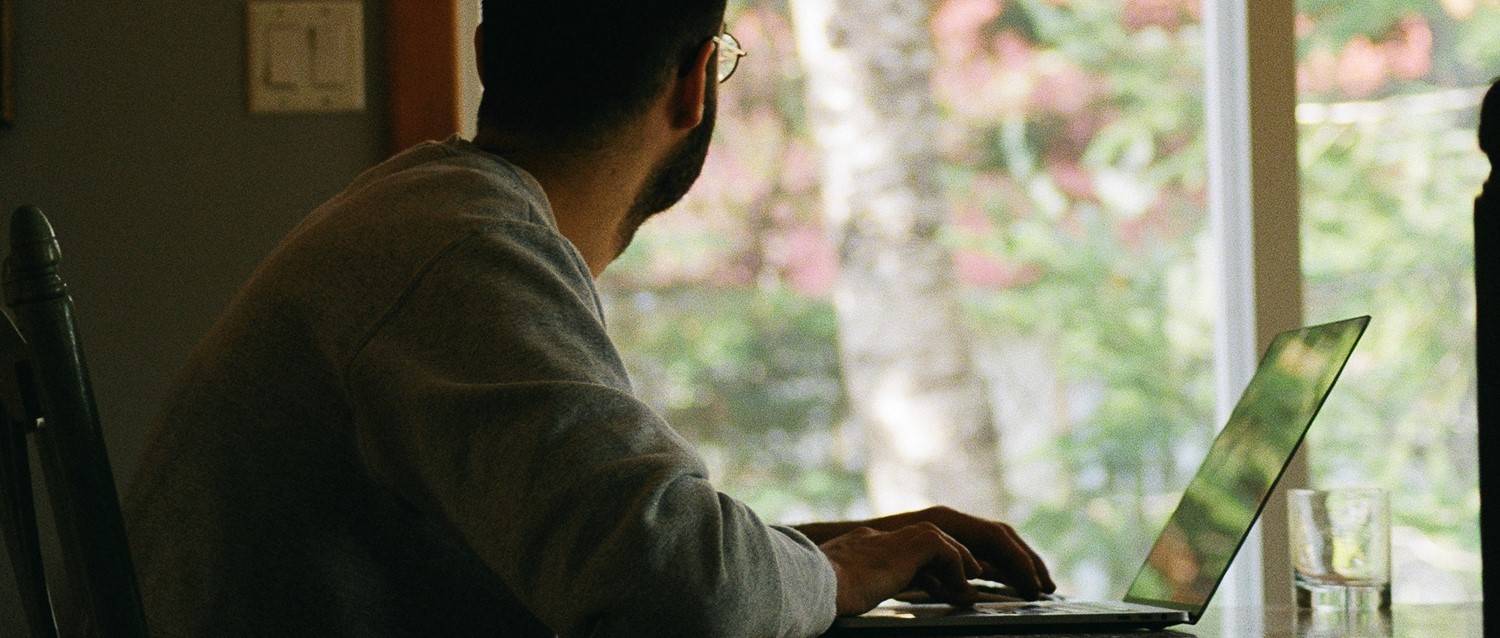
Nearly two years after the COVID-19 outbreak was declared a global pandemic, the Omicron variant is spreading like wildfire across the UK. To help curb the rate of infections and ease the strain on hospitals, further restrictions may be introduced, including a lockdown. While this may be a necessary measure, it will undoubtedly be difficult for many people. But can lockdowns have a longer-term impact on how we think and act?
Our personalities are formed by a combination of different factors, from our life experiences to our genetic inheritance. "Personality is the combination of our ongoing habits, our behaviours, our thoughts and our emotions. It is the basis of our identity. It is how we perceive the world and the world perceives us," says Alejandra Sarmiento, a transpersonal psychotherapist at the mental health clinic The Soke.
"Our personality traits, although relatively fixed, are continuously evolving throughout our life. Sometimes these changes are predictable and obvious - for example, during the challenging teenage years. What is clear is that when major life events occur, our personalities are imprinted upon, often leading to a shift within."
Research suggests our personalities are more malleable than we might think. In 1960, psychologists surveyed more than 440,000 school students about various aspects of their characters, including their emotional reactions to situations and how conscientious they were.
Fifty years later, researchers tracked down 1,952 of these former students and asked them the same questions. The results showed they had undergone significant personality changes, as they scored far higher than they had as teenagers on questions measuring calmness, self-confidence and social sensitivity.
Although research suggests big life experiences such as childbirth and bereavements don't always cause personality change, there appears to be an exception for events that impact our mental health. Arguably, lockdowns - and more widely the pandemic - may be one of these events. One study published in September 2021 found that prolonged social isolation during the first UK lockdown was linked with important changes in people's thought patterns.
Why lockdowns may affect our personalities
In early 2020, COVID-19 restrictions forced people to stay home alone, blocking ordinary daily activities for months. This, in combination with fears over the spreading virus and its impact on loved ones, had a serious psychological impact on many people - leading to stress, depression, insomnia and irritability.
Research has suggested that these prolonged problems and feelings may have affected our personalities. In particular, people may have experienced changes to the 'big five' personality characteristics of emotional stability (also referred to as neuroticism), extraversion, openness, agreeableness and conscientiousness.
Anecdotally, many people found themselves feeling more introverted as a result of lockdown or more anxious about their health.
"With lockdown, most of us were abruptly forced to leave our routines. In reality, this equates to an unexpected exile from our comfort zones, forcing us to pause and reset," says Sarmiento. "In other words, these forced changes in our routines translate to modifications in our behaviour and, over time, adjustments to our personality as we settle into our individual new normal."
Ultimately, although many of us struggle to remember a time before COVID-19, it will take a long time before the psychological impact of the pandemic is fully known.
The unequal impact of lockdowns
"What makes this process all the more complex is the reality that although lockdowns have affected us all, they have not affected us all equally," says Sarmiento. "Social atrophy, job losses, bereavement, illness, isolation, financial stress, fear and confusion have been the experience for many.
"For others, lockdown has been a welcome pause from the dreaded commute," she adds. "It has also led to freedom that has allowed for an exploration of new hobbies, old cookbooks and aimless walks in the fresh air."
For some people, the pandemic has allowed them to re-evaluate what they find important. For example, workaholics may now spend more time with their families.
"Our appreciation for the fragility of life has allowed us to consciously decide what matters most and how we want to show up in the world," explains Sarmiento. "Perhaps we no longer need to go out every weekend. Perhaps we now want to go out every weekend. Perhaps we no longer recognise ourselves as we fill our voids with our true values."
How to protect your well-being during a lockdown
Short-term lockdowns, such as the two-week 'circuit breaker' currently proposed by the UK Government as a potential measure, are unlikely to have a long-term impact on our personalities. However, this doesn't mean they can't cause stress, or anxiety or affect our mood. Even a short lockdown can affect people's work and income, as well as leading to feelings of loneliness.
"As more restrictions loom in the wake of Omicron, we may feel ourselves fall into a sense of lassitude," says Sarmiento. "We have been here before but, although we may be more prepared, we are also more exhausted. We are simply more vulnerable. It is important to remember that physical isolation does not have to equate to emotional loneliness."
There are various steps we can take to help protect our mental health amid the ongoing pandemic. Firstly, it's important to reach out to others and talk about how we feel. Even if we can't meet in person, we have many ways to stay in contact, from video calls to WhatsApp.
"Connection is a healer. We must take that walk, so that we do not stagnate. We must be kind and gentle with ourselves and others," Sarmiento adds. "We must remember that fears and feelings are not facts and that, when all is said and done, this too shall pass."
Patient picks for Pandemic articles
COVID-19
Has the pandemic had an impact on child obesity?
There have been numerous reports of obesity levels in children rising following the pandemic. New data show that two fifths of children aged 10-11 in England are overweight, which Diabetes UK says is "hugely concerning". While it will, undoubtedly, take some time to understand the true impact of COVID-19 on children's mental and physical health, we can explore some of the ways their weight and eating habits have been affected.
by Emily Jane Bashforth
COVID-19
How to maintain a healthy lifestyle during lockdown
COVID-19 has made some remarkable changes to our lifestyles. To cope with these sudden changes, many of us turned to our cupboards and ate and drank more while sitting at home. One year later, these habits have resulted in many of us feeling less fit than we were before the pandemic.
by Karine Patel, RD
About the authorView full bio

Lydia Smith
Feature writer
BA, MA, MSc
Lydia Smith is an award-winning journalist and feature writer who has written extensively on women's health and mental health. She is currently studying for an MSc in psychology.
About the reviewerView full bio

Dr Sarah Jarvis
Clinical Consultant
MA (Cantab), BM, BCh (Oxon), DRCOG, FRCGP, MBE
After training in medicine at Cambridge and Oxford, Dr Sarah Jarvis MBE became a GP.
Article history
The information on this page is peer reviewed by qualified clinicians.
Article also available in English, German, Spanish, French, Italian, Portuguese, Hindi, Hebrew, Arabic, and Swedish.
22 Dec 2021 | Latest version
22 Dec 2021 | Originally published
Join the conversation
Share your thoughts or experiences with others in our patient communities.

Ask, share, connect.
Browse discussions, ask questions, and share experiences across hundreds of health topics.

Feeling unwell?
Assess your symptoms online for free
Sign up to the Patient newsletter
Your weekly dose of clear, trustworthy health advice - written to help you feel informed, confident and in control.
By subscribing you accept our Privacy Policy. You can unsubscribe at any time. We never sell your data.
More in cOVID-19
- 19th July: staying safe as COVID-19 restrictions ease
- Bad posture: how to defeat the 'COVID slump'
- COVID-19 - coping with loneliness this Christmas
- COVID-19 coronavirus: how to exercise at home
- COVID-19: How contagious is Omicron?
- Has the pandemic had an impact on child obesity?
- How to help your child adjust to a post-COVID world
- May lockdown easing: what are the new restrictions?
- Not quite 'back to normal': a guide to post-pandemic family healing
- Tips for restarting your exercise routine after lockdown
- Tips to help your kids get used to face masks and coverings
- What are the differences between colds, flu and COVID-19?
- Why are women so vulnerable to COVID-19 in pregnancy?
- Why lockdown is making us feel exhausted