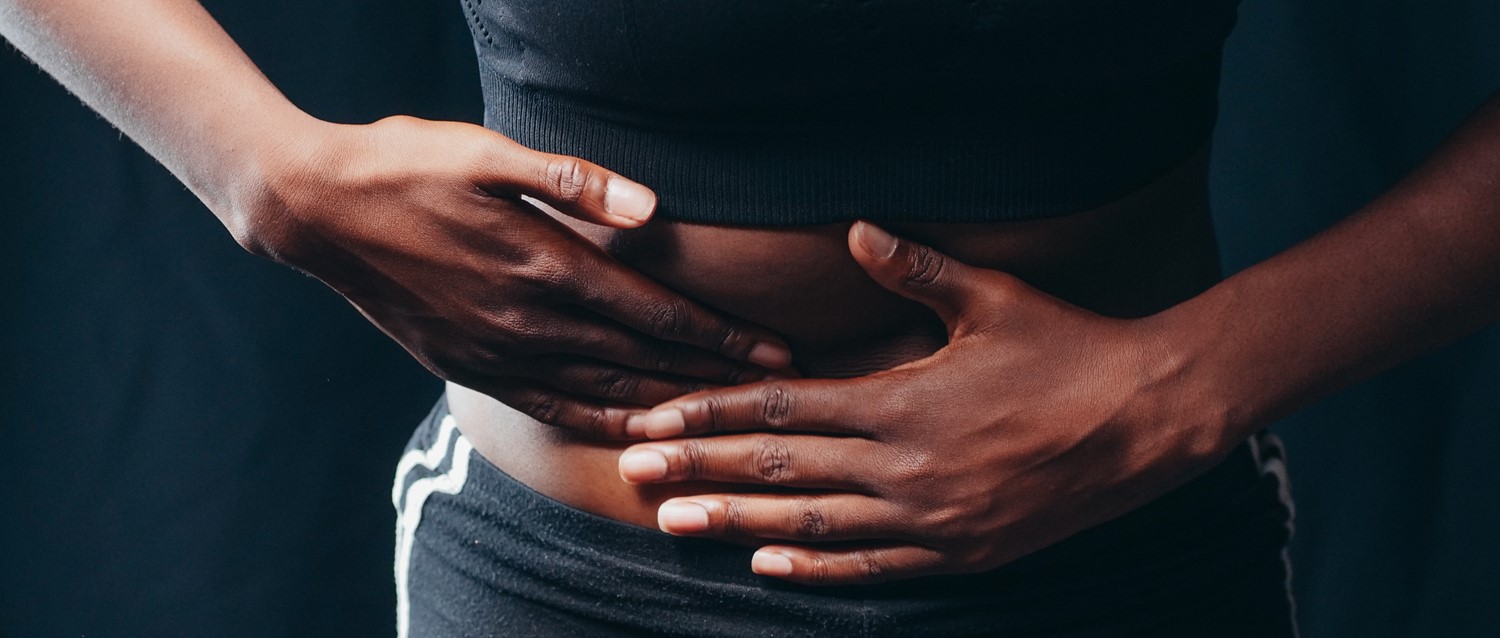
What is small intestinal bacterial overgrowth (SIBO)?
Peer reviewed by Dr Krishna Vakharia, MRCGPAuthored by Amberley DavisOriginally published 9 Sept 2022
Meets Patient’s editorial guidelines
- DownloadDownload
- Share
- Language
- Discussion
- Audio Version
- Add to preferred sources on Google
SIBO (small intestinal bacterial overgrowth) is a common gut condition that's often confused with irritable bowel syndrome (IBS). What are the symptoms of SIBO and how is it treated?
What is SIBO?
Small intestinal bacterial overgrowth (SIBO) is thought to affect up to one in seven of us1, yet it remains a poorly understood condition of the gut that is often confused with irritable bowel syndrome (IBS).
"SIBO is the presence of excessive numbers of bacteria in the small bowel (small intestine), causing gastrointestinal symptoms that can occur if the bowel is slow to empty or if there is an obstruction," explains Dr Hana Patel, private GP, and mental health coach.
"These bacteria, called coliforms, are typically found in the colon. They break down carbohydrates which in turn produces an excess of gas."
What causes SIBO?
This overgrowth of bacteria in the bowel happens as a direct result of food and other waste products moving through the digestive tract at a slower rate than normal.
Usually, this is a consequence of surgery or a particular disease damaging the tubes and organs involved in digestion and their immunity from toxins. The result is that the digestive system becomes the perfect breeding ground for bacteria.
Several risk factors have been identified for SIBO:
Bowel surgery such as small bowel resection.
Stomach (abdominal) surgery - such as gastric bypass.
Inflammatory diseases of the bowel - such as IBS and diverticulosis.
Diabetes - a problem with the way our body metabolises sugar that can cause inflammation in the gut.
Connective tissue disorders - such as fibromyalgia and rheumatoid arthritis.
Drugs - such as anti-diarrhoea agents, narcotic painkillers, and proton pump inhibitors taken to reduce stomach acid.
However, sometimes SIBO occurs in healthy people with no disease, surgery, or other circumstances that might explain why their digestive system isn't functioning properly.
What are the symptoms of SIBO?
The symptoms of SIBO can range from the uncomfortable and unpleasant, to longer-term serious health concerns2.
Patel describes some of the common symptoms that may come and go:
Severe symptoms of SIBO include:
Malabsorption (difficulty absorbing nutrients) and resultant nutritional deficiencies.
SIBO is a relapsing condition, meaning that symptoms can disappear for periods of time. These can range from days to months and even years at a time.
5 Common SIBO symptom FAQs
Can SIBO cause dehydration?
With SIBO, the build-up of bacteria in your small intestine interferes with the absorption of nutrients and minerals. This can cause dehydration and you may experience a dry mouth, so it's important to drink lots of water throughout the day.
Can SIBO cause food intolerances?
Yes, in fact, SIBO is one of the most common reasons for having food intolerances. This is because SIBO damages the cells in your intestinal wall, allowing more bacteria, food particles, and toxins to pass into your bloodstream.
This then triggers your immune system to attack these food particles, resulting in food sensitivity symptoms such as stomach pain, gas, bloating, diarrhoea, and skin rashes. Common food intolerances caused by SIBO include reactions to dairy, eggs, wheat, gluten, corn, and soy3.
Does SIBO cause bad breath?
Yes, this can be true for some people. The extra bacteria break down food in your gut, producing the gases hydrogen and methane. This is why people with small intestinal bacterial overgrowth experience bloating, excessive flatulence, and frequent burping. If the excess gas escapes your body through your mouth, this may cause bad breath.
Can SIBO cause breathing problems?
If gas enters the large intestine, it can build up and place pressure on the sides of your ribs. This may lead to discomfort or pain as your diaphragm and ribcage expand and contract as you breathe. In severe cases, pressure on your diaphragm can lead to shortness of breath, and even heart pain.
Can SIBO get into skin?
It's true that SIBO can affect your skin. According to one study4, people with acne were 10 times more likely to have SIBO compared to those with no acne. There is also evidence that people with rosacea are also more likely to have SIBO as well as other gut disorders like IBS5.
So, what's the link between stomach issues and your skin? 70% of your immune system can be found in your gut. SIBO compromises your immune system because your body is unable to take in adequate nutrients, and this can lead to skin complaints. SIBO can also trigger inflammation all over your body. Acne is your body's immune system reaction to this inflammation.
How to test for SIBO
As SIBO is not well understood, the diagnosis and treatment of this condition rely heavily on the clinical judgement of your doctor. For many years, lots of people with SIBO may have been misdiagnosed with IBS.
"The symptoms of SIBO are similar to those caused by other conditions such as IBS, coeliac disease, and bowel infections," says Patel. "A doctor will try to exclude these first before considering a diagnosis of SIBO."
Adding to the confusion is the fact that a large group of people suffer with both IBS and SIBO. In fact, up to 80% of those with IBS may also have SIBO6.
As such, if you believe that you may have SIBO it's important to ask your doctor to test for it specifically: "To test for SIBO, you can be referred for a test at the hospital. The test involves measuring how much hydrogen is produced by these bacteria over a period of time. There will be more found in patients who have bacterial overgrowth - the hallmark of SIBO," advises Patel.
How to treat SIBO
According to Patel, the doctor will first see if there are any reasons why the bowel may be slow in movement - for example, anti-reflux medications such as lansoprazole or omeprazole.
Treating SIBO then usually involves a 1- to 2-week course of antibiotics. These can be very effective, but relapses are common. After treatment, it's possible that your symptoms can disappear for many months or even years before returning. In this case, your doctor may choose to prescribe the same antibiotics again.
Unfortunately for some people, antibiotics are less effective. If symptoms restart within a few days or weeks of stopping antibiotics, you may need to take 2-3 different antibiotics at a low dose every two weeks in order to prevent your body from developing a resistance to the medication7.
Several other at-home treatments and lifestyle habits have been explored for the prevention and management of SIBO:
Taking probiotic supplements - these contain 'good gut bacteria' but there is no evidence that these supplements can prevent SIBO and there is limited evidence that they can improve SIBO7.
Following the elemental diet - this is a short-term diet that replaces food and drink with special formulas containing pre-digested carbohydrates, proteins, and fats that can be digested more easily. Some studies report a high success rate of 85%8 but this very restrictive diet can be dangerous, particularly for those who are underweight.
Following the low FODMAP diet - another temporary and restrictive food plan that sets out to eliminate high FODMAP foods known for causing intestinal distress.
Further reading
London Gastroenterology Centre, "Overview of diagnosis and management".
Bowe et al. "Acne vulgaris, probiotics and the gut-brain-skin axis - back to the future?".
Weiss et al. "Diet and rosacea: the role of dietary change in the management of rosacea".
Kresser Institiute, "SIBO - what causes it and why it's so hard to treat".
Patient picks for General digestive health
Digestive health
Sneaky ways to eat more fibre
It’s no secret that eating fibre keeps you regular. But did you know that it really is the original 'superfood'? Amazingly, Hippocrates - the 'father of medicine' - first recommended eating whole wheat as a way of keeping the bowels healthy almost 2,500 years ago. But the benefits of fibre extend way beyond your bowels.
by Dr Sarah Jarvis
Digestive health
What blood in your poo could mean
Seeing blood in your poo can be scary, but is it always a cause for concern? We explore why it's so important to overcome any embarrassment and visit the GP.
by Abi Millar
About the authorView full bio

Amberley Davis
Senior writer
BA (Hons), CPD
Amberley is a senior writer with Patient and has written extensively on a range of health and wellbeing topics.
About the reviewerView full bio

Dr Krishna Vakharia, MRCGP
Chief Medical Officer for Health, Optum UK
MBChB, MRCGP(2013), BMedSci (hons), DFSRH, DRCOG, PGDipDerm (Distn)
Dr Krishna Vakharia is an NHS GP. She is also a regular examiner for the postgraduate Diploma in Practical Dermatology at Cardiff University as well as being the Chief Medical Officer for health at Optum UK.
Article history
The information on this page is peer reviewed by qualified clinicians.
Article also available in English, German, Spanish, French, Italian, Portuguese, Hindi, Hebrew, Arabic, and Swedish.
9 Sept 2022 | Originally published
Authored by:
Amberley DavisPeer reviewed by
Dr Krishna Vakharia, MRCGP
Join the conversation
Share your thoughts or experiences with others in our patient communities.

Ask, share, connect.
Browse discussions, ask questions, and share experiences across hundreds of health topics.

Feeling unwell?
Assess your symptoms online for free
Sign up to the Patient newsletter
Your weekly dose of clear, trustworthy health advice - written to help you feel informed, confident and in control.
By subscribing you accept our Privacy Policy. You can unsubscribe at any time. We never sell your data.
More in digestive health
- C-section babies have different gut bacteria to those born vaginally
- Can you get gallstones when you're young?
- How to avoid traveller’s diarrhoea
- How to get rid of haemorrhoids
- How to get rid of indigestion
- How to treat constipation and hard-to-pass stools
- How your gut affects your overall health
- IBS diet: foods to eat and avoid
- Is it indigestion or something more serious?
- Is there a link between gut health and migraines?
- The best and worst foods to eat with dumping syndrome
- The link between gut health and happiness
- What blood in your poo could mean
- What does your poo say about you?
- What is the link between stroke recovery and gut health?
- What it's like to have an invisible disability
- What to eat and avoid for heartburn
- What's the link between anxiety and gut health?
- When to worry about diarrhoea
- Why can drinking coffee trigger diarrhoea?