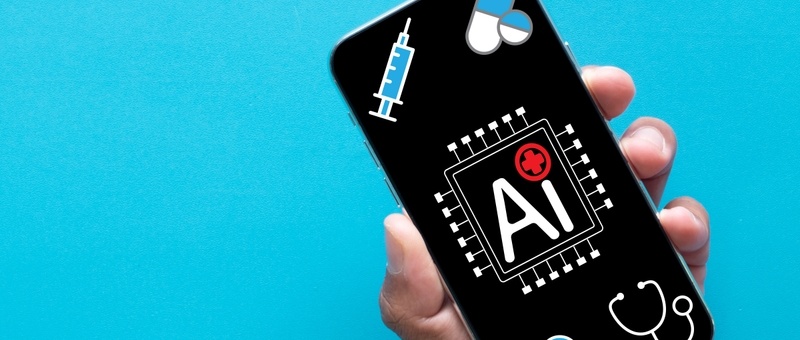
هل يمكنك الوثوق بالذكاء الاصطناعي فيما يتعلق بصحتك؟
مراجعة من قبل الدكتور كولين تايدي، MRCGPكتبه فيكتوريا راونُشر في الأصل 20 أبريل 2026
يتوافق مع الإرشادات التحريرية
- تنزيلتنزيل
- مشاركة
- Language
- نقاش
- نسخة صوتية
- أضف إلى المصادر المفضلة على جوجل
In today’s world of instant information, quite literally at our fingertips, technology has been pushed to new heights with the rise of AI. With an overwhelming amount of health information to sift through, it can be tempting to hit AI mode and ask for a quick, condensed explanation of a condition or what a symptom might mean.
This may seem like a fast way to get answers. But when given out of context or without clear sources, they can be misleading and inaccurate. We asked an expert to break down the hidden dangers of trusting AI-driven health info.
Is everyone using AI for health advice now?
AI didn't just appear out of thin air. We’ve been living with versions of it for well over a decade - it’s been quietly powering everything from Netflix recommendations to virtual assistants, acting as a helpful background feature we almost took for granted.
The arrival of ChatGPT in 2022, however, changed the landscape. AI is no longer an invisible helper tucked into apps. It has a voice. When you speak to it, it responds. It can create, converse, and, in health contexts, even present itself in ways that make it sound like an actual clinician.
Dr David Shusterman, a board-certified urologist and Chief Physician at Modern Urologist in New York City, USA, says that compared to even three or four years ago, he sees far more patients with a long list of possible diagnoses they found online or through AI tools.
“Sometimes they’ve read ten different explanations for the same symptom, and many of those explanations contradict each other,” he says. “Instead of coming in with one concern, they’re often overwhelmed and anxious about five or six possible conditions.
“The internet can be helpful for education, but without a clinical context, it can easily turn into information overload.”
Dr David Shusterman

What are the real dangers of an AI health diagnosis?
If you rely on AI or algorithm-generated health advice over peer-reviewed data or a qualified professional, remember - you are not speaking to an actual doctor. These tools don't understand the person behind the screen and are no replacement for a professional, individualised assessment.
Shusterman warns that although AI can summarise information, it can’t examine you, review your full medical history in context, or recognise subtle warning signs during a conversation.
“When someone relies exclusively on algorithm-generated advice, important diagnoses can be missed or delayed,” he says.
Why AI sounds so sure - even when it's wrong
AI health content often sounds overly confident, creating an illusion of expertise. This is due to a phenomenon called ‘AI hallucinations,’ where the technology generates information that sounds perfectly logical and factual but is actually entirely invented. AI models prioritise flow and persuasion over medical truth, which makes it harder for people to unlearn harmful, oversimplified health advice.
“AI-generated information is often written in a very authoritative tone, which makes it sound like definitive medical guidance,” warns Shusterman. “The issue is that the confidence of the language doesn’t guarantee the accuracy of the information.
“When people hear something stated very confidently online, it can be difficult to convince them that the situation is actually more nuanced.”
Shusterman says the real danger is when safety exceptions are omitted, and people are given one-size-fits-all advice.
“In medicine, small details matter - age, medicines, family history, physical exam findings," he explains. “A recommendation that is safe for one person may be dangerous for another.
“When complex symptoms are reduced to generic advice, you risk overlooking serious conditions that require timely evaluation or specialised treatment.”
'Quick fixes' vs real medicine
Another point to consider is that the internet is awash with social media 'health hacks' and apparent 'miracle' fixes. Presented as quick, simple solutions - often by those without medical expertise - these claims can make professional healthcare seem slow or unnecessarily complicated.
“Good medicine usually involves a plan, follow-up, and consistency,” says Shusterman. “But online content often promotes instant results. That creates unrealistic expectations, and when people don’t see immediate change, they sometimes abandon treatments that would actually help them in the long run.”
The spiral of 'cyberchondria' and information fatigue
Though many people turn to AI for a quick breakdown of health concerns, they often feel compelled to double‑check its answers. This can mean asking the AI follow‑up questions or searching elsewhere, which sometimes creates a merry‑go‑round of contradictions and second‑guessing. Before long, you can spend hours online and end up more confused and worried than when you started.
“Patients sometimes spend weeks or months researching symptoms online, and instead of feeling more informed, they feel exhausted and unsure what to believe,” Shusterman explains. “Eventually, some people delay care because they’re stuck in a cycle of reading conflicting opinions.
“That kind of decision paralysis can, unfortunately, postpone the medical evaluation that would give them clear answers.”
Bypassing credible sources for a quick-fire synopsis from the digital wild west can easily trigger cyberchondria. This is the digital form of hypochondria - excessive worry about having an illness you may not actually have.
Short, bullet-pointed summaries make it easy to skim and miss reassuring context, while highlighting alarming signs. That combination can push you to repeatedly search for confirmations, misinterpret normal sensations as symptoms, and escalate your anxiety.
When digital advice gets between you and your doctor
When AI advice turns out to be wrong - or people rely on unqualified sources, misleading visuals, or deepfake experts - it can undermine trust in real providers and the healthcare system as a whole.
Shusterman says this breeds confusion and scepticism. When people discover supposedly trusted online information is inaccurate, they may start doubting all medical guidance - even advice from real physicians.
“Trust is a critical part of the doctor-patient relationship,” he explains. “Our goal as clinicians is to help people navigate information, not dismiss their curiosity.”
Shusterman’s tips for navigating online health content
Shusterman advises treating online health information as a starting point, not a diagnosis.
He shares some practical guidance for staying savvy online:
Be wary of content that promises instant cures, oversimplifies complex conditions, or uses fear to push action.
Prefer sources tied to recognised medical institutions, peer-reviewed research, or accredited professionals.
Use online info to inform questions for your clinician, not to replace a professional assessment.
“Remember that real healthcare involves conversation, examination, and individualised care,” Shusterman concludes. “Technology can support medicine, but it should never replace the guidance of a qualified professional who understands your specific health situation.”
اختيارات المرضى لـ Online and social media
الحياة الصحية
ارتقِ بحياتك الواقعية: 6 نصائح صحية يحتاج كل لاعب لمعرفتها
في ألعاب الفيديو، كل ما يحتاجه اللاعبون عادة للبقاء بصحة جيدة هو شرب جرعة علاجية بين الحين والآخر أو ربما التقاط قلب عائم. تجنب الزومبي والكائنات الفضائية القاتلة يساعد أيضًا. في الحياة الواقعية، قد تكون الوحوش القاتلة أقل شيوعًا، لكن الحفاظ على الصحة أكثر صعوبة. لحسن الحظ، لا يتطلب الأمر خدعة سرية للبقاء بصحة جيدة أثناء اللعب، كما يقول الخبراء - وبعض نصائحهم قد تساعدك حتى في تحسين أدائك في اللعب.
بقلم مايكل ميرشيل
الصحة النفسية
لماذا تنجذب أدمغتنا إلى الأخبار السيئة
في عالم يتم فيه تضخيم كل حدث عالمي ومحلي بواسطة وسائل التواصل الاجتماعي ودورات الأخبار على مدار الساعة، يبدو من المستحيل تقريبًا الانفصال عنها. تهيمن العناوين المثيرة على خلاصاتنا، وغالبًا ما تُترك القصص الإيجابية دون اهتمام. يمكن أن يصبح هذا التدفق المستمر للمعلومات مرهقًا - بل وحتى ضارًا - لصحتنا العقلية. ولكن لماذا نحن مبرمجون للتركيز أكثر على الأخبار السيئة بدلاً من الجيدة؟
بقلم فيكتوريا راو
الأسئلة الشائعة
Can AI help me understand my medical test results?
While AI can process and summarise information, it cannot interpret your individual medical test results in the context of your full medical history, current health, or other unique factors. This requires professional medical judgment to avoid misunderstandings or missed diagnoses.
If AI is so good at language, why can't it give me accurate health advice?
AI models are designed to generate fluent and persuasive language, which can make their health advice sound very confident and authoritative. However, this confidence doesn't guarantee accuracy. AI can sometimes 'hallucinate,' meaning it invents information that sounds factual but isn't true, or it might omit important safety exceptions, leading to potentially harmful oversimplified advice.
What is 'cyberchondria' and how does it relate to using AI for health information?
'Cyberchondria' is a digital form of hypochondria, where you experience excessive worry about having an illness based on online information. When using AI for health concerns, its tendency to provide short, bullet-pointed summaries can highlight alarming signs while missing reassuring context, potentially escalating anxiety and leading you to repeatedly search for confirmations of conditions you may not have.
How can I tell if online health information, even from AI, is trustworthy?
When evaluating online health information, including that generated by AI, be cautious of content that promises instant cures, oversimplifies complex conditions, or uses fear to prompt action. Prioritise sources linked to recognised medical institutions, peer-reviewed research, or accredited medical professionals. Always treat online information as a starting point for discussion with your doctor, not as a definitive diagnosis.
Why do 'quick fixes' promoted online differ from real medical treatments?
Online 'health hacks' and 'miracle' fixes often promise instant results, making professional healthcare seem slow or complicated. However, good medical practice usually involves a comprehensive plan, consistent follow-up, and patience. Relying on instant solutions that lack medical expertise can create unrealistic expectations and may lead people to abandon treatments that would genuinely be beneficial in the long run.
عن المؤلفعرض السيرة الذاتية الكاملة
Victoria Raw
كاتب مميز
بكالوريوس (مع مرتبة الشرف)، الأدب الإنجليزي
فيكتوريا كاتبة محتوى مع Patient وتركز اهتماماتها الخاصة على الصحة النفسية، والاتجاهات المجتمعية، وتأثير التكنولوجيا على صحتنا.
حول المراجععرض السيرة الذاتية الكاملة

الدكتور كولين تايدي، MRCGP
طبيب عام، مؤلف طبي
MBBS, MRCGP, MRCP (Paediatrics), DCH
الدكتور كولين تايدي هو طبيب في هيئة الخدمات الصحية الوطنية، ويعمل في أوكسفوردشاير.
تاريخ المقال
تمت مراجعة المعلومات الموجودة في هذه الصفحة من قبل أطباء مؤهلين.
المقال متاح أيضًا باللغة الإنجليزية, الألمانية, إسبانية, الفرنسية, إيطالي, البرتغالية, الهندية, العبرية, العربية ,، و السويدية.
Next review due: 20 Apr 2029
20 أبريل 2026 | نُشر في الأصل
كتبه:
Victoria Rawمراجعة من قبل
الدكتور كولين تايدي، MRCGP

اسأل، شارك، تواصل.
تصفح المناقشات، اطرح الأسئلة، وشارك التجارب عبر مئات المواضيع الصحية.

هل تشعر بتوعك؟
قم بتقييم أعراضك عبر الإنترنت مجانًا
اشترك في النشرة الإخبارية للمرضى
جرعتك الأسبوعية من النصائح الصحية الواضحة والموثوقة - مكتوبة لمساعدتك على الشعور بالاطلاع والثقة والتحكم.
من خلال الاشتراك، فإنك تقبل سياسة الخصوصية. يمكنك إلغاء الاشتراك في أي وقت. نحن لا نبيع بياناتك أبدًا.
المزيد في الحياة الصحية
- هل يمكن أن تموت حقًا بسبب قلة النوم؟
- هل يسبب الكحول السرطان؟
- كيف يؤثر الكحول على حياتك الجنسية؟
- كيف يمكن للدعم من الأقران أن يعزز صحتك النفسية
- كيف يؤثر الإقلاع عن التدخين على صحتك النفسية
- كيفية ربط صدرك بأمان
- كيفية الشرب بأمان خلال عيد الميلاد ورأس السنة الجديدة
- كيف تقع في حب التمارين الرياضية
- ليس تمامًا 'العودة إلى الوضع الطبيعي': دليل لشفاء الأسرة بعد الجائحة
- هل يجب عليك تناول شامبكس لمساعدتك في الإقلاع عن التدخين؟
- أفضل الطرق للإقلاع عن التدخين نهائيًا
- فوائد مياه البحر الصحية
- العلاقة بين صحة الأمعاء والسعادة
- ما هي فوائد الامتناع عن الكحول؟
- ما هو النوم متعدد الأطوار أو ثنائي الأطوار، وهل هو مفيد لك؟
- ما الفرق بين الصحة النفسية والمرض النفسي؟
- ما يحتاج الآباء لمعرفته حول الفحوصات الصحية لدخول المدرسة
- ماذا تفعل إذا انتكست بعد الإقلاع عن التدخين
- لماذا يجب حظر الهواتف من غرفة النوم
- لماذا يجب عليك ممارسة هواية إبداعية هذا العام