العلاج السلوكي المعرفي للأرق: كيف يعمل؟
مراجعة من قبل الدكتور كريشنا فاخاريا، MRCGPكتبه أمبرلي ديفيسنُشر في الأصل 17 مايو 2023
يتوافق مع الإرشادات التحريرية
- تنزيلتنزيل
- مشاركة
- Language
- نقاش
- نسخة صوتية
- أضف إلى المصادر المفضلة على جوجل
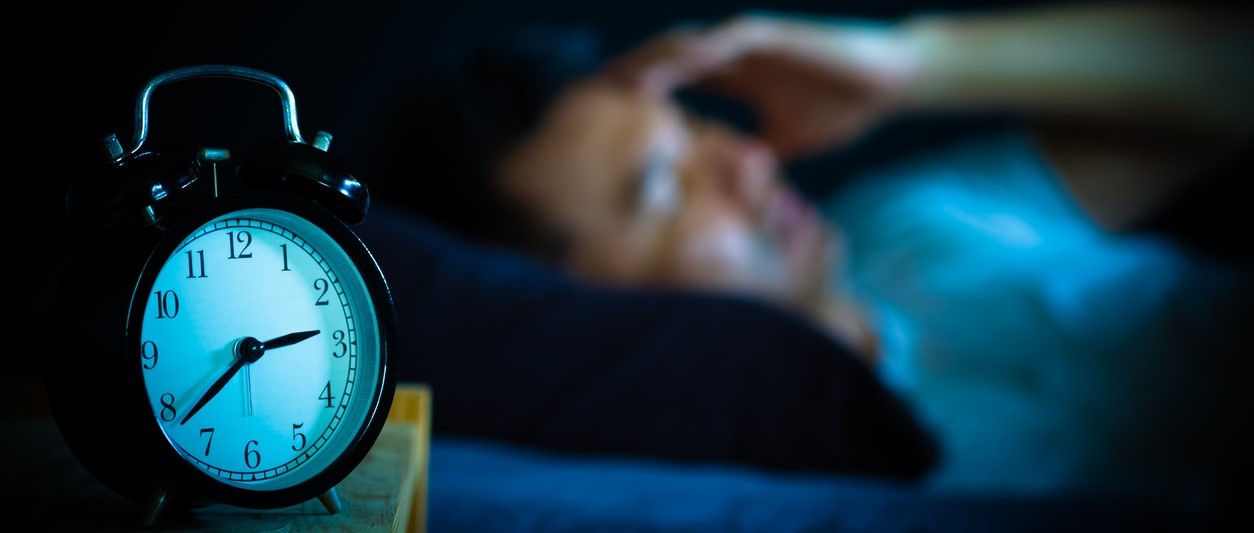
إذا كنت تواجه صعوبة في النوم ليلاً، فقد تكون الأفكار والسلوكيات والعادات غير المفيدة هي السبب في المشكلة. قد يكون من الصعب تغيير هذه الأمور بمفردك - وهنا يأتي دور العلاج السلوكي المعرفي للأرق. هذا العلاج يعلمك كيفية تغيير طريقة تفكيرك في مشكلات النوم، مما يمكن أن يكون المفتاح لحلها.

ما هو العلاج السلوكي المعرفي (CBT)؟
العلاج السلوكي المعرفي، المعروف باسم العلاج السلوكي المعرفي ,، هو مصطلح شامل لعدة أنواع من العلاجات الحوارية. تؤكد هذه العلاجات على أن طريقة تفكيرك تؤثر على شعورك وسلوكك. من خلال تحدي أنماط التفكير غير المفيدة، يمكن للعلاج السلوكي المعرفي مساعدتك في معالجة وإدارة وحل مجموعة من المشاكل.
يمكن أن يكون أحد هذه المشاكل الأرق ,، مما يعني النوم السيء. يمكن أن يؤثر الأرق على الناس بطرق مختلفة. ربما تجد صعوبة في النوم، أو تستيقظ مبكرًا جدًا، أو تستيقظ لفترات طويلة خلال الليل. في أي حال، إذا كنت تفوت باستمرار على نوم جيد وتشعر أن التعب والأعراض المرتبطة الأخرى تؤثر على حياتك اليومية، يمكن أن يساعدك العلاج السلوكي المعرفي في كسر هذه الدورة.
كيف يعمل العلاج السلوكي المعرفي للأرق؟
العلاج السلوكي المعرفي للأرق هو علاج مثبت وذو أساس علمي. هيذر داروال-سميث ,، المعالج النفسي والمتحدث باسم المجلس البريطاني للعلاج النفسي (UKCP) ,، يقول: "تهدف هذه العلاجية إلى مساعدتك في تأسيس عادات نوم صحية وكسر دورة الأرق من خلال معالجة الأفكار والسلوكيات والعادات الأساسية التي تسهم في صعوبات النوم."
تواصل وصف عدة مراحل من العلاج السلوكي المعرفي للأرق:
تثقيف حول نظافة النوم - التوعية بعادات النوم الصحية وأهمية إنشاء روتين نوم منتظم. قد يشمل ذلك عدم شرب الكافيين أو ممارسة الرياضة في المساء.
التحكم في المحفزات - تحديد وتغيير السلوكيات أو العوامل البيئية التي قد تتداخل مع النوم، مثل استخدام غرفة النوم لأنشطة غير النوم.
تقييد/ضغط النوم - إنشاء ثابت جدول النوم عن طريق تقليل الوقت الذي يقضى في السرير إلى مقدار النوم الفعلي الذي يتم الحصول عليه.
إعادة الهيكلة المعرفية - تحديد وتحدي الأفكار والمعتقدات السلبية أو غير الواقعية/الخاطئة حول النوم التي قد تسهم في الأرق.
تقنيات الاسترخاء - استكشاف مجموعة من تقنيات الاسترخاء، مثل استرخاء العضلات التدريجي أو تمارين التنفس العميق، للمساعدة في تقليل القلق وتعزيز الاسترخاء.
الدكتورة سارة باتيوب هي معالجة رائدة في العلاج السلوكي المعرفي وكبيرة المسؤولين الطبيين في أوليفا. تضيف أن العلاج بالقبول والالتزام (ACT) هو جزء مهم من العلاج السلوكي المعرفي للأرق:
“في العلاج بالقبول والالتزام (ACT)، نتعمق في جميع الأشياء التي قد تكون جربتها للتغلب على الأرق حتى الآن - سواء كان ذلك حبوب منومة أو الحصول على مرتبة جديدة. ثم نقوم معًا بتقييم مدى فعالية هذه الاستراتيجيات في تخفيف الأعراض لديك."
غالبًا ما يجد مرضى الدكتور باتيوب أن الأشياء التي كانوا يقومون بها للتخلص من الأرق تجعل الأمر أسوأ في الواقع - حتى لو كان ذلك فقط بجعلهم يركزون أكثر على مشاكل نومهم.
"لذلك، في العلاج بالقبول والالتزام (ACT) ننظر أيضًا إلى هذه الدورة المفرغة ونستكشف استراتيجيات بديلة - والتي غالبًا ما تكون عكس ما كان يحاول الشخص فعله سابقًا. على سبيل المثال، قد نستكشف ما يحدث إذا كنت، عند محاولة النوم، أكثر وعيًا بما يعنيه أن تكون مستيقظًا. أو، بدلاً من محاولة التخلص من الأرق، تحاول أن تفسح مجالًا للأرق في حياتك."
ما مدى فعالية العلاج السلوكي المعرفي في علاج الأرق؟
كما هو الحال مع جميع العلاجات، فإن مدى فعالية العلاج السلوكي المعرفي يعتمد على العديد من العوامل. إن مشاركتك والتزامك بجلساتك مهم، ولكنه قد يعتمد أيضًا على ما إذا كان الأرق لديك عرضًا لشيء آخر يحتاج إلى معالجة.
إذا كنت فقط لست جيدًا في النوم، يقول الدكتور باتيوب أن العلاج بالقبول والالتزام (ACT) يمكن أن يكون علاجًا فعالًا للغاية لأن "تطبيع الأعراض وتأكيدها وأخذ الحيطة من الدورة المفرغة لمحاولة التخلص من الأعراض يمكن أن يساعدك على التكيف والشعور بقدر أقل من العجز."
لقد أثبتت العديد من الدراسات مدى فعالية العلاج السلوكي المعرفي في علاج الأرق. على سبيل المثال:
وجدت الأبحاث التي شملت 1,162 مشاركًا أن العلاج السلوكي المعرفي للأرق حسّن بشكل كبير من نتائج نومهم، بما في ذلك المدة التي استغرقوها للنوم، ومدى استيقاظهم المبكر، وإجمالي وقت نومهم1.
أظهرت الدراسات أن تأثيرات العلاج السلوكي المعرفي للأرق يمكن أن تستمر لمدة تصل إلى عامين بعد العلاج2.
وجدت مراجعة لـ 75 دراسة أن الجمع بين العلاج المعرفي والتقنيات السلوكية، مثل تقييد النوم، كانت المكونات الأكثر فعالية للعلاج السلوكي المعرفي للأرق لتحسين نتائج النوم3.
كم من الوقت يستغرق العلاج السلوكي المعرفي للأرق ليبدأ في العمل؟
وفقًا لداروال-سميث، يمكن رؤية فوائد العلاج السلوكي المعرفي للأرق عادةً في غضون بضعة أسابيع من بدء العلاج - والذي يستمر عادةً لفترة تتراوح بين ستة إلى ثمانية أسابيع، في جلسات تستغرق من 60 إلى 90 دقيقة. يجب أن تستمر التحسينات في نومك بعد انتهاء العلاج.
"يمكن أن يختلف هذا اعتمادًا على احتياجاتك، وشدة الأرق لديك، وما إذا كانت هناك حالات متزامنة"، يضيف المعالج النفسي. "قد يحتاج بعض الأفراد إلى جلسات إضافية، ويمكن تعديل مدة العلاج لتلبية احتياجاتك."
أين يمكن الحصول على العلاج السلوكي المعرفي للأرق
في المملكة المتحدة، يقوم الدكتور باتيوب وداروال سميث بتحديد الخيارات المتاحة التي يمكنك اتخاذها.
الخدمات الصحية الوطنية
سيقوم طبيبك العام بتقييم الأعراض الخاصة بك وتحديد ما إذا كان العلاج السلوكي المعرفي للأرق سيكون خيار علاج مناسب. قد يوفر NHS أيضًا هذا العلاج من خلال إحالة إلى خدمة العلاج النفسي المحلية، أو الوصول إلى تطبيق رقمي - مثل سليبيو و محطة النوم - أو، إذا لزم الأمر، إلى عيادة النوم.
الإحالة الذاتية لموقع NHS
يمكنك الذهاب إلى موقع NHS وكتابة IAPT، والتي تعني تحسين الوصول إلى العلاجات النفسية. سيُطلب منك تقديم الرمز البريدي الخاص بك، ثم سيتم عرض معلومات حول خدمة IAPT المحلية الخاصة بك. في العديد من الحالات، يمكنك الإحالة الذاتية إلى خدمتك المحلية، ولكن سيتم إخبارك بما تحتاج إلى القيام به للوصول إلى العلاج السلوكي المعرفي (CBT).
مزودون خاصون
يمكنك أيضًا البحث عن معالجين نفسيين خاصين أو علماء نفس متخصصين في العلاج السلوكي المعرفي للأرق. ال موقع BABCP يوفر قائمة بالمعالجين المعتمدين في العلاج السلوكي المعرفي في منطقتك. قد يقدم هؤلاء المعالجون جلسات علاج فردية أو جماعية وقد تكون مغطاة بالتأمين الصحي الخاص.
مكان عملك
قد تتمكن من الاستفادة من خدمة الرعاية الصحية النفسية في مكان عملك وطلب العلاج السلوكي المعرفي أو العلاج بالقبول والالتزام.
متصل
هناك العديد من برامج العلاج السلوكي المعرفي عبر الإنترنت للأرق المتاحة لك للوصول إليها من راحة منزلك. بعضها مجاني، بينما يتطلب البعض الآخر دفع رسوم - سليبيو متاح فقط من خلال هيئة الخدمات الصحية الوطنية.
كتب المساعدة الذاتية
تقدم العديد من الكتب إرشادات حول تقنيات العلاج السلوكي المعرفي للأرق. تقدم هذه الكتب عادة استراتيجيات عملية لتحسين النوم، إلى جانب تمارين وأنشطة لمساعدتك في تنفيذ هذه الاستراتيجيات. يوصي داروال-سميث التغلب على الأرق ومشاكل النوم: دليل للمساعدة الذاتية باستخدام تقنيات العلاج السلوكي المعرفي بواسطة البروفيسور كولين إيسبي.
قد يختلف توفر العلاج السلوكي المعرفي للأرق حسب مكان إقامتك ومقدم الرعاية الصحية الخاص بك. لذلك، إذا كنت مهتمًا بالحصول على هذا العلاج، فمن المهم مناقشة خياراتك مع مقدم الرعاية الصحية الخاص بك أو البحث عن مقدم موثوق متخصص في العلاج السلوكي المعرفي للأرق.
هل العلاج السلوكي المعرفي للأرق مناسب للجميع؟
يمكن أن يكون هناك مجموعة كاملة من الأسباب التي تجعل هذه العلاجية تعمل بشكل رائع للبعض، ولكن ليس بشكل جيد للآخرين. يوضح داروال-سميث أن العلاج السلوكي المعرفي للأرق قد لا يكون مناسبًا للمجموعات التالية:
الأشخاص الذين يعانون من حالات طبية أو نفسية غير معالجة - الاضطرابات التي لا تُدار بشكل جيد قد تتداخل مع فعالية هذه العلاج. في مثل هذه الحالات، قد يكون من الضروري معالجة هذه الحالات قبل بدء العلاج السلوكي المعرفي للأرق.
الأشخاص الذين يعانون من اضطرابات النوم غير الأرق - تم تصميم هذه العلاج خصيصًا لعلاج الأرق وقد لا يكون فعالًا لاضطرابات النوم الأخرى، مثل انقطاع النفس أثناء النوم أو متلازمة تململ الساقين.
الأشخاص الذين يعانون من الأرق الشديد - بينما يمكن أن يكون العلاج السلوكي المعرفي للأرق فعالًا للأفراد الذين يعانون من الأرق الخفيف إلى المتوسط، قد لا يكون كافيًا للأفراد الذين يعانون من الأرق الشديد. في مثل هذه الحالات، قد يكون من الضروري الحصول على علاج إضافي.
الأشخاص الذين لديهم موارد معرفية أو عاطفية محدودة - تتطلب هذه العلاجية مشاركة نشطة وتفاعل، مما قد يكون تحديًا للأفراد الذين لديهم موارد معرفية أو عاطفية محدودة. في مثل هذه الحالات، قد تكون هناك حاجة إلى خيارات علاجية بديلة.
الأشخاص الذين لا يرغبون أو لا يستطيعون الالتزام بالعلاج - يتطلب العلاج السلوكي المعرفي للأرق التزامًا كبيرًا بالوقت والجهد.
قراءة إضافية
اختيارات المرضى لـ النوم والأرق
الحياة الصحية
النوم الجيد مهم: ليس الأمر مجرد عدد الساعات
Healthy sleep isn't just about quantity, getting enough quality sleep is essential for your overall well-being - and it plays a vital role in your heart health too. We look at the research which shows how your sleep can influence your cardiovascular and metabolic health.
بقلم لورانس هيغينز

الحياة الصحية
لماذا لا أستطيع النوم؟ 12 سببًا شائعًا وما يجب فعله
يمكن أن يكون النضال من أجل النوم محبطًا. سواء كنت مستيقظًا لساعات، أو تستيقظ بشكل متكرر خلال الليل، أو تجد نفسك مستيقظًا تمامًا في الساعة 3 صباحًا، هناك العديد من الأسباب المحتملة وراء النوم السيء. في بعض الحالات، قد تكون العادات الحياتية مثل شرب الكثير من الكافيين أو استخدام هاتفك قبل النوم هي السبب. في حالات أخرى، يمكن أن تؤثر الحالات الصحية الأساسية أو التغيرات الهرمونية على قدرتك على الحصول على نوم جيد ليلاً.
بقلم هيذر أينسورث
عن المؤلفعرض السيرة الذاتية الكاملة

Amberley Davis
كاتب أول
بكالوريوس (مع مرتبة الشرف)، التنمية المهنية المستمرة
أمبرلي كاتبة كبيرة في موقع Patient وقد كتبت بشكل مكثف حول مجموعة من مواضيع الصحة والرفاهية.
حول المراجععرض السيرة الذاتية الكاملة

الدكتور كريشنا فاخاريا، MRCGP
كبير المسؤولين الطبيين للصحة، أوبتوم المملكة المتحدة
MBChB, MRCGP(2013), BMedSci (hons), DFSRH, DRCOG, PGDipDerm (Distn)
الدكتورة كريشنا فاخاريا هي طبيبة عامة في هيئة الخدمات الصحية الوطنية. كما أنها ممتحنة منتظمة لدبلوم الدراسات العليا في الأمراض الجلدية العملية في جامعة كارديف، بالإضافة إلى كونها كبيرة المسؤولين الطبيين للصحة في Optum UK.
تاريخ المقال
تمت مراجعة المعلومات الموجودة في هذه الصفحة من قبل أطباء مؤهلين.
المقال متاح أيضًا باللغة الإنجليزية, الألمانية, إسبانية, الفرنسية, إيطالي, البرتغالية, الهندية, العبرية, العربية ,، و السويدية.
17 مايو 2023 | نُشر في الأصل
كتبه:
Amberley Davisمراجعة من قبل
الدكتور كريشنا فاخاريا، MRCGP

اسأل، شارك، تواصل.
تصفح المناقشات، اطرح الأسئلة، وشارك التجارب عبر مئات المواضيع الصحية.

هل تشعر بتوعك؟
قم بتقييم أعراضك عبر الإنترنت مجانًا
اشترك في النشرة الإخبارية للمرضى
جرعتك الأسبوعية من النصائح الصحية الواضحة والموثوقة - مكتوبة لمساعدتك على الشعور بالاطلاع والثقة والتحكم.
من خلال الاشتراك، فإنك تقبل سياسة الخصوصية. يمكنك إلغاء الاشتراك في أي وقت. نحن لا نبيع بياناتك أبدًا.
المزيد في الحياة الصحية
- أفضل 5 تطبيقات لشهر يناير الجاف لعام 2024
- هل يمكن أن يكون 'الخوف الصباحي' علامة على فترة ما قبل انقطاع الطمث؟
- كم من الوقت أمام الشاشة يعتبر كثيرًا؟
- كيفية سؤال الأطفال عن صحتهم
- كيفية العثور على معلومات صحية موثوقة عبر الإنترنت
- كيفية البدء في تمارين كروس فيت بأمان للمبتدئين
- كيفية العناية بصحتك النفسية هذا الشتاء
- كيفية مقاومة أشد الرغبات في التدخين
- الأرق مرتبط بزيادة خطر الإصابة بأمراض القلب والسكتة الدماغية
- البروتين الطبيعي مقابل مسحوق البروتين: أيهما أفضل لتدريب القوة؟
- الإرهاق الوالدي: دليلك لفهمه والتغلب عليه
- المشاكل الناجمة عن نقص الوزن
- حجم الحصص الغذائية: لماذا تساهم حصصنا الكبيرة في أزمة السمنة
- محدثأفضل تمارين حبال المقاومة لبناء العضلات
- نصائح لنوم أفضل في الصيف
- ما الأضرار التي يمكن أن تسببها العلاج التحويلي ولماذا لم يتم حظره؟
- ما هو الركينج وهل هو مناسب لك؟
- ماذا تفعل أثناء انتظارك لخدمات علاج الإدمان على المخدرات أو الكحول