How to treat a horsefly bite
Peer reviewed by Dr Krishna Vakharia, MRCGPLast updated by Amberley DavisLast updated 18 Jun 2024
Meets Patient’s editorial guidelines
- DownloadDownload
- Share
- Language
- Discussion
- Audio Version
- Add to preferred sources on Google
Summer has many perks, but horsefly bites are not one of them. Do you know how to prevent these nasty insect bites, what can soothe your pain and discomfort, and which symptoms indicate a possible infection or allergic reaction?
What is a horsefly?
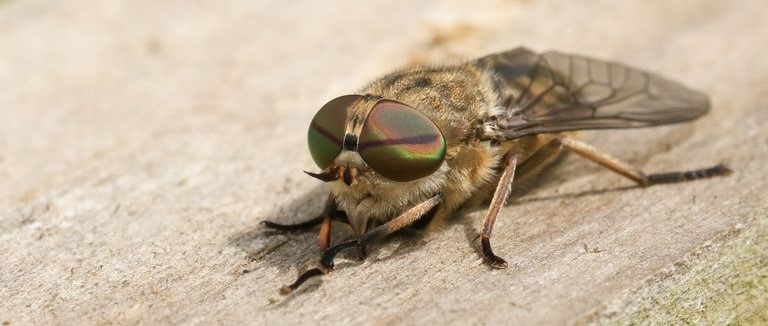
If you've spent a lot of time outdoors this summer, you may have spotted the short, sturdy horsefly, a member of the Tabanidae insect family.
Like houseflies, horseflies have large eyes and rather thick bodies, but they are larger in size - ranging from around 6-20 millimetres in length.
It's the female horsefly that's most intimidating, with a jaw shaped like scissor blades, called a mandible, which the fly uses to latch on to large animals and feed on blood. Horseflies are drawn to big, dark-coloured animals like horses, but this doesn't stop them from biting humans during the warm summer daylight hours, when they're most active1.
What does a horsefly bite look like?
Skin specialist Sreedar Krishna says: "A horsefly bite can look very similar to a mosquito bite, or any other form of insect bite, so it can be difficult to identify the exact offender.
"Typically, a horsefly bite will be a raised, itchy, and tender lump. The pain, redness and swelling can often expand a distance away from the initial bite."
What does a horsefly bite feel like?
Like other insect bites and stings, a horsefly bite can be painful and irritating. Common symptoms include:
A sharp, burning sensation.
Itchiness.
Redness and swelling around the bite.
Sometimes, bruising around the bite.
The good news is these symptoms should disappear within a few hours or days.
Why are horsefly bites so painful?
On the downside, these typically short-lived symptoms often hurt more than other insect bites: "In contrast to other insects, horseflies bite through the skin using their sharp jaws rather than simply piercing the skin," says Krishna.
"Moreover, mosquitoes release a mild anaesthetic into the skin during bites which numbs the area. Horseflies do not, and so are appreciably more painful."
Are horsefly bites dangerous?
Aside from disrupting your summer with temporary pain and discomfort, a horsefly bite is generally not something to worry about. In fact, they are much more of a problem for their preferred target - horses - because horseflies can carry a disease that's life threatening to them (equine infectious anaemia, also known as 'swamp fever'2).
Horseflies do not transmit severe diseases to humans, but sometimes being bitten by a horsefly may cause an allergic reaction3 or lead to an infection.
Horsefly bite symptoms of concern
"You should seek medical attention immediately if you feel unwell after a horsefly bite - this can include feeling light-headed or dizzy," warns Krishna.
Infection - the small puncture wound of a horsefly bite can also increase the risk of infection. Be sure to look out for signs of infection such as pus or a foul smell.
Anaphylaxis - this severe allergic reaction requires urgent medical attention - call for an emergency ambulance (999 in the UK). Signs include worsening pain, wheezing, difficulty breathing, a rash that spreads, and swelling of the lips.
How to avoid horsefly bites
Apply insect repellent before going outside.
Wear light-coloured clothing - horseflies are attracted to darker colours.
Cover up your arms and legs and wear closed-toed shoes.
Don't wear any perfume - scents attract these flying insects.
Be wary during strenuous outdoor activities - horseflies love the scent of carbon dioxide, which you exhale in greater amounts during exercise3. Of course, exercise is important, so if you're going to be active ensure you use other protective measures in high-risk areas.
Know the high-risk horsefly bite areas - frequent hot spots include farms - as horseflies are attracted to horses and cattle - and warm water sources like ponds, streams, and rivers - as many horseflies lay their eggs near water and are most active during hot and humid conditions.
Avoid walking through long grass with exposed feet, ankles, and legs.
How to treat a horsefly bite
"Remember, in most cases time is a healer, although you will want something to help control the pain and irritation."
Krishna's advice on treating a horsefly bite:
Effective home remedies include applying an ice pack or a bag of frozen peas to the area. If the horsefly bite is on an area of skin you can elevate (such as your foot or hand), it would be worthwhile keeping it raised - for example, by lying down and propping it up with a cushion - as this will reduce swelling.
Over-the-counter antihistamines such as cetirizine can help reduce itching and swelling.
Simple painkillers such as paracetamol, and anti-inflammatory medication such as ibuprofen, can help to reduce pain. You may wish to check with your doctor if you are allowed to take ibuprofen. For example, some people with asthma are advised to avoid anti-inflammatory medication.
Try your very best not to scratch the bite as this can break the skin and lead to infections.
How long do horsefly bites last?
"Assuming that the skin does not become infected, I would expect a horsefly bite to settle within seven days," advises Krishna. "If it does not, or the pain is worsening, I would recommend seeing your doctor for further guidance."
In most cases, the irritation and pain of horsefly bites are short-lived. Avoid spending the summer months worrying about these critters by following our prevention and treatment tips when you can and enjoying the warm weather!
Further reading
Patient picks for Stings and bites

Skin, nail and hair health
What to do if you're stung by a jellyfish
Around 150 million people are stung by jellyfish around the world each year. While some can be harmless, some may not be, so acting quickly is the key to treating a sting to prevent severe side effects or death. Find out here what to do and what not to do.
by Victoria Raw

Skin, nail and hair health
What to do if you're stung by a sea urchin
While many sea urchin stings can be mild and their symptoms go away within a few days, there is a possibility of them becoming seriously infected. Therefore, it's important to know how to act in these situations and when to seek professional help.
by Emily Jane Bashforth
About the authorView full bio

Amberley Davis
Senior writer
BA (Hons), CPD
Amberley is a senior writer with Patient and has written extensively on a range of health and wellbeing topics.
About the reviewerView full bio

Dr Krishna Vakharia, MRCGP
Chief Medical Officer for Health, Optum UK
MBChB, MRCGP(2013), BMedSci (hons), DFSRH, DRCOG, PGDipDerm (Distn)
Dr Krishna Vakharia is an NHS GP. She is also a regular examiner for the postgraduate Diploma in Practical Dermatology at Cardiff University as well as being the Chief Medical Officer for health at Optum UK.
Article history
Article also available in English, German, Spanish, French, Italian, Portuguese, Hindi, Hebrew, Arabic, and Swedish.
Next review due: 17 Jun 2027
18 Jun 2024 | Latest version
16 Aug 2022 | Originally published
Authored by:
Amberley Davis
Join the conversation
Share your thoughts or experiences with others in our patient communities.

Ask, share, connect.
Browse discussions, ask questions, and share experiences across hundreds of health topics.

Feeling unwell?
Assess your symptoms online for free
Sign up to the Patient newsletter
Your weekly dose of clear, trustworthy health advice - written to help you feel informed, confident and in control.
By subscribing you accept our Privacy Policy. You can unsubscribe at any time. We never sell your data.
More in skin, nail and hair health
- A guide to UV protection sunglasses
- Can changing your diet help psoriasis?
- Chemical peels: benefits, costs, risks, and recovery
- UpdatedCommon rosacea triggers and how to avoid them
- Common skin complaints: understanding tinea versicolor
- Eczema management plans: do they help control your eczema?
- Eczema, psoriasis, and ringworm: what's the difference?
- Glycolic acid: skincare benefits, side effects, and more
- How to keep your kids sun safe this summer
- How to look after your hair during chemotherapy
- How to prevent and soothe skin cysts: a simple guide
- How to soothe a nettle sting
- How to treat a wasp sting
- Scarlet fever: a doctor's advice
- Skin-picking and hair-pulling: managing body-focused repetitive behaviours
- The best ways to get rid of head lice
- The mental health impact of skin conditions
- What causes sudden eczema in adults?
- Whole body 3D mole mapping: the future of skin health?
- Why is my facial eczema worse in summer?