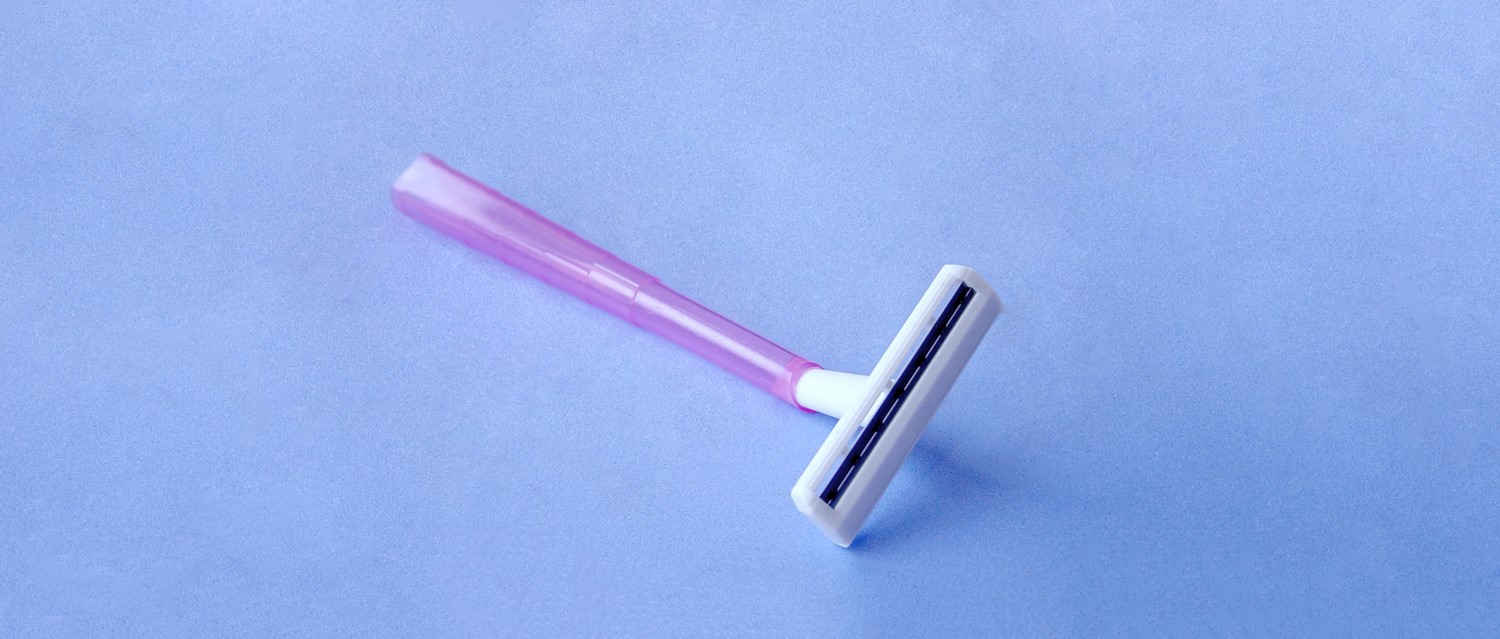
What to do about excess body hair
Peer reviewed by Dr Sarah JarvisAuthored by Dr Anna Cantlay, MRCGPOriginally published 19 Dec 2018
Meets Patient’s editorial guidelines
- DownloadDownload
- Share
- Language
- Discussion
- Audio Version
- Add to preferred sources on Google
Plucking. Waxing. Shaving. For many women, getting rid of unwanted hair can be a burden. But this is all the more difficult for women suffering with excess body or facial hair, otherwise known as hirsutism.
Hirsutism refers to excessive hair growth in women, which is often thicker and coarser than normal. The hair may develop in areas where you'd typically expect to see it on men, such as the upper lip, chin, chest, tummy, lower back, bottom and thighs.
Excess body hair is more common than you think, affecting approximately 10% of women in Western societies. And it's seen more frequently in those of Mediterranean or Middle Eastern descent.
The impact of unwanted body or facial hair on a woman's quality of life shouldn't be underestimated. Hirsutism can cause profound emotional distress, leading to low self-esteem. And studies have also shown that hirsute women have higher incidences of social avoidance and anxiety, depression and even psychosis.
Many women may even feel too embarrassed to seek advice from their doctor. But if hirsutism is bothering you, it's well worth speaking with your GP. There are plenty of treatment options out there that may help. And it's important to rule out underlying conditions.
So what are the causes of excess hair?
Excess hair may be caused by increased production of a group of hormones caused androgens. Androgens are produced by both men and women - men just have more of them. These chemicals play a role in the development of male traits including male-pattern hair growth and loss.
In pre-menopausal women, a common cause of hirsutism is polycystic ovary syndrome, a condition which causes irregular periods and cysts on the ovaries.
Other conditions that can cause hirsutism include obesity. And even simply getting older can lead to more hair to pluck, especially after the menopause. However, in about a quarter of women, no obvious cause is found.
Less commonly, hirsutism may be caused by other hormonal conditions, including some androgen-secreting tumours. These include:
Cushing's syndrome - a disease caused by having too much of a hormone called cortisol in the body.
Acromegaly - a condition caused by too much production of growth hormone.
Congenital adrenal hyperplasia - an inherited condition affecting the adrenal glands and their hormone production.
Occasionally, hirsutism may be a side-effect of certain medications. These include anabolic steroids, testosterone, glucocorticoids, ciclosporin, minoxidil, danazol, and phenytoin.
Which treatments really work?
If you think you could be suffering with hirsutism, it is a good idea to seek advice from your GP. They will be able to examine you to help find any contributing cause, arrange some investigations and discuss the treatments available.
Depending on what your GP thinks is causing your symptoms, you may also be referred to a specialist (normally an endocrinologist) for further support.
Mrs Claudine Domoney, a gynaecologist and spokesperson for the Royal College of Obstetricians and Gynaecologists (RCOG) explains that treatments offered will depend on the cause of the hirsutism, but fall loosely into two categories.
"There are treatments to remove or reduce excessive hair, either at home or in specialist clinics, or treatments to deal with excess androgens and other associated hormonal conditions," she says. "The latter can be prescribed by your GP, gynaecologist or sometimes an endocrinologist (hormone doctor)."
For women who are overweight or obese, losing weight may reduce the appearance of excess hair, by decreasing androgen levels.
DIY methods
Some women may prefer to remove their excess hair at home. There are plenty of options available if you choose this route. Some methods include plucking, waxing, bleaching, epilating, hair removal creams and shaving.
Others decide to see a specialist, which may have longer-lasting results than home treatment. However, many specialist techniques can be expensive. And they are rarely available on the NHS.
Electrolysis
Electrolysis is one such option, where a tiny needle with an electrical current is used to destroy hair follicles. Repeated treatments are often necessary and it's not normally appropriate for large areas. This can lead to permanent results but can be painful. And there is a risk of scarring and hypopigmentation or hyperpigmentation of the skin.
Laser hair removal
Laser hair removal is another technique. Here, highly concentrated light beams destroy hair follicles. It may lead to permanent hair loss (although not guaranteed) but repeated sessions are often necessary and there is also a risk of scarring, redness, burns and pigment changes.
Medications that can help
Eflornithine cream
Eflornithine cream (currently marketed under the brand name Vaniqa) is a topical product that can be applied to areas of excess hair. It does not remove the hair but slows down its growth and results can be seen in eight weeks. It works by blocking production of an enzyme found in hair follicles which helps hair production. If it doesn't seem to be working at first, it's worth persisting for at least four months before giving up.
Once stopped, the hair will regrow at its normal pre-treatment rate. It may cause some itchiness, dryness and irritation to the area to which it is applied. Vaniqa is currently prescription-only, although it is available privately from some community pharmacists without a doctor's prescription by booking a 'Patient Group Direction' appointment.
Oral contraceptives
Certain birth control pills, such as Dianette (which is also called co-cyprindiol), may be prescribed to treat hirsutism affecting a large area. It can reduce hirsutism due to its anti-androgen effects. Long-term use is not normally advised due to an increased risk of deep vein thrombosis.
Domoney says: "The combined oral contraceptive can be an effective method of treating hirsutism but can take up to six months for the full effect. However, it may not be suitable for some women, such as those with a high body mass index, which can be associated with some conditions causing hirsutism, such as having polycystic ovaries."
Other medication
Some additional medications may be recommended for treating excess hair. But many of these are unlicensed for treating hirsutism. This means there aren't yet clinical trials assessing whether they work for this condition, but some doctors think they are likely to be effective. These include:
Cyproterone acetate - an anti-androgen that can be used alongside the oral contraceptive pill.
Spironolactone - a pill that is normally used to treat high blood pressure or heart failure may be effective for hirsutism at lower doses.
Finasteride - a drug that blocks the enzyme involved in testosterone production - may reduce excessive hair growth.
Insulin-sensitising medication, often used for type 2 diabetes, such as metformin and thiazolidinediones, reduces the amount of androgens in the blood.
Medicines called 'gonadatrophin-releasing hormone (GnRH) analogues', such as goserelin and leuprorelin, decrease the amount of male hormones being produced from the ovaries.
Whether you suffer from mild to severe hirsutism, if it's bothering you - don't suffer in silence. Speaking to a healthcare professional can help identify the cause and direct you to lots of effective treatments.
Patient picks for Hair and scalp

Skin, nail and hair health
Why going bald can seriously affect your mental health
Most men begin to notice thinning hair or a receding hairline in their 20s. But although male hair loss is incredibly common, it can still be very distressing and negatively affect self-esteem. Dr Max Pemberton explores the psychological impact of balding and what to do if you're losing your confidence along with your tresses.
by Dr Max Pemberton, MRCPsych
Skin, nail and hair health
Does caffeine shampoo really work for hair loss?
Caffeine shampoos that stimulate hair growth (if you believe the marketing claims) are becoming more popular - but do they really work and can they cause skin or scalp problems? We ask a consultant dermatologist for her take on the issue.
by Julian Turner
About the authorView full bio
Authored by

Dr Anna Cantlay, MRCGP
General Practitioner, Medical Author
BMBS, BMedSci, MRCGP, DRCOG, DFSRH, DOCCMED
Dr Anna Cantlay is an experienced NHS and private GP based in London.
About the reviewerView full bio

Dr Sarah Jarvis
Clinical Consultant
MA (Cantab), BM, BCh (Oxon), DRCOG, FRCGP, MBE
After training in medicine at Cambridge and Oxford, Dr Sarah Jarvis MBE became a GP.
Article history
Article also available in English, German, Spanish, French, Italian, Portuguese, Hindi, Hebrew, Arabic, and Swedish.
19 Dec 2018 | Originally published
Authored by:
Dr Anna Cantlay, MRCGPPeer reviewed by
Dr Sarah Jarvis
Join the conversation
Share your thoughts or experiences with others in our patient communities.

Ask, share, connect.
Browse discussions, ask questions, and share experiences across hundreds of health topics.

Feeling unwell?
Assess your symptoms online for free
Sign up to the Patient newsletter
Your weekly dose of clear, trustworthy health advice - written to help you feel informed, confident and in control.
By subscribing you accept our Privacy Policy. You can unsubscribe at any time. We never sell your data.