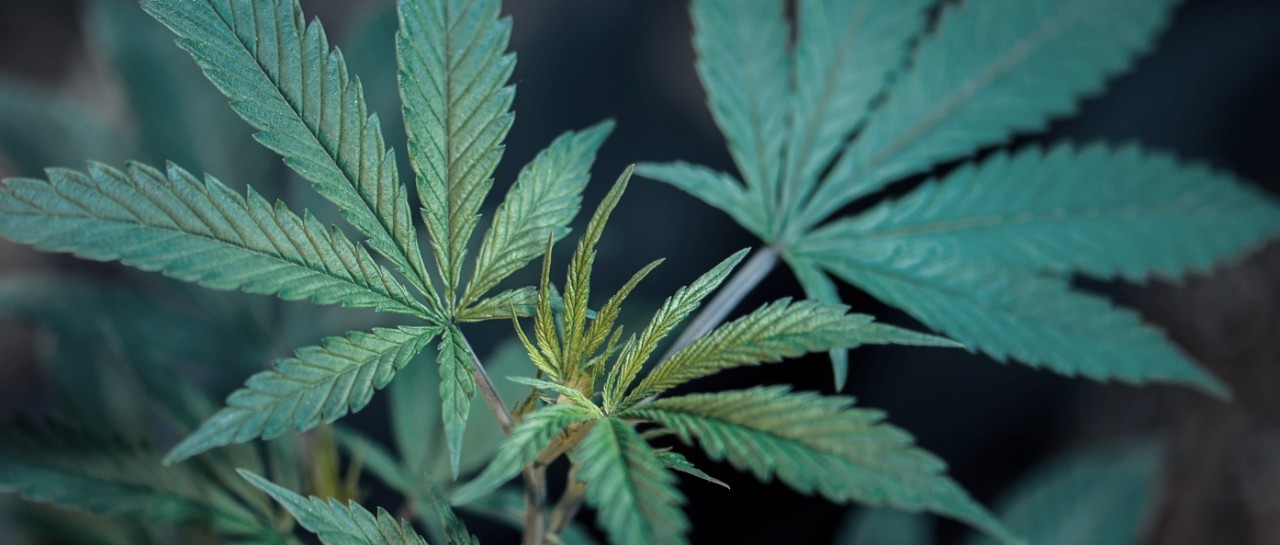
Chemical found in cannabis could be more effective than painkillers
Peer reviewed by Natalie HealeyAuthored by Ashwin BhandariOriginally published 24 Jul 2019
Meets Patient’s editorial guidelines
- DownloadDownload
- Share
- Language
- Discussion
- Audio Version
- Add to preferred sources on Google
Researchers discover how the cannabis plant creates pain-relieving molecules that are 30 times more powerful at reducing inflammation than aspirin.
Sponsored
Could medical cannabis be an option for you?
If you have a diagnosed condition and standard treatments haven’t worked, you may be eligible for specialist-prescribed medical cannabis in the UK. Check your eligibility
As interest in medical cannabis continues to grow, experts at the University of Guelph, Canada have found chemical compounds in the plant (called flavanoids) which could be 30 times more effective than simple painkillers.
Flavanoids are the pigment (colour) found in all plants which contain antioxidants. In cannabis plants, two flavonoids, called cannflavin A and cannflavin B, appear to have anti-inflammatory properties.
The scientists applied various biochemistry techniques to find out which cannabis genes were required to create these chemicals. The findings are published in the journal Phytochemistry.
Cannflavins were first discovered as early as 1985, but only now has research emerged on how they are in made in the plant.
"There's clearly a need to develop alternatives for relief of acute and chronic pain that go beyond opioids," said Professor Tariq Akhtar, lead author of the research. "These molecules are non-psychoactive and they target the inflammation at the source, making them ideal painkillers."
Cannflavins may have fewer side effects than strong painkillers such as opioids.
However, because cannabis plants only contain a small number of flavonoids naturally, patients would need to consume large amounts for the anti-inflammatory properties to work.
Professor Steven Rothstein who co-authored the research said: "We are now working to develop a biological system to create these molecules, which would allow us the opportunity to engineer large quantities."
The University of Guelph is now working with a biotechnology company to patent a way of extracting the flavonoids from cannabis plants to make a commercial form of pain relief.
Patient picks for Medicine information

Treatment and medication
Can your skin really get addicted to steroid creams?
'Woman’s steroid cream addiction made her look like she'd been skinned alive.' 'My kids were scared.' 'My skin was covered in scales and shedding all over the house.' These headlines - from Metro, The Sun and The Daily Mail respectively - allude in typically lurid style to the symptoms of topical steroid withdrawal. Each article tells the story of an eczema sufferer whose skin became 'addicted' to their medication.
by Abi Millar
Treatment and medication
Why wasn't I prescribed antibiotics?
Many common infections are caused by germs called viruses. Antibiotic medicines do not kill viruses. Also, many infections caused by germs called bacteria do not need antibiotics. These infections often get better without antibiotic treatment. Excessive use of antibiotics may allow the germs to become resistant to the antibiotic medicines, so that they will not work when they really are needed. They may also sometimes cause side-effects. This is why antibiotics are not prescribed for many infections.
by Dr Mary Harding, MRCGP
Frequently asked questions
What are flavonoids, and are they unique to cannabis?
Flavanoids are the natural pigments responsible for giving plants their colour. They are present in all plants and are known for containing antioxidants. In cannabis plants specifically, two types called cannflavin A and cannflavin B have been identified as having anti-inflammatory effects.
Can cannflavins make me feel 'high'?
No, cannflavins are described as non-psychoactive. This means they do not produce the 'high' sensation associated with some other compounds found in cannabis.
How do cannflavins help with pain?
Cannflavins are believed to relieve pain by targeting inflammation directly at its source. This anti-inflammatory action makes them potentially effective painkillers.
When were cannflavins first identified?
Cannflavins were initially discovered as early as 1985. However, the recent research from the University of Guelph is the first to explain how these chemicals are produced within the cannabis plant.
Will I eventually be able to get medicine made from these cannabis compounds?
Researchers are currently working to develop a system to create large quantities of these molecules. The University of Guelph is also collaborating with a biotechnology company to patent a method for extracting cannflavins from cannabis plants to produce a commercial form of pain relief.
About the authorView full bio
Authored by

Ashwin Bhandari
Medical Writer
BA Journalism
About the reviewerView full bio

Natalie Healey
Freelance journalist
BSc (Hons) Biomedical Science
She is a London-based health journalist who has been writing about science and medicine for several years. She is the former head of editorial at Patient.
Article history
Article also available in English, German, Spanish, French, Italian, Portuguese, Hindi, Hebrew, Arabic, and Swedish.
24 Jul 2019 | Originally published
Authored by:
Ashwin BhandariPeer reviewed by
Natalie Healey
Join the conversation
Share your thoughts or experiences with others in our patient communities.

Ask, share, connect.
Browse discussions, ask questions, and share experiences across hundreds of health topics.

Feeling unwell?
Assess your symptoms online for free
Sign up to the Patient newsletter
Your weekly dose of clear, trustworthy health advice - written to help you feel informed, confident and in control.
By subscribing you accept our Privacy Policy. You can unsubscribe at any time. We never sell your data.