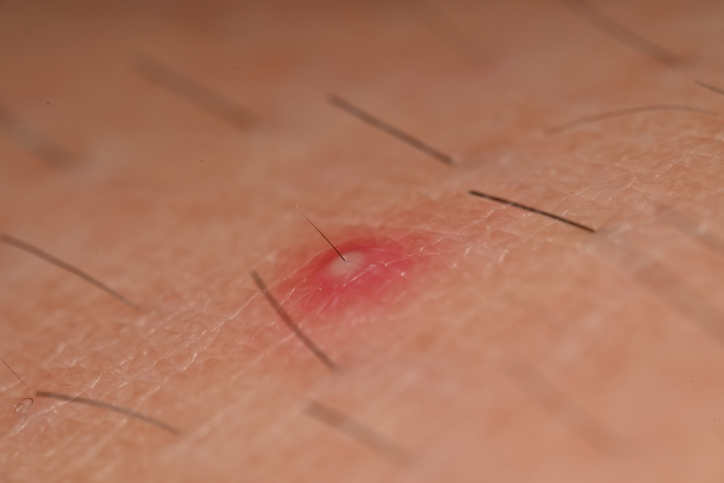
التهاب الجريبات
مراجعة من قبل الدكتور دوغ مكيتشني، MRCGPآخر تحديث بواسطة الدكتورة فيليبا فينسنت، MRCGPآخر تحديث ١٥ سبتمبر ٢٠٢٤
يتوافق مع الإرشادات التحريرية
- تنزيلتنزيل
- مشاركة
- Language
- نقاش
- Ask Patient
- نسخة صوتية
- أضف إلى المصادر المفضلة على جوجل
التهاب الجريبات يعني التهاب بصيلات الشعر في الجلد. معظم الجلد مغطى بشعر صغير ينمو من بصيلات الشعر. في حالة التهاب الجريبات، تتأثر العديد من بصيلات الشعر في منطقة واحدة من الجلد.
نظرة سريعة
التهاب الجريبات هو ألم والتهاب في بصيلات الشعر.
يمكن أن تتورم الجريبات المصابة، مكونة نتوءات حمراء أو بقع مليئة بالصديد قد تتقشر.
يظهر عادة على الأرداف والساقين والظهر والصدر والوجه وفروة الرأس.
معظم الحالات تكون خفيفة وتتحسن دون علاج في غضون 7-10 أيام.
اطلب المشورة الطبية إذا لم تساعد الإجراءات البسيطة أو إذا انتشرت العدوى بشكل أعمق.
What is folliculitis?
Folliculitis means inflammation of the hair follicles. Folliculitis can be a mild, short-lived condition or a severe long-term problem. Folliculitis can occur anywhere on hair-bearing skin. There are a number of causes of inflammation which can result in folliculitis.
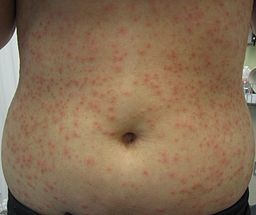
Rash of folliculitis
Folliculitis symptoms
When hair follicles become infected or inflamed they swell causing a red bump on the skin.
Sometimes the affected follicles fill with pus, covering the affected skin with small, rounded, yellow-red spots (pustules).
Affected skin may develop a crust, which can be yellow or golden coloured due to infection.
The affected skin can feel painful, hot and may be itchy.
Folliculitis locations
Folliculitis can be found everywhere where hair grows but the following areas are particularly common:
Buttocks.
Legs.
Back.
Chest.
Face.
Scalp.
Types of folliculitis
Bacterial folliculitis
This is the commonest type of folliculitis and usually arises from the typical bacteria which normally live on the skin causing an infection in the hair follicles. It is very common and easily treated with antibiotics if it is significant enough to need treatment. Often it will settle on its own without treatment.
There are a few specific types of folliculitis:
Sycosis barbae
This is the medical name for a long-term (chronic) folliculitis in the beard area of the face. The skin is painful and crusted, with burning and itching on shaving. Numerous pustules develop in the hair follicles. It can be difficult to treat and some men grow a beard to solve the problem.
Hot tub folliculitis
As the name suggests, this tends to affect people after using a hot tub. The hot water encourages a bacteria called Pseudomonas aeruginosa to grow (particularly if there is not enough chlorine in the water to keep it clean). This type of folliculitis is generally harmless and is prevented by proper maintenance of hot tubs. Showering after using the hot tub does not seem to reduce the chance of folliculitis. Antibiotics are not needed for hot tub folliculitis; it usually settles within 2 weeks.
Gram-negative folliculitis
This is a type of folliculitis that may occur after acne has been treated with long-term antibiotics. Gram-negative refers to a type of stain that is used in a laboratory to identify different types of bacteria.
Pseudo-folliculitis
Also known as "razor bumps", this is caused by inflammation from shaving and ingrowing hairs. Pseudo-folliculitis is more common in people with curly or Afro-Caribbean hair, as these hairs are more likely to curl back and grow into the skin. Ingrowing hairs can also be caused by dead skin cells blocking the hair follicle so the hair cannot exit the follicle.
Malassezia folliculitis
Also known as pityrosporum folliculitis, this is caused by yeasts which normally live on the skin but occasionally cause inflammation. Malassezia folliculitis is more common in adolescent boys and young men and is also more common in hot humid climates. Other things that make malassezia folliculitis more common are frequent use of sunscreen, excessive sweating, antibiotic use and the immune system being impaired.
التهاب الجريبات
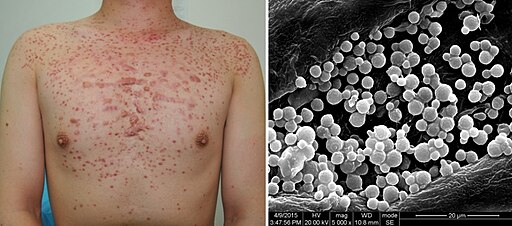
Eosinophilic folliculitis
This rare form of folliculitis is also known as eosinophilic pustular folliculitis or Ofuji disease. It causes itchy pustules and is more common in men than women. The pustules are usually seen on the head, neck and trunk and can persist for weeks or months. It may look like acne. It is associated with HIV but also occurs in people without HIV. Simple anti-inflammatory drugs have been reported to help in up to 7 out of 10 people with eosinophilic folliculitis. Antibiotics may also help.
Carbuncles
A carbuncle is a group of inflamed follicles close together which then join together into one hot red lump with pus coming out of several points. This can be very painful and antibiotics are often needed. Warm compresses may help avoid the need for antibiotics.
Furuncles (boils)
This is an infection deeper in the hair follicle which causes a small abscess just under the skin. It is hot and red. Antibiotics may be needed but warm compresses can often help.
Causes of folliculitis
Folliculitis occurs at sites where hair follicles are inflamed. There are a number of causes:
Infection. Most folliculitis infections are caused by a bacteria called Staphylococcus aureus (S. aureus), which usually lives harmlessly on the skin. Occasionally other bacteria, fungi (Pityrosporum or Candida albicans) or parasites are the cause.
Physical irritation caused by shaving or friction.
Chemical irritation caused by chemicals applied to the skin.
Blockage of the hair follicle eg, by dead skin cells or thick creams.
Excessive sweating (hyperhidrosis) due to overactivity of the sweat glands.
Steroid creams.
Inflammatory skin conditions are an uncommon cause.
Complications of folliculitis
Most cases of folliculitis get better without any complications. Occasionally the following can occur:
Scarring of the skin.
Darkening of the affected skin (hyperpigmentation).
Hair loss at the affected site due to scarring of the skin.
Deep folliculitis. This occurs if the infection spreads deeper into the follicles causing a boil.
Cellulitis. This is when infection spreads into the surrounding skin, making it hot and red.
Medical advice should be sought if there is an infection which is spreading deeper or onto surrounding skin.
Diagnosing folliculitis
There are no specific tests for folliculitis. Normally the diagnosis is obvious from the type of rash.
Occasionally a swab might help if there is discharge from the pustules.
Folliculitis treatment
Identifying the cause of the folliculitis will help decide what will help. General measures include:
Avoiding things that aggravate the condition.
Taking a break from hair removal until the folliculitis has settled down.
Avoiding wearing tight clothes over the affected area, particularly if it causing sweating.
Keeping cool and keeping folliculitis exposed to the fresh air.
Not sharing towels, flannels or razors.
Applying an antibacterial moisturiser (emollient) and soap substitute. See below for more information.
Mild cases
Most cases of folliculitis are mild and do not need any treatment. It often clears without any treatment within 7-10 days.
It may be helpful to use:
A moisturiser (emollient) which contains an antibacterial agent - for example, Dermol® cream.
Lotion or Emulsiderm®.
These may help the folliculitis to clear more quickly and reduce the risk of it becoming worse. You can use one of these emollients as a soap substitute until the folliculitis has cleared (and long-term if needed). These can also be added to the bath or shower - specific bath or shower products are not needed.
If simple measures over a few days do not result in improvement of the folliculitis, medical advice should be sought for further advice and treatment.
Localised folliculitis
For localised areas of folliculitis, an antibiotic cream may be useful. Fusidic acid is a suitable antibiotic cream that can be applied 3-4 times per day to affected areas. If the folliculitis is thought to be fungal, a different treatment may be used.
More severe cases
If the folliculitis is more severe or widespread then a course of oral المضاد الحيوي tablets may be needed.
Recurrent or long-term (chronic) folliculitis
Recurrent folliculitis occurs when the infection keeps coming back, although it disappears with treatment. The gaps between episodes may get shorter and, eventually, chronic folliculitis is the result.
In these cases, a clinician may take a sample (swab) from the skin where the folliculitis is. This swab can show if an infection is responsible and identify which type of infection it is. The correct medication can then be used to try and eradicate the bacteria from the skin.
Preventing folliculitis
To try and prevent folliculitis, the following actions may help:
Keeping skin clean, dry and free from abrasions or irritations.
Keeping skin well-moisturised.
Using clean, sharp razors and shaving in the direction of hair growth, or using an electric razor.
Using a shaving soap, gel or foam to lubricate the blades across the skin to help prevent nicks and cuts.
Using hair removal methods other than shaving.
Avoiding chemicals or items which irritate the skin.
Exfoliating regularly to remove dead skin cells.
Using antiseptic washes routinely is not generally recommended as they can make the skin sore and dry.
Is folliculitis contagious?
Folliculitis itself is not contagious. In hot-tub folliculitis, other people who have been exposed to the same hot tub are likely to develop folliculitis as well.
اختيارات المرضى لـ Hair and scalp conditions

صحة الجلد والأظافر والشعر
عدوى فطرية في فروة الرأس
السعفة هي عدوى جلدية تسببها فطريات (وليست دودة). السعفة على فروة الرأس تؤثر بشكل رئيسي على الأطفال، خاصة من أصل أفريقي أو كاريبي. العلاج يكون باستخدام أدوية مضادة للفطريات والتي تحتاج لعدة أسابيع. الشامبو المضاد للفطريات عادة لا يكون فعالاً بمفرده ولكن قد يُنصح باستخدامه بالإضافة إلى الأدوية.
بقلم الدكتورة فيليبا فينسنت، MRCGP

صحة الجلد والأظافر والشعر
الثعلبة البقعية
داء الثعلبة هو حالة تتطور فيها بقع من تساقط الشعر، عادة على الرأس. في بعض الحالات، يتطور الصلع الكامل. عادة ما ينمو الشعر مرة أخرى بعد عدة أشهر. في بعض الحالات، يكون تساقط الشعر دائمًا. تعمل العلاجات لتعزيز نمو الشعر في بعض الحالات، ولكن غالبًا ما ينمو الشعر من تلقاء نفسه.
بقلم الدكتورة فيليبا فينسنت، MRCGP
الأسئلة الشائعة
هل يمكن أن ينتشر التهاب الجريبات من منطقة في جسمي إلى أخرى؟
في حين أن الالتهاب نفسه ليس معديًا من شخص لآخر، إلا أنه إذا كان التهاب الجريبات ناتجًا عن عدوى، فإن البكتيريا أو الفطريات يمكن أن تنتشر إلى جريبات شعر أخرى في جسمك، خاصة إذا قمت بحك المنطقة المصابة أو إذا كانت هناك ظروف مثل التعرق المفرط.
هل يعود التهاب الجريبات عادة بعد أن يختفي؟
يمكن أن تكون التهاب الجريبات مشكلة متكررة في بعض الأحيان، حتى بعد العلاج. إذا لم يتم معالجة السبب الأساسي، مثل بعض البكتيريا أو التهيج، بشكل كامل أو ظهر مرة أخرى، فقد تحدث نوبات جديدة من التهاب الجريبات. يُعرف هذا بالتهاب الجريبات المتكرر، حيث تستمر العدوى في العودة. في بعض الحالات، يمكن أن تصبح مشكلة طويلة الأمد (مزمنة).
إذا كنت أعاني من التهاب الجريبات، هل يجب علي تجنب استخدام أحواض الاستحمام الساخنة العامة في المستقبل؟
إذا كنت قد عانيت من التهاب الجريبات الناتج عن أحواض الاستحمام الساخنة، فمن الجيد التفكير في صيانة أحواض الاستحمام العامة. يرتبط هذا النوع من التهاب الجريبات ببكتيريا تزدهر في الماء الدافئ، خاصة إذا لم يكن هناك ما يكفي من الكلور للحفاظ على نظافة الماء. ضمان الصيانة المناسبة لأحواض الاستحمام التي تستخدمها هو المفتاح لمنع ذلك.
هل هناك أنواع معينة من الكريمات التي يمكن أن تساعد في الحكة الناتجة عن التهاب الجريبات؟
بينما يذكر المقال المرطبات المضادة للبكتيريا (المطريات) مثل كريم ديرمول للمساعدة في علاج التهاب الجريبات وتقليل خطر تفاقمه، فإنه لا يوصي بشكل محدد بكريمات للحكة. ومع ذلك، يمكن استخدام هذه المطريات كبدائل للصابون وقد توفر بعض الراحة لأنها تساعد في تهدئة البشرة.
قراءة إضافية ومراجع
- التهاب الجريبات; ديرم نت نيوزيلندا
- Folliculitis and boils (furuncles/carbuncles), Primary Care Dermatology Society (PCDS), 2016
- Winters RD, Mitchell M; Folliculitis. StatPearls, September 2019.
- Eosinophilic Pustular Folliculitis; ديرم نت
عن المؤلفعرض السيرة الذاتية الكاملة
تم التحديث بواسطة

الدكتورة فيليبا فينسنت، MRCGP
طبيب عام، مؤلف طبي
MB BS, Bsc, MRCGP (2000), DCH, DFSRH, DRCOG
الدكتورة فيليبا فينسنت هو طبيب عام في هيئة الخدمات الصحية الوطنية يعمل في شمال لندن.
حول المراجععرض السيرة الذاتية الكاملة

الدكتور دوغ مكيتشني، MRCGP
كاتب طبي
MA, MBBS, MSc, DRCOG, MRCP(UK), MRCGP(2021), FHEA
الدكتور دوغ مكيتشني هو طبيب عام في هيئة الخدمات الصحية الوطنية يعمل في لندن. يعمل بدوام كامل في المجال السريري وهو أيضًا نائب رئيس وحدة الممارسة السريرية والمهنية في كلية الطب بجامعة كوليدج لندن.
تاريخ المقال
المقال متاح أيضًا باللغة الإنجليزية, الألمانية, إسبانية, الفرنسية, إيطالي, البرتغالية, الهندية, العبرية, العربية ,، و السويدية.
المراجعة التالية مستحقة: 14 سبتمبر 2027
١٥ سبتمبر ٢٠٢٤ | أحدث إصدار
المهنيين الطبيين
Looking for more in-depth clinical detail? Our Professional Reference articles are written for doctors, nurses and other healthcare professionals. They include comprehensive clinical guidance, diagnostic information and UK/European evidence summaries. If you need the clinical version, you can read the Professional Reference article on this topic.
شارك أفكارك أو تجاربك مع الآخرين في مجتمعات المرضى.
وصول بسيط إلى العلاجات والخدمات الصحية الموثوقة عبر الإنترنت.
Common conditions
Get help with common conditions through the NHS, without a GP appointment.
 التهاب الجيوب الأنفية الحاد
 التهاب اللوزتين البكتيري
 القوباء
 لدغات الحشرات
 الحزام الناريعدوى المسالك البولية
اشترك في النشرة الإخبارية للمرضى
جرعتك الأسبوعية من النصائح الصحية الواضحة والموثوقة - مكتوبة لمساعدتك على الشعور بالاطلاع والثقة والتحكم.
من خلال الاشتراك، فإنك تقبل سياسة الخصوصية. يمكنك إلغاء الاشتراك في أي وقت. نحن لا نبيع بياناتك أبدًا.