ما الذي يسبب فقدان السمع لدي؟
مراجعة من قبل الدكتور كريشنا فاخاريا، MRCGPكتبه الدكتورة سارة جارفيسنُشر في الأصل 10 فبراير 2023
يتوافق مع الإرشادات التحريرية
- تنزيلتنزيل
- مشاركة
- Language
- نقاش
- Ask Patient
- نسخة صوتية
- أضف إلى المصادر المفضلة على جوجل
We often take our hearing for granted, but as we get older, we shouldn't make assumptions. Hearing loss affects much more than your hearing - if untreated, it can lead to social isolation, anxiety, depression, and even falls or reduced independence.
We explain what affects your hearing and what you do to protect it.
برعاية
Boots Hearingcare
Sponsored by Boots Hearingcare. Patient.info retains sole control of the content.

What causes hearing loss?
فقدان السمع can develop for a wide variety of reasons. Sound waves are focused on to your eardrum, where vibrations are passed through tiny bones attached to your middle ear. From there, they travel to your hearing nerves, which pass them to your brain and interpret them.
You also have an inner ear, where your balance mechanisms reside. Problems your cochlea in the inner ear can lead to hearing loss. Also, your Eustachian tube connects your middle ear with the outside world, allowing you to equalise the pressure between the two.
Conductive hearing loss
Issues which affect how sound is conducted to your eardrum or middle ear is called conductive hearing loss. These include:
Inflammation of outer ear - التهاب الأذن الخارجية.
شمع الأذن or a foreign body in your ear canal.
Scarring of your eardrum from repeated perforation.
التهاب الأذن الوسطى الإفرازي, most often seen in children, in which the air in the middle ear is replaced by a sticky liquid.
خلل في قناة استاكيوس, often happens when you have a cold.
An uncommon growth in the ear called a ورم كوليسترولي.
Middle ear infection - known as التهاب الأذن الوسطى.
تصلب الأذن, which affects one of the three bones in the middle ear.
Sensorineural hearing loss
Hearing loss related to the onwards passage of messages to the brain from the hearing nerve is known as sensorineural hearing loss. Causes include:
Age-related hearing loss, or presbyacusis - the commonest reason for hearing loss.
Meniere's disease, which causes episodes of hearing loss, دوار - dizziness with a spinning sensation - and طنين الأذن.
A tumour on the hearing nerve called an ورم العصب السمعي.
Some conditions affecting the brain, including السكتة الدماغية, brain trauma, inflammation of the brain (التهاب الدماغ) and التصلب المتعدد.
When should you worry about hearing loss?
Tinnitus is the term for noise that comes from inside your ears, rather than from the world outside. It's often perceived as a ringing, buzzing, roaring or whistling. It usually affects both ears and often goes hand in hand with hearing loss.
Treating the hearing problem may cure or improve your tinnitus. However, if you develop tinnitus in just one ear, contact your doctor urgently - occasionally this is a sign of an acoustic neuroma - a tumour on the hearing nerve. The same applies if you get sudden complete hearing loss in one ear, or hearing loss and tinnitus on one side.
ما هو خلل وظيفة قناة استاكيوس؟
If your Eustachian tube gets blocked by mucus when you have a cold, there's a mismatch of pressure which affects how efficiently messages from your eardrum are passed to your hearing nerve. This can result in dulled hearing and sometimes pain. The same principle applies if you're in an aeroplane which is changing height as it takes off or lands.
The hearing loss from blocked Eustachian tubes is common but usually temporary. With age, you're much more likely to have persistent age-related hearing loss. According to the RNID, in the UK more than 5 in 10 people aged 55 or more and 8 out of 10 over the age of 70 have hearing loss.
How does age affect your hearing?
One in three adults in the UK has some degree of hearing loss, and age is the single biggest cause.
One of the first signs of age-related hearing loss is difficulty in hearing when there's a lot of background noise. This can make it difficult to take part in social gatherings. As hearing loss progresses, even one to one conversations in quiet settings become harder. As a result, people with untreated hearing loss often avoid social situations.
Loss of social contact increases the risk of القلق و الاكتئاب. But without mental stimulation from conversation with others, there's also a higher risk of brain decline - memory loss and even الخرف.
People with even mild untreated hearing loss are twice as likely to develop dementia as those without it. Moderate untreated hearing loss increases the risk three fold, while those with severe hearing loss are five times more likely to develop dementia as those with normal hearing.
Research has shown that people with hearing loss who used hearing aids were not at increased risk, and had the same chance of staying independent as those with normal hearing.
Yet hearing tests - and hearing aids - are underused. Around 7 million adults in the UK could benefit from hearing aids but only around 2 million people use them
Do you need a hearing test?
Most of us have our eyes checked every couple of years, or more often if advised. Yet on average, it takes 10 years for someone to seek help when they develop hearing loss. Doctors spend a lot of time advising patients to get into the habit of having hearing checks as they get older.
British and Irish Hearing Instrument Manufacturers Association goes one step further. It wants to see annual NHS hearing tests introduced routinely for everyone over the age of 55. On average, it's nine years since people aged 55 or over have had a hearing check, even though people of this age believe they should be getting their hearing tested every three years.
Mohammed Ismail, audiologist at the hearing specialist Amplifon, advises: "There's compelling clinical evidence linking untreated hearing loss to anxiety, depression and social isolation. There is even clear evidence that untreated hearing loss significantly increases the risk of cognitive decline, especially in older people. Yet all too often people wait many years before getting the issue sorted.
"Getting a first check early means you can be alerted to early signs of hearing loss, and monitored for any decline in hearing that needs treatment. If we could all get into the habit of having regular hearing checks over 55, in the same way as we get our eyes and teeth checked, it would make a real difference to the incidence of mental health and cognitive issues."
How do I get a hearing test?
You can book a free hearing test directly through many high street hearing centres. Alternatively, speak to your GP - they'll be happy to refer you on the NHS. The audiologist will carry out several tests.
One involves listening to different sounds through headphones and pressing a button when you hear something; another is similar but with speech; another checks for fluid behind your eardrum.
If there's an issue, your audiologist will talk about the options for hearing aids. Many are available on the NHS - and they are very different from the cumbersome, whistling devices of just a couple of decades ago.
Newer technologies - some of them only available through private providers - allow you to link your hearing aid to your phone or television, and even fine-tune your settings through bluetooth-enabled technology.
So if you've noticed your hearing is less sharp, don't delay - it could change your life.
مع الشكر لمجلة 'My Weekly' حيث نُشر هذا المقال في الأصل.
اختيارات المرضى لـ مشاكل السمع

الأذن والأنف والحنجرة
لماذا يمكن أن يكون الحصول على شهادة GCSE في لغة الإشارة البريطانية نقطة تحول
تخيل أن تكون طليقًا في لغة لا يفهمها سوى عدد قليل من الناس. الآن، تخيل أن تلك اللغة هي واحدة من اللغات الأصلية لبلد ميلادك. فقط نسبة صغيرة من البريطانيين يستخدمون حاليًا لغة الإشارة البريطانية (BSL)، فلماذا ستكون شهادة GCSE مهمة جدًا؟
بقلم جيليان هارفي
الأذن والأنف والحنجرة
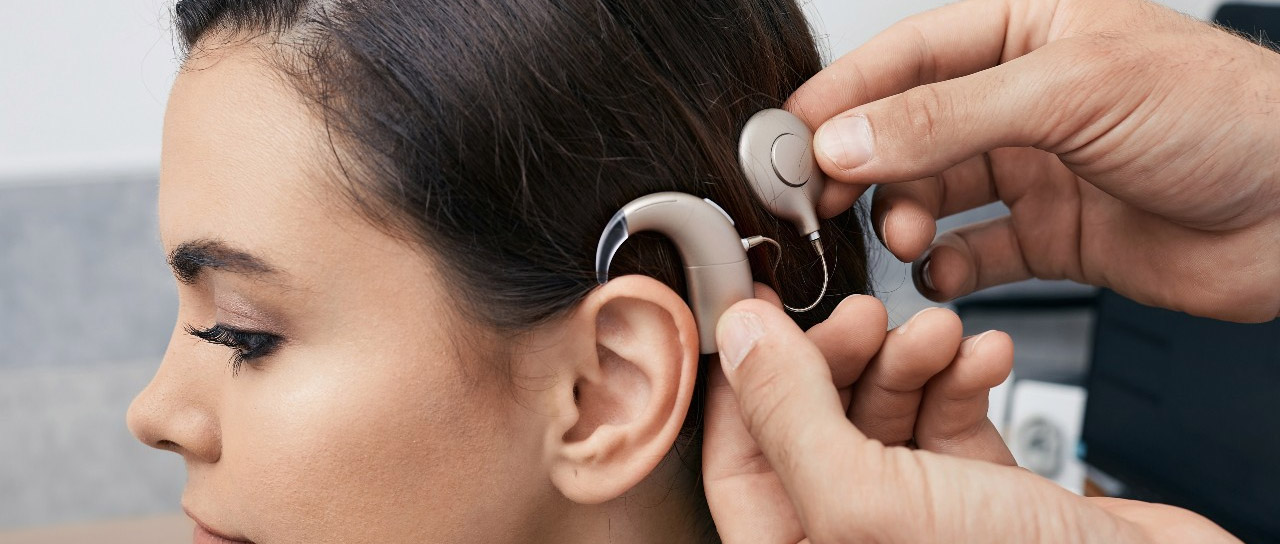
ما هو زراعة القوقعة وما تأثيرها على السمع؟
لقد تحسنت الفرص والتمثيل لمجتمع الصم بشكل كبير في السنوات الأخيرة. في عام 2022، تم تمرير مشروع قانون في البرلمان لجعل لغة الإشارة البريطانية (BSL) لغة معترف بها ومحمية قانونياً. على الرغم من أن هذه المحادثات كانت تحت الأضواء، قد تكون هناك بعض الجوانب للصمم التي قد لا تكون على دراية بها وترغب في معرفة المزيد عنها.
بقلم إميلي جين باشفورث
عن المؤلفعرض السيرة الذاتية الكاملة
كتبه

الدكتورة سارة جارفيس
استشاري سريري
MA (Cantab), BM, BCh (Oxon), DRCOG, FRCGP, MBE
بعد التدريب في الطب في كامبريدج وأكسفورد، أصبحت الدكتورة سارة جارفيس حاصلة على وسام الإمبراطورية البريطانية طبيبة عامة.
حول المراجععرض السيرة الذاتية الكاملة

الدكتور كريشنا فاخاريا، MRCGP
كبير المسؤولين الطبيين للصحة، أوبتوم المملكة المتحدة
MBChB, MRCGP(2013), BMedSci (hons), DFSRH, DRCOG, PGDipDerm (Distn)
الدكتورة كريشنا فاخاريا هي طبيبة عامة في هيئة الخدمات الصحية الوطنية. كما أنها ممتحنة منتظمة لدبلوم الدراسات العليا في الأمراض الجلدية العملية في جامعة كارديف، بالإضافة إلى كونها كبيرة المسؤولين الطبيين للصحة في Optum UK.
تاريخ المقال
المقال متاح أيضًا باللغة الإنجليزية, الألمانية, إسبانية, الفرنسية, إيطالي, البرتغالية, الهندية, العبرية, العربية ,، و السويدية.
10 فبراير 2023 | نُشر في الأصل
كتبه:
الدكتورة سارة جارفيسمراجعة من قبل
الدكتور كريشنا فاخاريا، MRCGP
شارك أفكارك أو تجاربك مع الآخرين في مجتمعات المرضى.
وصول بسيط إلى العلاجات والخدمات الصحية الموثوقة عبر الإنترنت.
Common conditions
Get help with common conditions through the NHS, without a GP appointment.
 التهاب الجيوب الأنفية الحاد
 التهاب اللوزتين البكتيري
 القوباء
 لدغات الحشرات
 الحزام الناريعدوى المسالك البولية
اشترك في النشرة الإخبارية للمرضى
جرعتك الأسبوعية من النصائح الصحية الواضحة والموثوقة - مكتوبة لمساعدتك على الشعور بالاطلاع والثقة والتحكم.
من خلال الاشتراك، فإنك تقبل سياسة الخصوصية. يمكنك إلغاء الاشتراك في أي وقت. نحن لا نبيع بياناتك أبدًا.