نظامك الغذائي وانقطاع الطمث
مراجعة من قبل الدكتور كولين تايدي، MRCGPآخر تحديث بواسطة Lawrence Higginsآخر تحديث 5 فبراير 2026
يتوافق مع الإرشادات التحريرية
- تنزيلتنزيل
- مشاركة
- Language
- نقاش
- نسخة صوتية
- أضف إلى المصادر المفضلة على جوجل
الهبات الساخنة هي مجرد واحدة من العديد من أعراض انقطاع الطمث، إلى جانب تقلبات المزاج، والإرهاق، وزيادة الوزن، التي يمكن أن تؤثر على حياتك اليومية. يعتبر العلاج الهرموني بديلاً فعالاً للهبات الساخنة، ولكن إجراء تغييرات في نظامك الغذائي قد يساعد أيضًا في تخفيف بعض الأعراض الصعبة.
اشترك في دورة انقطاع الطمث المجانية لمدة 10 أسابيع!
كل أسبوع، سنستكشف مواضيع مختلفة لمساعدتك على فهم رحلتك في سن اليأس بشكل أفضل والتعامل معها، بما في ذلك العلاج الهرموني، والنظام الغذائي، والتمارين الرياضية، والصحة النفسية.
من خلال الاشتراك، فإنك تقبل سياسة الخصوصية. يمكنك إلغاء الاشتراك في أي وقت. نحن لا نبيع بياناتك أبدًا.
الهبات الساخنة
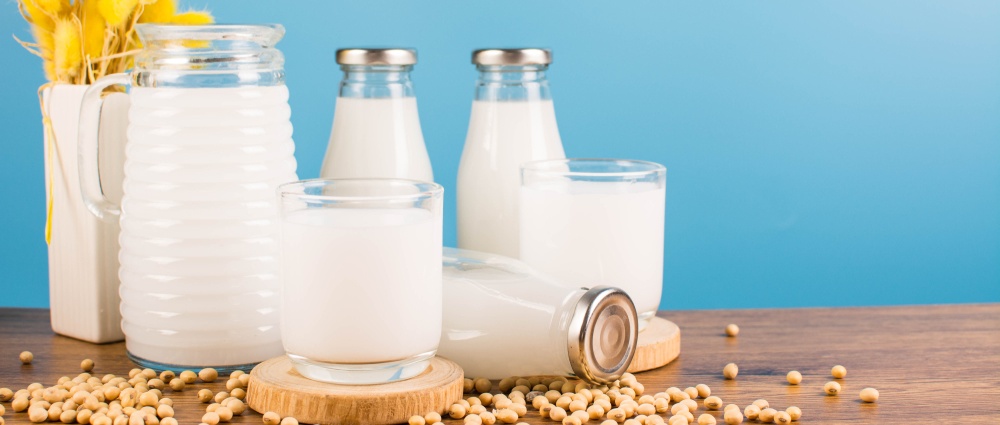
The Japanese have lots of bright ideas where diet is concerned. Obesity and heart disease levels are low in Japan, and much of the credit has been given to their diet. The typical Japanese diet is high in soya in the form of tofu, soya beans, soya milk and other products.
They also eat plenty of oily fish and low levels of saturated fat and refined, sugary foods. Japanese women are less likely to be troubled by hot flushes than their Western counterparts, and increasing your soya intake may help relieve you of them too1.
Seeds - such as linseed, pumpkin, sesame, sunflower seeds - and red clover isoflavones, available as capsules from pharmacists (60-80 milligrams a day) have a similar effect. At the opposite end of the spectrum, spicy foods, coffee and alcohol may trigger hot flushes, so are worth avoiding.
It's also important to keep an eye on your alcohol intake, as research suggests alcohol can increase the risk of breast cancer after the menopause. A diet high in red - particularly processed - meat and saturated fat may also increase your risk.
Mood swings and tiredness
Previously, there was controversy about how much the mood swings, often seen around the انقطاع الطمث, were due to hormone changes, and how much were down to other life stresses seen around this age. But there's no doubt now that mood swings can be part of menopause and keeping your blood glucose (sugar) stable can reduce irritability and counter sudden tiredness.
Keep chocolate and sugary foods for occasional treats and eat 'slow-burn' foods to avoid sudden spikes and dips in your blood sugar. Go for unrefined carbohydrates - wholegrain and wholemeal - nuts and seeds, and whole fruit rather than fruit juice can help keep blood sugar steady.
Foods high in tryptophans can make it easier for your body to manufacture serotonin - a brain chemical linked to protection from depression. Turkey is the classic source, but if you don't want Christmas dinner every day, try oats, root vegetables, and cottage cheese.
زيادة الوزن
You are likely to gain weight following menopause. Being overweight can increase the risk of داء السكري من النوع 2 and increases your risk of breast cancer.
The key to avoiding weight gain isn't crash diets - it's sustainable changes to your diet. Key elements include:
Managing your portion sizes. Eating from smaller plates, not eating on the go, drinking a glass or two of water and eating 'mindfully' can all help.
Filling your plate with vegetables before you add more calorie-loaded foods.
Eating wholegrain and wholemeal 'complex carbohydrates' as well as proteins - from lean white meat, tofu, eggs, seeds - which help keep you full and prevent food cravings from sudden drops in blood sugar.
Limiting sugary and processed foods.
أمراض القلب
Your risk of أمراض القلب goes up after the menopause, which may be linked to lower levels of the female hormone oestrogen. A Mediterranean-style diet has been shown to protect you.
Thinning bones
Menopause speeds bone loss and increases the chance of هشاشة العظام. فيتامين د is vital for bone health, and up to 90% of our vitamin D is made in our skins when we're exposed to sun. Oily fish, eggs and fortified cereals can help increase your vitamin D intake. An alternative is a 10 microgram (400 units) daily supplement - which the government recommends most people should take every day in the autumn and winter months.
الكالسيوم is also a key building block for bones and you should try to up your intake after the menopause. Aim for three portions a day of dairy, from cow's milk or alternatives with added calcium, cottage cheese, yoghurt, tinned fish, tofu and seeds.
اختيارات المرضى لـ سن اليأس والعلاج الهرموني
الهرمونات
ما هو الاكتئاب بعد انقطاع الطمث؟
It's all change in your fifties. The kids have fled the nest, you're starting to make plans for retirement, and chances are if you're a woman you're also going through the menopause. All too often, it's also a time when mood swings and depression strike for females. How can women know whether it's 'just' the menopause or something more?
بقلم الدكتورة سارة جارفيس
الهرمونات
سن اليأس والتمارين الرياضية
Menopause is a natural and unavoidable stage of every woman’s life, which brings several physical and emotional changes. Exercise and lifestyle activities - whether it’s a full-on gym workout or an outdoor stroll - can help ease symptoms and boost your health. Here, we look at how movement can make a difference and give expert tips as to the best exercise and activity to help you manage menopause.
بقلم لورانس هيغينز
عن المؤلفعرض السيرة الذاتية الكاملة

الدكتورة سارة جارفيس
استشاري سريري
MA (Cantab), BM, BCh (Oxon), DRCOG, FRCGP, MBE
بعد التدريب في الطب في كامبريدج وأكسفورد، أصبحت الدكتورة سارة جارفيس حاصلة على وسام الإمبراطورية البريطانية طبيبة عامة.
حول المراجععرض السيرة الذاتية الكاملة

الدكتور كولين تايدي، MRCGP
طبيب عام، مؤلف طبي
MBBS, MRCGP, MRCP (Paediatrics), DCH
الدكتور كولين تايدي هو طبيب في هيئة الخدمات الصحية الوطنية، ويعمل في أوكسفوردشاير.
تاريخ المقال
تمت مراجعة المعلومات الموجودة في هذه الصفحة من قبل أطباء مؤهلين.
المقال متاح أيضًا باللغة الإنجليزية, الألمانية, إسبانية, الفرنسية, إيطالي, البرتغالية, الهندية, العبرية, العربية ,، و السويدية.
المراجعة التالية مستحقة: 5 فبراير 2029
5 فبراير 2026 | أحدث إصدار
18 Dec 2017 | نُشر في الأصل
كتبه:
الدكتورة سارة جارفيس

اسأل، شارك، تواصل.
تصفح المناقشات، اطرح الأسئلة، وشارك التجارب عبر مئات المواضيع الصحية.

هل تشعر بتوعك؟
قم بتقييم أعراضك عبر الإنترنت مجانًا
اشترك في النشرة الإخبارية للمرضى
جرعتك الأسبوعية من النصائح الصحية الواضحة والموثوقة - مكتوبة لمساعدتك على الشعور بالاطلاع والثقة والتحكم.
من خلال الاشتراك، فإنك تقبل سياسة الخصوصية. يمكنك إلغاء الاشتراك في أي وقت. نحن لا نبيع بياناتك أبدًا.
المزيد عن الهرمونات
- 7 ways to ease 'morning dread' during perimenopause
- علامات شائعة لعدم توازن الهرمونات
- هل تحتاجين إلى فحص سن اليأس في سن الأربعين؟
- كيف يؤثر قصور الغدة الدرقية على الخصوبة
- كيف يمكنك الوقاية من هشاشة العظام خلال فترة انقطاع الطمث؟
- محدثكم تستمر أعراض انقطاع الطمث؟
- كيفية تخفيف أعراض ما قبل انقطاع الطمث
- كيفية دعم شخص ما خلال فترة انقطاع الطمث
- كيف تتغير دورتك الشهرية خلال فترة ما قبل انقطاع الطمث
- العلاج الهرموني: التحقق من الحقائق حول المخاطر والفوائد
- التعايش مع العلاج بالهرمونات البديلة
- سن اليأس - الأسئلة التي يجب طرحها
- سن اليأس والتمارين الرياضية
- رؤية جديدة حول مخاطر سرطان الثدي بعد التوقف عن العلاج الهرموني
- حقائق مفاجئة عن مشاكل الغدة الدرقية
- أفضل الأطعمة لصحة الهرمونات
- أهمية الغدة الدرقية الصحية
- جديدToo many pills? The worrying rise of polypharmacy in midlife women
- ما هو الالتهاب الشيخوخي - ولماذا يجب أن تهتم النساء؟
- لماذا يمكن أن يساعدك الخروج إلى الهواء الطلق خلال فترة انقطاع الطمث