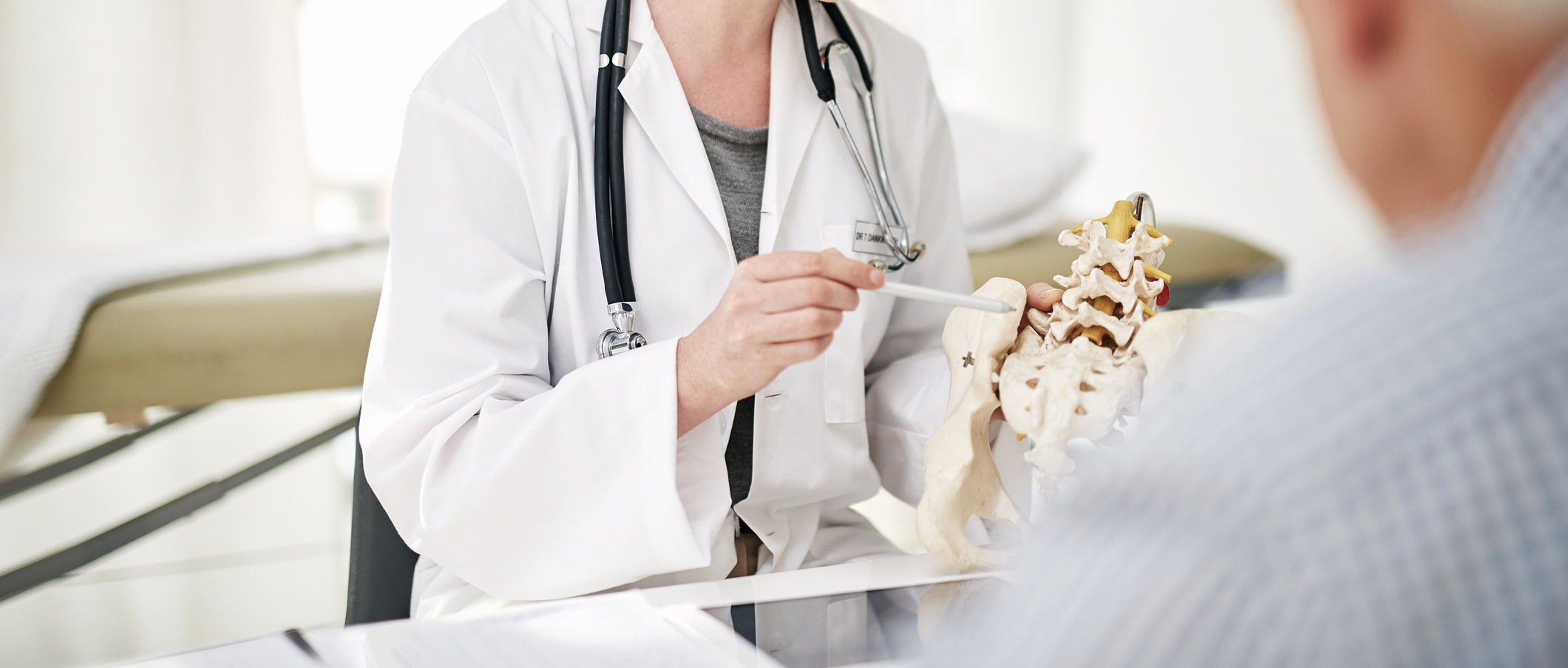
لماذا قد يسبب انقطاع الطمث هشاشة العظام
مراجعة من قبل الدكتورة هايلي ويلاسي، زميلة الكلية الملكية للأطباء العامين آخر تحديث بواسطة الدكتورة سارة جارفيسآخر تحديث 18 أكتوبر 2017
يتوافق مع الإرشادات التحريرية
- تنزيلتنزيل
- مشاركة
- Language
- نقاش
- نسخة صوتية
- أضف إلى المصادر المفضلة على جوجل
Osteoporosis, or thinning of the bones, is sometimes called the ‘silent epidemic’. It’s very common but you may not know you have it until you break a bone. A healthy lifestyle can help avoid it, but you need to know if you’re at risk.
اشترك في دورة انقطاع الطمث المجانية لمدة 10 أسابيع!
كل أسبوع، سنستكشف مواضيع مختلفة لمساعدتك على فهم رحلتك في سن اليأس بشكل أفضل والتعامل معها، بما في ذلك العلاج الهرموني، والنظام الغذائي، والتمارين الرياضية، والصحة النفسية.
من خلال الاشتراك، فإنك تقبل سياسة الخصوصية. يمكنك إلغاء الاشتراك في أي وقت. نحن لا نبيع بياناتك أبدًا.
How does this happen?
We all know bones are the hardest bits of our bodies, and that they make up our skeleton – the framework the rest of our bodies are built around. But did you know that bone doesn’t just sit there? It’s constantly being reabsorbed by the body and rebuilt. Once you’re 40, your bone starts to become less dense as the rate bone is made is exceeded by the rate it’s reabsorbed.
Stats and facts
After the انقطاع الطمث, this process speeds up, meaning women are at much higher risk than men. In fact, 1 in 3 women, and 1 in 5 men over 50 will break a bone because of osteoporosis. The bones you’re most likely to break are your wrist, hip and bones in your spine. Your spine bones can collapse – a so-called 'crush fracture'. This can give rise to chronic pain, but your upper spine can also become hunched over with a ‘dowager’s hump’.
Clearly this causes pain and misery for sufferers, as well as threatening independence. But it’s also a huge financial burden – by 2025, it’s estimated thinning of the bones will cost the NHS £2.2 billion.
What do women worry about?
A recent survey on bone health in women over 45 very much reflects what my patients tell me about their own concerns. More than 2 in 5 women worries about getting frail or weak as they get older and the same number think they should take better care of their health. Half feel they should take their health more seriously, but aren’t doing anything about it. Nearly the same number find it hard to stay physically active.
A whopping 86% worry about losing their independence as they get older. But protecting yourself against osteoporosis could very much stack the odds in your favour.
Why does it happen?
Osteoporosis often runs in families, so having a family history of hip fracture or osteoporosis means you're at risk of it yourself. While men do get osteoporosis, women are at much higher risk. This is partly because while both men and women start to lose bone density with age, men tend to have much higher bone density to begin with. That means they start from a higher base and have more bone density to lose.
After the menopause, levels of the female hormone oestrogen drop in women. This hormone helps protect your bones, so women's bone density falls faster than men's once they lose this protection. Going through the menopause before the age of 45 makes osteoporosis more of a concern, because your oestrogen levels drop sooner than average. Being underweight can affect your calcium absorption, and drops your oestrogen levels if you're a woman.
Steroid tablets can affect the amount of calcium you absorb from your gut and lose through your kidneys, making you more prone to osteoporosis. They're often given in conditions like التهاب المفاصل الروماتويدي (where you may be physically inactive, which also increases your risk) and مرض كرون (where your body may also not be absorbing calcium effectively). Smoking poisons your bones and alcohol stops your body making new bone efficiently.
Seek out the medical help you need
If you’ve broken a bone after a minor injury – such as a fall from standing height or lower – your GP should arrange a bone density scan.This quick and painless investigation can show if you have osteoporosis or an early version of bone thinning called osteopenia. If you have risk factors for osteoporosis, your doctor might suggest a bone scan even if you haven’t broken a bone.
If you’re found to have osteoporosis, your doctor may recommend a regular tablet to reduce further bone thinning. Most of these tablets can be taken once a week, but they have to be taken in a particular way – your pharmacist will advise you.
How can I help myself?
Getting enough calcium in your diet is important for strong bones, whether you have osteoporosis or not. After the menopause, you should ideally increase your calcium intake. Along with any dairy products, tinned fish with bones and green leafy vegetables like spinach, provide calcium. If you can’t get enough in your diet, your doctor may recommend a supplement. Everyone should take a مكمل فيتامين د of 10 micrograms a day in winter. If you have osteoporosis, you should take it all year round.
Weight bearing exercise is key to preventing osteoporosis. Regular exercise will also keep your muscles strong and improve your balance. This cuts the risk of falls and broken bones. Any kind of weight bearing or resistance exercise works (swimming and cycling don’t count). Brisk walking, dancing, tennis or even discovering your inner child and skipping will all help – but do make sure you don’t put yourself at risk of a fall.
اختيارات المرضى لـ هشاشة العظام
العظام والمفاصل والعضلات
متى تبدأ بالقلق بشأن عظامك وهشاشة العظام
Your bones are constantly changing. The earlier you start taking action to support your bone health to prevent osteoporosis, the better.
بقلم فيكتوريا راو
العظام والمفاصل والعضلات
لماذا يمكن أن يكون الأكل النظيف ضارًا لعظامك
The trend for clean eating continues to dominate social media, especially amongst female bloggers and celebrities. Twitter and Facebook are packed with photos of raw vegetable smoothies and advice to cut out meat, dairy, processed foods and caffeine. But will it do us any good? Not according to the National Osteoporosis Society which has warned that the popularity of 'clean eating' and overly restrictive diets is setting up young people for a future where broken bones are the norm. In a survey carried out by the charity, four in ten people aged 18 to 24 years had tried a 'clean eating' diet. This meant that around three million young adults are putting themselves at risk of osteoporosis in later life by avoiding foods that provide key bone health nutrients.
بقلم الدكتورة كاري روكستون، دكتوراه، تغذية الأطفال
الأسئلة الشائعة
What is the difference between osteoporosis and osteopenia?
Osteopenia is an early stage of bone thinning, while osteoporosis indicates that your bones have become significantly less dense and are more prone to breaking.
How do steroid tablets contribute to osteoporosis, and which conditions are they commonly prescribed for?
Steroid tablets can increase your risk of osteoporosis by affecting how much calcium your gut absorbs and how much your kidneys lose. They are often prescribed for conditions like rheumatoid arthritis and Crohn's disease.
Are there any specific lifestyle habits that can negatively impact bone health?
Yes, smoking can directly harm your bones, and consuming alcohol can prevent your body from efficiently making new bone.
If I am found to have osteoporosis, what kind of treatment might my doctor recommend?
If you are diagnosed with osteoporosis, your doctor might suggest taking a regular tablet to help slow down further bone thinning. These tablets often need to be taken in a specific way, and your pharmacist can provide guidance on this.
عن المؤلفعرض السيرة الذاتية الكاملة

الدكتورة سارة جارفيس
استشاري سريري
MA (Cantab), BM, BCh (Oxon), DRCOG, FRCGP, MBE
بعد التدريب في الطب في كامبريدج وأكسفورد، أصبحت الدكتورة سارة جارفيس حاصلة على وسام الإمبراطورية البريطانية طبيبة عامة.
حول المراجععرض السيرة الذاتية الكاملة

الدكتورة هايلي ويلاسي، زميلة الكلية الملكية للأطباء العامين
طبيب عام، مؤلف طبي
MBChB (1992), DRCOG, DFFP, MRCOG (Part 1) MRCGP (2007), DFSRH (2013), MSc - medical education (2020)
كانت الدكتورة هايلي ويلاسي طبيبة عامة في هيئة الخدمات الصحية الوطنية تعمل في شمال غرب إنجلترا، وتقاعدت من الممارسة السريرية في عام 2022 بعد 30 عامًا.
تاريخ المقال
تمت مراجعة المعلومات الموجودة في هذه الصفحة من قبل أطباء مؤهلين.
المقال متاح أيضًا باللغة الإنجليزية, الألمانية, إسبانية, الفرنسية, إيطالي, البرتغالية, الهندية, العبرية, العربية ,، و السويدية.
18 أكتوبر 2017 | أحدث إصدار
آخر تحديث بواسطة
الدكتورة سارة جارفيسمراجعة من قبل
الدكتورة هايلي ويلاسي، زميلة الكلية الملكية للأطباء العامين

اسأل، شارك، تواصل.
تصفح المناقشات، اطرح الأسئلة، وشارك التجارب عبر مئات المواضيع الصحية.

هل تشعر بتوعك؟
قم بتقييم أعراضك عبر الإنترنت مجانًا
اشترك في النشرة الإخبارية للمرضى
جرعتك الأسبوعية من النصائح الصحية الواضحة والموثوقة - مكتوبة لمساعدتك على الشعور بالاطلاع والثقة والتحكم.
من خلال الاشتراك، فإنك تقبل سياسة الخصوصية. يمكنك إلغاء الاشتراك في أي وقت. نحن لا نبيع بياناتك أبدًا.
المزيد عن العظام والمفاصل والعضلات
- آلام الظهر: هل هي نتيجة التوتر أم إصابة؟
- تغلب على البرد: لماذا الحركة مهمة لمفاصلك في الطقس البارد
- ما وراء الحرق: فك شفرة الضجة حول HYROX
- هل يمكن لمكملات الكرياتين أن تساعد في بناء العضلات؟
- جديدDo I need an MRI for my back pain?
- كيف يمكنك الوقاية من هشاشة العظام خلال فترة انقطاع الطمث؟
- كيفية تخفيف آلام المفاصل خلال فترة انقطاع الطمث
- هل الجري ضار لركبتيك؟
- ألم المفاصل - هل هو التهاب الجراب؟
- صحة الركبة: كيفية الوقاية من إصابات الركبة
- أفضل التمارين لآلام الظهر
- ماذا يمكنك أن تفعل للمساعدة في الوقاية من التهاب المفاصل؟
- ما هي الأطعمة المفيدة لالتهاب المفاصل؟
- ما هو تأثير الجلوس الطويل على الكرسي المكتبي - وكيف يمكنك منعه؟
- ما هي المستلزمات التي تحتاجها لحقيبة الإسعافات الأولية الرياضية؟
- جديدلماذا تؤلمني مفاصلي عندما يتغير الطقس؟
- لماذا يجب أخذ إصابات الرأس في الرياضة بجدية أكبر
- لماذا يُساء فهم الألم العضلي الليفي إلى هذا الحد؟
- صحة المرأة في الرياضة: الإصابات، الحيض، والأمومة