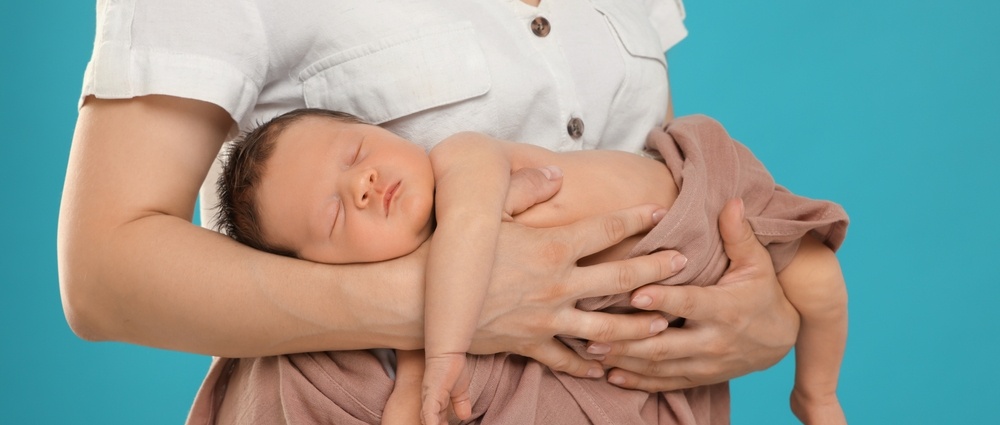
كيفية المساعدة في التعافي بعد الولادة القيصرية
مراجعة من قبل الدكتور كولين تايدي، MRCGPآخر تحديث بواسطة لورانس هيغينزآخر تحديث 15 يونيو 2026
يتوافق مع الإرشادات التحريرية
- تنزيلتنزيل
- مشاركة
- Language
- نقاش
- نسخة صوتية
- أضف إلى المصادر المفضلة على جوجل
When you’re adjusting to life with a baby and juggling milk and nappies, it can be easy to forget you had major surgery if you had a caesarean section (C-section). Recovering from any birth can be difficult, but healing after a C-section comes with unique challenges. So what can you do to help the healing process?
اشترك في دورة الحمل الصحي المجانية لمدة 8 أسابيع!
كل أسبوع سنشارك معلومات مفيدة ونصائح أساسية حول مواضيع مثل التغذية، والتمارين الرياضية، والصحة النفسية، والأعراض التي يجب الانتباه لها، والاستعداد للولادة، لمساعدتك في التنقل خلال رحلة حملك مهما كانت المرحلة التي أنت فيها.
من خلال الاشتراك، فإنك تقبل سياسة الخصوصية. يمكنك إلغاء الاشتراك في أي وقت. نحن لا نبيع بياناتك أبدًا.
Around 1 in 4 women in the UK give birth by قيصرية, an operation to deliver a baby through a cut made in the tummy (abdomen) and womb. It may be a planned procedure or done in an emergency if a vaginal birth is too risky for the woman or baby.
Alanna Linkhorn, a midwife for the pregnancy charity Tommy’s, says it usually takes around six weeks to fully recover from a قيصرية but this will depend on the person.
“Some people may need more time to heal, especially if they had complications during the operation,” she says. “It’s really important that you speak to your doctor if you feel that, at around six weeks, recovery is going slowly or you’re still in pain.”
Take it slow
Moving around after a C-section may feel daunting, but it’s important as it can help prevent جلطات الدم and help recovery.
Val Willcox, practice manager at the National Childbirth Trust, recommends asking a member of staff or your partner to be on hand the first few times, just in case you feel light-headed. “Some women find it helps to roll over to their side and slide their legs off the bed before sitting up,” says Willcox.
You should have your postnatal check-up with your doctor 6 to 8 weeks after your baby's birth to make sure you feel well and are recovering properly. “Gentle التمارين مثل walking can help with recovery, but it’s best to avoid anything more strenuous until you have had your postnatal check-up, have no pain and you feel ready,” says Linkhorn.
“After your check-up, if you no longer feel any pain, it’s usually safe to start low-impact exercises, such as حمامات السباحة, اليوغا or low-resistance gym work,” Linkhorn adds. “However, your doctor will likely recommend you wait for at least 12 weeks before starting any high-impact exercises such as running.”
It’s usual for a scar to look healed externally, but it’s important to remember that the wound may not be fully healed underneath. Linkhorn says the outside skin layer of your wound often heals within the first week post-birth.
“However, the internal healing of muscle and other skin layers is ongoing for many weeks and so it is easy to forget this and start to overdo things,” she says. “Be kind to yourself and listen to your body when it needs to rest and heal.”
Get help at home
Having a queue of visitors wanting to see your baby when you get home can be overwhelming and stressful. However, having some help at home from a relative or friend can be really handy.
“It is advisable to have help at home for at least the first two weeks post-surgery if possible,” says Linkhorn. “Avoid lifting anything heavier than your طفلك, or doing heavy housework including vacuuming, for at least six weeks.”
However, it's not always easy to ask for or accept help and not everyone has friends and family nearby. “Your health visitor or local children's centre should be able to help suggest sources of support,” says Willcox. “If you have any questions or concerns about feeding your baby, you can contact NCT’s Support Line.”
Most people are fit to drive six weeks after a C-section. “If you feel that you are fit to drive before six weeks, you should make sure your insurance company is aware,” she adds.
Get in and out of bed with care
Sitting up, or getting in and out of bed might be painful. You may also risk bursting your stitches. It can help to try rolling onto your side with your knees bent first, then dropping your legs over the side of the bed.
Be aware of infection symptoms
If you have any signs of infection, contact your midwife or doctor immediately.
Signs include:
Having a ارتفاع درجة الحرارة.
ألم في المعدة.
Experiencing chills
الشعور بالتوعك بشكل عام.
Your wound may also be red, hot, swollen or abnormally painful. If infected, the wound may also leak fluid or bleed.
Look after your C-section scar
“Once your doctor has confirmed your wound appears healed and you no longer have any scabbing in the area, they may advise you to start massaging your scar,” says Linkhorn. “This can help to break up the scar tissue, which helps to promote healing and can help improve the look and feel of the scar.”
Look after your mental health
It also takes time to recover emotionally from الولادة, as well as physically. “Even if all goes smoothly, having a C-section can give you emotions you weren’t prepared for,” says Linkhorn.
An emergency caesarean can be a traumatic experience which can lead to القلق, الاكتئاب و اضطراب ما بعد الصدمة (PTSD). Speak to your midwife, health visitor or doctor about how you’re feeling and they will be able to support you.
It’s also common to struggle with your صورة الجسم after birth.
الحمل and birth bring about changes to your body - and while some people feel positive about it, others feel upset. Talking to other women who have had caesareans can help reassure you you’re not alone, however you feel. You may want to join a mother and baby group or an online support group to find others who have had a C-section.
Have sex when you feel ready
“You can resume sexual activity at any point that feels right for you,” says Linkhorn. “Most women tend to wait until their wound feels comfortable and their blood loss has stopped to reduce the chance of infection.
“There is no need to rush and if sex is causing you pain or discomfort following your surgery, it is best to stop. You must use contraception if you do not want to get pregnant again in quick succession as you can conceive at any time after the ولادة.”
Use pain relief
Talk to your midwife or doctor about مسكنات الألم. Your wound will feel sore and bruised for a few weeks and you’re likely to need pain relief for at least seven to ten days after your C-section.
“Some people worry about passing medications on to their baby through breastfeeding. While small amounts of any medicine you take can pass to your baby, it’s unlikely to harm them if you’ve taken the correct dose,” says Linkhorn. However, it is not recommended to take anything codeine or morphine based - including tramadol - as this does cross-over in breast milk and can make the baby sleepy and cause difficulties in breast feeding. At worst it can affect their breathing, cause limpness in the baby and it can cause death.
“It’s important to take your pain relief regularly and on time, even if you don’t have pain at that moment. If you are still having pain even when taking painkillers, speak to your midwife, pharmacist or doctor.”
You’ll still have some vaginal bleeding after a C-section, which mainly comes from where the placenta was attached to the womb. This can last for up to six weeks and will decrease with time. It’s best not to use regular sanitary pads, but to use thicker إجازة الأمومة pads instead and change them each time you go to the toilet. To reduce your risk of infection, avoid using tampons or a cup.
Attend your postnatal appointments
Finally, it’s important to go to your postnatal appointments. “Each hospital trust is different but you can expect a visit from a midwife soon after you return home,” says Willcox.
“You may then be offered appointments at a clinic to have stitches or staples removed, and for check-ups. Seek advice and support from your doctor or health visitor if you have any concerns about your wound or your recovery.”
اختيارات المرضى لـ الولادة والمخاض

الحمل
النساء السود أكثر عرضة لتجربة ولادة جنين ميت مقارنة بالنساء البيض
وجدت أبحاث جديدة أن النساء السود أكثر عرضة بمرة ونصف إلى مرتين للمعاناة من ولادة جنين ميت مقارنة بالنساء البيض.
بقلم ميلي إيفانز

الحمل
الخبراء يشككون في دراسة جديدة تربط بين الولادات القيصرية والتوحد
وجدت مراجعة جديدة للأدلة أن الولادة القيصرية ترتبط بالتوحد واضطراب فرط الحركة ونقص الانتباه. لكن الأطباء والخبراء يشككون في هذه النتائج، مؤكدين أن الولادة القيصرية لا تسبب اضطرابات النمو.
بقلم ميلي إيفانز
عن المؤلفعرض السيرة الذاتية الكاملة
تم التحديث بواسطة

لورانس هيغينز
رئيس التحرير
بكالوريوس، دبلوم دراسات عليا
لورانس عمل كمدير تحرير لموقع Patient.info وككاتب مساهم. وهو أيضًا عضو في نقابة كتاب الصحة.
كتبه

ليديا سميث
كاتب مميز
بكالوريوس، ماجستير، ماجستير علوم
ليديا سميث صحفية حائزة على جوائز وكاتبة مقالات متميزة كتبت بشكل واسع عن صحة المرأة والصحة النفسية. وهي تدرس حاليًا للحصول على درجة الماجستير في علم النفس.
حول المراجععرض السيرة الذاتية الكاملة

الدكتور كولين تايدي، MRCGP
طبيب عام، مؤلف طبي
MBBS, MRCGP, MRCP (Paediatrics), DCH
الدكتور كولين تايدي هو طبيب في هيئة الخدمات الصحية الوطنية، ويعمل في أوكسفوردشاير.
تاريخ المقال
المقال متاح أيضًا باللغة الإنجليزية, الألمانية, إسبانية, الفرنسية, إيطالي, البرتغالية, الهندية, العبرية, العربية ,، و السويدية.
Next review due: 15 Jun 2029
15 يونيو 2026 | أحدث إصدار
10 Apr 2023 | نُشر في الأصل
كتبه:
ليديا سميث
انضم إلى المحادثة
شارك أفكارك أو تجاربك مع الآخرين في مجتمعات المرضى.

اسأل، شارك، تواصل.
تصفح المناقشات، اطرح الأسئلة، وشارك التجارب عبر مئات المواضيع الصحية.

هل تشعر بتوعك؟
قم بتقييم أعراضك عبر الإنترنت مجانًا
اشترك في النشرة الإخبارية للمرضى
جرعتك الأسبوعية من النصائح الصحية الواضحة والموثوقة - مكتوبة لمساعدتك على الشعور بالاطلاع والثقة والتحكم.
من خلال الاشتراك، فإنك تقبل سياسة الخصوصية. يمكنك إلغاء الاشتراك في أي وقت. نحن لا نبيع بياناتك أبدًا.