التهاب الإحليل عند الرجال
Urethral discharge
مراجعة من قبل الدكتور كولين تايدي، MRCGPآخر تحديث بواسطة الدكتورة توني هازيل، زميلة الكلية الملكية للأطباء العامينآخر تحديث 20 يونيو 2024
يتوافق مع الإرشادات التحريرية
- تنزيلتنزيل
- مشاركة
- Language
- نقاش
- نسخة صوتية
- أضف إلى المصادر المفضلة على جوجل
في هذه السلسلة:الأمراض المنقولة جنسياًالثآليل التناسليةالهربس التناسليالسيلانداء المشعراتالميكوبلازما التناسلية
التهاب الإحليل يعني التهاب الإحليل (الأنبوب داخل القضيب الذي ينقل البول من المثانة). عادةً ما يكون التهاب الإحليل ناتجًا عن عدوى تنتقل عن طريق الاتصال الجنسي (STI) ولكن ليس دائمًا. يمكن أن يحدث داخل علاقة مستقرة.
نظرة سريعة
Urethritis is inflammation of the urethra, the tube that carries urine out of the body.
Common symptoms include discharge from the penis, or pain when urinating.
Some men with urethritis have no symptoms.
It is most common in sexually active men under 25 who have recently changed partners.
If you suspect you have urethritis, contact a genitourinary clinic or your GP.
It is important to complete treatment to prevent serious complications for yourself and others.
Do not have sex until you and your partner(s) have completed treatment.
Cross-section diagram showing urethra and nearby structures in men
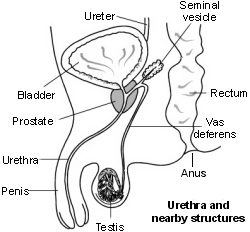
What causes urethritis in men?
Any man can develop urethritis. However, it's most common among sexually active men under 25 who have recently changed their sexual partner. It's also more likely if you have unprotected sex (without a condom). If you have, or have had any STI, you are at more risk of getting another.
السيلان is one type of STI which can cause urethritis.
Non-gonococcal urethritis (NGU) is the term used to describe urethritis caused by anything other than gonorrhoea. Infection with a germ (bacterium) - either Chlamydia trachomatis or Mycoplasma genitalium - is the common cause of NGU. It can also be caused by a variety of other germs (bacteria or viruses). NGU may rarely have a non-infective cause, such as trauma or blockage or a reaction to a soap or cream.
Both. Some men have gonococcal and non-gonococcal urethritis at the same time, for example infection with both gonorrhoea and chlamydia.
No obvious cause can be found in up to three out of ten men with urethritis.
Urethritis symptoms
A fluid (discharge) from the end of the penis is common but does not always occur.
Pain or burning when you pass urine. This may be confused with a عدوى بولية.
You may have soreness or irritation inside the penis, or a feeling of wanting to pass urine frequently.
Some men with urethritis never develop any symptoms. For example, up to half of men with عدوى الكلاميديا (the most common cause of NGU) do not have any symptoms.
Ulceration on the skin at the head of the penis - this may be caused by herpes simplex virus.
How does urethritis progress?
Occasionally, symptoms may clear without treatment but may take months to do so. If your condition has been caused by an infection, germs (bacteria) may still be present, even if the symptoms have gone. You are therefore likely to still be able to pass the infection on to a partner.
One bacterium that commonly causes inflammation of the urethra (urethritis) in men (chlamydia) can cause serious problems in women, including pelvic inflammatory disease (PID) and difficulties with getting pregnant in the future. It is important that you get tested, and treated if necessary, in order to prevent complications for yourself and others.
You can read about possible complications in the separate leaflets called السيلان و التهاب الإحليل غير السيلاني.
What should I do if I have symptoms of urethritis?
If you suspect that you have urethritis, contact your local genitourinary (GUM) clinic - find one from the 'Find a sexual health clinic' link in Further Reading below. Alternatively, contact your GP.
You are likely to be offered tests for فيروس نقص المناعة البشرية, التهاب الكبد و الزهري, as people with inflammation of the urethra (urethritis) sometimes have these conditions as well.
Men who have sex with men may also need to have swabs taken from the back of the throat (pharynx) and back passage (rectum).
The GUM clinic will protect your confidentiality but, if they confirm you have an infection, they will suggest that you contact anyone you had sex with up to three months before you were diagnosed. This is called 'contact tracing'. The clinic can do this for you if you wish and they do not have to give your name.
Medicines called مضادات حيوية will usually clear an infection. The antibiotic prescribed depends on the cause. Make sure you complete the course.
If your urethritis is due to gonorrhoea, it is vital that you have another test after you have been treated to make sure the infection has been cured. This will usually be done 7 - 14 days after treatment.
Tell your sexual partner(s) to see their doctor or go to a GUM clinic, even if they have no symptoms. Many women with sexually transmitted infections do not have symptoms.
Don't have sex (including oral and anal sex) until you and your sexual partner(s) have completed tests and treatment. You should wait seven days after you have had your treatment course to avoid passing on the infection: your doctor will advise.
اختيارات المرضى لـ الصحة الجنسية للرجال

الصحة الجنسية
متلازمة كلاينفلتر
Klinefelter's syndrome is a genetic condition that only affects males. Affected males have an extra X chromosome. It is sometimes just called XXY. Between 1 in 500 and 1 in 1,000 boys are born with Klinefelter's syndrome (KS). Many people with KS are not diagnosed until they are adults, and it is believed that up to two thirds may never be diagnosed at all. Males with Klinefelter's syndrome have small testicles (testes) which do not produce enough of the male hormone testosterone before birth and during puberty. This lack of testosterone means that during puberty, the normal male sexual characteristics may not develop fully. There tends to be reduced facial and body hair, and some breast tissue often develops. The lack of testosterone is also responsible for other symptoms of Klinefelter's syndrome, including infertility. Treatment includes testosterone replacement. This can help improve some of the symptoms but does not have an effect on fertility. The majority of men with Klinefelter's syndrome lead an independent life, forming relationships and getting a normal job. They also often have a normal lifespan.
بقلم الدكتورة توني هازيل، FRCGP

الصحة الجنسية
انخفاض هرمون التستوستيرون
انخفاض هرمون التستوستيرون لدى الرجال (نقص التستوستيرون) غالبًا ما يكون جزءًا من عملية الشيخوخة وبالتالي شائعًا لدى الرجال الأكبر سنًا. يمكن أن يحدث أيضًا في أي عمر نتيجة لحالات تؤثر على الخصيتين أو الغدة النخامية في الدماغ. يمكن علاج انخفاض التستوستيرون بالعلاج ببدائل التستوستيرون. كما ستحتاج أي سبب كامن لنقص التستوستيرون إلى العلاج. ستعتمد التوقعات على السبب الكامن.
بقلم الدكتورة فيليبا فينسنت، MRCGP
الأسئلة الشائعة
Can urethritis resolve on its own?
Occasionally, symptoms of urethritis may disappear without treatment. However, this can take several months. Even if symptoms clear, the infection-causing germs (bacteria) might still be present, meaning you could still pass the infection to a sexual partner.
Does urethritis affect only sexually active men?
While urethritis is most common in sexually active men under 25 who have recently changed partners or had unprotected sex, any man can develop urethritis. It is also more likely if you have had any STI previously.
Can urethritis be caused by something other than an infection?
Yes, in rare cases, non-gonococcal urethritis (NGU) can have a non-infective cause. This could include trauma, a blockage in the urethra, or an allergic reaction to a soap or cream.
Why is it important for my sexual partner(s) to get tested if I have urethritis?
It is important for your sexual partner(s) to get tested, even if they don't have symptoms, because many women with sexually transmitted infections do not show any symptoms. Also, some bacteria that cause urethritis in men, like chlamydia, can lead to serious problems in women, such as pelvic inflammatory disease (PID) and future fertility difficulties. Getting tested and treated prevents complications for both you and others.
What is 'contact tracing'?
Contact tracing is a process where the clinic, after confirming you have an infection, suggests you inform anyone you had sex with up to three months before your diagnosis. The clinic can do this anonymously for you if you prefer, without revealing your name.
Are other tests done when checking for urethritis?
If you are being tested for urethritis, you will likely also be offered tests for HIV, hepatitis, and syphilis. This is because people with urethritis sometimes have these conditions as well. Men who have sex with men might also need swabs taken from their throat and rectum.
قراءة إضافية ومراجع
- BASHH 2015 UK National Guideline on the management of non-gonococcal urethritis; International Journal of STD & AIDS. Last updated 2018,
- الدليل الوطني البريطاني لعام 2018 لإدارة العدوى بالنيسرية البنية; الجمعية البريطانية للصحة الجنسية وفيروس نقص المناعة البشرية (BASHH) - 2018: تمت المراجعة 2020
- ابحث عن عيادة للصحة الجنسية بالقرب منك; خدمات NHS
- CKS Urethritis - male; NICE CKS، مايو 2024 (الوصول متاح فقط في المملكة المتحدة)
عن المؤلفعرض السيرة الذاتية الكاملة

Dr Toni Hazell, FRCGP
بكالوريوس الطب والجراحة، بكالوريوس العلوم، زميل الكلية الملكية للأطباء العامين، دبلوم في الصحة الجنسية والإنجابية، دبلوم في طب الجهاز البولي التناسلي، دبلوم الكلية الملكية لأطباء النساء والتوليد، دبلوم في صحة الطفل (لندن، المملكة المتحدة، 2000)
تخرجت الدكتورة توني هازيل من كلية الطب بمستشفى سانت ماري وأكملت تدريبها في مستشفى نورثويك بارك.
حول المراجععرض السيرة الذاتية الكاملة

الدكتور كولين تايدي، MRCGP
طبيب عام، مؤلف طبي
MBBS, MRCGP, MRCP (Paediatrics), DCH
الدكتور كولين تايدي هو طبيب في هيئة الخدمات الصحية الوطنية، ويعمل في أوكسفوردشاير.
تاريخ المقال
تمت كتابة المعلومات على هذه الصفحة ومراجعتها من قبل أطباء مؤهلين.
المقال متاح أيضًا باللغة الإنجليزية, الألمانية, إسبانية, الفرنسية, إيطالي, البرتغالية, الهندية, العبرية, العربية ,، و السويدية.
المراجعة التالية مستحقة: 19 يونيو 2027
20 يونيو 2024 | أحدث إصدار

اسأل، شارك، تواصل.
تصفح المناقشات، اطرح الأسئلة، وشارك التجارب عبر مئات المواضيع الصحية.

هل تشعر بتوعك؟
قم بتقييم أعراضك عبر الإنترنت مجانًا
اشترك في النشرة الإخبارية للمرضى
جرعتك الأسبوعية من النصائح الصحية الواضحة والموثوقة - مكتوبة لمساعدتك على الشعور بالاطلاع والثقة والتحكم.
من خلال الاشتراك، فإنك تقبل سياسة الخصوصية. يمكنك إلغاء الاشتراك في أي وقت. نحن لا نبيع بياناتك أبدًا.
المزيد في الصحة الجنسية
- الكلاميديا
- واقي ذكري
- طرق منع الحمل الحاجزية
- غرسة منع الحمل
- حقنة منع الحمل
- ضعف الانتصاب
- تعقيم الإناث
- متلازمة كلاينفلتر
- جهاز ليفونورجيستريل داخل الرحم
- وسائل منع الحمل طويلة المفعول والقابلة للعكس
- انخفاض هرمون التستوستيرون
- التهاب الإحليل غير السيلاني
- مرض التهاب الحوض
- حبوب منع الحمل التي تحتوي على البروجستوجين فقط
- الجنس الآمن
- اختبارات الأمراض المنقولة جنسياً
- القلاع عند الرجال
- داء المشعرات
- إفرازات مهبلية
- جفاف المهبل