التهاب الفقرات العنقية
مراجعة من قبل الدكتور كولين تايدي، MRCGPآخر تحديث بواسطة الدكتور دوغ مكيتشني، MRCGPآخر تحديث 18 ديسمبر 2024
يتوافق مع الإرشادات التحريرية
- تنزيلتنزيل
- مشاركة
- Language
- نقاش
- Ask Patient
- نسخة صوتية
- أضف إلى المصادر المفضلة على جوجل
في هذه السلسلة:ألم الرقبةالتواء الرقبة الناتج عن الصدمةالتواء الرقبة
تهدف هذه النشرة إلى الأشخاص الذين أُخبروا بأن لديهم التهاب الفقرات العنقية كسبب لأعراض الرقبة لديهم. التهاب الفقرات العنقية هو تآكل وتمزق في الفقرات والأقراص في الرقبة. إنه جزء طبيعي من الشيخوخة ولا يسبب أعراضًا لدى العديد من الأشخاص. ومع ذلك، فإنه في بعض الأحيان يكون سببًا لألم الرقبة. تميل الأعراض إلى الظهور والاختفاء. تشمل العلاجات الحفاظ على حركة الرقبة، تمارين الرقبة ومسكنات الألم. في الحالات الشديدة، قد يسبب التدهور تهيجًا أو ضغطًا على جذور الأعصاب الشوكية أو الحبل الشوكي. يمكن أن يسبب ذلك أعراضًا في الذراع أو الساق (موضحة أدناه). في هذه الحالات الشديدة، قد تكون الجراحة خيارًا.
نظرة سريعة
التهاب الفقرات العنقية هو تآكل وتمزق مرتبط بالعمر في عظام الرقبة والأقراص.
غالبًا لا يسبب أي أعراض، ولكنه يمكن أن يؤدي إلى ألم وتيبس في الرقبة.
يمكن أن ينتشر الألم إلى الكتفين أو الذراعين أو اليدين، أو يسبب صداعًا.
يشمل العلاج الحفاظ على حركة الرقبة، ومسكنات الألم، والعلاج الطبيعي.
راجع الطبيب إذا تفاقمت الأعراض، أو إذا شعرت بخدر، أو ضعف، أو مشاكل في المشي.
فهم الرقبة
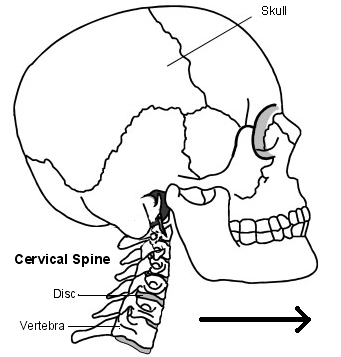
The back of the neck includes the cervical spine and the muscles and ligaments that surround and support it. The cervical spine is made up of seven bones called vertebrae. The first two are slightly different to the rest, as they attach the spine to the skull and allow the head to turn from side to side. The lower five cervical vertebrae are roughly cylindrical in shape - a bit like small tin cans - with bony projections.
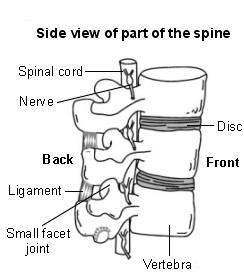
The sides of the vertebrae are linked by small facet joints. Between each of the vertebrae is a 'disc'. The discs are made of a tough fibrous outer layer and a softer gel-like inner part. The discs act like shock absorbers and allow the spine to be flexible.
تتصل الأربطة القوية بالفقرات المجاورة لتوفير دعم وقوة إضافية. تُمكّن العضلات المختلفة المتصلة بالعمود الفقري العمود الفقري من الانحناء والتحرك بطرق مختلفة. (لم تُظهر العضلات ومعظم الأربطة في الرسم التوضيحي، من أجل الوضوح.)
يتم حماية الحبل الشوكي، الذي يحتوي على أنسجة عصبية تحمل الرسائل من وإلى الدماغ، بواسطة العمود الفقري. تخرج الأعصاب من الحبل الشوكي من بين الفقرات في الرقبة لتأخذ وتستقبل الرسائل إلى الرقبة والذراعين. كما يمتد وعاء دموي رئيسي يسمى الشريان الفقري بجانب الفقرات لنقل الدم إلى الجزء الخلفي (الخلفي) من الدماغ.
العمود الفقري العنقي
عرض جانبي لجزء من العمود الفقري
What is cervical spondylosis?
Cervical spondylosis is an age-related degeneration ('wear and tear') of the bones (vertebrae) and discs in the neck. To an extent, we all develop some degeneration in the vertebrae and discs as we become older. It tends to start sometime after the age of about 30.
One feature of the degeneration is that the edges of the vertebrae often develop small, rough areas of bone called osteophytes. Also, over many years, the discs become thinner. This degeneration is a normal ageing process which can be likened to having 'wrinkles in the spine'.
In many people, cervical spondylosis does not cause any symptoms. For example, more than 8 out of 10 people over the age of 60 have signs of cervical spondylosis on X-rays or scans, but don't experience any symptoms from it.
However, in some people, the nearby muscles, ligaments, or nerves may become irritated or pressed on by the degenerative changes. So, cervical spondylosis often causes no problems but can be a cause of neck pain, particularly in older people.
What are the symptoms of cervical spondylosis?
If symptoms develop, they can range from mild to severe. Symptoms may include:
Pain in the neck:
This may spread to the shoulders and base of the skull. Movement of the neck may make the pain worse.
The pain sometimes spreads down an arm to a hand or fingers. This is caused by irritation of a nerve which goes to the arm from the spinal cord in the neck.
The pain tends to come and go with flare-ups from time to time. You may have a flare-up of pain after unaccustomed use of your neck, or if you sprain a neck muscle or ligament.
However, a flare-up often develops for no apparent reason. Some people develop chronic (persistent) pain.
Some neck stiffness, particularly after a night's rest.
Headaches may occur. The headaches often start at the back of the head just above the neck and travel over the top to the forehead.
You may develop 'وخز وتنميل' in part of an arm or hand. This symptom is caused by irritation of a spinal nerve as it leaves the bony (vertebral) area. However, do tell a doctor if loss of feeling (numbness) or weakness develops in a part of a hand or arm. These symptoms suggest more pressure on a nerve. This is called a 'cervical radiculopathy'.
More rarely, clumsiness of a hand, problems with walking, or problems with bladder function occur when pressure from a worn bone (vertebra) or disc damages the spinal cord. This is called 'cervical myelopathy'. Again, it is important to report these symptoms to a doctor.
Note: cervical radiculopathy and cervical myelopathy are discussed further later in the leaflet. The following section concerns cervical spondylosis بدون radiculopathy or myelopathy.
Treatments for cervical spondylosis
مارس تمارين لرقبتك وابقَ نشيطًا
Aim to keep your neck moving as normally as possible. During flare-ups the pain may be quite bad and you may need to rest for a day or so. However, gently exercise the neck as soon as you are able to do so. You should not let it stiffen up. Gradually try to increase the range of the neck movements. Every few hours gently move the neck in each direction. Do this several times a day.
As far as possible, continue with normal activities. You will not cause damage to your neck by moving it.
الأدوية
المسكنات غالبًا ما تكون مفيدة.
الباراسيتامول بكامل قوته يكون غالبًا كافيًا. بالنسبة للبالغين، هذا يعني تناول قرصين بجرعة 500 ملغ، أربع مرات في اليوم.
مسكنات الألم المضادة للالتهابات. Some people find that these work better than paracetamol. They can be used alone or in combination with paracetamol. They include الإيبوبروفين which you can buy at pharmacies or obtain on prescription. Other types such as ديكلوفيناك أو naproxen need a prescription. Some people with stomach ulcers, asthma, high blood pressure, kidney failure, or heart failure may not be able to take anti-inflammatory painkillers.
ت مسكن ألم أقوى مثل كودين is an option if anti-inflammatories do not suit or do not work well. Codeine is often taken in addition to paracetamol. Constipation is a common side-effect from codeine. To prevent constipation, have lots to drink and eat foods with plenty of fibre.
Medicines to treat nerve pain (ألم عصبي المنشأ) are sometimes useful in people with persistent (chronic) neck pain. These include:
A low-dose مضاد اكتئاب ثلاثي الحلقات ,، مثل أميتريبتيلين. The dose of amitriptyline used for pain is 10-30 mg at night. At higher doses, tricyclic antidepressants are used to treat depression. However, at lower doses they have been found to help relieve certain types of pain, including neck pain.
Duloxetine. Duloxetine is a different type of antidepressant. Like amitriptyline, although it was originally developed to treat depression, it can also be useful for treating nerve pain.
جابابنتين أو بريجابالين. These are medicines that were originally developed to treat الصرع, but can be useful for treating nerve pain.
العلاج الطبيعي
If symptoms do not improve over a week or so, you may then be referred to a physiotherapist to help with pain relief and for advice on specific neck exercises.
قد ينصح أخصائي العلاج الطبيعي بعلاجات متنوعة. تشمل هذه العلاجات الجر، الحرارة، البرودة، التلاعب، إلخ. قيمة كل من هذه العلاجات غير مؤكدة، حيث يمكن أن تكون نتائج الدراسات البحثية التي تبحث في أفضل العلاجات متضاربة.
However, what is often most helpful is the advice a physiotherapist can give on neck exercises to do at home. A common situation is for a doctor to advise on painkillers and gentle neck exercises.
علاجات أخرى
Some other treatments which may be advised include:
وضعية جيدة may help. Check that your sitting position at work or at the computer is not poor (that is, not with your head flexed forward with a stooped back). Sit upright. Yoga, Pilates and the Alexander Technique all improve neck posture; however, their value in treating neck pain is uncertain.
وسادة داعمة وثابتة يبدو أنه يساعد بعض الأشخاص عند النوم. حاول ألا تستخدم أكثر من وسادة واحدة.
Treatment may vary and you should go back to see a doctor:
If the pain becomes worse or severe.
If other symptoms develop such as loss of feeling (numbness), weakness, or persistent pins and needles in a part of an arm or hand, as described previously.
If you develop any problems with walking or with passing urine. Again these symptoms suggest that cervical myelopathy may be developing as a complication of the cervical spondylosis.
If you develop dizziness or blackouts when turning the head or bending the neck. This can suggest that the vertebral artery which supplies the brain is being nipped by the degenerative changes in the spine.
Other pain-relieving techniques may be tried if the pain becomes chronic. For example, you may be referred to a pain clinic and a pain management programme may be offered to help you control and live with your pain.
Chronic neck pain is also sometimes associated with anxiety and depression which may also need to be treated.
Cervical radiculopathy and cervical myelopathy
Cervical spondylosis is an age-related degeneration ('wear and tear') of the bones (vertebrae) and discs in the neck. Sometimes, it can put pressure on the nerves coming out of the spine (cervical radiculopathy) or on the spine itself (cervical myelopathy). Most cases do not. However, it may be useful to be aware of the symptoms that suggest they may be happening, particularly as some of them may develop slowly. See a doctor if you suspect that you are developing cervical radiculopathy or cervical myelopathy.
اعتلال الجذور العنقية
This occurs when the root of a nerve is pressed on or damaged as it comes out from the spinal cord in the neck (cervical) region. Although there are other causes of radiculopathy, cervical spondylosis is a common cause.
Degenerative changes to the joints around the vertebrae and osteophyte formation produce areas of narrowing which may nip the nerve. Another cause is a prolapsed disc. This is sometimes called a 'slipped disc' although the disc does not actually slip. What happens is that part of the inner softer area of the disc bulges out (prolapses) through a weakness in the outer harder part of the disc. This presses on the nerve as it passes out between the vertebra (see diagram).
Cervical vertebra
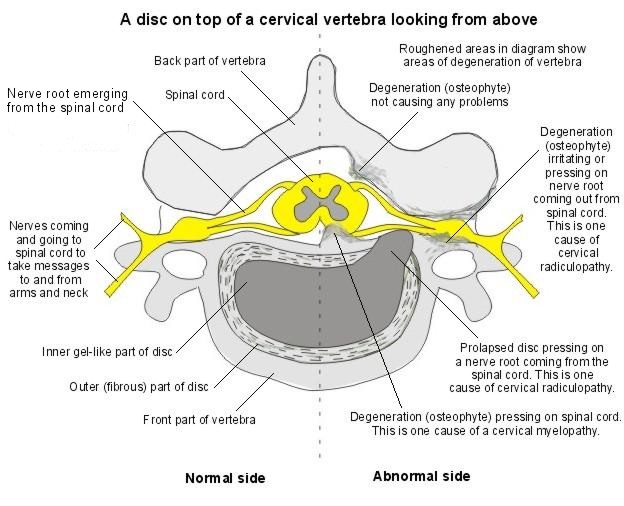
As well as neck pain, symptoms of radiculopathy include loss of feeling (numbness), pins and needles, pain and weakness in parts of an arm or hand supplied by the nerve. These other symptoms may actually be the main symptoms rather than neck pain. There may be shooting pains down into the arm. The symptoms are usually worse in one arm but may affect both. The pain may be severe enough to interfere with sleep. The lower cervical vertebrae are the usual ones affected, causing these symptoms in the arms. However, if the upper vertebrae are involved, the pain and numbness occur at the back and the side of the head.
Your doctor may suspect a radiculopathy if you have the typical symptoms. A doctor's examination may show changes to the sensation, power and tendon reflexes to areas of the arm supplied by the affected nerve. You may then be referred to a specialist for further tests. These may include an MRI scan which will show whether the nerve roots are being pressed on.
Treatment will depend on how severe the pressure and damage are. In many cases the symptoms settle over time. A course of physiotherapy or a neck collar used for a prescribed period may help. However, in some situations, surgery may be recommended which aims to relieve the pressure on the nerve. Depending on the cause, this may involve surgery to the disc or to the vertebra itself.
Cervical myelopathy
This occurs when there is pressure on or damage to the spinal cord itself. Again, cervical spondylosis is a common cause of this condition, as the degenerative changes to the vertebra can narrow the canal through which the spinal cord passes. A prolapse of a cervical disc can also cause myelopathy if the prolapse is into the central canal of the vertebra. This may happen suddenly or develop over a period of time. There are various other rare causes of cervical myelopathy. For example, a tumour or infection that affects this part of the spinal cord.
As the spinal cord is made up of groups of nerve fibres carrying messages to the brain from the rest of the body, pressure on these nerves in the neck region can produce symptoms from several parts of the body.
The symptoms of a cervical myelopathy may include:
Difficulties with walking. For example, the legs may feel stiff and clumsy.
Changes to the sensation of the hands. For example, it may be difficult to feel and recognise objects in the usual way and you may have a tendency to drop things.
Problems with your bladder. For example, you may experience problems with emptying your bladder, or incontinence.
A doctor's examination may show changes to the sensation, power and tendon reflexes to the legs and arms. You are likely to be referred to a specialist for further tests, usually an MRI scan. This will show how the spinal cord is affected and whether any surgical treatment to relieve the pressure is likely to help.
اختيارات المرضى لـ اضطرابات الرقبة والعمود الفقري

العظام والمفاصل والعضلات
الجنف والحداب
الجنف هو حالة تؤثر على الظهر حيث يتسبب في انحناء العمود الفقري إلى الجانب - إما إلى اليسار أو اليمين. تتطور معظم الحالات لدى الأطفال بين سن 9 و14 عامًا خلال فترة النمو السريع في سن البلوغ. عادة ما يكون الجنف خفيفًا ولا يحتاج إلى علاج. في الحالات الأكثر شدة، تشمل العلاجات تمارين محددة، أو دعامة للظهر، أو أحيانًا جراحة لتقويم العمود الفقري. يُطلق على الانحناء الأمامي والخلفي البارز جدًا اسم الحدب، والذي عادة لا يحتاج إلى علاج.
بقلم الدكتور كولين تايدي، MRCGP
العظام والمفاصل والعضلات
آلام الظهر والعمود الفقري
آلام الظهر شائعة للغاية؛ معظمنا سيعاني من آلام الظهر في مرحلة ما. يمكن للأطفال أن يعانوا من آلام الظهر ولكنها أكثر شيوعًا لدى البالغين. تقدم هذه النشرة بعض المعلومات العامة عن الظهر وآلام الظهر. كما ستوجهك إلى صفحات تحتوي على معلومات أكثر تفصيلًا حول الحالات المختلفة التي يمكن أن تسبب آلام الظهر.
بقلم الدكتورة توني هازيل، FRCGP
الأسئلة الشائعة
هل يمكن أن يسبب التهاب الفقرات العنقية ألمًا في الذراع؟
نعم، يمكن أن ينتشر الألم الناتج عن التهاب الفقرات العنقية أحيانًا إلى أسفل الذراع وصولاً إلى اليد أو الأصابع. يحدث هذا بسبب تهيج العصب الذي يمتد من الحبل الشوكي في الرقبة إلى الذراع. إذا كنت تعاني أيضًا من فقدان الإحساس (الخدر) أو الضعف، فقد يشير ذلك إلى ضغط أكبر على العصب، وهي حالة تُسمى 'اعتلال الجذور العنقية'.
هل البيلاتس مفيد لالتهاب الفقرات العنقية؟
يُذكر أن البيلاتس، إلى جانب اليوغا وتقنية ألكسندر، قد يساعد في تحسين وضعية الرقبة. ومع ذلك، يوضح المقال أن قيمة هذه الأساليب المحددة في علاج آلام الرقبة بشكل مباشر غير مؤكدة.
هل يمكن أن يسبب التهاب الفقرات العنقية الوفاة؟
المقال لا يذكر أن التهاب الفقرات العنقية يسبب الوفاة. يركز على الأعراض مثل الألم، والتيبس، وفي الحالات الأكثر شدة، مشاكل مثل الخرق، مشاكل في المشي، أو خلل في المثانة، والتي تنشأ من الضغط على الأعصاب الشوكية أو الحبل الشوكي نفسه. هذه الأعراض الأكثر شدة، التي تسمى اعتلال النخاع العنقي، تتطلب اهتمامًا طبيًا فوريًا.
ما هي أوضاع النوم أو الوسائد الأفضل لالتهاب الفقرات العنقية؟
على الرغم من أن المقالة لا تفصل أوضاع النوم المحددة، إلا أنها تشير إلى أن الوسادة الداعمة الصلبة تبدو مفيدة لبعض الأشخاص عند النوم مع التهاب الفقرات العنقية. كما تنصح بعدم استخدام أكثر من وسادة واحدة.
ماذا لو تفاقمت الأعراض لدي أو ظهرت مشاكل جديدة؟
يجب عليك العودة لرؤية الطبيب إذا أصبح الألم أسوأ أو شديدًا، أو إذا ظهرت أعراض جديدة. تشمل هذه الأعراض فقدان الإحساس (الخدر)، الضعف، الشعور المستمر بالوخز في الذراع أو اليد، أو أي مشاكل في المشي أو التبول. قد تشير هذه الأعراض الجديدة إلى مضاعفات أكثر خطورة مثل اعتلال النخاع العنقي أو زيادة الضغط على الأعصاب، ومن المهم إجراء مراجعة طبية مبكرة. كما أن الدوخة أو الإغماء عند تحريك الرأس تستدعي زيارة الطبيب.
قراءة إضافية ومراجع
- Kuijper B, Tans JT, Beelen A, et al; Cervical collar or physiotherapy versus wait and see policy for recent onset cervical radiculopathy: randomised trial. BMJ. 2009 Oct 7;339:b3883. doi: 10.1136/bmj.b3883.
- Jiang SD, Jiang LS, Dai LY; Degenerative cervical spondylolisthesis: a systematic review. Int Orthop. 2011 Jun;35(6):869-75. doi: 10.1007/s00264-010-1203-5. Epub 2011 Jan 25.
- McCormick JR, Sama AJ, Schiller NC, et al; Cervical Spondylotic Myelopathy: A Guide to Diagnosis and Management. J Am Board Fam Med. 2020 Mar-Apr;33(2):303-313. doi: 10.3122/jabfm.2020.02.190195.
- ألم الرقبة - اعتلال الجذور العنقية، NICE CKS، نوفمبر 2023 (الوصول متاح فقط في المملكة المتحدة)
- ألم الرقبة - غير محدد; NICE CKS، أبريل 2023 (الوصول متاح فقط في المملكة المتحدة)
عن المؤلفعرض السيرة الذاتية الكاملة
تم التحديث بواسطة

الدكتور دوغ مكيتشني، MRCGP
كاتب طبي
MA, MBBS, MSc, DRCOG, MRCP(UK), MRCGP(2021), FHEA
الدكتور دوغ مكيتشني هو طبيب عام في هيئة الخدمات الصحية الوطنية يعمل في لندن. يعمل بدوام كامل في المجال السريري وهو أيضًا نائب رئيس وحدة الممارسة السريرية والمهنية في كلية الطب بجامعة كوليدج لندن.
حول المراجععرض السيرة الذاتية الكاملة

الدكتور كولين تايدي، MRCGP
طبيب عام، مؤلف طبي
MBBS, MRCGP, MRCP (Paediatrics), DCH
الدكتور كولين تايدي هو طبيب في هيئة الخدمات الصحية الوطنية، ويعمل في أوكسفوردشاير.
تاريخ المقال
المقال متاح أيضًا باللغة الإنجليزية, الألمانية, إسبانية, الفرنسية, إيطالي, البرتغالية, الهندية, العبرية, العربية ,، و السويدية.
المراجعة التالية مستحقة: 17 ديسمبر 2027
18 ديسمبر 2024 | أحدث إصدار
المهنيين الطبيين
Looking for more in-depth clinical detail? Our Professional Reference articles are written for doctors, nurses and other healthcare professionals. They include comprehensive clinical guidance, diagnostic information and UK/European evidence summaries. If you need the clinical version, you can read the Professional Reference article on this topic.
شارك أفكارك أو تجاربك مع الآخرين في مجتمعات المرضى.
وصول بسيط إلى العلاجات والخدمات الصحية الموثوقة عبر الإنترنت.
Common conditions
Get help with common conditions through the NHS, without a GP appointment.
 التهاب الجيوب الأنفية الحاد
 التهاب اللوزتين البكتيري
 القوباء
 لدغات الحشرات
 الحزام الناريعدوى المسالك البولية
اشترك في النشرة الإخبارية للمرضى
جرعتك الأسبوعية من النصائح الصحية الواضحة والموثوقة - مكتوبة لمساعدتك على الشعور بالاطلاع والثقة والتحكم.
من خلال الاشتراك، فإنك تقبل سياسة الخصوصية. يمكنك إلغاء الاشتراك في أي وقت. نحن لا نبيع بياناتك أبدًا.