مشاكل القرص الفقري
مراجعة من قبل الدكتور كولين تايدي، MRCGPآخر تحديث بواسطة الدكتورة هايلي ويلاسي، زميلة الكلية الملكية للأطباء العامين آخر تحديث 17 نوفمبر 2024
يتوافق مع الإرشادات التحريرية
- تنزيلتنزيل
- مشاركة
- Language
- نقاش
- نسخة صوتية
- أضف إلى المصادر المفضلة على جوجل
Spinal discs are also called intervertebral discs. There is a spinal disc between each bone (vertebra) in your spine. This keeps the vertebrae separated and acts as a shock absorber. As we get older the spinal discs gradually become damaged and this can cause problems such as back pain. Other problems affecting the spinal discs include a slipped disc or, much more rarely, infection (discitis).
نظرة سريعة
الأقراص الفقرية هي ممتصات للصدمات بين العظام في عمودك الفقري.
تشمل المشاكل الشائعة الانزلاق الغضروفي، مرض القرص التنكسي، وعدوى القرص (التهاب القرص).
غالبًا ما تشمل الأعراض آلام الظهر، والتي قد تمتد إلى ساقيك.
"الأعراض "المثيرة للقلق" مثل ضعف الساق الشديد أو مشاكل المثانة/الأمعاء تحتاج إلى عناية طبية فورية.
قد يتضمن التشخيص إجراء فحوصات بالرنين المغناطيسي بعد تقييم الأعراض الخاصة بك.
عادةً ما يبدأ العلاج بمسكنات الألم، والتمارين الرياضية، والحفاظ على النشاط.
What are spinal discs?
العمود الفقري القطني والحبل الشوكي
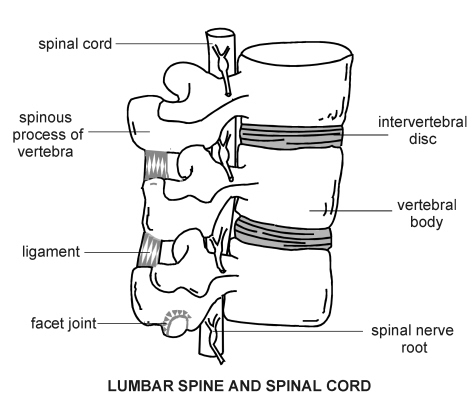
The spinal discs lie between the vertebrae in your spine. Spinal discs are also called intervertebral discs. A spinal disc acts as shock absorber between each of the vertebrae in the spinal column. Each disc keeps the vertebrae separated. The spinal discs also protect the nerves that run down the middle of the spine and the nerves that pass out of each level of the spinal column.
The spinal cord is shorter than the spinal canal. The cord ends between the first and second lumbar vertebrae in adults and between the second and third lumbar vertebrae in children. Below the end of the spinal cord, the nerve roots form what is called the cauda equina (because it looks like a horse's tail). Any problem with the spine below the first lumbar vertebra can cause weakness in the legs and also bladder or bowel upset. This is called cauda equina syndrome.
What are the causes of spinal disc problems?
The main causes of spinal disc problems include:
Slipped disc (prolapsed disc).
Degenerative disc disease. As we get older the spinal discs become damaged and weaker (degenerate).
Infection of the spinal disc (discitis). The infection is usually caused by a germ (bacterium) but is sometimes caused by a viral infection. See the end of this leaflet for more information about discitis.
A prolapsed disc
A 'slipped' (prolapsed) disc often causes severe lower back pain. The disc often presses on a nerve root which can cause pain and other symptoms in a leg. For more information see the separate leaflet called Slipped disc (Prolapsed disc).
Degenerative disc disease
As we get older our spinal discs begin to shrink. The disc dries out and doesn't absorb shocks as well. Over a period of time this degeneration can be aggravated by sports and our daily activities. Injuries to our back can also cause the discs to degenerate more quickly. There is very little blood supply to the disc. So, once a disc is injured it cannot repair itself and the disc can start to deteriorate.
Nearly everyone has some signs of wear and tear of the spinal discs as they get older. Almost everyone older than 60 years has some degeneration of the discs, but not all people with disc degeneration will have back pain. In some cases, the discs may collapse completely and cause the facet joints in the vertebrae to rub against one another. This causes arthritis of the facet joints.
What are the symptoms of spinal disc problems?
Spinal disc problems can lead to symptoms of back pain, most often low back pain. The pain may also go into one or both of your legs (sciatica). Back pain with or without sciatica is very common. Most causes are not serious but it is very important for any serious cause to be found early so that it can be treated.
Nerve pain occurs if the affected disc is pressing on a nerve. The most common nerve pain caused by disc problems is sciatica - where the affected disc presses on your sciatic nerve, causing pain radiating into your leg. This nerve travels from your spine to your hip and buttock and down your leg.
The pain can be sudden and sharp, and move down the nerve to your leg and sometimes down to your foot. The pressure of the disc on the nerve may also cause numbness and tingling.
Sciatica is caused by a problem with a disc in your lower back (lumbar spine). A similar problem with a disc in your neck (cervical spine) may cause pain, numbness and tingling in your arm.
What are red flags?
'Red flags' are symptoms which may suggest that there is a serious underlying condition that is causing your symptoms.
Red flags that suggest cauda equina syndrome
Severe or worsening weakness of both legs.
Being unable to empty your bladder.
Loss of the feeling when you empty your bladder.
Losing control of your bladder (urinary incontinence).
Losing control of your bowels (faecal incontinence). This is caused by a loss of feeling of your rectum being full and weakness (laxity) of your back passage (anus).
Red flags that suggest spinal fracture
Sudden severe pain in your spine which is relieved by lying down.
History of major or minor injury - or even just strenuous lifting if you have 'thinning' of the bones (osteoporosis).
Localised tenderness over one of your vertebrae.
Red flags that suggest cancer or infection
(Infection includes conditions such as discitis, vertebral osteomyelitis, or spinal epidural abscess.)
Onset of symptoms in people aged older than 50 years, or younger than 20 years.
Pain that remains when you are lying down, night pain that disturbs your sleep, or pain in your spine in your upper or middle back (thoracic spine).
Past history of cancer.
High temperature (fever) or unexplained weight loss.
Recent infection (for example, urinary tract infection).
Drug abuse when the drug is injected into a vein.
Weak body defence against infection (immune deficiency).
Red flags that suggest arthritis affecting the spine
Early morning stiffness lasting longer than 45 minutes.
Pain during the night.
Pain that improves when you are moving and is worse after resting.
Red flags that suggest a high risk of permanent nerve damage
Muscle weakness or wasting.
Do you need any tests for spinal disc problems?
Sometimes no tests are needed but this will depend on your symptoms.
Initial tests may include blood tests. X-rays of your spine aren't usually recommended but you may need a فحص التصوير بالرنين المغناطيسي (MRI) which will help to confirm the diagnosis and decide on the best treatment
What are the treatment options?
If there are red flag symptoms and signs that may suggest a serious underlying cause, you will need to be admitted urgently to hospital, or referred urgently to a neurosurgery or back specialist (an orthopaedic spinal specialist).
Otherwise, the initial treatment is usually مسكنات الألم, simple back exercises and advice for you to keep as normally active and mobile as you can,
If the pain or any restrictions caused by the problem with your back last for more than 1-2 weeks the treatment options include:
العلاج الطبيعي.
Referral to a specialist for an epidural corticosteroid injection.
Further treatment may be needed from an orthopaedic spinal specialist or a pain specialist.
What are the possible complications?
Permanent nerve damage may be caused by prolonged and severe disc problems.
The pain and restrictions may lead to psychological and social problems - for example, depression and being unable to continue with socialising and hobbies.
The pain and restrictions may also prevent you from working.
ما هي التوقعات؟
The outlook (prognosis) is good for most people. However, some people will continue to have pain for longer than one year and sometimes much longer. The outlook tends to be worse for people who initially have more severe pain and have a greater restriction of daily activities.
Can spinal disc problems be prevented?
We should all take good care of our back. The ways we can do this include:
ممارسة التمارين بانتظام.
Weight loss if you are overweight.
Safe lifting techniques (such as bending your knees when lifting objects).
Correct sitting position and posture.
Discitis
Inflammation of a spinal disc (discitis) is rare. It is often caused by infection with a germ (a bacterial infection). Sometimes, however, the infection may be caused by a virus. Occasionally discitis is not caused by infection but results from a chemical reaction when you have a spinal injection.
Infection of the disc may occur after back surgery or a needle placed in the back for a lumbar puncture أو spinal injection. Infection can also spread from other sites in your body via the bloodstream - for example, a urinary tract infection or throat infection.
Discitis is more common in people with diabetes, in any condition reducing the body's defence against infection (immune deficiency) and in people with مرض الشرايين المحيطية. Drug misuse and alcohol misuse are also risk factors.
Severe, almost unbearable back pain is usually the main symptom of discitis. The pain is usually just in the area of the affected spinal disc and doesn't travel down your leg or to any other parts of your body. Other symptoms can include changes in your posture, stiffness in your back, difficulty performing your daily tasks, tummy (abdominal) pain or discomfort, and high temperature (fever).
Infection of the disc can be very difficult to treat. It usually takes a long course of antibiotics, usually given by injection into a vein (intravenously). Usually a period of six to eight weeks of antibiotic treatment is needed. مسكنات الألم القوية are often needed and other treatments may include surgery.
اختيارات المرضى لـ اضطرابات الرقبة والعمود الفقري
العظام والمفاصل والعضلات
آلام الظهر والعمود الفقري
آلام الظهر شائعة للغاية؛ معظمنا سيعاني من آلام الظهر في مرحلة ما. يمكن للأطفال أن يعانوا من آلام الظهر ولكنها أكثر شيوعًا لدى البالغين. تقدم هذه النشرة بعض المعلومات العامة عن الظهر وآلام الظهر. كما ستوجهك إلى صفحات تحتوي على معلومات أكثر تفصيلًا حول الحالات المختلفة التي يمكن أن تسبب آلام الظهر.
بقلم الدكتورة توني هازيل، FRCGP

العظام والمفاصل والعضلات
الجنف والحداب
الجنف هو حالة تؤثر على الظهر حيث يتسبب في انحناء العمود الفقري إلى الجانب - إما إلى اليسار أو اليمين. تتطور معظم الحالات لدى الأطفال بين سن 9 و14 عامًا خلال فترة النمو السريع في سن البلوغ. عادة ما يكون الجنف خفيفًا ولا يحتاج إلى علاج. في الحالات الأكثر شدة، تشمل العلاجات تمارين محددة، أو دعامة للظهر، أو أحيانًا جراحة لتقويم العمود الفقري. يُطلق على الانحناء الأمامي والخلفي البارز جدًا اسم الحدب، والذي عادة لا يحتاج إلى علاج.
بقلم الدكتور كولين تايدي، MRCGP
الأسئلة الشائعة
هل هناك أنشطة أو وظائف معينة تزيد من خطر الإصابة بمشاكل في الأقراص الفقرية؟
بينما يُعتبر تدهور الأقراص الفقرية جزءًا طبيعيًا من عملية الشيخوخة، يمكن لبعض الأنشطة أن تزيد من سرعة هذا التدهور. يمكن أن تساهم الرياضة والأنشطة اليومية والإصابات في الظهر في تسريع تدهور الأقراص. لذلك، فإن الوظائف أو الهوايات التي تتضمن نشاطًا بدنيًا شاقًا أو خطرًا أكبر للإصابة في الظهر قد تزيد من احتمالية ظهور المشاكل.
هل يمكنني منع تدهور الأقراص مع تقدمي في العمر؟
تدهور الأقراص هو عملية طبيعية تحدث مع تقدمنا في العمر، حيث يظهر لدى الجميع تقريبًا فوق سن الستين بعض علامات التآكل. ومع ذلك، يمكنك اتخاذ خطوات للعناية بظهرك، مما قد يساعد في إدارة هذه العملية. تشمل هذه الخطوات الحفاظ على وزن صحي، ممارسة التمارين الرياضية بانتظام، استخدام تقنيات الرفع الآمنة (ثني الركبتين)، وممارسة وضعية الجلوس الصحيحة.
ما الفرق بين 'الانزلاق الغضروفي' و 'مرض القرص التنكسي'؟
'يشير مصطلح 'الانزلاق الغضروفي' (أو القرص المنزلق) إلى الحالة التي يتحرك فيها القرص من موضعه الطبيعي، وغالبًا ما يضغط على جذر العصب مما يسبب الألم. من ناحية أخرى، تصف 'مرض القرص التنكسي' العملية الطبيعية التي يتقلص فيها الأقراص وتجف وتصبح أقل فعالية كممتصات للصدمات مع تقدمنا في العمر. بينما يمكن أن يسبب كلاهما أعراضًا، فإن أحدهما حدث حاد والآخر عملية تدريجية من التآكل والتلف.
إذا كنت أعاني من تآكل في الأقراص الفقرية، هل يعني ذلك أنني سأعاني بالتأكيد من آلام الظهر؟
لا، ليس بالضرورة. في حين أن معظم الأشخاص الذين تزيد أعمارهم عن 60 عامًا يعانون من بعض التدهور في أقراصهم، إلا أن ليس كل الأشخاص الذين يعانون من تدهور الأقراص سيشعرون بألم في الظهر. وجود التدهور لا يعني تلقائيًا أنك ستعاني من الأعراض.
كم من الوقت يجب أن أتوقع أن أشعر بتحسن بعد بدء العلاج لمشكلة في القرص الفقري؟
بالنسبة لمعظم الناس، فإن التوقعات جيدة. ومع ذلك، قد يستمر بعض الأفراد في الشعور بالألم لأكثر من عام، وأحيانًا لفترة أطول. يمكن أن يختلف وقت التعافي، خاصة بالنسبة لأولئك الذين يعانون في البداية من ألم أشد وقيود أكبر في أنشطتهم اليومية.
قراءة إضافية ومراجع
- Low back pain and sciatica in over 16s: assessment and management; NICE Guidelines (November 2016 - last updated December 2020)
- Molinos M, Almeida CR, Caldeira J, et al; Inflammation in intervertebral disc degeneration and regeneration. J R Soc Interface. 2015 Mar 6;12(104):20141191. doi: 10.1098/rsif.2014.1191.
- Back pain - low (without radiculopathy); NICE CKS، سبتمبر 2023 (الوصول متاح فقط في المملكة المتحدة)
- Sciatica (lumbar radiculopathy); NICE CKS، سبتمبر 2023 (الوصول متاح فقط في المملكة المتحدة)
عن المؤلفعرض السيرة الذاتية الكاملة

الدكتورة هايلي ويلاسي، زميلة الكلية الملكية للأطباء العامين
طبيب عام، مؤلف طبي
MBChB (1992), DRCOG, DFFP, MRCOG (Part 1) MRCGP (2007), DFSRH (2013), MSc - medical education (2020)
كانت الدكتورة هايلي ويلاسي طبيبة عامة في هيئة الخدمات الصحية الوطنية تعمل في شمال غرب إنجلترا، وتقاعدت من الممارسة السريرية في عام 2022 بعد 30 عامًا.
حول المراجععرض السيرة الذاتية الكاملة

الدكتور كولين تايدي، MRCGP
طبيب عام، مؤلف طبي
MBBS, MRCGP, MRCP (Paediatrics), DCH
الدكتور كولين تايدي هو طبيب في هيئة الخدمات الصحية الوطنية، ويعمل في أوكسفوردشاير.
تاريخ المقال
تمت كتابة المعلومات على هذه الصفحة ومراجعتها من قبل أطباء مؤهلين.
المقال متاح أيضًا باللغة الإنجليزية, الألمانية, إسبانية, الفرنسية, إيطالي, البرتغالية, الهندية, العبرية, العربية ,، و السويدية.
المراجعة التالية مستحقة: 16 نوفمبر 2027
17 نوفمبر 2024 | أحدث إصدار
آخر تحديث بواسطة
الدكتورة هايلي ويلاسي، زميلة الكلية الملكية للأطباء العامينمراجعة من قبل
الدكتور كولين تايدي، MRCGP

اسأل، شارك، تواصل.
تصفح المناقشات، اطرح الأسئلة، وشارك التجارب عبر مئات المواضيع الصحية.

هل تشعر بتوعك؟
قم بتقييم أعراضك عبر الإنترنت مجانًا
اشترك في النشرة الإخبارية للمرضى
جرعتك الأسبوعية من النصائح الصحية الواضحة والموثوقة - مكتوبة لمساعدتك على الشعور بالاطلاع والثقة والتحكم.
من خلال الاشتراك، فإنك تقبل سياسة الخصوصية. يمكنك إلغاء الاشتراك في أي وقت. نحن لا نبيع بياناتك أبدًا.
المزيد عن العظام والمفاصل والعضلات
- إصابة الكاحل
- آلام الظهر عند الأطفال
- تلين غضروف الرضفة
- متلازمة إهلرز دانلوس
- متلازمة ألم المدور الأكبر
- شد في الفخذ
- متلازمة اهتزاز اليد والذراع
- مشاكل الورك
- ركبة الخادمة
- استبدال الركبة
- ألم الفخذ المذلي
- الوهن العضلي الوبيل
- مرض باجيت العظمي
- كسور الحوض
- التهاب العضلات الروماتزمي المتعدد
- انزلاق غضروفي
- الالتواءات والإجهادات
- تصلب الجلد الجهازي
- مرفق التنس
- إصبع الزناد