الوهن العضلي الوبيل
مراجعة من قبل الدكتورة راشيل هدسون، MRCGPآخر تحديث بواسطة الدكتورة كارولين ويجينز، MRCGP آخر تحديث 21 مايو 2025
يتوافق مع الإرشادات التحريرية
- تنزيلتنزيل
- مشاركة
- Language
- نقاش
- نسخة صوتية
- أضف إلى المصادر المفضلة على جوجل
Myasthenia gravis (MG) is a condition where muscles become easily tired and weak. It is due to a problem with how the nerves stimulate the muscles to tighten (contract). The muscles around the eyes are commonly affected first. This causes drooping eyelids and double vision. Treatment is usually effective. However, relapses are common and many people with myasthenia gravis have long-term difficulties with their daily activities.
نظرة سريعة
الوهن العضلي الوبيل هو حالة مناعية ذاتية نادرة حيث يهاجم الجهاز المناعي عن طريق الخطأ الروابط بين الأعصاب والعضلات.
يسبب ضعف العضلات الذي يزداد سوءًا مع النشاط ويتحسن مع الراحة.
غالبًا ما تؤثر الأعراض على عضلات العين، مما يؤدي إلى تدلي الجفون أو الرؤية المزدوجة.
يمكن أن تتأثر أيضًا العضلات الأخرى حول الوجه والحلق والذراعين والساقين والصدر.
تشخيص الحالة يتضمن فحص ضعف العضلات، اختبارات الدم للأجسام المضادة، وفحوصات الصدر.
يشمل العلاج الأدوية لتحسين قوة العضلات، والستيرويدات، وأحيانًا الجراحة لإزالة الغدة الزعترية.
Understanding muscle
Each muscle is supplied by a nerve which splits into smaller nerves as they spread along the muscle fibres. There is a tiny gap between the ends of the nerves and the surface of the muscle. This gap is called the neuromuscular junction (see diagram below).
الوهن العضلي الوبيل
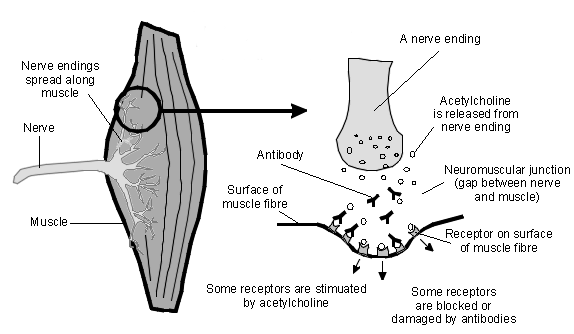
The brain sends messages down the nerves to the muscles it wants to tighten (contract). The nerve endings release a chemical called a neurotransmitter into the neuromuscular junction. This neurotransmitter is called acetylcholine. The acetylcholine moves across the neuromuscular junction and quickly attaches to receptors on the muscles. This triggers the muscle to tighten (contract). There are lots of acetylcholine receptors on each muscle fibre.
ما هو الوهن العضلي الوبيل؟
People with myasthenia gravis have a fault in the way nerve messages are passed from the nerves to the muscles at the neuromuscular junction. The muscles become easily tired and weak.
What causes myasthenia gravis?
Myasthenia gravis is an autoimmune disease. This means that الجهاز المناعي (which normally protects the body from infections) mistakenly attacks itself. (Other autoimmune diseases include داء السكري من النوع 1 and thyroid disorders.) In most people with myasthenia gravis, antibodies are made which block, alter or destroy the acetylcholine receptors on muscles. The acetylcholine cannot then attach to the receptor on the muscle fibre at the neuromuscular junction and so the muscle is less able to tighten (contract).
What causes the abnormal antibodies to be made?
Myasthenia gravis usually occurs in people whose bodies have particular DNA which makes them more likely to have myasthenia gravis.
The reason why the body's immune system starts to make abnormal antibodies against muscle receptors is not known. Abnormal antibodies are made in various parts of the immune system, including:
The bone marrow.
الدم.
Lymph glands.
The thymus gland.
How common is myasthenia gravis?
Myasthenia gravis is a rare condition. It can occur at any age but most commonly affects women aged between 30 and 40 and men aged 50-70 years. Women are slightly more likely than men to have myasthenia gravis, particularly in certain ethnic backgrounds. It can occur in more than one member of the same family.
What role does the thymus gland have in myasthenia gravis?
The thymus gland is a small gland in the upper chest just behind the breastbone (sternum). It is part of the immune system. The thymus is abnormal in many people with myasthenia gravis. The exact role of the cells in the thymus is not clear. However, the cells may have something to do with programming or making antibodies against acetylcholine receptors. For some people, surgical removal of the thymus gland by an operation can improve their symptoms or allow them to take less medication to manage their symptoms.
A small number of people with myasthenia gravis develop a growth (tumour) of the thymus gland, called a thymoma. If it occurs, it is usually non-cancerous (benign), However, in a very small number of cases it is cancerous (malignant). Removal of the thymoma is recommended in most cases.
What are the symptoms of myasthenia gravis?
The typical main symptom is weakness of muscles that becomes worse with activity and improves with rest. Affected muscles tire or become fatigued very easily. This means that symptoms are usually worse at the end of the day and after exercising. Fatigue is also a very common symptom.
The symptoms vary enormously between people with myasthenia gravis:
The muscles around the eyes are commonly affected first. This causes drooping of the eyelid (ptosis), and double vision (diplopia). In some people, the muscles around the eyes are the only ones affected. This is known as ocular myasthenia and affects 1 in 7 people with myasthenia gravis. Some people with ocular myasthenia (they only have eye symptoms) develop generalised myasthenia (affecting other parts of their body) within the first few years of their symptoms starting.
Muscles around the face and throat are often affected. Difficulty swallowing, slurred speech, voice changes or repeatedly coughing or choking when eating may be the first signs of myasthenia gravis.
Weakness in the arms, legs and neck may develop.
Weakness in the chest muscles sometimes occurs. If this is severe, a myasthenic crisis may result (see below).
The severity of symptoms (how easily the muscles tire) can vary from mild to severe. Most people notice their symptoms are at their most troublesome in the first couple of years. Infection, stress and certain medications can make symptoms worse.
How is myasthenia gravis diagnosed?
It is not uncommon for the diagnosis of myasthenia gravis to take some time. This is because it is a rare condition and the symptoms often start gradually. If a doctor thinks you may have myasthenia gravis they will examine you to check for muscle weakness, and to see if your muscles tire quickly.
Tests that may then be done include the following:
A blood test to detect the abnormal antibodies and confirm the diagnosis in most cases.
Blood tests may be done to look for other autoimmune conditions.
Muscle and nerve tests may be needed in some cases where the diagnosis is not clear. These usually happen in hospital settings.
If you are diagnosed with myasthenia gravis, further tests will include:
More blood tests to look for other autoimmune disease which may exist alongside.
A CT scan of the chest to assess the thymus gland.
Breathing tests are performed in those people who have weakness of the chest muscles.
People who have double vision (diplopia) will have a scan of their brain. This is to check that there are no masses inside the brain which could be causing the double vision. If this scan is normal, the medical team can be more confident the double vision is caused by myasthenia gravis.
What is the treatment for myasthenia gravis?
In most cases, myasthenia gravis can be effectively treated. Often, combinations of these treatments are needed to best control symptoms.
Anticholinesterase medicines
These medicines slow the breakdown of the neurotransmitter acetylcholine when it is released from the nerve endings. More acetylcholine is then available to compete against the abnormal antibodies for the muscle receptors, which then improves the strength of the muscles. These medicines work best when the disease is mild and the level of antibody is low. The most commonly prescribed anticholinesterase medicine is called pyridostigmine. Diarrhoea is a common side-effect of this but it usually resolves without treatment.
Removal of the thymus (thymectomy)
This is an option in some cases and can improve symptoms for some people with myasthenia gravis.
Immunosuppressant medication
Steroid medication
Steroid medication such as بريدنيزولون tablets is often used in the treatment of myasthenia gravis. Steroids suppress the immune system and prevent the abnormal antibodies from being made.
It may take several months for the steroids to have their maximum benefit on your symptoms. Once improved, the dose is usually reduced gradually to find the lowest dose needed to prevent symptoms. This is to try and avoid the long term side-effects of this medicine. In some people, the dose of steroid needed to control the disease may be quite high and lead to side-effects. راجع النشرة المنفصلة المسماة الستيرويدات الفموية لمزيد من التفاصيل.
Other immunosuppressant medicines
An immunosuppressant medicine such as azathioprine may be advised in addition to steroid medication. These medicines work by suppressing the immune system. If these medicines are not effective or you are unable to take them, there are alternatives. These alternatives also work to dampen how well your immune system works.
A steroid plus another immunosuppressant tends to be prescribed. This can work better than either alone and allow a lower dose of steroid to be needed, reducing the risk of steroid side-effects.
أزمة الوهن العضلي
A myasthenic crisis occurs when the muscles that control breathing weaken to the point that breathing becomes very difficult. This can happen quickly and may be triggered by an infection, stress or particular medications which can lead to a worsening of symptoms. Admission to hospital for a week or more is usually needed and you are likely to need a ventilator to help you breathe.
Steroids and rapid acting treatments such as plasma exchange (PLEX) or intravenous immunoglobulins (IVIG) may be given to help your body during a myasthenic crisis. The aim of these treatments is to quickly reduce the abnormal antibodies in your body so you can recover.
What is the course of the disease and outlook (prognosis)?
The current available treatment options usually mean that people with myasthenia gravis have a near-normal life expectancy. Treatment usually works well but many people continue to have some symptoms. Myasthenia gravis is a very variable condition and can cause long-term difficulties with daily activities.
Myasthenia crisis is a life-threatening event. When people are diagnosed with myasthenia gravis, they will be given advice about how to reduce the risk of triggering a myasthenia crisis. This involves advice about how to avoid infections, the importance of taking medications as they are prescribed, stopping smoking and the importance of having immunisations to protect against infection.
اختيارات المرضى لـ مشاكل العضلات
العظام والمفاصل والعضلات
متلازمة الحيز
يحدث متلازمة الحيز بسبب زيادة الضغط داخل مساحة محصورة، أو حيز، في الجسم. يمكن أن تحدث في اليد، الساعد، الذراع العلوية، الأرداف، الساق، القدم والبطن. تحدث متلازمة الحيز بشكل شائع في الساق أسفل الركبة. متلازمة الحيز الحادة (التي تحدث خلال فترة قصيرة من الزمن وتسبب أعراضًا شديدة) تعتبر حالة طارئة. إذا لم تُعالج، يمكن أن تؤثر على إمداد الدم للعضلات في الحيز المصاب ويمكن أن تؤدي إلى موت (نخر) العضلات. يمكن أن يؤدي التشخيص السريع والعلاج لتخفيف الضغط إلى الشفاء التام للعضلات المصابة. يمكن أن تحدث أيضًا متلازمة الحيز المزمنة (طويلة الأمد). عادةً لا تكون حالة طارئة. تحدث عادةً أثناء أو بعد التمرين، وعادةً ما تتحسن مع الراحة.
بقلم الدكتور دوغ مكيتشني، MRCGP

العظام والمفاصل والعضلات
التهاب العضلات الروماتزمي المتعدد
التهاب العضلات الروماتيزمي يسبب الألم، والتيبس، والحساسية في العضلات الكبيرة، عادة حول الكتفين، والذراعين العلويين، والوركين. السبب غير معروف. العلاج بأقراص الستيرويد عادة ما يعمل بشكل جيد لتخفيف الأعراض. تحتاج إلى تناول جرعة منخفضة من الستيرويد كل يوم للحفاظ على الأعراض بعيدًا. بعض الأشخاص الذين يعانون من التهاب العضلات الروماتيزمي يطورون حالة ذات صلة تسمى التهاب الشرايين ذو الخلايا العملاقة والتي يمكن أن تكون أكثر خطورة. يجب أن تعرف أعراض التهاب الشرايين ذو الخلايا العملاقة حتى تعرف ما الذي تبحث عنه (موضح أدناه). راجع الطبيب فورًا إذا ظهرت عليك أعراض التهاب الشرايين ذو الخلايا العملاقة.
بقلم الدكتور دوغ مكيتشني، MRCGP
الأسئلة الشائعة
هل يمكن أن تساعد التغييرات في النظام الغذائي أو نمط الحياة في إدارة الوهن العضلي الوبيل؟
لا يذكر المقال بشكل محدد تغييرات النظام الغذائي أو نمط الحياة كاستراتيجية علاج أو إدارة للوهن العضلي الوبيل. ومع ذلك، فإنه يذكر أن تجنب العدوى، وإدارة التوتر، والتوقف عن التدخين، والحصول على التطعيمات مهمة لتقليل خطر حدوث أزمة وهنية.
ما الذي قد يجعل أعراض الوهن العضلي الشديد تزداد سوءًا؟
يمكن أن تتفاقم أعراض الوهن العضلي الوبيل بسبب العدوى، والتوتر، وبعض الأدوية. من المهم أن تكون على دراية بهذه المحفزات.
هل هناك أي علاجات بديلة يمكن أن تساعد في علاج الوهن العضلي الوبيل؟
يركز المقال على العلاجات الطبية المعروفة للوهن العضلي الوبيل، مثل الأدوية المضادة للكولينستراز، واستئصال الغدة الزعترية، والستيرويدات، وغيرها من مثبطات المناعة. لا يحتوي على معلومات حول العلاجات البديلة.
إذا كنت أعاني من الوهن العضلي الوبيل، هل سيصاب أطفالي به أيضًا؟
تذكر المقالة أن الوهن العضلي الوبيل يمكن أن يحدث في أكثر من فرد من نفس العائلة وأن الأشخاص عادة ما يكون لديهم حمض نووي معين يجعلهم أكثر عرضة لتطويره. ومع ذلك، لا تحدد المقالة الخطر الدقيق لنقله إلى الأطفال.
كم مرة أحتاج لزيارة الطبيب لإدارة مستمرة لمرض الوهن العضلي الوبيل؟
تصف المقالة عملية التشخيص وخيارات العلاج لمرض الوهن العضلي الوبيل، لكنها لا تحدد تكرار مواعيد المتابعة أو المراقبة الطبية المستمرة.
قراءة إضافية ومراجع
- Farmakidis C, Pasnoor M, Dimachkie MM, et al; علاج الوهن العضلي الوبيل. عيادات الأعصاب. مايو 2018;36(2):311-337. doi: 10.1016/j.ncl.2018.01.011.
- Wang S, Breskovska I, Gandhy S, et al; Advances in autoimmune myasthenia gravis management. Expert Rev Neurother. 2018 Jul;18(7):573-588. doi: 10.1080/14737175.2018.1491310. Epub 2018 Jul 4.
- Estephan EP, Baima JPS, Zambon AA; الوهن العضلي الوبيل في الممارسة السريرية. أرشيف علم الأعصاب والطب النفسي. مايو 2022;80(5 ملحق 1):257-265. doi: 10.1590/0004-282X-ANP-2022-S105.
- Beloor Suresh A, Asuncion RMD; الوهن العضلي الوبيل
- Narayanaswami P, Sanders DB, Wolfe G, et al; International Consensus Guidance for Management of Myasthenia Gravis: 2020 Update. Neurology. 2021 Jan 19;96(3):114-122. doi: 10.1212/WNL.0000000000011124. Epub 2020 Nov 3.
- Wiendl H, Abicht A, Chan A, et al; Guideline for the management of myasthenic syndromes. Ther Adv Neurol Disord. 2023 Dec 26;16:17562864231213240. doi: 10.1177/17562864231213240. eCollection 2023.
عن المؤلفعرض السيرة الذاتية الكاملة

الدكتورة كارولين ويجينز، MRCGP
طبيب عام، مؤلف طبي
بكالوريوس الطب والجراحة مع مرتبة الشرف (مع تميز)، زميل الكلية الملكية للأطباء العامين (2016)، ماجستير العلوم في الطب الرياضي (مع تميز)، بكالوريوس العلوم (مع مرتبة الشرف)
الدكتورة كارولين ويجينز هي طبيبة عامة تعمل حاليًا في جنوب غرب إنجلترا.
حول المراجععرض السيرة الذاتية الكاملة

الدكتورة راشيل هدسون، MRCGP
طبيب عام وكاتب طبي
بكالوريوس الطب والجراحة، زميل الكلية الملكية للممارسين العامين (2008)، بكالوريوس العلوم (العلوم الطبية)، دبلوم في الصحة الجنسية والإنجابية، دبلوم الكلية الملكية لأطباء النساء والتوليد، دبلوم صحة الطفل
الدكتورة راشيل هدسون، طبيبة عامة في هيئة الخدمات الصحية الوطنية تعمل في شمال غرب إنجلترا.
تاريخ المقال
تمت كتابة المعلومات على هذه الصفحة ومراجعتها من قبل أطباء مؤهلين.
المقال متاح أيضًا باللغة الإنجليزية, الألمانية, إسبانية, الفرنسية, إيطالي, البرتغالية, الهندية, العبرية, العربية ,، و السويدية.
المراجعة التالية مستحقة: 20 مايو 2028
21 مايو 2025 | أحدث إصدار

اسأل، شارك، تواصل.
تصفح المناقشات، اطرح الأسئلة، وشارك التجارب عبر مئات المواضيع الصحية.

هل تشعر بتوعك؟
قم بتقييم أعراضك عبر الإنترنت مجانًا
اشترك في النشرة الإخبارية للمرضى
جرعتك الأسبوعية من النصائح الصحية الواضحة والموثوقة - مكتوبة لمساعدتك على الشعور بالاطلاع والثقة والتحكم.
من خلال الاشتراك، فإنك تقبل سياسة الخصوصية. يمكنك إلغاء الاشتراك في أي وقت. نحن لا نبيع بياناتك أبدًا.
المزيد عن العظام والمفاصل والعضلات
- آلام الظهر والعمود الفقري
- آلام الظهر عند الأطفال
- ترسب بيروفوسفات الكالسيوم
- Chondrocalcinosis
- الأدوية المضادة للروماتيزم المعدلة للمرض
- إصابات وكسور الساعد
- عقدة
- ركبة الخادمة
- ألم أسفل الظهر
- الذئبة
- تمزقات الغضروف الهلالي
- هشاشة العظام
- الوقاية من هشاشة العظام الناتجة عن الستيرويدات
- التهاب المفاصل الصدفي
- إصابة الإجهاد المتكرر
- مشاكل القرص الفقري
- تضيق العمود الفقري
- ألم الظهر الصدري
- التواء الرقبة
- نقص فيتامين د