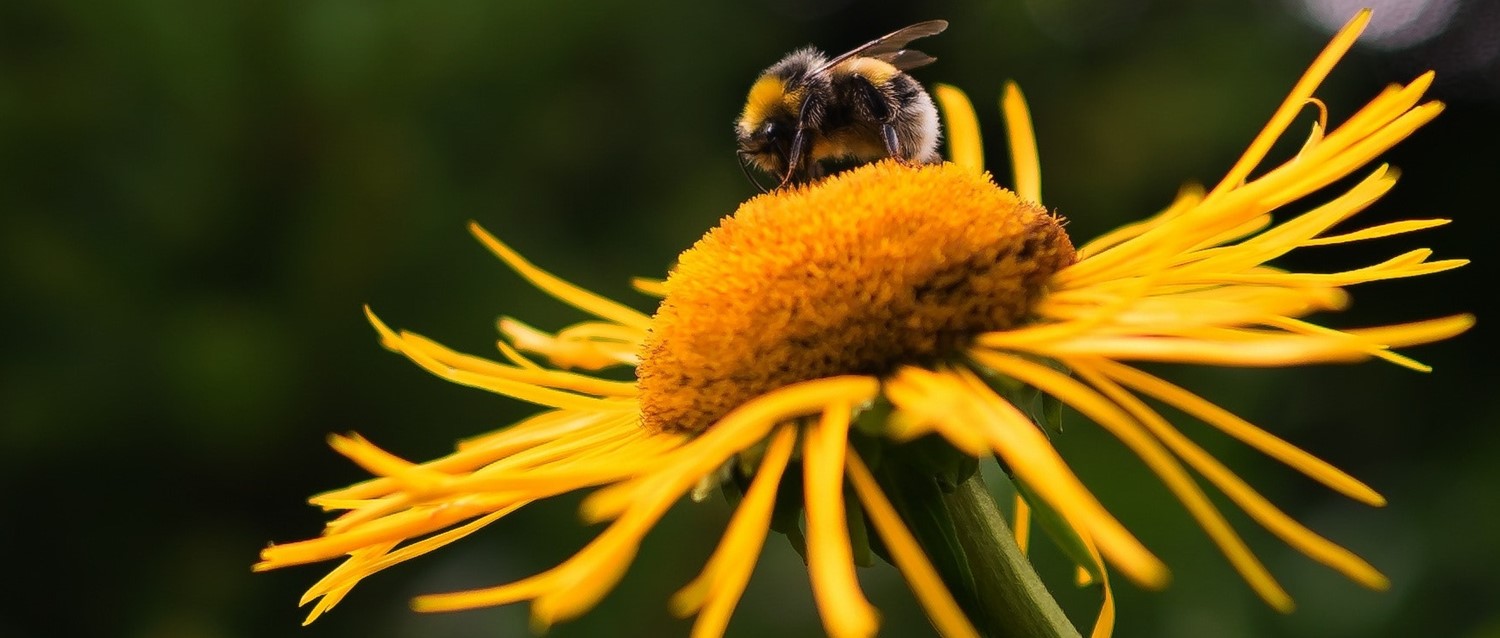
5 فوائد للنحل لصحتك
مراجعة من قبل الدكتور كريشنا فاخاريا، MRCGPكتبه أمبرلي ديفيسنُشر في الأصل 27 Sept 2022
يتوافق مع الإرشادات التحريرية
- تنزيلتنزيل
- مشاركة
- Language
- نقاش
- نسخة صوتية
- أضف إلى المصادر المفضلة على جوجل
They may be unwelcome at our picnics and pub garden lunches, but the health of the bee population plays an important role in our own health and well-being. Let's take a moment to look beyond the fear of being stung and at the unique behaviours that make these small insects so interesting.
Are you buzzed about bees?
"From the first buzz of a bumblebee in the spring to the perfect circular holes in leaves made by leafcutter bees, these charismatic creatures have always been a source of fascination to humans," says Rosie Bleet, wilding evidence ecologist at Kent Wildlife Trust.
3 wild bee facts from The Wildlife Trust
Did you know?
Most people know about honeybees, domesticated in hives, but wild bees, such as solitary bees, bumblebees, and leafcutter bees, are more important as pollinators of plants.
A foraging bumblebee with a full stomach is only ever around 40 minutes from starvation.
The leafcutter bee cuts little circles out of plants and glues them together to create nests.
Why are bees important?
They may be fascinating, but why are bees important? "Bees are incredibly important for the pollination of our crops and wildflowers, along with our other wild pollinators like moths and hoverflies," Bleet explains.
By moving pollen from flower to flower and fertilising them, bees allow plants to multiply and spread. When it comes to the food crops we rely on, 85-95% of the UK’s insect-pollinated crops depend on wild pollinators, of which wild bees are the largest group. Honeybees, which are mostly managed by humans in hives, also make a significant contribution - pollinating the remaining 5-15%1.
"We often hear that bees need our help and it's true that there is a general downward trend in the abundance of bees," says Bleet. "This is largely caused by habitat loss and the resulting lack of food (flowers), fewer places to nest, and fewer places to spend the winter. Other factors like pesticide use - especially insecticides like neonicotinoids - can also have negative impacts on our bees and other pollinators."
The sting in bee numbers
5,000 species of bee - around one quarter of the 20,000 global bee species - have been lost since 19902.
In the UK, one third of all bees have vanished over the last 10 years3.
In the UK, while many bee species continue to decline, others like the solitary bee and bumblebee are actually doing well.
The species doing well are mainly made up of ones that aren't reliant on specific flowers but can collect pollen from a wider range4.
How do bees affect humans?
As important pollinators, the health of the bee population has a direct effect on our own health. In fact, when it comes to environmental and human health, there are several noteworthy benefits of bees. We've divided these into five key health benefits that show how these unique critters impact our own natural resources and well-being.
1. Food stability
Bees are so heavily involved in crop pollination that you have them to thank for every third mouthful of food you eat5. When we think of food crops, it's easy to only think of fruits and vegetables, but the range of food made available to us through pollination is much more wide-reaching; for example, nuts, oats, and grains are the found in everything from porridge to bread and soups.
Experts are concerned that losing too many bees will de-stabilise global food supplies, making their distribution more precarious. What’s more, as crops visited by pollinators have 32% more variation6, the decline of bees could lead to nutritional deficiencies in our diets as access to many nutrient-rich crops are cut off.
2. The cost of crops
In financial terms, the pollination services of bees and other insects contribute to around £690m worth of crops in the UK every year1. Counter-acting the loss of wild bees with manual farming methods would cost Britain an estimated £1.8 billion annually4.
These alternative farming methods are time-consuming and expensive, and this could have a hugely negative impact on local and global economies. There are various possible knock-on effects of this, including financial instability and associated mental health problems.
3. Wildlife and wellbeing
We don’t just need bees to pollinate plant crops. Bees pollinate wildflowers, securing the growth of a huge range of plants that provide healthy habitats and food supplies for hundreds of species. A healthy environment underpins many essential human needs, including:
Freshwater - for drinking, growing crops, energy and more.
Breathable air - bees pollinate trees which in turn produce oxygen.
الأدوية - bees pollinate many plants that have healing properties and are used in modern medicines.
Mental well-being - spending time in a healthy natural environment can help combat stress.
4. Honey
There are, of course, some more direct benefits of bees. Many honeybee colonies are managed by humans in hives because they produce honey. Aside from upgrading your morning porridge, honey has potential health benefits because of its antioxidant, anti-inflammatory, and antimicrobial properties.
Honey has also been shown to relieve children’s night-time cough, allowing them to rest8.
However, beware the over-sold claims that honey is a miracle food: honey cannot be considered a good source of nutrients for humans in amounts we can healthily consume. Honey is a sugar, and The American Heart Association (AHA) recommends eating no more than two to three tablespoons of sugar each day9.
5. Other bee products
Honey isn't the only bee product that people use. Other substances can also be found in medicines and supplements, although it should be noted that more human research is needed when it comes to accurately measuring their health benefits.
Bee pollen - the pollen that accumulates in a bee colony contains antioxidants and nutrients and can be used as a nutritional supplement10.
Bee glue (propolis) - this is a natural antibiotic and anti-inflammatory by-product in hives that has possible benefits for our immune system4.
How can you help protect bees?
"Small actions can make a big difference though and you can find out more about how you can help by taking a look at our Wild Bee Action Pack," says Bleet.
Alongside other useful advice and fascinating facts, this Wildlife Trusts pack contains practical tips for supporting bees, including how to:
Plant nectar and pollen-rich flowers - find the bumblebee's favourite flowers here.
Create and protect bee nesting sites.
Provide a water source for bees to drink.
Avoid using pesticides - these harsh toxins can kill bees.
Use peat-free compost - extracting from peatland destroys bees' natural habitats.
Help out a tired bumblebee.
قراءة إضافية
The Independent: One quarter of all bees not seen since 1990.
Food and Agriculture Organization of the United Nations: Declining bee populations pose threat to global food security and nutrition.
Bishop et al: Animal pollination increases stability of crop yield across spatial scales.
Samarghandian et al: Honey and health: a review of recent clinical research.
Ashkin and Mounsey: A spoonful of honey helps a coughing child sleep.
Kieliszek et al: Pollen and bee bread as new health-oriented products: a review.
اختيارات المرضى لـ الظروف البيئية
الصحة العامة ونمط الحياة
هل يمكن لأزمة الطاقة أن تؤدي إلى حالة طوارئ في الصحة النفسية؟
Having to choose between putting the heating on and buying food is a choice nobody should have to make. However, this is becoming the reality for many amid the ongoing energy crisis and the soaring cost of living - and it is taking its toll on our mental health.
بقلم ليديا سميث
الصحة العامة ونمط الحياة
جودة المياه في المملكة المتحدة الجزء 1 - هل مياه الصنبور آمنة؟
نشربه كل يوم، وأحيانًا نسبح فيه. الوصول إلى المياه النظيفة هو حق أساسي من حقوق الإنسان، ولكن المخاوف المتزايدة بشأن تلوث الصرف الصحي قد سلطت الضوء على المياه في المملكة المتحدة. من الشوائب في مياه الشرب إلى الملوثات في أنهارنا وبحارنا، نكتشف كيف تقوم المملكة المتحدة بتنظيفها. في الجزء الأول من هذه السلسلة، نبدأ في المنزل ونستكشف المخاوف المحتملة المتعلقة بسلامة مياه الصنبور لدينا.
بقلم أمبرلي ديفيس
عن المؤلفعرض السيرة الذاتية الكاملة

Amberley Davis
كاتب أول
بكالوريوس (مع مرتبة الشرف)، التنمية المهنية المستمرة
أمبرلي كاتبة كبيرة في موقع Patient وقد كتبت بشكل مكثف حول مجموعة من مواضيع الصحة والرفاهية.
حول المراجععرض السيرة الذاتية الكاملة

الدكتور كريشنا فاخاريا، MRCGP
كبير المسؤولين الطبيين للصحة، أوبتوم المملكة المتحدة
MBChB, MRCGP(2013), BMedSci (hons), DFSRH, DRCOG, PGDipDerm (Distn)
الدكتورة كريشنا فاخاريا هي طبيبة عامة في هيئة الخدمات الصحية الوطنية. كما أنها ممتحنة منتظمة لدبلوم الدراسات العليا في الأمراض الجلدية العملية في جامعة كارديف، بالإضافة إلى كونها كبيرة المسؤولين الطبيين للصحة في Optum UK.
تاريخ المقال
تمت مراجعة المعلومات الموجودة في هذه الصفحة من قبل أطباء مؤهلين.
المقال متاح أيضًا باللغة الإنجليزية, الألمانية, إسبانية, الفرنسية, إيطالي, البرتغالية, الهندية, العبرية, العربية ,، و السويدية.
27 Sept 2022 | نُشر في الأصل
كتبه:
Amberley Davisمراجعة من قبل
الدكتور كريشنا فاخاريا، MRCGP

اسأل، شارك، تواصل.
تصفح المناقشات، اطرح الأسئلة، وشارك التجارب عبر مئات المواضيع الصحية.

هل تشعر بتوعك؟
قم بتقييم أعراضك عبر الإنترنت مجانًا
اشترك في النشرة الإخبارية للمرضى
جرعتك الأسبوعية من النصائح الصحية الواضحة والموثوقة - مكتوبة لمساعدتك على الشعور بالاطلاع والثقة والتحكم.
من خلال الاشتراك، فإنك تقبل سياسة الخصوصية. يمكنك إلغاء الاشتراك في أي وقت. نحن لا نبيع بياناتك أبدًا.
المزيد في الصحة العامة ونمط الحياة
- 4 مشاكل شائعة للشعر في الشتاء - وكيفية علاجها
- دليل لنظارات الحماية من الأشعة فوق البنفسجية
- تلوث الهواء مسؤول عن ثلث حالات الربو الجديدة في أوروبا
- هل يمكن للصيدلي وصف المضادات الحيوية؟
- هل يمكن للصيدلي مساعدتك في صحتك الجنسية؟
- توضيح العبارات الشائعة في سجلك الطبي
- هل الطقس البارد يعزز فقدان الوزن؟
- أساسيات الصحة للمهرجان
- كيفية العناية بالبشرة السوداء خلال الشتاء
- كيفية العناية بصحتك النفسية هذا الشتاء
- كيفية حماية صحتك النفسية في مكان العمل كامرأة سوداء
- How to sleep better in the heat
- كيفية العناية بالشفاه المتشققة هذا الشتاء
- هل يعتبر الحصول على تدليك بديلاً للعلاج الطبيعي؟
- الحفاظ على نشاط الأطفال خلال عيد الميلاد
- التعامل مع الحزن خلال أول عيد ميلاد لك بدون شخص عزيز
- حافظ على لياقتك في الداخل: أفكار لتمارين شتوية يمكنك القيام بها في المنزل
- المشاكل الصحية التي قد يعالجها القنب في المستقبل
- لماذا لا يجب عليك تفويت الفحص الصحي المجاني من NHS
- دليلك للوقاية من السكتة الدماغية