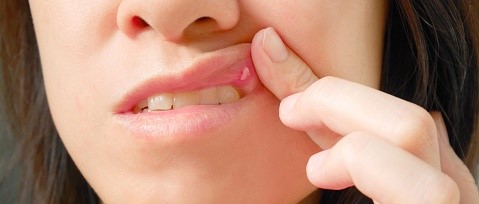
ما الذي يسبب تقرحات الفم وكيفية علاجها
مراجعة من قبل الدكتور كريشنا فاخاريا، MRCGPكتبه أمبرلي ديفيسنُشر في الأصل 27 يناير 2023
يتوافق مع الإرشادات التحريرية
- تنزيلتنزيل
- مشاركة
- Language
- نقاش
- نسخة صوتية
- أضف إلى المصادر المفضلة على جوجل
Around one in five of us experience mouth ulcers, and although they may be painful or irritating, they're usually nothing to worry about. We share expert self-care tips to soothe and speed up recovery, as well as advice on when a mouth ulcer could be a symptom of something more serious.
What are mouth ulcers?
قرح الفم, sometimes called canker sores, are small, painful sores that can develop inside your mouth - inside your cheeks, on the roof of your mouth, on your tongue, or at the base of your gums. They can be raised, and may be red, yellow, white, or grey in colour.
Although they can cause some discomfort and pain - especially when pressed or nudged during eating - mouth ulcers are normally harmless and clear up by themselves within 1-2 weeks.
Not a cold sore
It's easy to muddle mouth ulcers and cold sores, but these aren't the same.
Appear outside the mouth, rather than inside – usually on your outer lips or around the outside of your mouth.
Are painful and dry blisters that tend to form a yellow crust.
Often begin with tingling, itching, or burning.
Are caused by a virus – and this makes treatment different to mouth ulcers.
What causes mouth ulcers?
If you develop a mouth ulcer as a one-off occurrence, the chances are it was caused by a minor trauma. Did you bite your cheek while brushing your teeth? Burn your tongue on a hot drink? Perhaps you have poorly fitting dentures?
In most cases, why some people have mouth ulcers that keep returning is more of a scientific mystery. This is called recurrent aphthous stomatitis, and the cause is not known.
It's thought that whatever causes mouth ulcers triggers an immune system reaction that results in the sore1. We also know that mouth ulcers aren't infectious - you can't spread them to anyone.
What about mouth ulcer triggers?
Dr Ross Perry is a GP and medical director of Cosmedics. He explains that, while the cause of mouth ulcers isn't fully known, if you keep getting them it's likely that they are being triggered by one of the following factors:
Acidic foods.
When could it be a disease?
Sometimes, mouth ulcers can also be a symptom of another underlying health problem that needs to be identified and treated.
Dr Perry says: "Speak to your GP or dentist if your mouth ulcers gets larger, lasts for more than three weeks, causes you extreme pain, or if you develop a الحمى."
Can gut conditions cause mouth ulcers?
In rare cases, recurring mouth ulcers could be a symptom of some gastrointestinal diseases, such as Crohn’s disease and coeliac disease. If your mouth ulcers last more than 1-2 weeks and you notice other signs of مرض كرون أو مرض السيلياك around the same time, speak to your GP about getting tested.
Can cancer cause mouth ulcers?
Mouth ulcers that last a long time - three weeks or more - are the most common sign of mouth cancer2. This type of cancer is usually linked to heavy drinking و التدخين, and cancerous ulcers most often appear under the tongue. You should also look out for the other symptoms of mouth cancer.
Remember, though, that this is still a relatively rare cause of mouth ulcers and the only way to know for sure is to get either your dentist or GP to examine the sore/s in question.
How to treat mouth ulcers
As mouth ulcers are usually nothing to worry about, unless you have other concerning symptoms, you can wait to see if they clear up within a week or two.
Alternatively, to ease any pain or discomfort, Dr Perry says that there are self-care soothing methods you can use.
"You can purchase several products over the counter in pharmacies to treat mouth ulcers which will help to not only soothe but also speed up the recovery."
Options include:
Painkillers - available lozenges, mouthwash, sprays, and gels.
Antimicrobial mouthwash.
Corticosteroid lozenges.
"A home method is warm water with half a teaspoon of salt. A good gargle of this will help to relieve any pain," adds Dr Perry.
How to prevent mouth ulcers
If your mouth ulcers are caused by any of the common triggers, Dr Perry says these lifestyle hacks can help keep your mouth ulcer-free.
To keep mouth ulcers at bay:
Try and keep your mouth as clean as possible.
Use a high-quality toothbrush - to reduce the risk of damage when you brush your teeth.
Drink plenty of water – to prevent dehydration.
Eat a good balanced diet rich in vitamin A, C and E - your immune system may be weakened by mineral and vitamin deficiencies. Eating plenty of fruit and vegetables will help.
قراءة إضافية
اختيارات المرضى لـ صحة الفم

العناية بالفم والأسنان
ما الذي يسبب ظهور كتلة على اللسان؟
لاحظ أحد المشاركين في منتدياتنا تورمًا تحت لسانه. تطور التورم قبل بضعة أيام وكان ناعمًا ولكنه ثابت. اعتقدوا أنه قد يكون غدة لعابية تحت اللسان متورمة. اعتقدوا أن السرطان غير محتمل، حيث كانوا فقط في الثامنة عشرة من العمر.
بقلم الدكتور لورانس نوت

العناية بالفم والأسنان
ما الذي يسبب حكة في سقف الفم؟
بعد ثلاثين عامًا تقريبًا في الممارسة العامة، تعتقد أنك قد رأيت كل شيء. لكن جاذبية الطب تكمن في أنك لا تزال تصادف أحيانًا شيئًا لم تواجهه من قبل - مثل حكة في سقف الفم. نشرت المريضة 1 على منتدانا أنها شعرت بحكة في الجزء العلوي من فمها بالقرب من الخلف. يمكن أن تشعر بها في أي وقت من اليوم ويمكن أن تحدث في أي وقت من السنة.
بقلم الدكتور لورانس نوت
عن المؤلفعرض السيرة الذاتية الكاملة

Amberley Davis
كاتب أول
بكالوريوس (مع مرتبة الشرف)، التنمية المهنية المستمرة
أمبرلي كاتبة كبيرة في موقع Patient وقد كتبت بشكل مكثف حول مجموعة من مواضيع الصحة والرفاهية.
حول المراجععرض السيرة الذاتية الكاملة

الدكتور كريشنا فاخاريا، MRCGP
كبير المسؤولين الطبيين للصحة، أوبتوم المملكة المتحدة
MBChB, MRCGP(2013), BMedSci (hons), DFSRH, DRCOG, PGDipDerm (Distn)
الدكتورة كريشنا فاخاريا هي طبيبة عامة في هيئة الخدمات الصحية الوطنية. كما أنها ممتحنة منتظمة لدبلوم الدراسات العليا في الأمراض الجلدية العملية في جامعة كارديف، بالإضافة إلى كونها كبيرة المسؤولين الطبيين للصحة في Optum UK.
تاريخ المقال
تمت مراجعة المعلومات الموجودة في هذه الصفحة من قبل أطباء مؤهلين.
المقال متاح أيضًا باللغة الإنجليزية, الألمانية, إسبانية, الفرنسية, إيطالي, البرتغالية, الهندية, العبرية, العربية ,، و السويدية.
27 يناير 2023 | نُشر في الأصل
كتبه:
Amberley Davisمراجعة من قبل
الدكتور كريشنا فاخاريا، MRCGP

اسأل، شارك، تواصل.
تصفح المناقشات، اطرح الأسئلة، وشارك التجارب عبر مئات المواضيع الصحية.

هل تشعر بتوعك؟
قم بتقييم أعراضك عبر الإنترنت مجانًا
اشترك في النشرة الإخبارية للمرضى
جرعتك الأسبوعية من النصائح الصحية الواضحة والموثوقة - مكتوبة لمساعدتك على الشعور بالاطلاع والثقة والتحكم.
من خلال الاشتراك، فإنك تقبل سياسة الخصوصية. يمكنك إلغاء الاشتراك في أي وقت. نحن لا نبيع بياناتك أبدًا.
المزيد في العناية بالفم والأسنان
- هل تمارين الوجه مفيدة للنوم والنطق وصحة الفم؟
- عدم المساواة في طب الأسنان: ما هو ولماذا يوجد؟
- كيفية تنظيف ورعاية أسنان طفلك
- كيفية التعامل مع حساسية الأسنان
- كيفية التغلب على خوفك من طبيب الأسنان
- كيفية حماية أسنان طفلك
- كيفية العناية بالشفاه المتشققة هذا الشتاء
- هل تبييض الأسنان آمن؟
- محدثهل تنظيف الأسنان بالماء فعال؟
- هل فمك يجعلك مريضًا؟ كيف يؤثر مرض اللثة على أكثر من مجرد أسنانك
- هل يجب تنظيف لسانك كل يوم؟
- أفضل الوجبات الخفيفة لصحة الأسنان
- الأسباب وراء رائحة فمك الكريهة
- الدليل النهائي لتنظيف الأسنان بالخيط
- أشياء قد لا تعرفها عن خلل التنسج الترقوي القحفي
- ما الذي يسبب ظهور كتلة على اللسان؟
- ما هو ابتسامة بروسيكو؟ نصائح لحماية أسنانك هذا الكريسماس
- ماذا تفعل عندما تشعر بظهور قرحة البرد
- ماذا تقول أسنانك عن صحتك
- ما الذي يسبب رائحة فمك في الصباح؟