How to get rid of period cramps
مراجعة من قبل Dr Joshua AldermanAuthored by Milly Evansنُشر في الأصل 17 Nov 2019
يتوافق مع الإرشادات التحريرية
- تنزيلتنزيل
- مشاركة
- Language
- نقاش
- نسخة صوتية
- Add to preferred sources on Google
If you get periods, it's likely that you will have experienced period cramps and period pain at some point. Thankfully, most of the time menstrual cramps can be managed using tried and tested methods at home.
في هذه المقالة:
Video picks for الدورات الشهرية ومشاكلها
If you've been having الدورة الشهرية for a while, you might be able to notice the tell-tale signs of period cramps in your tummy, back and legs, whether it's dull and constant or short painful spasms. But what causes it?
تابع القراءة أدناه
What causes period cramps?
Contractions
"Painful period, or menstrual cramps, are caused by contractions in the womb as it expels the womb lining and presses on blood vessels, which temporarily cut off the blood supply and restrict oxygen," says Dr Vanessa Mackay, consultant gynaecologist and spokesperson for the الكلية الملكية لأطباء النساء والتوليد. This causes the tissues in the womb to release chemicals triggering pain.
These contractions can cause cramps and discomfort during your period and can make it difficult to concentrate while doing everyday tasks. In fact, a recent دراسة found that period cramps account for nine days of lost productivity for women each year.
Period pain tends to follow a pattern which distinguishes it from ordinary stomach or back pain. "Period cramps are usually at their most intense during the first few days of bleeding and can vary for each woman," says Mackay.
Period cramps should only occur in the few days before or during your period, says Mackay. "It is a good idea to seek advice if this menstrual pain continues throughout the month as this may be a symptom of a different problem."
How to help period cramps
العودة إلى المحتوياتIf your period pain isn't caused by an underlying condition or causing severe pain, you should be able to treat it without seeing a doctor.
How does heat help period cramps?
"Many women find that heat is helpful to manage their period cramps, so using a hot water bottle or a heat pad or having a warm bath could provide some comfort," says Mackay. Using heat is a cheap, effective and side-effect-free way to relieve pain. One دراسة found that using a heat pad was as effective as painkillers.
Warmth applied directly to the pelvic area may help to relax the muscles in the uterus, whilst a warm bath or shower can help relax your whole body.
Lifestyle
The severity of your period cramps isn't just down to chance. Lifestyle factors like weight and smoking also play a role. "It is important for those who smoke to try to stop, as this is thought to increase the likelihood of experiencing period pain," says Mackay. Quitting smoking is one of the best things you can do for your health and there's plenty of support available from your pharmacist to help you stop for good.
Does exercise help period cramps?
Whilst it might be the last thing you want to do when you're on your period, regular exercise really does help with period cramp relief. "Exercise, massage and relaxation techniques like yoga and Pilates can also be beneficial," says Mackay.
Getting the blood pumping makes the body release endorphins, 'happy hormones' which reduce pain. You could try going on a light walk, swimming or following a yoga tutorial at home.
In general, keeping fit and maintaining a healthy weight could help to improve your period pain. الدراسات have shown that those who are underweight أو تعاني من زيادة الوزن are more likely to experience menstrual cramps.
Massage to relieve menstrual cramps involves targeting points across the back, stomach, and sides and has been found to be effective in reducing pain caused by الانتباذ البطاني الرحمي.
But you don't necessarily need to go and get a massage when you're on your period (although it might be a nice treat). Try gently massaging your lower abdomen, below your belly button, in circular motions.
Should I take painkillers for period cramps?
Of course, there are medications you can take to reduce period cramps. "Women may want to use painkillers such as الإيبوبروفين, الأسبرين و الباراسيتامول," says Mackay.
Your doctor may also prescribe stronger painkillers like codeine in some case if ordinary ones aren't doing the trick.
An anti-inflammatory painkiller called naproxen also offers effective relief against period pain. You can book a consultation with your pharmacist to see if it will be suitable for you. They can offer you short private (paid for) courses of tablets to manage painful cramps.
تابع القراءة أدناه
When to see a doctor for period cramps
العودة إلى المحتوياتJust because periods cause period pain doesn't mean that you have to put up with it. الأبحاث suggests that severe and disruptive period cramps may affect up to 20% of women. In some cases, these can be down to an underlying problem such as الانتباذ البطاني الرحمي أو مرض التهاب الحوض.
"Women should see their healthcare professional if they are experiencing period pain that is worse or different than normal and if it is preventing them from continuing with their day-to-day lives," says Mackay.
If you track your periods, make sure to include information about period pain as well so that you can notice any changes. "It is helpful for women to track their periods as much as possible so that they can notice any changes and be able to articulate them fully to their healthcare professional to aid quicker diagnosis or treatment," she explains.
Your doctor may be able to offer you stronger painkillers or contraception to help regulate and reduce period cramps and period pain. If they suspect that there could be an underlying cause for your pain, you can be referred to see a gynaecologist who can investigate further.
Patient picks for الدورات الشهرية ومشاكلها
صحة المرأة
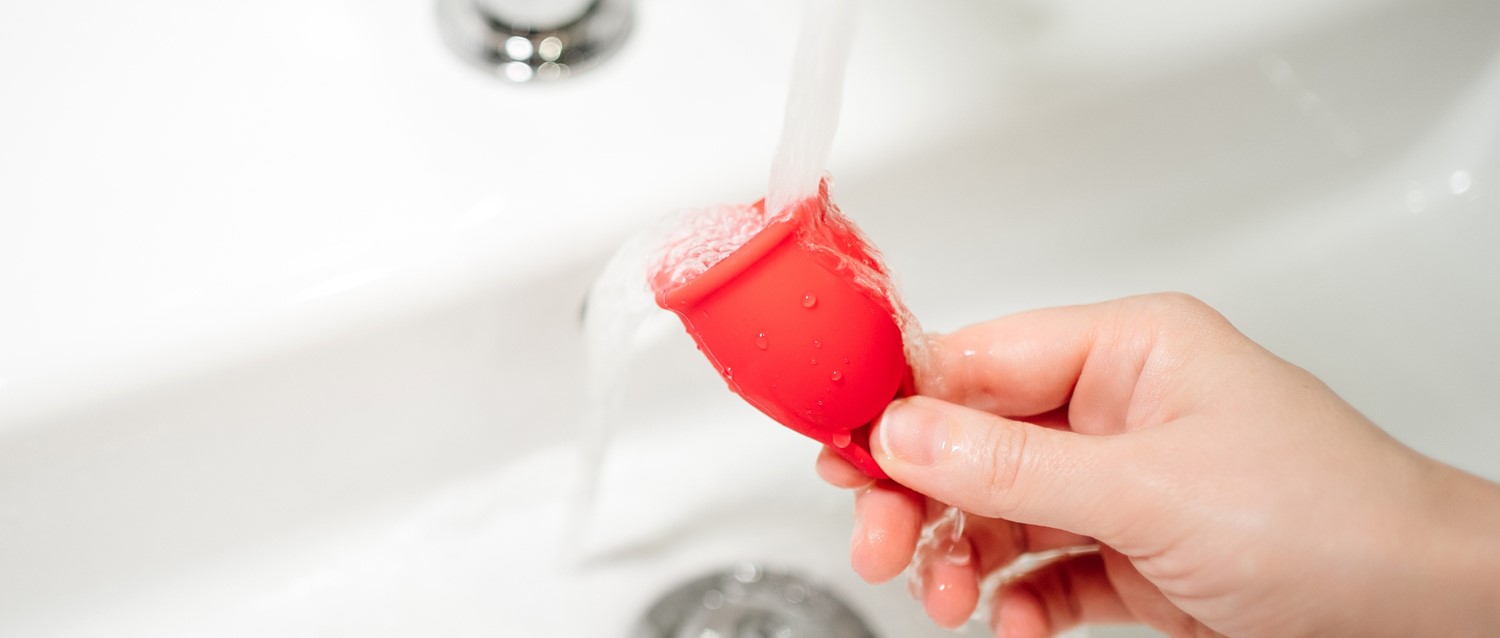
How to clean your menstrual cup
Menstrual cups have increased in popularity over recent years, with many people viewing them as a more eco-friendly period product since they are reusable. However, if you are using a menstrual cup or considering using a cup for the first time, it's vital you know how to clean it to reduce the risk of infections and other health complications.
بقلم إميلي جين باشفورث
صحة المرأة
Period poverty: a public health crisis
Period poverty in the UK is affecting a growing number of women and girls - denying them essential hygiene, risking illness, affecting well-being, and hindering equality.
بقلم أمبرلي ديفيس
تابع القراءة أدناه
About the authorView full bio

ميلي إيفانز
Editor
Milly writes on a range of health topics, with a particular interest in health inequality and sexual health.
About the reviewerView full bio

Dr Joshua Alderman
Clinical Consultant
MA (Cantab), BM, BCh (Oxon), DRCOG, FRCGP, MBE
After training in medicine at Cambridge and Oxford, Dr Sarah Jarvis MBE became a GP.
تاريخ المقال
تمت مراجعة المعلومات الموجودة في هذه الصفحة من قبل أطباء مؤهلين.
17 Nov 2019 | نُشر في الأصل
كتبه:
ميلي إيفانزمراجعة من قبل
Dr Joshua Alderman

اسأل، شارك، تواصل.
تصفح المناقشات، اطرح الأسئلة، وشارك التجارب عبر مئات المواضيع الصحية.

هل تشعر بتوعك؟
قم بتقييم أعراضك عبر الإنترنت مجانًا
اشترك في النشرة الإخبارية للمرضى
جرعتك الأسبوعية من النصائح الصحية الواضحة والموثوقة - مكتوبة لمساعدتك على الشعور بالاطلاع والثقة والتحكم.
By subscribing you accept our سياسة الخصوصية. يمكنك إلغاء الاشتراك في أي وقت. نحن لا نبيع بياناتك أبدًا.