Common causes of bad breath
Peer reviewed by Dr Krishna Vakharia, MRCGPLast updated by Dr Hayley Willacy, FRCGP Last updated 31 Oct 2022
Meets Patient’s editorial guidelines
- DownloadDownload
- Share
- Language
- Discussion
- Audio Version
- Add to preferred sources on Google
In this series:Halitosis
Most cases of bad breath (halitosis) come from germs (bacteria) or debris that build up within the mouth.
At a glance
Most people have bad breath after sleeping due to a dry mouth.
Certain foods, drinks, and medicines can cause temporary bad breath.
Smoking and some diets, like low-carbohydrate plans, can cause bad breath.
Poor oral hygiene, including food stuck between teeth, plaque, and gum disease, is a common cause.
A coating on the tongue or tonsil stones can also lead to bad breath.
If you have bad breath and other symptoms, it could indicate another medical condition.
What causes bad breath?
Morning bad breath
Most people have some degree of bad breath after a night's sleep. This is normal and occurs because the mouth tends to get dry and stagnate overnight. This usually clears when the flow of saliva increases soon after starting to eat breakfast.
Dry mouth (xerostomia)
Bad breath associated with a dry mouth is caused by a reduction in the cleansing mechanism of the mouth as a result of reduced flow of saliva from the salivary glands. There are many causes of a dry mouth contributing to bad breath. The most common cause is after a night's sleep (discussed above). Dry mouth may also occur:
Due to a lack of fluid in the body (dehydration).
As a side-effect of some medicines (for example, tricyclic antidepressants).
As a symptom of some diseases (such as Sjögren's syndrome).
Following radiotherapy to the head and neck region.
Artificial saliva is available; all can be bought over the counter at pharmacies and some can be prescribed on the NHS for certain conditions.
Foods, drinks and medicines
Chemicals in foods can get into the bloodstream and then be breathed out from the lungs. Most people are familiar with the smell of garlic, spicy foods and alcoholic drinks on the breath of people who have recently eaten or drunk these. Various other foods and medicines can cause bad breath. This type of bad breath is temporary and easily cured by not eating the food.
If a medicine is the cause of bad breath, then discuss possible alternatives with your doctor. Medicines that have been associated with bad breath include:
Betel.
Chloral hydrate.
Nitrites and nitrates.
Dimethyl sulfoxide.
Some chemotherapy medicines.
Phenothiazines.
Amfetamines.
'Water' tablets (diuretics).
Check the list of side-effects on the leaflet that comes with your medicine if you think it might be causing bad breath.
Smoking
Most non-smokers can tell if a person is a smoker by their breath. . Stopping smoking is the only cure for this type of bad breath. Smoking tobacco products also increases the risk of developing gum disease - another cause of bad breath.
Diets
Crash dieting or fasting can cause a sickly sweet smell on the breath. This is due to chemicals called ketones being made by the breakdown of fat. Some ketones are then breathed out with each breath. Low-carbohydrate and keto diets also can cause this sort of bad breath.
Medical causes
Medical causes, other than health problems in the mouth, are relatively uncommon. Possible causes include:
Nasal problems. For example, a lump (polyp) in the nose or a small object stuck in a nostril (occurs most commonly in children) can cause a bad smell. In this situation, the smell tends to occur only, or more severely, when you breathe out through your nose. It is not so noticeable when you breathe out through your mouth.
Throat infections such as tonsillitis.
Mouth infections, such as dental abscesses.
Infections or tumours of the lung.
Reflux of acid from the stomach or a stomach infection called Helicobacter pylori.
Severe kidney or liver problems.
Fish odour syndrome (trimethylaminuria). This is a rare medical cause but worth being aware of. It typically causes breath and body odour that is often like a fishy smell. It occurs because the body loses the ability to properly break down trimethylamine which is found in certain foods. There is then a build-up of trimethylamine in the body which is released in sweat, urine and breath. Urine and blood tests can help to confirm this diagnosis if it is suspected.
In these medical cases, there are usually other symptoms that would indicate the cause. For example, a blocked nose, sinus pain, chest symptoms, a high temperature (fever), etc. If you are otherwise well and have no other symptoms apart from bad breath, the smell is likely to be coming from a build-up of bacteria in the mouth and other medical causes are unlikely.
Bad breath caused by germs (halitosis)
In most people who have bad breath (halitosis), the bad smell is thought to come from germs (bacteria) and debris within the mouth.
As the bacteria break down proteins and other debris in the mouth, they release foul-smelling gases. One or more of the following may contribute to the build-up of bacteria, debris and bad breath:
Food stuck between teeth and gums
Normal teeth brushing may not clear bits of food which can get stuck between teeth. The food then rots and becomes riddled with bacteria. In addition to regular cleaning with fluoride toothpaste, flossing between the teeth (or using interdental brushes) can clear and prevent this problem.
If you wear dentures, they should be removed and cleaned every night.
Plaque, tartar (calculus) and gum disease
Dental plaque is a soft whitish deposit that forms on the surface of teeth. It forms when bacteria combine with food and saliva. Plaque contains many types of bacteria. Calculus is hardened calcified plaque. It sticks firmly to teeth. Gum disease means infection or inflammation of the tissues that surround the teeth. If your gums look inflamed, or regularly bleed when you clean your teeth, you are likely to have gum disease. The severity can range from mild to severe.
There is some evidence that antibacterial mouthwashes (such as those containing chlorhexidine) may also be useful in preventing bad breath. Be aware that these may discolour your teeth or dentures. These can be bought over the counter.
Coating on the back of the tongue
In some people, a coating develops on the back part of the tongue. It is not clear why this occurs. It may be from mucus that drips down from the back of the nose (postnasal drip). The coating can contain many bacteria. This explains why bad breath can sometimes occur in people with otherwise good oral hygiene. It is recommended that the tongue is cleaned every night with a proper utensil (such as a tongue scraper), rather than a toothbrush.
Tonsil stones (tonsilloliths)
Tonsil stones are are clusters of calcified material that form in the tonsillar crypts, or crevices of the tonsils. They are made up mostly of calcium but can contain other ingredients such as magnesium and phosphorus, and can feel like a small lump in the tonsils. Rarely harmful, they can be a nuisance and hard to remove and can often cause bad breath.
Patient picks for Oral care and problems
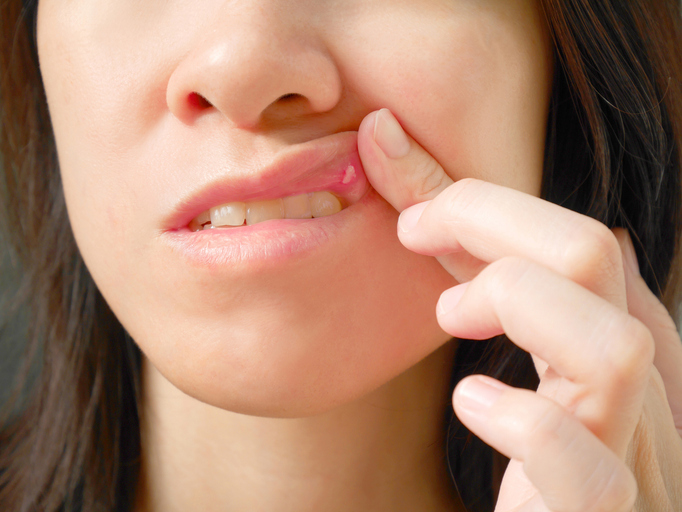
Oral and dental care
Mouth ulcers
Mouth ulcers are common, painful sores inside the mouth that can make eating and drinking uncomfortable. They are usually harmless and often heal on their own, however, stress, hormones, or certain foods can trigger them. This leaflet discusses the different types, causes, treatments, and when to see a doctor.
by Dr Philippa Vincent, MRCGP
Oral and dental care
Primary cold sore infection
Your first (primary) infection with the cold sore virus can seem different to the repeated (recurring) cold sores which many people have. There may be no symptoms but sometimes there can be a significant infection of your mouth. Treatment aims to ease symptoms while the infection gradually settles over 1-3 weeks.
by Dr Philippa Vincent, MRCGP
Frequently asked questions
Can bad breath caused by diet changes like a keto diet be permanent?
Bad breath resulting from diets like low-carbohydrate or keto diets, or from fasting, is due to the body breaking down fat and producing chemicals called ketones. This type of bad breath is usually temporary and would likely resolve if the diet is altered or stopped.
What is the best way to clean my tongue to prevent bad breath if I have a coating?
If you have a coating on the back of your tongue that contributes to bad breath, it is recommended to clean it every night. Using a proper utensil like a tongue scraper is more effective than using a toothbrush for this purpose.
Are there any specific symptoms that suggest my bad breath might be due to a serious underlying medical condition?
If bad breath is caused by a serious underlying medical condition, there are usually other noticeable symptoms in addition to the bad breath. These could include a blocked nose, sinus pain, chest symptoms, or a high temperature (fever). If you are generally well and only experience bad breath, it's less likely to be a serious medical issue.
Can using artificial saliva help with bad breath, and how do I get it?
Yes, artificial saliva can help with bad breath if it's caused by a dry mouth. A dry mouth reduces the mouth's natural cleansing action. Artificial saliva products are available for purchase over the counter at pharmacies, and some types can be prescribed on the NHS for specific medical conditions.
If I suspect my medicine is causing bad breath, what should I do?
If you believe a medicine is responsible for your bad breath, you should discuss possible alternative medications with your doctor. You can also check the leaflet that comes with your medicine to see if bad breath is listed as a potential side-effect.
Further reading and references
- Halitosis; NICE CKS, September 2024 (UK access only)
- Izidoro C, Botelho J, Machado V, et al; Revisiting Standard and Novel Therapeutic Approaches in Halitosis: A Review. Int J Environ Res Public Health. 2022 Sep 8;19(18). pii: ijerph191811303. doi: 10.3390/ijerph191811303.
- Jamali Z, Alipour M, Ebrahimi S, et al; Effect of Halita mouthwash on oral halitosis treatment: A randomized triple-blind clinical trial. J Dent Res Dent Clin Dent Prospects. 2019 Winter;13(1):31-35. Epub 2019 Apr 24.
- Acar B, Berker E, Tan C, et al; Effects of oral prophylaxis including tongue cleaning on halitosis and gingival inflammation in gingivitis patients-a randomized controlled clinical trial. Clin Oral Investig. 2019 Apr;23(4):1829-1836. doi: 10.1007/s00784-018-2617-5. Epub 2018 Sep 13.
- Poniewierka E, Pleskacz M, Luc-Pleskacz N, et al; Halitosis as a symptom of gastroenterological diseases. Prz Gastroenterol. 2022;17(1):17-20. doi: 10.5114/pg.2022.114593. Epub 2022 Mar 18.
- Kauss AR, Antunes M, Zanetti F, et al; Influence of tobacco smoking on the development of halitosis. Toxicol Rep. 2022 Mar 6;9:316-322. doi: 10.1016/j.toxrep.2022.02.012. eCollection 2022.
About the authorView full bio

Dr Mary Harding, MRCGP
General Practitioner, Medical Author
BA, MA, MB, BChir, MRCGP, DFFP
Dr Mary Harding qualified from Cambridge University medical school in 1989.
About the reviewerView full bio

Dr Krishna Vakharia, MRCGP
Chief Medical Officer for Health, Optum UK
MBChB, MRCGP(2013), BMedSci (hons), DFSRH, DRCOG, PGDipDerm (Distn)
Dr Krishna Vakharia is an NHS GP. She is also a regular examiner for the postgraduate Diploma in Practical Dermatology at Cardiff University as well as being the Chief Medical Officer for health at Optum UK.
Article history
The information on this page is written and peer reviewed by qualified clinicians.
Article also available in English, German, Spanish, French, Italian, Portuguese, Hindi, Hebrew, Arabic, and Swedish.
Next review due: 30 Oct 2027
31 Oct 2022 | Latest version
6 Jul 2017 | Originally published
Authored by:
Dr Mary Harding, MRCGP
Join the conversation
Share your thoughts or experiences with others in our patient communities.

Ask, share, connect.
Browse discussions, ask questions, and share experiences across hundreds of health topics.

Feeling unwell?
Assess your symptoms online for free
Sign up to the Patient newsletter
Your weekly dose of clear, trustworthy health advice - written to help you feel informed, confident and in control.
By subscribing you accept our Privacy Policy. You can unsubscribe at any time. We never sell your data.