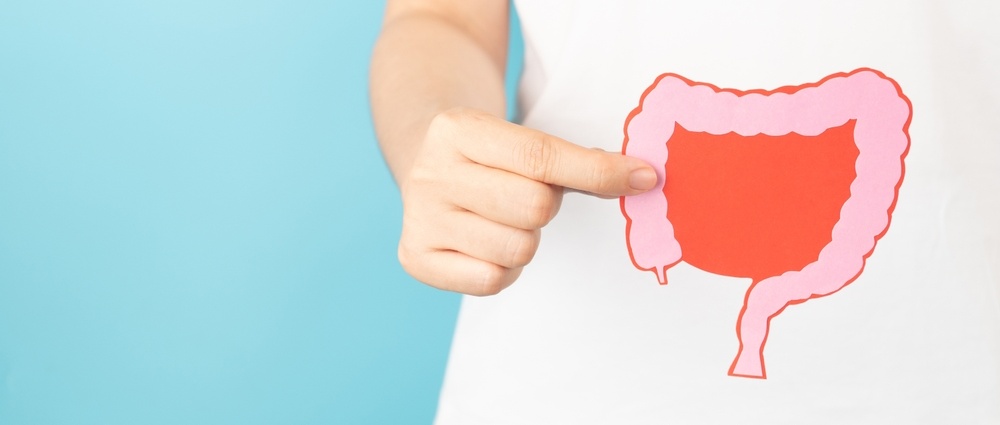
What's the difference between IBS and IBD?
Peer reviewed by Dr Colin Tidy, MRCGPLast updated by Lynn StephenLast updated 16 Jul 2026
Meets Patient’s editorial guidelines
- DownloadDownload
- Share
- Language
- Discussion
- Audio Version
- Add to preferred sources on Google
Irritable bowel syndrome (IBS) and inflammatory bowel disease (IBD) are easy conditions to confuse. As well as having similar names, the two have many similar symptoms - if you have one of these conditions you may have abdominal pain, cramps, constipation, and diarrhoea, as well as feeling generally unwell.
But the conditions are quite distinct, with different causes and different treatments. If you're having any of these symptoms, it's important to see your doctor who can give you a definite diagnosis.
How IBS and IBD differ
The main difference between the two is that IBS is classed as a 'functional' disease - where the symptoms lack an identifiable cause. IBD involves some damage to the gut that will be more clear after examination and further investigations done by a specialist.
Dr Simon Smale, gastroenterologist, explains that with IBS, there are issues with the way in which your diet, gut nervous system, and microbiome interact with your brain and central nervous system.
"People with IBD get episodes of inflammation within the gut, leading to changes you can see using an endoscope," he says. "So with IBS, the lining of the bowel looks normal, while with IBD there may be patches which are not right."
IBD is an umbrella term for several different conditions, including ulcerative colitis and Crohn's disease. Ulcerative colitis affects the inner lining of your colon and rectum, whereas Crohn's disease can affect any part of the digestive tract.
As well as the digestive symptoms, people with IBD might also have:
Unexplained weight loss.
Bleeding from your bottom (rectum).
Joint pain.
Skin issues.
These symptoms vary from person to person and are likely to be on and off - so you may have flare-ups every so often, with periods of good health in between.
Although IBD can significantly affect your day-to-day functioning, it is not always more serious than IBS. Smale explains that both are long-term (chronic) conditions, which can range from mild to very severe.
"The symptoms of IBS can be as debilitating as the symptoms of IBD, and it can be very difficult for us to tell the difference," he adds. "So, it's important that people have tests that help differentiate between the two."
Diagnosis and treatment
When you go to the doctor with IBS symptoms, they may order a series of blood tests to rule out other conditions. Typically, this will include a full blood count, a blood test to check for markers of inflammation, and a test for coeliac disease - another condition that can cause similar symptoms. You may also be asked to carry out a poo (stool) test.
If all these tests do not find anything and you're having typical symptoms, that provides a strong indication you have IBS. You may be prescribed a medicine such as an intestinal antispasmodic, as well as guidance about lifestyle or dietary changes. Generally, self-management is the most effective treatment.
A positive result to a test which has found an issue may require further investigation. If the doctor thinks you may have IBD, you may be referred for an endoscopic procedure such as a colonoscopy - which may involve a biopsy where they test a small piece of your skin. Your doctor may also refer you to a specialist at the hospital for further investigations.
With IBD, treatment is geared towards reducing the inflammation in your bowel. Medicines might include immunosuppressants, which ease the immune response in your gut, steroids - used for short-term treatment during a relapse - and biologic medicines. Some people may eventually need surgery to remove the damaged part of the bowel. People with IBS are unlikely to need surgery or immunosuppressants.
As IBD and IBS symptoms vary from person to person, so too will treatment. Some will require surgery while others may manage it by recognising the triggers. Always speak to your doctor about what is best for you.
Patient picks for Irritable bowel syndrome
Digestive health
What is the link between IBS and anxiety?
Irritable bowel syndrome (IBS) can cause a combination of tummy cramps, diarrhoea, bloating and constipation. It's a long-term health condition that can affect your quality of life. Although changing your diet and taking certain medicines can help, poor mental health and IBS symptoms can mutually aggravate each other.
by Victoria Raw

Digestive health
Which foods trigger irritable bowel syndrome?
If you have irritable bowel syndrome (IBS), you’ll probably understand that some foods can trigger your symptoms. Although there’s no one-size-fits-all approach to an IBS diet, some foods may be more likely to cause issues than others.
by Lynn Stephen
About the authorView full bio
Updated by

Lynn Stephen
Content developer
MA (Hons)
Lynn joined Patient in 2023 and her role includes checking all the professional leaflets, patient information leaflets and medicine leaflets, to ensure consistency of spelling, grammar, reference material and brand style, working with the medical authors and clinical director to coordinate the authoring and peer reviewing of the leaflets.
Authored by

Abi Millar
Freelance Journalist
BA (Hons), MA
Abi is a freelance journalist with a special interest in health and medicine writing.
About the reviewerView full bio

Dr Colin Tidy, MRCGP
General Practitioner, Medical Author
MBBS, MRCGP, MRCP (Paediatrics), DCH
Dr Colin Tidy is an NHS Doctor, based in Oxfordshire.
Article history
Article also available in English, German, Spanish, French, Italian, Portuguese, Hindi, Hebrew, Arabic, and Swedish.
Next review due: 16 Jul 2029
16 Jul 2026 | Latest version
18 Jan 2018 | Originally published
Authored by:
Abi Millar
Join the conversation
Share your thoughts or experiences with others in our patient communities.

Ask, share, connect.
Browse discussions, ask questions, and share experiences across hundreds of health topics.

Feeling unwell?
Assess your symptoms online for free
Sign up to the Patient newsletter
Your weekly dose of clear, trustworthy health advice - written to help you feel informed, confident and in control.
By subscribing you accept our Privacy Policy. You can unsubscribe at any time. We never sell your data.