هل الانتفاخ طبيعي وما الذي يسببه؟
مراجعة من قبل الدكتورة سارة جارفيسكتبه إميلي جين باشفورثنُشر في الأصل 6 Jan 2022
يتوافق مع الإرشادات التحريرية
- تنزيلتنزيل
- مشاركة
- Language
- نقاش
- Ask Patient
- نسخة صوتية
- أضف إلى المصادر المفضلة على جوجل
يمكن أن يكون الانتفاخ غير مريح مما قد يدفعك للتساؤل عما إذا كان طبيعيًا أم لا. في الواقع، هناك عدد من الأسباب التي قد تؤدي إلى انتفاخ معدتك: بعضها طبيعي ويمكن علاجه بتغييرات في نمط الحياة، ولكن بعضها قد يكون سببًا للقلق. دعونا نستكشف لماذا يحدث الانتفاخ ومتى يجب عليك استشارة طبيبك بشأنه.
What is bloating and why does it happen?
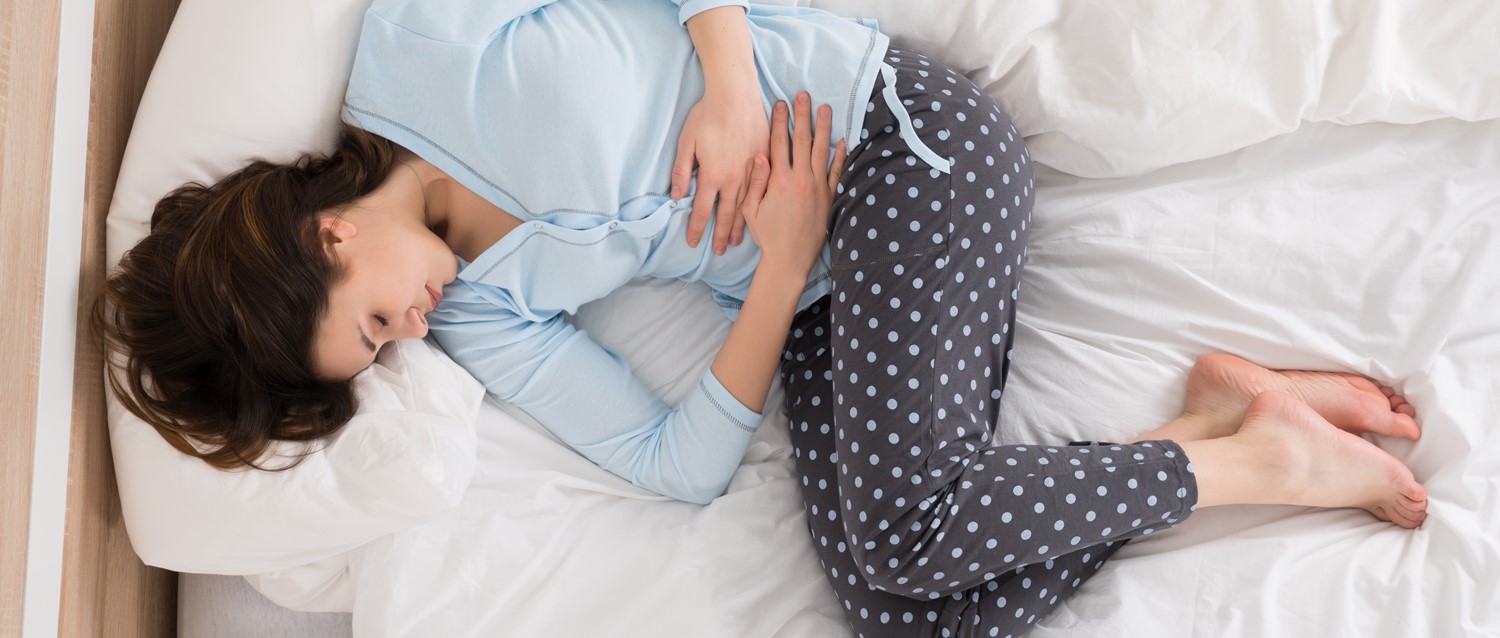
Bloating occurs in your abdomen and can cause you to feel extremely full, as if there's no more room in your stomach. Your tummy might look slightly bigger or, in some cases, balloon significantly. This can be uncomfortable and even painful, especially if you are wearing tight clothing.
Most of the time, الانتفاخ is no cause for concern. Normal bloating occurs when the gastrointestinal tract becomes filled with air or gas, which often happens after you eat food. Some foods produce more gas than others, hence why you might bloat more after certain meals.
There are also other simple explanations for your bloating. As well as the types of food you eat, bloating can be caused by overeating. الإمساك, زيادة الوزن, الارتجاع and swallowing air (when you chew gum, smoke or eat too quickly) can all also lead to bloating. In some, but not all, bloating can be a side effect of menstruation أو hormonal changes in the premenstrual period too.
Some of the main triggers for normal bloating include:
Eating foods high in salt.
Eating lots of carbohydrates.
Drinking carbonated drinks.
Eating too much dairy.
Excessive alcohol intake.
Fluid retention.
الإمساك.
Excess wind.
Are there more serious reasons for bloating?
In the majority of cases, bloating can be attributed to diet, lifestyle factors, an intolerance, or even التوتر, especially if you suffer with irritable bowel syndrome (متلازمة القولون العصبي). However, there are certain key symptoms which should never be ignored, as they could suggest your bloating is down to a more serious cause.
An underlying medical condition is more likely if your bloating is persistent or you have other symptoms. If this is the case, you should always make a GP appointment so your doctor can assess the problem and identify the root cause of it. While investigations will usually rule out an urgent medical problem, your doctor will need to assess whether you need investigation to exclude cancer of the digestive tract or ovary, coeliac disease or مرض التهاب الأمعاء (مرض كرون و التهاب القولون التقرحي).
Signs of a more serious health condition alongside bloating can include:
Persistent bloating
Most non-sinister causes of bloating lead to intermittent symptoms - bloating which gets worse after meals or towards the end of the day. However, a key symptom of سرطان المبيض in women is bloating that doesn't come and go, and which may result in your tummy being persistently larger.
Other symptoms include difficulty eating; feeling full quickly; persistent lower tummy or pelvic pain or pressure; and sometimes changes to your bladder or bowel habit, unexplained weight loss, and being off your food. If you have any of these symptoms, speak to your doctor.
Severe liver problems can lead to ascites - the accumulation of fluid inside your abdominal cavity - which can also result in persistent bloating. However, this is highly unlikely to be at the root of your bloating if you do not have other symptoms such as اليرقان.
فقدان الوزن
If you experience unexpected weight loss that is not the result of a diet or lifestyle change, you should never ignore it. If you find yourself losing more than a few pounds unexpectedly - especially if it's 10% or more of your body weight - you should consult your GP, who can find a cause.
الإرهاق
Constant tiredness and a bloated stomach could be a sign of something more serious. Of course, there is a wide range of causes for fatigue and bloating, with some obvious explanations like consuming rich or salty meals, eating too much, or short-term stress. However, some longer-term causes can include conditions such as متلازمة القولون العصبي, Small intestinal bacterial overgrowth (SIBO), and gastroparesis.
Inflammatory bowel diseases (Crohn's disease and ulcerative colitis) and مرض السيلياك can prevent you from absorbing nutrients effectively from your gut. This in turn can lead to persistent tiredness. Flare-ups of inflammatory bowel disease can make you feel generally unwell and feverish as well as tired.
Changes in toilet habits
If you experience changes in your bathroom habits that are not normal for you - including persistent الإسهال or just needing to go more frequently - this should always be flagged to your GP. Blood in your stools, vaginal bleeding between periods, or postmenopausal vaginal bleeding can also all be caused by conditions that also result in bloating.
Most causes of these symptoms are not serious: it could be البواسير, الأورام الليفية, endometrial atrophy, or hormonal changes linked to your menstrual cycle. However, if you experience bleeding in particular, you should consult your doctor to check it is not a sign of cancer or inflammatory bowel disease.
Most of the time, bloating will go down on its own and you can manage it at home. Other causes of bloating include infection and مرض التهاب الحوض (PID), and it can also be a side effect of medication - check with your pharmacist.
How is bloating diagnosed and treated?
As long as you don't have any of the symptoms above, there are some simple diet and lifestyle changes you can make to reduce the bloat and pain it can cause:
Be mindful of your fibre intake - الألياف is a carbohydrate that the body cannot digest. While it has important functions, such as helping regulate blood sugar levels, it can lead to excessive amounts of gas. In this case, you should be mindful of how much and what type of fibre you are consuming, and alter your diet.
Insoluble fibre can be a particularly potent cause of wind and bloating - it does not dissolve in water and is left intact as food moves through the gastrointestinal tract. To relieve symptoms, you may find it useful to reduce your insoluble fibre intake and include more soluble fibre, which is important for gut health but doesn't tend to cause the same problems.
Some foods are high in so-called 'FODMAPs', thought to increase wind production. This can be a significant cause of bloating for people with IBS. A low FODMAPs diet has been shown to relieve symptoms, but it can be hard to maintain without the risk of inadequate vitamins or minerals. Ideally, it should be undertaken with expert input from a dietician.
Avoid foods that are high in fat - some fat is a vital part of a balanced diet, but it can take longer to pass through the digestive tract. This can lead to bloating as it may delay the emptying of the stomach.
Eat and drink slowly - eating too quickly can make you swallow more air, which causes a build-up of gas in the gastrointestinal tract. Therefore, eating and drinking slowly and mindfully might ease your bloating. Likewise, talking while eating and frequently chewing gum can cause you to swallow more air, so try to avoid doing these too often.
Get clued up on intolerances - if you're constantly bloated, there's a chance it might be an intolerance causing excess gas production. Possible culprits include lactose, fructose and الغلوتين.
جرب التمارين الخفيفة - after eating, light exercise can help reduce normal bloating. You shouldn't push yourself too hard, especially after a big meal, but a walk might be enough to relieve bloating and remove gas.
What should you do if you're struggling with bloating?
If your bloating is constant and uncomfortable, you should speak to your GP, especially if you have concerns about another underlying health condition. To find out what's going on, your doctor might ask you for a stool sample or request an X-ray of your small intestine. They may also test you for lactose intolerance or مرض السيلياك.
اختيارات المرضى لـ انتفاخ

العلامات والأعراض
كيفية التعامل مع الغازات ذات الرائحة الكريهة، التجشؤ بصوت عالٍ ورائحة الفم الكريهة
بصفتي طبيبًا، آمل دائمًا ألا يكون هناك شيء لا يقوله لي مرضاي. بغض النظر عن مدى إحراج الأمر بالنسبة لهم، فقد رأيت كل شيء من قبل. ولكن في كثير من الأحيان يترك المرضى المشكلة التي يقلقون بشأنها حتى يكونوا في طريقهم للخروج من الباب. وتشير الاستطلاعات إلى أن الناس غالبًا لا يتحدثون عن الغازات أو التبول على أنفسهم (السلس) والعديد من القضايا الأخرى لسنوات، في حين أن تغييرات بسيطة في نمط الحياة يمكن أن تحدث فرقًا كبيرًا.
بقلم فيكتوريا راو

العلامات والأعراض
لماذا ينتفخ بطني في الطقس الحار؟
إذا كنت تشعر بأن معدتك تنتفخ في الطقس الحار، فقد يكون ذلك غير مريح ومقيد - ويمكن أن يجعلك تشعر بالخمول الزائد. ما هي العادات الصيفية التي قد تكون السبب في انتفاخ بطنك، وماذا يمكنك أن تفعل حيالها؟
بقلم لين ستيفن
عن المؤلفعرض السيرة الذاتية الكاملة
كتبه

إميلي جين باشفورث
كاتب مميز
NCTJ
إميلي كاتبة مقالات مميزة مع Patient، تكتب مقالات حول مجموعة متنوعة من المواضيع المتعلقة بالصحة والرفاهية.
حول المراجععرض السيرة الذاتية الكاملة

الدكتورة سارة جارفيس
استشاري سريري
MA (Cantab), BM, BCh (Oxon), DRCOG, FRCGP, MBE
بعد التدريب في الطب في كامبريدج وأكسفورد، أصبحت الدكتورة سارة جارفيس حاصلة على وسام الإمبراطورية البريطانية طبيبة عامة.
تاريخ المقال
المقال متاح أيضًا باللغة الإنجليزية, الألمانية, إسبانية, الفرنسية, إيطالي, البرتغالية, الهندية, العبرية, العربية ,، و السويدية.
6 Jan 2022 | نُشر في الأصل
كتبه:
إميلي جين باشفورثمراجعة من قبل
الدكتورة سارة جارفيس
شارك أفكارك أو تجاربك مع الآخرين في مجتمعات المرضى.
وصول بسيط إلى العلاجات والخدمات الصحية الموثوقة عبر الإنترنت.
Common conditions
Get help with common conditions through the NHS, without a GP appointment.
 التهاب الجيوب الأنفية الحاد
 التهاب اللوزتين البكتيري
 القوباء
 لدغات الحشرات
 الحزام الناريعدوى المسالك البولية
اشترك في النشرة الإخبارية للمرضى
جرعتك الأسبوعية من النصائح الصحية الواضحة والموثوقة - مكتوبة لمساعدتك على الشعور بالاطلاع والثقة والتحكم.
من خلال الاشتراك، فإنك تقبل سياسة الخصوصية. يمكنك إلغاء الاشتراك في أي وقت. نحن لا نبيع بياناتك أبدًا.