
هل تعتمد بشكل مفرط على المسكنات؟
مراجعة من قبل الدكتور كريشنا فاخاريا، MRCGPكتبه الدكتورة سارة جارفيسنُشر في الأصل 30 يناير 2023
يتوافق مع الإرشادات التحريرية
- تنزيلتنزيل
- مشاركة
- Language
- نقاش
- نسخة صوتية
- أضف إلى المصادر المفضلة على جوجل
تقريبًا جميعنا قد تناول المسكنات في مرحلة ما من حياتنا، ويمكنها بالتأكيد تقديم راحة مؤقتة من الألم. لكن التوجيهات الوطنية من NICE (المعهد الوطني للصحة والرعاية الممتازة) تشجع الأطباء على الابتعاد عنها للعديد من الأشخاص الذين يعانون من الألم. ليس لأنهم يريدون أن يعاني أحد - بعيدًا عن ذلك. بل بسبب خطر الإدمان على المسكنات الموصوفة، والتي يمكن أن تسبب مشاكل أكثر من الألم الأصلي.
There's no question that use of illegal drugs is widespread: in England and Wales, around 1 in 11 16-59 year-olds (around 3 million people) and 1 in 5 16-24 year-olds - around 1.1 million people - reported using drugs in the year ending June 2022. 862,000 of these are frequent drug users who take illicit drugs at least once a month. Although more than 4 in 10 16-24 year-olds و 16-59 year-olds who take these drugs do so only once or twice a year.
Is there a problem with prescription painkillers?
In addition to illicit drug use and use of legal recreational drugs, millions of people in the UK take painkillers regularly. A 2021 survey found that 1 in 10 UK residents have overused prescription pain medication. The government was so concerned about painkiller addiction that in 2015 it set up an All-Party Parliamentary Group on prescribed drug dependence. The government believes that if the issues continue, we could be heading for a public health disaster along the lines of that seen in the USA.
What are strong painkillers?
There are many different types of painkiller. 'Non-opioid' painkillers such as الباراسيتامول are not addictive. Neither are non-steroidal anti-inflammatory medicines (NSAIDs) such as ibuprofen. However, for severe pain, stronger painkillers called opioids are often prescribed. These medicines are related to morphine and include كودين, dihydrocodeine, ترامادول, مورفين, الفنتانيل, أوكسيكودون, buprenorphine و ديامورفين.
What are the risks of opioid painkillers?
Prescriptions for opioid painkillers زيادة from three to 23 million between 1991 and 2014. Even though by 2018 they were slowly starting to fall, levels are still much higher than they were 25 years ago. Sometimes these are prescribed for a fairly short period - say, to cope with pain while recovering from surgery. Sometimes the risk of addiction is much less than the need to control pain completely - for instance, in people with cancer needing end-of-life care.
But chronic pain affects between 1 in 2 and 1 in 3 adults in the UK - just under 28 million people. The most common reason for chronic pain is muscle and joint problems - musculoskeletal conditions. Symptoms of التهاب المفاصل العظمي, الظهر و neck pain can last for years and paracetamol makes little difference. In fact, national guidance recommends that paracetamol shouldn't be prescribed for back pain or osteoarthritis because it doesn't work.
As a consequence, many patients turn to stronger, opioid painkillers.
Unfortunately, all of these carry a risk of painkiller addiction - and the stronger they are the greater the risk. Most people never imagine they can become addicted to medicines prescribed by a doctor, but that's not true.
What are addictive drugs?
Addictive drugs share certain properties. As time goes on, you become tolerant of the drug - in other words, you need higher and higher doses to have the same effect. If you don't get the drug, you start to crave it - you can't think about anything other than your next dose. And if you stop it suddenly, it leads to withdrawal symptoms.
Because strong painkillers are so addictive, they have less and less effect as time goes on. That means the dose you were prescribed may not control your pain. The longer you've been taking a painkiller, and the higher the dose, the more likely it is that you will find yourself relying on them.
What are the signs of painkiller addiction?
Signs of painkiller addiction may come on gradually, but over time they start to have more and more impact on your ability to function. They can be broadly divided into behavioural, psychological, physical and cognitive.
Behavioural symptoms include:
Taking a higher dose of medication than you've been prescribed.
Running out of medicine early.
Exaggerating your pain to get more medicine.
Borrowing painkillers from friends.
Going to multiple pharmacists to get supplies of non-prescription opioid painkillers.
Hiding medicine or medication packaging.
Thinking about your medication, and when you can get your next dose, all the time.
Spending less time with family and friends.
Psychological symptoms include:
Cognitive symptoms include:
Feeling confused or disorientated.
Struggling to concentrate.
Making poor decisions.
Having hallucinations or delusions.
Physical symptoms include:
Problems sleeping or sleeping too much.
Feeling itchy.
Excess sweating.
Being off your food.
Pinpoint pupils.
What should I do if I'm worried about painkiller addiction?
If you're concerned about your painkiller intake, do speak to your doctor. They are very used to helping people with this sort of problem, and they won't judge you. Instead, they can help work with you to develop a plan to reduce or even stop your tablets.
The process isn't quick and you'll need to tail off slowly. Your doctor can also help with other non-drug treatments that can help your pain. For instance, العلاج الطبيعي, التمارين المنتظمة and sometimes counselling have been found to be very effective for helping many people manage pain.
مع الشكر لمجلة 'My Weekly' حيث نُشر هذا المقال في الأصل.
اختيارات المرضى لـ معلومات الدواء

العلاج والأدوية
هل يجب أن تقلق بشأن إدمان المسكنات؟
Thanks to painkillers, we're able to relieve many types of pain that burdened our ancestors. But painkiller addiction is a serious risk if you take them for too long. How do you know if you're addicted, and what can you do?
بقلم أمبرلي ديفيس
العلاج والأدوية
هل تعمل الأدوية العشبية حقًا؟
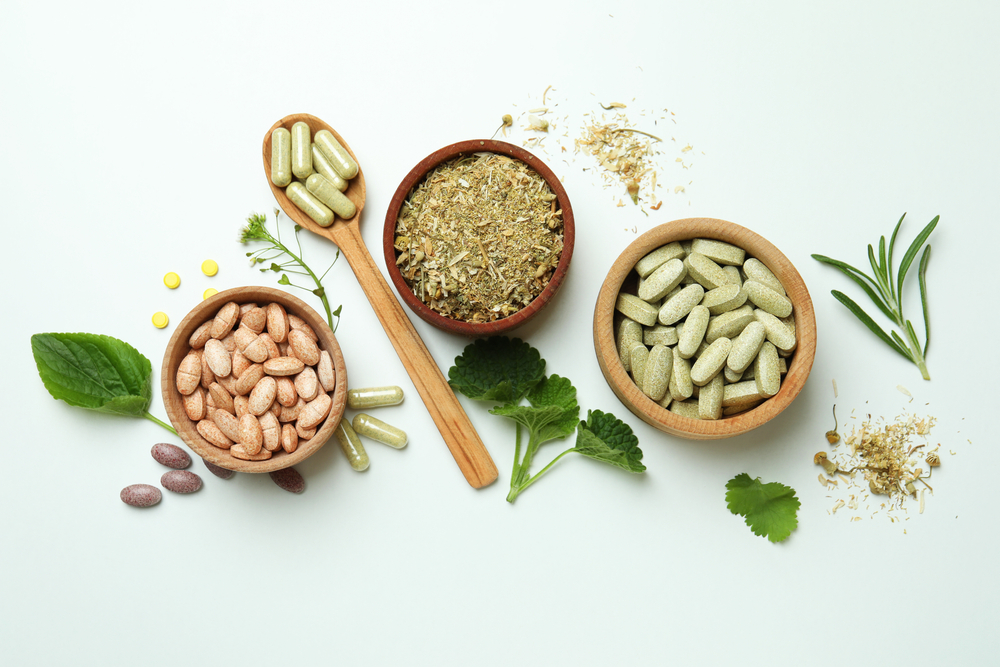
Herbal medicines have been used for centuries to treat a wide range of health conditions. Many people choose them because they're seen as a natural alternative to conventional medicine. But do herbal medicines actually work - and are they safe to take?
بقلم هيذر أينسورث
عن المؤلفعرض السيرة الذاتية الكاملة

الدكتورة سارة جارفيس
استشاري سريري
MA (Cantab), BM, BCh (Oxon), DRCOG, FRCGP, MBE
بعد التدريب في الطب في كامبريدج وأكسفورد، أصبحت الدكتورة سارة جارفيس حاصلة على وسام الإمبراطورية البريطانية طبيبة عامة.
حول المراجععرض السيرة الذاتية الكاملة

الدكتور كريشنا فاخاريا، MRCGP
كبير المسؤولين الطبيين للصحة، أوبتوم المملكة المتحدة
MBChB, MRCGP(2013), BMedSci (hons), DFSRH, DRCOG, PGDipDerm (Distn)
الدكتورة كريشنا فاخاريا هي طبيبة عامة في هيئة الخدمات الصحية الوطنية. كما أنها ممتحنة منتظمة لدبلوم الدراسات العليا في الأمراض الجلدية العملية في جامعة كارديف، بالإضافة إلى كونها كبيرة المسؤولين الطبيين للصحة في Optum UK.
تاريخ المقال
تمت مراجعة المعلومات الموجودة في هذه الصفحة من قبل أطباء مؤهلين.
المقال متاح أيضًا باللغة الإنجليزية, الألمانية, إسبانية, الفرنسية, إيطالي, البرتغالية, الهندية, العبرية, العربية ,، و السويدية.
30 يناير 2023 | نُشر في الأصل
كتبه:
الدكتورة سارة جارفيسمراجعة من قبل
الدكتور كريشنا فاخاريا، MRCGP

اسأل، شارك، تواصل.
تصفح المناقشات، اطرح الأسئلة، وشارك التجارب عبر مئات المواضيع الصحية.

هل تشعر بتوعك؟
قم بتقييم أعراضك عبر الإنترنت مجانًا
اشترك في النشرة الإخبارية للمرضى
جرعتك الأسبوعية من النصائح الصحية الواضحة والموثوقة - مكتوبة لمساعدتك على الشعور بالاطلاع والثقة والتحكم.
من خلال الاشتراك، فإنك تقبل سياسة الخصوصية. يمكنك إلغاء الاشتراك في أي وقت. نحن لا نبيع بياناتك أبدًا.
المزيد في العلاج والدواء
- 4 نصائح للإسعافات الأولية لعيد ميلاد آمن وسعيد
- هل مشروبات البروتين مفيدة لفقدان الوزن؟
- العلاج بالفن: طرق إبداعية لتعزيز صحتك النفسية
- هل يمكن للعلاج بالتنويم المغناطيسي أن يساعد في علاج الأرق؟
- مادة كيميائية موجودة في القنب قد تكون أكثر فعالية من المسكنات
- محدثهل تعمل الأدوية العشبية حقًا؟
- ممارسة الجنس بعد استئصال الأسهر
- حمى القش: كيف يمكن للصيدلي مساعدتك
- كيف يعمل مونجارو لفقدان الوزن؟
- كيف يعمل ويجوفي لفقدان الوزن؟
- كيفية التوقف عن تناول مونجارو أو التحول إلى بديل
- كيف غيرت جراحة فقدان الوزن حياتي: قصة جيما
- هل يعتبر ASMR السر وراء النعيم الحسي؟
- واحد من كل أربعة بالغين يتم وصف أدوية إدمانية لهم
- الوصفات الطبية: إجابات على أسئلتك
- هل يجب حظر جراحة الشبكة المهبلية؟
- فهم علاج إزالة حساسية حركة العين وإعادة المعالجة: كيف يمكن لحركات العين أن تساعد في معالجة الصدمة؟
- ماذا يحدث عندما تتوقف عن تناول حقن فقدان الوزن؟
- ما هو العلاج الطبيعي عبر الفيديو ومن يمكن أن يساعد؟
- من المؤهل للحصول على حقن إنقاص الوزن؟