اختبار PSA
Prostate specific antigen
مراجعة من قبل الدكتورة توني هازيل، MRCGPآخر تحديث بواسطة الدكتورة فيليبا فينسنت، MRCGPLast updated 15 ديسمبر 2024
يتوافق مع الإرشادات التحريرية
- تنزيلتنزيل
- مشاركة
- Language
- نقاش
- نسخة صوتية
في هذه السلسلة:مشاكل البروستاتاتضخم البروستاتااحتباس البولتضيق الإحليلالتهاب البروستاتا المزمنأعراض الجهاز البولي السفلي لدى الرجال
The PSA test (prostate specific antigen) is a blood test which assesses for the likelihood of prostate cancer. It is also used to monitor the treatment for سرطان البروستاتا.
The PSA blood level can also be increased in other conditions. Having an increased PSA test result does not therefore mean that prostate cancer is the diagnosis. At the moment there is no national screening programme for prostate cancer in the UK but there are currently studies looking at whether screening would be appropriate for prostate cancer.
The TRANSFORM randomised controlled trial is being planned to start during 2024. This will include a PSA test amongst others in assessing whether a prostate cancer screening programme is possible or appropriate.
في هذه المقالة:
Video picks for اختبارات الدم
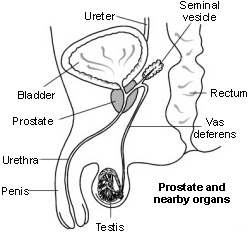
Cross-section diagram of the prostate and nearby organs
تابع القراءة أدناه
What is a PSA test?
The PSA test (prostate specific antigen) is a blood test that measures the level of prostate specific antigen in the blood. PSA is a protein which is made by the prostate gland. The PSA level in the bloodstream is measured in nanograms per millilitre (ng/mL). PSA is made by normal prostate cells but also by prostate cancer cells.
PSA test preparation
العودة إلى المحتوياتBefore having a PSA test, it is important not to have:
An active urine infection.
Produced semen during sex or masturbation (ejaculated) in the previous 48 hours.
Exercised heavily in the previous 48 hours.
Had a prostate biopsy in the previous six weeks.
Had an examination of the back passage with a gloved finger (a digital rectal examination) in the previous week.
Had receptive anal intercourse for a period of 48 hours before a PSA test.
Each of these may produce an unnaturally high PSA result, resulting in unnecessary further investigations.
In England, the PSA test may be offered to any man aged 50 and over who requests it as long as they have considered the pros and cons of having the test. The test may be offered to younger men who have a higher risk of prostate cancer.
تابع القراءة أدناه
The normal range for a PSA test
العودة إلى المحتوياتThe normal range changes as men age.
PSA Cut-off Values | |
|
|
40-49 | 2.5 micrograms/litre or higher |
50-59 | 3.5 micrograms/litre or higher |
60-69 | 4.5 micrograms/litre or higher |
70-79 | 6.5 micrograms/litre or higher |
There are no age-specific reference limits for men older than 80 years of age. Any referral will depend on local guidelines.
Generally, the higher the level of PSA, the more likely it is to be a sign of cancer.
Benefits and limitations of a PSA test
العودة إلى المحتوياتBenefits of PSA testing
PSA testing may lead to prostate cancer being detected earlier, before symptoms develop.
Detecting prostate cancer early before symptoms develop may improve the outcome (prognosis) and improve the chance of a complete cure.
Limitations and risks of PSA testing
False negative result: about 15 out of 100 men with a negative PSA test may have prostate cancer.
False positive result: about 75 out of 100 men with a positive PSA test have normal prostate investigations, ie no evidence of cancer.
A false positive PSA test may lead to unnecessary investigations, such as a prostate biopsy, and there may be side-effects from this investigation, such as bleeding or infection. This is less common nowadays as MRI scans are a more common initial investigation which carry lower risks.
A positive result may also lead to unnecessary treatment. Many prostate cancers are slow growing and may not become evident during a man's lifetime. Side-effects of treatment are common and can be serious, such as urinary incontinence and sexual problems.
Current statistics suggest that, in men between the ages of 50 and 66 who are screened for 13 years, annual PSA testing would result in the avoidance of death from prostate cancer of 1.3 per 1000 men.
تابع القراءة أدناه
Causes of a raised PSA level
العودة إلى المحتوياتA raised PSA level may be due to a diagnosis prostate cancer but about three out of four men with a raised PSA level will not be found to have prostate cancer.
Other conditions may also cause a raised PSA level, including:
Inability to pass urine, causing an enlarged bladder (acute retention of urine).
Older age.
Transurethral resection of the prostate (TURP) operation. TURP is a prostate operation used if you have benign enlargement of the prostate.
Having a catheter in place to help pass urine.
PSA test results
العودة إلى المحتوياتIf the PSA level is not raised
Prostate cancer is less likely. A digital rectal examination may also be needed to rule this out.
If the PSA level is slightly raised
Prostate cancer is less likely. A digital rectal examination may also be needed to rule this out. Annual PSA tests might be advised.
If the PSA level is definitely raised
The GP will do an urgent referral to a urologist (a specialist doctor) for further tests for prostate cancer. The specialist will discuss the options for further investigations, which may include a sample taken (خزعة) of the prostate gland and an فحص الرنين المغناطيسي.
If prostate cancer is found, what are my options?
العودة إلى المحتوياتPatient picks for اختبارات الدم
الفحوصات والتحقيقات
Liver function tests
Liver function tests are a set of blood tests commonly done to check on the health of your liver. Changes in liver function tests give a clue as to whether your liver is under strain, inflamed, infected or diseased, and how badly. The pattern of the liver function tests can give a clue to the cause and can allow early detection of unsuspected problems, and monitoring of known problems.
بقلم الدكتورة روزالين أدلمان، MRCGP
الفحوصات والتحقيقات
Blood clotting tests
Blood clotting tests are used to diagnose and assess bleeding problems and to monitor people who take warfarin or other anticoagulant medicines.
by Dr Hayley Willacy, FRCGP
قراءة إضافية ومراجع
- Prostate cancer risk management programme: overview; الصحة العامة في إنجلترا
- الاشتباه في السرطان: التعرف والإحالة; إرشادات NICE (2015 - آخر تحديث أبريل 2026)
- Prostate cancer: diagnosis and management; NICE Guidance (2019 - last updated December 2021)
- سرطان البروستاتا; NICE CKS, August 2025 (UK access only)
تابع القراءة أدناه
تاريخ المقال
تمت كتابة المعلومات على هذه الصفحة ومراجعتها من قبل أطباء مؤهلين.
Next review due: 14 Dec 2027
15 ديسمبر 2024 | أحدث إصدار

اسأل، شارك، تواصل.
تصفح المناقشات، اطرح الأسئلة، وشارك التجارب عبر مئات المواضيع الصحية.

هل تشعر بتوعك؟
قم بتقييم أعراضك عبر الإنترنت مجانًا
اشترك في النشرة الإخبارية للمرضى
جرعتك الأسبوعية من النصائح الصحية الواضحة والموثوقة - مكتوبة لمساعدتك على الشعور بالاطلاع والثقة والتحكم.
By subscribing you accept our سياسة الخصوصية. يمكنك إلغاء الاشتراك في أي وقت. نحن لا نبيع بياناتك أبدًا.