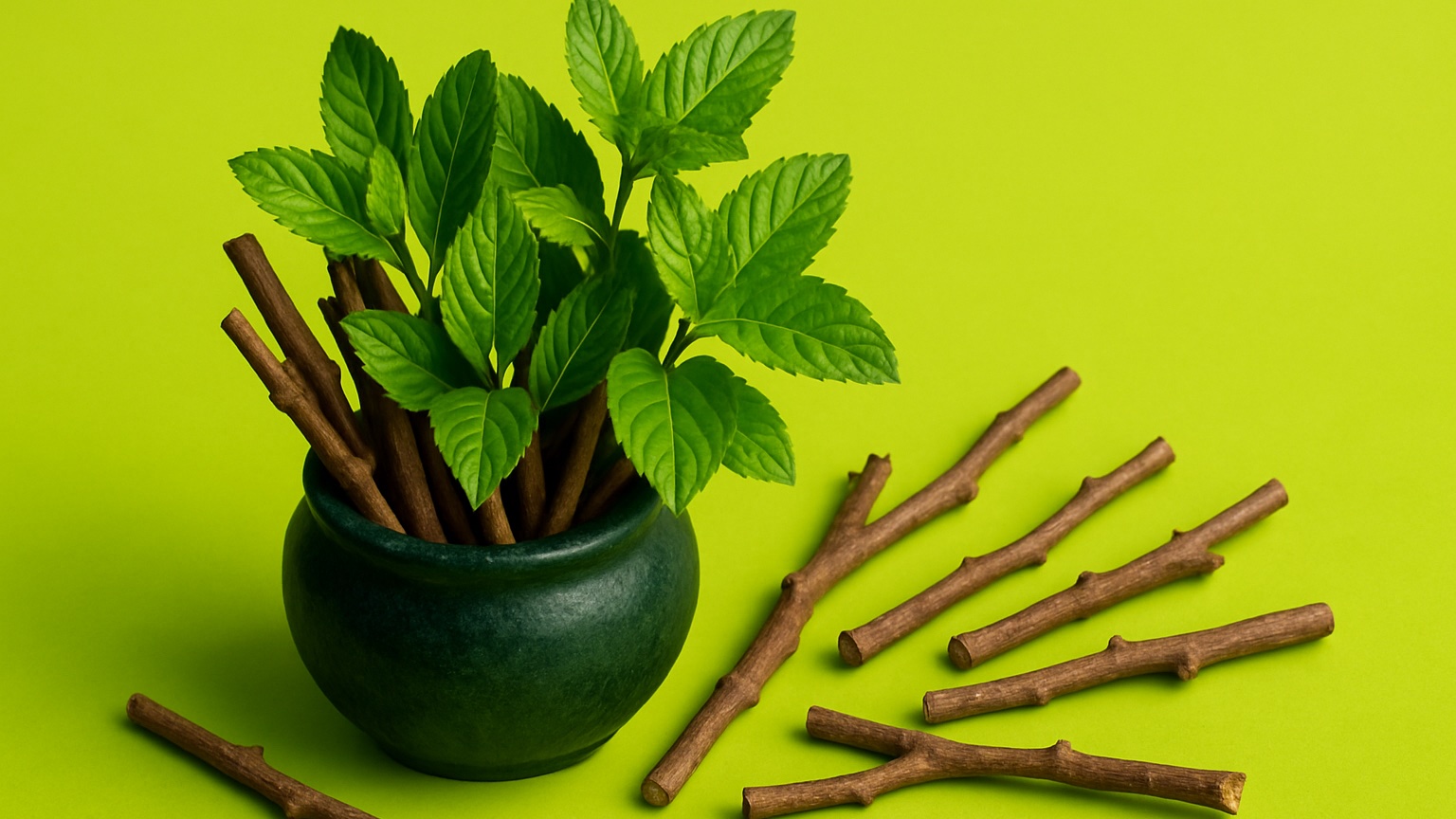
ما هي الأشواغاندا؟ الفوائد الصحية، الاستخدامات، والآثار الجانبية
مراجعة من قبل الدكتور كولين تايدي، MRCGPكتبه Heather Ainsworthنُشر في الأصل 6 Nov 2025
يتوافق مع الإرشادات التحريرية
- تنزيلتنزيل
- مشاركة
- Language
- نقاش
- نسخة صوتية
- أضف إلى المصادر المفضلة على جوجل
Ashwagandha (Withania somnifera) is a centuries-old herb that’s gaining popularity in today’s wellness world. Also known as Indian ginseng or winter cherry, it’s traditionally been used to help people feel calmer and more energised.
Here we look at what it is used for, evidence-backed benefits, and the side effects you should know about.
With so many of us juggling busy lives and looking for natural ways to support our health, it’s no surprise that ashwagandha is getting a lot of attention for its potential benefits - from easing stress to boosting energy and supporting overall wellbeing.
This ancient herb has been a key part of Ayurvedic medicine for thousands of years, and today, thanks to new scientific research, it is being rediscovered for its wide range of potential health effects.
Whether taken as a supplement, powder, or tea, ashwagandha is now one of the most talked-about herbs in modern wellness circles.
What is ashwagandha used for?
Ashwagandha is known as an adaptogen. This means it helps your body handle physical and mental stress better.
People use ashwagandha to feel calmer, more balanced, and better able to cope with القلق و الاكتئاب1. Studies also show it may help improve sleep quality2, lower cortisol levels1 (our main stress hormone), and even support muscle recovery after workouts.
Ashwagandha is available as capsules, powders, or liquid extracts, and can be mixed into teas, smoothies, and water, or taken in tablet form.
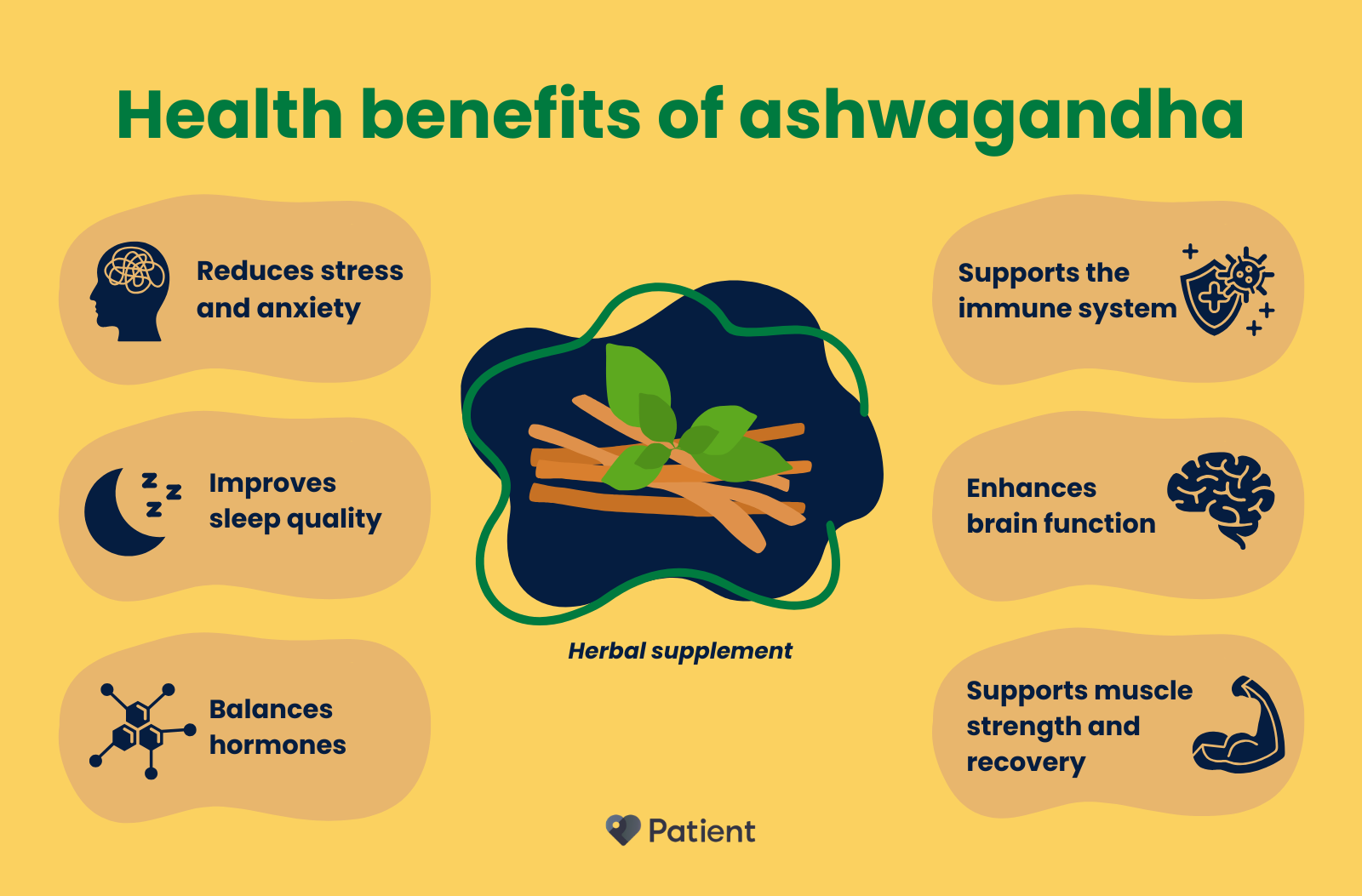
© المريض / هيذر أينسورث
What are the health benefits of ashwagandha?
Ashwagandha has earned its reputation as a powerhouse herb thanks to its wide range of potential health benefits, many of which are now supported by scientific research.
1. Helps reduce stress and anxiety
One of its most well-known effects is its ability to reduce stress and anxiety. As an adaptogen, ashwagandha helps regulate cortisol levels1 leading to a calmer mind and improved emotional balance.
2. Improves sleep
Further research suggests that it can help with الأرق by calming the nervous system and promoting relaxation2. Ashwagandha may not only help people fall asleep faster but also improve the overall quality of sleep.
3. Supports physical performance and muscle recovery
Ashwagandha has been shown to enhance sports performance in athletes and fitness enthusiasts by increasing muscle strength, improving endurance, and promoting faster recovery3.
4. Enhances brain function
Ashwagandha may enhance memory, attention, and overall brain function by reducing oxidative stress and supporting the health of nerve cells4.
5. Balances hormones
Further studies show that it may help boost testosterone levels and fertility, particularly in men, by supporting hormone balance and reproductive health5.
6. Helps maintain a healthy immune system
Ashwagandha’s anti-inflammatory and antioxidant properties contribute to overall immune support6 and may help reduce some inflammation-related conditions over time7.
What are the side effects of ashwagandha?
While ashwagandha is generally considered safe for most people to take short-term (up to 3 months), it’s important to be aware of potential side effects - especially if you're new to using herbal supplements or have taken a large dose.
Common side effects of ashwagandha are:
الإسهال.
الشعور بالغثيان (الغثيان)
التقيؤ.
نعاس.
If side effects continue or worsen, stop taking ashwagandha immediately and contact a healthcare professional for advice.
Note: the long-term safety of ashwagandha is currently unknown and therefore it is advised to only be used short-term.
Who should not take ashwagandha?
النساء الحوامل – Ashwagandha may stimulate the uterus and potentially cause miscarriage.
Breastfeeding women – There is insufficient research on its safety during breastfeeding and therefore it is advised that breastfeeding women do not take ashwagandha.
People with autoimmune diseases – Ashwagandha can stimulate the immune system, which may worsen autoimmune conditions such as التهاب المفاصل الروماتويدي, lupus ,، و التصلب المتعدد.
People taking medications for thyroid, blood pressure, anxiety, or sedatives – ashwagandha may interact with certain medicines, affecting their effectiveness.
As with any supplement, it is best to consult with a healthcare professional before starting ashwagandha - especially if you're on medication, have underlying health conditions, or are unsure about the proper dosage for your needs.
ملخص
Ashwagandha is a traditional Ayurvedic herb known for reducing stress, boosting mental clarity, enhancing physical performance, and supporting sleep and immune health. Studies suggest it can also improve muscle strength, endurance, and recovery.
While generally safe for short-term use, it may cause side effects such as diarrhoea or drowsiness and isn’t suitable for everyone - so it’s important to check with a healthcare professional before trying it.
More research is needed to fully understand its benefits and risks. In the meantime, you might find our article نصائح لتخفيف التوتر لتجربتها كل يوم helpful - it offers expert advice and science-backed strategies to manage stress and anxiety.
قراءة إضافية
1. Salve et al: Adaptogenic and Anxiolytic Effects of Ashwagandha Root Extract in Healthy Adults
6. Tharakan et al: Immunomodulatory Effect of Withania somnifera (Ashwagandha) Extract
اختيارات المرضى لـ الفيتامينات والمكملات الغذائية
النظام الغذائي والتغذية
هل قهوة الفطر مفيدة حقًا لك؟
Mushroom coffee has been brewing up a storm in the wellness world. Famed for its potential advantages over regular coffee, mushroom coffee includes a mix of supplemental mushrooms, each claiming to offer distinctive health perks. But what exactly is mushroom coffee? How is it made? And do its benefits live up to the hype?
بقلم فيكتوريا راو
النظام الغذائي والتغذية
سمية فيتامين د: 5 علامات على أنك تناولت الكثير
With the days getting shorter and sunlight in short supply, many of us reach for vitamin D supplements to stay healthy and avoid deficiency. However, taking more than you should isn't good for you and can lead to vitamin D toxicity. Here’s how to recognise the signs of excess vitamin D and how to keep your levels safe.
بقلم هيذر أينسورث
عن المؤلفعرض السيرة الذاتية الكاملة

هيذر أينسورث
مدير تحسين محركات البحث
بكالوريوس (مع مرتبة الشرف) في إدارة الأعمال والتسويق، شهادة IDM في التسويق الرقمي، مساعد الصحة النفسية®
هيذر هي مديرة تحسين محركات البحث في شركة Patient ومدربة كمساعدة أولى للصحة النفسية. هي أيضًا كاتبة صحية منتظمة، تغطي مجموعة واسعة من المواضيع مع اهتمام خاص بالصحة النفسية، وصحة المرأة، والصحة الشاملة.
حول المراجععرض السيرة الذاتية الكاملة

الدكتور كولين تايدي، MRCGP
طبيب عام، مؤلف طبي
MBBS, MRCGP, MRCP (Paediatrics), DCH
الدكتور كولين تايدي هو طبيب في هيئة الخدمات الصحية الوطنية، ويعمل في أوكسفوردشاير.
تاريخ المقال
تمت مراجعة المعلومات الموجودة في هذه الصفحة من قبل أطباء مؤهلين.
المقال متاح أيضًا باللغة الإنجليزية, الألمانية, إسبانية, الفرنسية, إيطالي, البرتغالية, الهندية, العبرية, العربية ,، و السويدية.
Next review due: 6 Nov 2028
6 Nov 2025 | نُشر في الأصل
كتبه:
هيذر أينسورثمراجعة من قبل
الدكتور كولين تايدي، MRCGP

اسأل، شارك، تواصل.
تصفح المناقشات، اطرح الأسئلة، وشارك التجارب عبر مئات المواضيع الصحية.

هل تشعر بتوعك؟
قم بتقييم أعراضك عبر الإنترنت مجانًا
اشترك في النشرة الإخبارية للمرضى
جرعتك الأسبوعية من النصائح الصحية الواضحة والموثوقة - مكتوبة لمساعدتك على الشعور بالاطلاع والثقة والتحكم.
من خلال الاشتراك، فإنك تقبل سياسة الخصوصية. يمكنك إلغاء الاشتراك في أي وقت. نحن لا نبيع بياناتك أبدًا.
المزيد في النظام الغذائي والتغذية
- 5 وصفات شوربة دافئة
- 7 وصفات خريفية نابضة بالحياة - حافظ على الموسمية
- هل يمكن للأرز الخميرة الحمراء أن يخفض نسبة الكوليسترول لديك؟
- هل تعزز البروبيوتيك صحة الشعر؟
- نظام غذائي للكبد الدهني: الأطعمة التي يجب تناولها وتجنبها
- وصفات بان كيك صحية لنظامك الغذائي
- كيف يمكن للذكاء الاصطناعي أن يمنحك أفكارًا لوجبات صحية
- محدثكيف يؤثر النظام الغذائي على قلبك
- كيف يمكن للنظام الغذائي أن يقلل من خطر الإصابة بالسكتة الدماغية والنوبة القلبية
- كيفية تجنب تناول الوجبات الخفيفة عندما تشعر بالملل
- كيفية التخلص من الغازات المحبوسة: علاجات منزلية فعّالة
- كيفية التعامل مع الشعور بالذنب تجاه الطعام خلال عيد الميلاد
- حجم الحصص الغذائية: لماذا تساهم حصصنا الكبيرة في أزمة السمنة
- الفوائد الصحية للقهوة والشاي
- أحدث الأطعمة الخارقة - ما الضجة حول الميكروجرين؟
- ما هو النظام الغذائي المضاد للالتهابات؟
- ما هو نظام الحمية السريعة 800؟
- ما هي الفيتامينات التي أحتاجها؟
- ماذا سيختار معدتك في السوبرماركت؟
- لماذا الإفراط في تناول السكر ضار للأطفال