إيقاف نزيف الأنف
مراجعة من قبل الدكتور كولين تايدي، MRCGPآخر تحديث بواسطة الدكتورة هايلي ويلاسي، زميلة الكلية الملكية للأطباء العامين آخر تحديث 24 Oct 2023
يتوافق مع الإرشادات التحريرية
- تنزيلتنزيل
- مشاركة
- Language
- نقاش
- نسخة صوتية
- أضف إلى المصادر المفضلة على جوجل
في هذه السلسلة:نزيف الأنف
This leaflet is created from first aid advice provided by St John Ambulance, the nation's leading first aid charity. This advice is no substitute for first aid training - find a training course near you.
نظرة سريعة
A nosebleed is blood flowing from one or both nostrils, often from ruptured tiny blood vessels.
Common causes include a blow to the nose, sneezing, picking, or blowing the nose.
To stop a nosebleed, sit down and lean forward, then pinch the soft part of your nose.
Do not speak, swallow, cough, spit, or sniff to avoid disturbing blood clots.
Seek urgent medical help if bleeding is severe, lasts over 30 minutes, or if blood is thin and watery after a head injury.
What is a nose bleed?
ت nose bleed is when blood flows from one or both nostrils. It's normally caused by the tiny blood vessels inside the nostrils being ruptured.
Common causes of nose bleeds include a blow to the nose, sneezing, picking or blowing the nose, and high blood pressure.
What to look for with a nose bleed
Most nose bleeds are minor and only last a few minutes, but they can be dangerous if someone loses a lot of blood or if they have frequently nose bleeds.
If someone has had a blow to the head, the blood may appear thin and watery. This could mean that their skull is fractured and fluid is leaking from around the brain. If that happens, it is very serious and you should call 999 or 112 for emergency medical help. See advice for إصابة في الرأس.
How to stop a nose bleed
If someone is having a nose bleed, your priority is to control the bleeding and keep their airway open. To stop a nose bleed:
Get them to sit down (not lie down) as keeping the nose above the heart will reduce bleeding.
Get them to lean forward (not backwards), to make sure the blood drains out through their nose, rather than down their throat which could block their airway.
Nose pinch SJA
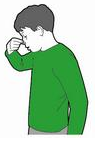
Ask them to breathe through their mouth and pinch the soft part of the nose, taking a brief pause every ten minutes, until the bleeding has stopped.
Encourage them not to speak, swallow, cough, spit or sniff because this may break blood clots that may have started to form in the nose.
If the bleeding is severe, or if it lasts more than 30 minutes, call 999 or 112 for medical help.
ملاحظة: these hints are no substitute for thorough knowledge of first aid. St John Ambulance holds first aid courses throughout the country.
What will my GP do if I have nosebleeds?
When you go and see your local doctor about a nosebleed, they will ask you questions about the bleeds, such as how often they occur and how long they last? Do both nostrils bleed or does it tend to be one side? They will try to discover what might have caused the bleeding. They will ask about what medicines you take, if any, and any family history of bleeding disorders. Then they will examine the inside of your nose and take your blood pressure. A high blood pressure can cause nose bleeds.
Sometimes the GP may be able to see a bleeding point (a small blood vessel) in the nostril and cauterise it. This might be with electrocautery or silver nitrate. This can be quite uncomfortable to tolerate and similar results are obtained using a cream called Naseptin® for a few days. If they cannot stop the bleeding they will pack the nose with soft dressing material. This applies pressure to the small blood vessels and stops the bleeding.
Preventing a nosebleed
Try to avoid picking your nose and keep your fingernails short.
Blow your nose less often and do so gently.
Don't allow your nostrils to become dry. If you feel the skin is dry, you can help by applying a small amount of petroleum jelly.
If you use a nasal decongestant, follow the instructions carefully. Overusing them can cause nosebleeds.
Adapted from the St John Ambulance leaflet: nose bleeds. Copyright for this leaflet is with St John Ambulance.
اختيارات المرضى لـ Nose and sinuses

الأذن والأنف والحنجرة
التهاب الأنف المستمر
التهاب الأنف المستمر يسبب عادة العطس وانسداد الأنف وحكة وسيلان الأنف. الحساسية هي سبب شائع ولكن هناك أيضًا أسباب غير حساسية. تشمل خيارات العلاج تجنب الأشياء التي تسبب الحساسية، بخاخ الأنف المضاد للهستامين، أقراص مضادة للهستامين وبخاخ الأنف الستيرويدي. تُستخدم أحيانًا علاجات أخرى.
بقلم الدكتور دوغ مكيتشني، MRCGP
الأذن والأنف والحنجرة
احتقان الأنف
احتقان الأنف هو شعور بانسداد أو احتقان أو انسداد في الأنف. تتناول هذه النشرة أسباب وعلاج احتقان الأنف.
بقلم الدكتورة فيليبا فينسنت، MRCGP
الأسئلة الشائعة
What should I do if a nose bleed happens after a head injury and the blood is watery?
If someone has had an injury to their head and the blood from their nose appears thin and watery, it is a very serious situation. This could indicate a skull fracture and the leaking of fluid from around the brain. You should immediately call 999 or 112 for emergency medical help.
How long does a typical nose bleed last?
Most nose bleeds are minor and usually stop within a few minutes. However, if a nosebleed lasts for more than 30 minutes or if there is a significant amount of blood loss, it can be dangerous and medical help should be sought.
When should I be concerned enough about a nose bleed to call for emergency help?
You should call 999 or 112 for medical help if the nosebleed is severe, lasts for more than 30 minutes, or if it occurs after a head injury and the blood appears thin and watery.
What medicines can cause nose bleeds?
The article mentions that your doctor will ask about any medicines you take to determine if they might be causing the bleeding, but it does not specify which particular medicines can cause nosebleeds.
What should I avoid doing when I have a nose bleed to help it stop?
To help a nosebleed stop and prevent further bleeding, you should avoid speaking, swallowing, coughing, spitting, or sniffing. These actions can disrupt any blood clots that are forming in the nose and restart the bleeding.
What can a doctor do if my nose bleeds frequently?
If you visit your GP for frequent nosebleeds, they will ask about your bleeding patterns, examine your nose, and check your blood pressure. They may be able to see a bleeding point inside your nostril and treat it using electrocautery or silver nitrate, or by prescribing a cream like Naseptin®. If these methods don't stop the bleeding, they might pack your nose with a soft dressing.
قراءة إضافية ومراجع
- Epistaxis (nosebleeds); NICE CKS، أكتوبر 2024 (الوصول متاح فقط في المملكة المتحدة)
- Tunkel DE, Anne S, Payne SC, et al; Clinical Practice Guideline: Nosebleed (Epistaxis). Otolaryngol Head Neck Surg. 2020 Jan;162(1_suppl):S1-S38. doi: 10.1177/0194599819890327.
عن المؤلفعرض السيرة الذاتية الكاملة

الدكتورة هايلي ويلاسي، زميلة الكلية الملكية للأطباء العامين
طبيب عام، مؤلف طبي
MBChB (1992), DRCOG, DFFP, MRCOG (Part 1) MRCGP (2007), DFSRH (2013), MSc - medical education (2020)
كانت الدكتورة هايلي ويلاسي طبيبة عامة في هيئة الخدمات الصحية الوطنية تعمل في شمال غرب إنجلترا، وتقاعدت من الممارسة السريرية في عام 2022 بعد 30 عامًا.
حول المراجععرض السيرة الذاتية الكاملة

الدكتور كولين تايدي، MRCGP
طبيب عام، مؤلف طبي
MBBS, MRCGP, MRCP (Paediatrics), DCH
الدكتور كولين تايدي هو طبيب في هيئة الخدمات الصحية الوطنية، ويعمل في أوكسفوردشاير.
تاريخ المقال
تمت كتابة المعلومات على هذه الصفحة ومراجعتها من قبل أطباء مؤهلين.
المقال متاح أيضًا باللغة الإنجليزية, الألمانية, إسبانية, الفرنسية, إيطالي, البرتغالية, الهندية, العبرية, العربية ,، و السويدية.
Next review due: 22 Oct 2028
24 Oct 2023 | أحدث إصدار
آخر تحديث بواسطة
الدكتورة هايلي ويلاسي، زميلة الكلية الملكية للأطباء العامينمراجعة من قبل
الدكتور كولين تايدي، MRCGP

اسأل، شارك، تواصل.
تصفح المناقشات، اطرح الأسئلة، وشارك التجارب عبر مئات المواضيع الصحية.

هل تشعر بتوعك؟
قم بتقييم أعراضك عبر الإنترنت مجانًا
اشترك في النشرة الإخبارية للمرضى
جرعتك الأسبوعية من النصائح الصحية الواضحة والموثوقة - مكتوبة لمساعدتك على الشعور بالاطلاع والثقة والتحكم.
من خلال الاشتراك، فإنك تقبل سياسة الخصوصية. يمكنك إلغاء الاشتراك في أي وقت. نحن لا نبيع بياناتك أبدًا.
المزيد في الأذن والأنف والحنجرة
- ورم العصب السمعي
- التهاب الجيوب الأنفية الحاد
- إصابة الأذن بالضغط
- انسداد الأنف عند الأطفال
- ورم كوليسترولي
- مزيلات الاحتقان
- شمع الأذن
- التهاب لسان المزمار
- الحمى الغدية
- حمى القش
- اختبارات السمع
- حساسية عث الغبار المنزلي والحيوانات الأليفة
- نزيف الأنف
- تصلب الأذن
- ثقب طبلة الأذن
- التهاب الحلق
- بخاخات الأنف الستيرويدية
- سرطان الحنجرة
- طنين الأذن
- التهاب اللوزتين