
Why does your stomach rumble when you aren't hungry?
مراجعة من قبل الدكتور كريشنا فاخاريا، MRCGPآخر تحديث بواسطة Lawrence Higginsآخر تحديث 24 Apr 2024
يتوافق مع الإرشادات التحريرية
- تنزيلتنزيل
- مشاركة
- Language
- نقاش
- نسخة صوتية
- أضف إلى المصادر المفضلة على جوجل
If your stomach is rumbling or gurgling it is not unusual and it's something we mostly associate with hunger. However, those noises do not always come from our stomach or just when we haven't eaten. They can also be linked to other underlying health issues.
في هذه المقالة:
اختيارات الفيديو لـ عسر الهضم وحرقة المعدة
تابع القراءة أدناه
Why does my stomach rumble?
It can be confusing when your stomach rumbles and you aren't hungry - so why does it happen and can it be prevented?
Also known as borborygmi, noises are produced when your stomach shuffles liquid and wind backwards and forwards.
However, not all noise comes from the stomach alone, even if it seems that way. Sounds come from the whole digestive system, including the small intestine or colon.
While a noisy gut can be caused by hunger, it may be from anxiety or fright.
Stomach rumbling noises are common in متلازمة القولون العصبي, but particularly loud rumblings from the intestines can be caused by gut problems such as مرض كرون or food intolerances or allergies. If you have this with other symptoms, such as severe stomach pain, then you should see your doctor.
Is stomach rumbling common?
العودة إلى المحتوياتStomach rumbling can happen at any time and are the sounds of peristalsis - a series of wave-like muscle contractions that mix food in the stomach with liquids and digestive juices and move food along through your intestines. During this process, air and gases produced by digestion, also get squeezed and make noises.
A rumbling or growling stomach is a normal part of the digestion process and the body's way of letting you know you're hungry. Because there is nothing in the stomach to muffle or silence these rumbles, you can often hear them.
Rumbling noises of an empty stomach will last around 10-20 minutes out of every hour, until you fill your stomach up again. It is common both before eating - when you likely feel most hungry - and a few hours after your last meal.
تابع القراءة أدناه
Does a stomach rumble always mean hunger?
العودة إلى المحتوياتThe muscle contractions that cause a rumbling stomach actually happen all of the time, not just when we are hungry. However, they are easier to hear when the stomach or intestines are empty, as nothing but air is helping them travel around.
When your stomach is empty, contractions happen about three times each minute, and usually multiple contractions occur at different places in the stomach. When it's full, those contractions don't stop completely, but they soften and slow down.
A couple of hours after your last meal moves out of your stomach, your stomach produces a hormone called ghrelin that tells your brain you are hungry, causing the digestive system to restart peristalsis.
Not only does this make your body think where its next meal will come from, it acts as a bit of housekeeping for your insides - sweeping any remaining food and liquids down the digestive tract and into the intestines, leaving your stomach clean.
A growling gut doesn't necessarily mean you need to eat. It can simply be a sign that your most recent meal has moved further along your digestive system.
Why else might the stomach rumble?
العودة إلى المحتوياتAlthough stomach rumbling is usually nothing to be worried about, it can sometimes be a sign of underlying health conditions. These will have other symptoms, such as الإمساك أو الإسهال - a rumbling stomach is not typically the only sign.
Some conditions associated with stomach rumbling include:
الإسهال.
Food حساسيات.
Gastrointestinal infections.
Intestinal blockage.
Irritable bowel syndrome (IBS).
Additionally, a diet high in fructose and sorbitol - sweeteners that are commonly used in soft drinks and juices - can cause loud stomach growls.
تابع القراءة أدناه
Can stomach rumbles be cured?
العودة إلى المحتوياتThere generally isn't a way of diagnosing or treating stomach rumbling, because it is an everyday occurrence that usually does not suggest any underlying concerns. However, if you think your rumbles are being caused by something else and a health professional suspects a type of gastrointestinal disorder, you may be referred for investigations - possibly an endoscopy أو اختبارات الدم - and offered a specific course of treatment.
This could involve creating a خطة غذائية and increasing fluid consumption.
How to stop stomach rumbling
There are also some natural ways of relieving stomach rumbles - these include:
Drinking water - drink slowly at regular intervals throughout the day, rather than in large gulps, which can cause gurgling sounds.
Eating slowly - chewing slowly can reduce the amount of air swallowed, preventing digestive distress.
Limiting sugar, الكحول, and acidic foods - sugars such as fructose and sorbitol, and foods like citrus fruits and coffee can cause stomach growling. Meanwhile, alcohol can irritate the digestive tract and can delay gastric emptying, leading to stomach pain.
Discovering your food intolerances - avoid foods that cause symptoms, and discuss the possibility of an intolerance with your doctor.
Staying physically active - walking after meals can speed up the rate at which your stomach empties.
Remaining calm - stomach growling can become more apparent in stressful situations.
Avoid foods that make you fart or burp.
Foods that produce farting and burping
تشمل هذه الأشياء:
فاصوليا.
Beer.
Broccoli.
Brussels sprouts.
Cabbage.
Cauliflower.
Lentils.
الفطر.
Onions.
بازلاء.
Whole grains.
اختيارات المرضى لـ عسر الهضم وحرقة المعدة

صحة الجهاز الهضمي
Is it really reflux? Why you might be mis-prescribed PPIs
هل تتذكر عندما كان بيع PPI بشكل خاطئ شيئًا شائعًا؟ حسنًا، هل سمعت عن وصف PPI بشكل خاطئ؟ مثبطات مضخة البروتون - أو PPIs - هي أدوية تقلل من كمية الحمض التي ينتجها معدتك. يتم وصفها عادةً لعلاج مرض الارتجاع المعدي المريئي (GORD)، المعروف بشكل أكثر شيوعًا باسم حرقة المعدة أو الارتجاع الحمضي طويل الأمد. يعاني حوالي 20% من الأشخاص في المملكة المتحدة من GORD، ويتم وصف PPIs لحوالي 10 ملايين شخص لإدارة أعراضهم. ومع ذلك، وفقًا لمسح جديد بتكليف من عيادة الأمعاء الوظيفية، يتم وصف PPIs للعديد من الأشخاص لعلاج GORD دون الخضوع لاختبارات رسمية لتأكيد الحالة.
بقلم فيكتوريا راو
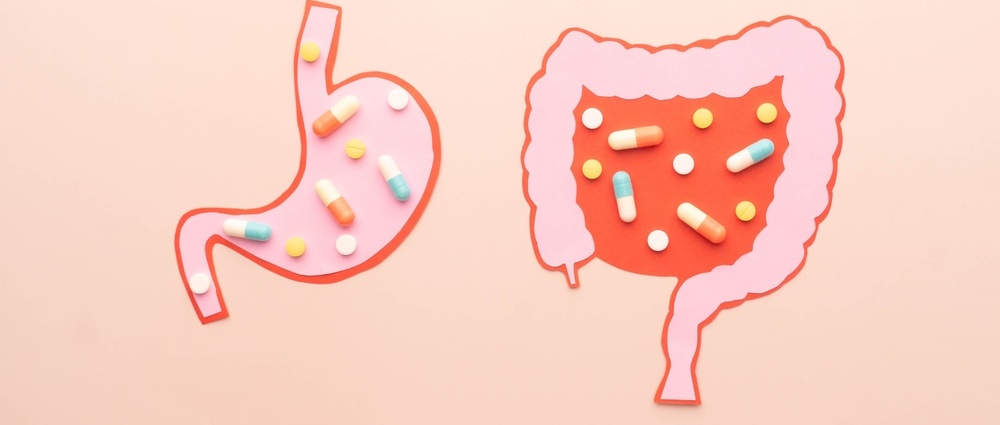
صحة الجهاز الهضمي
When to worry about indigestion
Most of us get indigestion from time to time, but for some it's a regular annoyance. How can you avoid it, and when should you worry about indigestion?
بقلم لين ستيفن
تابع القراءة أدناه
عن المؤلف

Emily Reynolds
حول المراجععرض السيرة الذاتية الكاملة

الدكتور كريشنا فاخاريا، MRCGP
كبير المسؤولين الطبيين للصحة، أوبتوم المملكة المتحدة
MBChB, MRCGP(2013), BMedSci (hons), DFSRH, DRCOG, PGDipDerm (Distn)
الدكتورة كريشنا فاخاريا هي طبيبة عامة في هيئة الخدمات الصحية الوطنية. كما أنها ممتحنة منتظمة لدبلوم الدراسات العليا في الأمراض الجلدية العملية في جامعة كارديف، بالإضافة إلى كونها كبيرة المسؤولين الطبيين للصحة في Optum UK.
تاريخ المقال
تمت مراجعة المعلومات الموجودة في هذه الصفحة من قبل أطباء مؤهلين.
Next review due: 22 Apr 2027
24 Apr 2024 | أحدث إصدار
17 Oct 2021 | نُشر في الأصل
كتبه:
Emily Reynolds

اسأل، شارك، تواصل.
تصفح المناقشات، اطرح الأسئلة، وشارك التجارب عبر مئات المواضيع الصحية.

هل تشعر بتوعك؟
قم بتقييم أعراضك عبر الإنترنت مجانًا
اشترك في النشرة الإخبارية للمرضى
جرعتك الأسبوعية من النصائح الصحية الواضحة والموثوقة - مكتوبة لمساعدتك على الشعور بالاطلاع والثقة والتحكم.
من خلال الاشتراك، فإنك تقبل سياسة الخصوصية. يمكنك إلغاء الاشتراك في أي وقت. نحن لا نبيع بياناتك أبدًا.