قلس الصمام التاجي
مراجعة من قبل الدكتور كولين تايدي، MRCGPآخر تحديث بواسطة الدكتورة هايلي ويلاسي، زميلة الكلية الملكية للأطباء العامين آخر تحديث 23 أكتوبر 2023
يتوافق مع الإرشادات التحريرية
- تنزيلتنزيل
- مشاركة
- Language
- نقاش
- نسخة صوتية
- أضف إلى المصادر المفضلة على جوجل
The mitral valve is a heart valve that lies between the left atrium and left ventricle.
نظرة سريعة
قلس الصمام التاجي هو حالة لا يغلق فيها الصمام التاجي في قلبك بشكل صحيح.
هذا يتسبب في تسرب الدم مرة أخرى إلى الأذين الأيسر عندما يضخ القلب.
غالبًا ما لا تسبب القلس التاجي الخفيف أي أعراض.
يمكن أن تسبب الحالات الأكثر شدة ضيق التنفس، والتعب، وتورم الكاحلين.
يمكن للأدوية أن تساعد في إدارة الأعراض ولكنها لا تستطيع إصلاح الصمام.
قد تكون هناك حاجة إلى جراحة لإصلاح أو استبدال الصمام في الحالات الأكثر شدة.
يمكن أن يحسن العلاج بشكل كبير من التوقعات للأشخاص الذين يعانون من هذه الحالة.
The heart - mitral valve incompetence
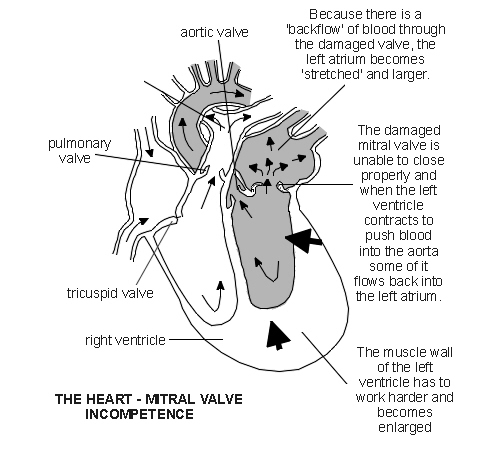
What is mitral regurgitation?
Mitral regurgitation is sometimes called mitral insufficiency or mitral incompetence. In mitral regurgitation the valve does not close properly. This causes blood to leak back (regurgitate) into the left atrium when the left ventricle squeezes (contracts). Basically, the more open the valve remains, the more blood regurgitates and the more severe the problem.
تدلي الصمام التاجي
This is also called floppy mitral valve. In this condition the valve is slightly deformed and bulges back into the left atrium when the ventricle contracts. This can let a small amount of blood leak back into the left atrium.
As many as 1 in 10 people have some degree of mitral valve prolapse. It becomes common with increasing age. It usually causes no symptoms, as the amount of blood that leaks back is often slight.
What causes mitral regurgitation?
Sometimes regurgitation is rarely caused by congenital structural deformity of or damage to the leaflets, chordae, and/or papillary heart muscles. It sometimes occurs with connective tissue disorders such as Marfan's syndrome, الذئبة الحمامية الجهازية أو Ehler's-Danlos syndrome.
مرض القلب الروماتيزمي is very common in the developing world and is a common cause of mitral regurgitation worldwide.
Mitral regurgitation symptoms
Mild mitral regurgitation may not cause any symptoms. However the symptoms associated with more severe mitral regurgitation include:
ضيق في التنفس, especially with activity or when you lie down.
Mitral regurgitation treatment
Mild cases may not require any regular medication. Although medicines cannot correct mitral regurgitation, some medicines may be prescribed to help ease symptoms, or to help prevent complications by managing your blood pressure - for example, مثبطات الإنزيم المحول للأنجيوتنسين (ACE), 'water tablets' (diuretics) و anticoagulation medication.
If you develop الرجفان الأذيني, several medicines can be used to slow the heart rate down.
العلاج الجراحي
Surgical treatment is sometimes needed. Recent guidelines favour surgery at an earlier stage than used to be the case. The best option for you will depend on your particular circumstances.
Valve repair may be an option in some cases.
Valve replacement is needed in some cases. This may be with a mechanical or a tissue valve. Mechanical valves are made of materials which are not likely to react with your body, such as titanium. Tissue valves are made from treated animal tissue, such as valves from a pig.
Some surgical options may be possible through a catheter into the femoral vein. This avoids open heart surgery.
Recent guidelines favour replacement rather than repair in many cases. If you need surgery, a surgeon will advise on which is the best option for your situation.
What is the outlook for people with mitral regurgitation?
In some cases, the disorder is mild and causes no symptoms. If you develop symptoms they tend to become gradually worse over the years. Typical complications include فشل القلب, pulmonary artery hypertension, الرجفان الأذيني و السكتة الدماغية. However, the speed of decline can vary. In many cases, it can take years for symptoms to become serious. Doctors use indications of how serious these complications are to decide when the best time is to refer for possible surgery. For example, when the pressure in the pulmonary artery rises above 60mmHg during exercise testing. Medication can ease symptoms but cannot repair a damaged valve.
Surgical treatment has greatly improved the outlook in most people with more severe regurgitation. Surgery has a very good success rate.
اختيارات المرضى لـ أمراض القلب

صحة القلب والأوعية الدموية
تضيق الأبهر
الصمام الأبهري هو صمام قلبي يقع بين البطين الأيسر والشريان الأبهر. في حالة تضيق الأبهر، عندما يفتح الصمام الأبهري للسماح بضخ الدم، فإنه لا يفتح بشكل واسع كما هو معتاد. وبالتالي، فإن الفتحة بين البطين الأيسر والشريان الأبهر تكون ضيقة (متضيقة). وبالتالي، فإن كمية الدم التي يمكن أن تمر من البطين الأيسر إلى الشريان الأبهر تكون منخفضة. كلما زاد تضيق الصمام، كلما قلت كمية الدم التي يمكن أن تمر، وكلما زادت حدة الأعراض. في بعض الحالات، يحدث تضيق الأبهر في نفس الوقت مع ارتجاع الأبهر.
بقلم الدكتورة فيليبا فينسنت، MRCGP

صحة القلب والأوعية الدموية
الذبحة الصدرية الدقيقة
لا يوجد تعريف متفق عليه لـ CSX. قد يكون السبب الأساسي هو التضيق المفاجئ (التشنج) للشرايين التاجية الطبيعية دون أي دليل على وجود لويحات دهنية تصلبية.
بقلم الدكتورة هايلي ويلاسي، FRCGP
الأسئلة الشائعة
ما الفرق بين ارتجاع الصمام الميترالي وتدلي الصمام الميترالي؟
ارتجاع الصمام الميترالي يعني أن الصمام الميترالي لا يغلق بشكل صحيح، مما يتسبب في تسرب الدم إلى الخلف في الأذين الأيسر عندما ينقبض البطين الأيسر. تدلي الصمام الميترالي، المعروف أيضًا باسم "الصمام الميترالي المرن"، هو حالة يكون فيها الصمام مشوهًا قليلاً وينتفخ إلى الخلف في الأذين الأيسر. بينما يمكن أن يتسبب تدلي الصمام الميترالي في تسرب كمية صغيرة من الدم إلى الخلف، مما يؤدي إلى ارتجاع الصمام الميترالي، إلا أنهما حالتان متميزتان.
هل يمكن أن يكون ارتجاع الصمام الميترالي ناتجًا عن حالات غير مشاكل القلب؟
نعم، على الرغم من ندرتها، يمكن أن ترتبط قلس الصمام التاجي أحيانًا بتشوهات هيكلية خلقية في مكونات الصمام. يمكن أن تحدث أيضًا لدى الأفراد الذين يعانون من بعض اضطرابات النسيج الضام مثل متلازمة مارفان، الذئبة الحمامية الجهازية، أو متلازمة إهلرز دانلوس.
إذا كنت أعاني من ارتجاع طفيف في الصمام الميترالي ولا توجد لدي أعراض، هل أحتاج إلى علاج؟
قد لا تتطلب الحالات الخفيفة من ارتجاع الصمام الميترالي تناول الأدوية بانتظام. وعلى الرغم من أن الأدوية لا يمكنها تصحيح مشكلة الصمام، إلا أنها يمكن أن تساعد في إدارة الأعراض أو منع المضاعفات، مثل التحكم في ضغط الدم إذا لزم الأمر.
ما هي الأنواع المختلفة للصمامات المستخدمة في الاستبدال الجراحي؟
عندما تكون جراحة استبدال الصمام ضرورية، قد تحصل على صمام ميكانيكي أو صمام نسيجي. الصمامات الميكانيكية مصنوعة من مواد متينة مثل التيتانيوم، مصممة لعدم التفاعل مع جسمك. الصمامات النسيجية مصنوعة من أنسجة حيوانية معالجة، مثل الصمامات المستخرجة من الخنازير.
ما العوامل التي يأخذها الأطباء في الاعتبار عند اتخاذ قرار بشأن ضرورة الجراحة لعلاج ارتجاع الصمام الميترالي؟
يأخذ الأطباء في الاعتبار شدة المضاعفات، مثل فشل القلب، وارتفاع ضغط الشريان الرئوي، والرجفان الأذيني، والسكتة الدماغية، عند تحديد أفضل وقت للإحالة للجراحة المحتملة. على سبيل المثال، إذا ارتفع الضغط في الشريان الرئوي فوق 60 ملم زئبقي أثناء اختبار التمرين، فإن ذلك يشير إلى الحاجة للتدخل.
قراءة إضافية ومراجع
- الوقاية من التهاب الشغاف المعدي: الوقاية بالمضادات الحيوية من التهاب الشغاف المعدي لدى البالغين والأطفال الذين يخضعون لإجراءات تدخلية; إرشادات NICE السريرية (مارس 2008 - آخر تحديث يوليو 2016)
- Nishimura RA, Otto CM, Bonow RO, et al; 2017 AHA/ACC Focused Update of the 2014 AHA/ACC Guideline for the Management of Patients With Valvular Heart Disease. Circulation. 2017; CIR.0000000000000503. Originally published March 15, 2017.
- مرض صمامات القلب لدى البالغين: التحقيق والإدارة; إرشادات NICE (نوفمبر 2021)
- Girdauskas E, Pausch J, Harmel E, et al; Minimally invasive mitral valve repair for functional mitral regurgitation. Eur J Cardiothorac Surg. 2019 Jun 1;55(Suppl 1):i17-i25. doi: 10.1093/ejcts/ezy344.
- Aluru JS, Barsouk A, Saginala K, et al; Valvular Heart Disease Epidemiology. Med Sci (Basel). 2022 Jun 15;10(2):32. doi: 10.3390/medsci10020032.
عن المؤلفعرض السيرة الذاتية الكاملة

الدكتورة هايلي ويلاسي، زميلة الكلية الملكية للأطباء العامين
طبيب عام، مؤلف طبي
MBChB (1992), DRCOG, DFFP, MRCOG (Part 1) MRCGP (2007), DFSRH (2013), MSc - medical education (2020)
كانت الدكتورة هايلي ويلاسي طبيبة عامة في هيئة الخدمات الصحية الوطنية تعمل في شمال غرب إنجلترا، وتقاعدت من الممارسة السريرية في عام 2022 بعد 30 عامًا.
حول المراجععرض السيرة الذاتية الكاملة

الدكتور كولين تايدي، MRCGP
طبيب عام، مؤلف طبي
MBBS, MRCGP, MRCP (Paediatrics), DCH
الدكتور كولين تايدي هو طبيب في هيئة الخدمات الصحية الوطنية، ويعمل في أوكسفوردشاير.
تاريخ المقال
تمت كتابة المعلومات على هذه الصفحة ومراجعتها من قبل أطباء مؤهلين.
المقال متاح أيضًا باللغة الإنجليزية, الألمانية, إسبانية, الفرنسية, إيطالي, البرتغالية, الهندية, العبرية, العربية ,، و السويدية.
المراجعة التالية مستحقة: 5 سبتمبر 2028
23 أكتوبر 2023 | أحدث إصدار
آخر تحديث بواسطة
الدكتورة هايلي ويلاسي، زميلة الكلية الملكية للأطباء العامينمراجعة من قبل
الدكتور كولين تايدي، MRCGP

اسأل، شارك، تواصل.
تصفح المناقشات، اطرح الأسئلة، وشارك التجارب عبر مئات المواضيع الصحية.

هل تشعر بتوعك؟
قم بتقييم أعراضك عبر الإنترنت مجانًا
اشترك في النشرة الإخبارية للمرضى
جرعتك الأسبوعية من النصائح الصحية الواضحة والموثوقة - مكتوبة لمساعدتك على الشعور بالاطلاع والثقة والتحكم.
من خلال الاشتراك، فإنك تقبل سياسة الخصوصية. يمكنك إلغاء الاشتراك في أي وقت. نحن لا نبيع بياناتك أبدًا.