أدوية لعلاج الإلحاح البولي وسلس البول
مراجعة من قبل الدكتور كولين تايدي، MRCGPآخر تحديث بواسطة الدكتورة توني هازيل، زميلة الكلية الملكية للأطباء العامينآخر تحديث 12 يونيو 2023
يتوافق مع الإرشادات التحريرية
- تنزيلتنزيل
- مشاركة
- Language
- نقاش
- نسخة صوتية
- أضف إلى المصادر المفضلة على جوجل
في هذه السلسلة:أعراض الجهاز البولي السفلي لدى النساءالتهاب المثانة عند النساءالتهاب المثانة المتكرر لدى النساءسلس البول الإلحاحيمتلازمة المثانة المفرطة النشاطسلس البول الإجهادي
Urinary urgency is a symptom where you have a sudden urgent desire to pass urine and you are not able to put off going to the toilet. If you leak urine before you go to the toilet this is called incontinence. For more information see Lower Urinary Tract Symptoms in Men و Lower Urinary Tract Symptoms in Women.
نظرة سريعة
Medicines for urinary urgency and incontinence aim to reduce urine leaks, toilet trips, and urgency.
Duloxetine treats stress incontinence by strengthening bladder muscles.
Antimuscarinic medicines, such as oxybutynin, treat urge incontinence by relaxing bladder muscles.
Lifestyle changes and bladder training are usually tried before medicines for urge incontinence.
Side effects are common but often minor, for example, dry mouth with antimuscarinics.
These medicines are available only with a prescription from a doctor.

غير متأكد من خلط الأدوية؟
تحقق من التفاعلات المحتملة بين الأدوية والمكملات الغذائية والأطعمة قبل تناولها معًا.
What are medicines for urinary urgency and incontinence used for?
Medicines for urinary urgency and incontinence are used to decrease the number of urine leakages, the number of trips to the toilet and the feeling of urgency.
Medicines for stress incontinence
For people with stress incontinence a medicine called duloxetine may be prescribed.
Duloxetine is normally used to treat depression. However, it was found to help with stress incontinence separate to its effect on depression. Duloxetine is thought to work by increasing the activity of chemicals called serotonin and noradrenaline (norepinephrine) in the body.
These chemicals are used in transmitting nerve impulses to muscles. Increasing the action of the chemicals stimulates the muscles around the urethra to contract more strongly.
Medicines for urge incontinence
Medicines from a different class to duloxetine, called antimuscarinics (also called anticholinergics), are used to help treat urge incontinence. There are several different types and many different brand names.
They include medicines such as:
These medicines work by blocking certain nerve impulses to the bladder which relax the bladder muscle, so increasing the bladder capacity. Other medicines which are used less often are oestrogen gels/creams applied to the vagina (to treat urinary symptoms associated with the menopause), or a medicine called desmopressin.
دواء يسمى mirabegron is another option sometimes used to treat urge incontinence. It works by stimulating beta3 receptors in the bladder. This has the effect of relaxing the bladder muscles.
ملاحظة المحرر |
|---|
الدكتور كريشنا فاخاريا, 13th September 2024 |
In the past other medicines (for example, propantheline و مضادات الاكتئاب ثلاثية الحلقات) were used to treat urge incontinence; however, they are not used any longer because of their side-effects.
Duloxetine is available as oral capsules. Antimuscarinics are available as capsules, tablets or skin patches. Some antimuscarinic tablets are available as slow-release tablets or capsules. This just means that the medicine is released into the body over a longer period of time and you don't have to take the tablets or capsules as often in the day.
When are medicines for urinary urgency and incontinence usually prescribed?
For people with stress incontinence, duloxetine may be advised if pelvic floor exercises alone are not helping to treat their stress incontinence. It is usually advised in women who do not want to undergo surgery, or in women who have health problems that may mean that surgery is unsuitable. Pelvic floor exercises are usually more effective if done with supervision by a healthcare professional, rather than alone at home. For those who are obese or overweight, weight loss may also help.
For people with urge incontinence, lifestyle measures (for example, weight loss and cutting down on caffeine and alcohol) and bladder retraining are normally tried first. If there is not enough improvement with bladder training alone, medicines may then be considered.
Which medicine is usually prescribed?
As discussed above, duloxetine is prescribed for stress incontinence.
For people with urge incontinence, oxybutinin (an antimuscarinic) is normally prescribed first. If you have too many side-effects with this medicine, your doctor may choose a different antimuscarinic such as darifenacin, fesoterodine, propiverine, solifenacin, tolterodine, or trospium. Your doctor may also choose a slow-release preparation of oxybutinin or an oxybutinin skin patch to help lessen side-effects.
You may be prescribed mirabegron if you are unable to take an antimuscarinic.
Other medicines that are used less often are oestrogen applied to the vagina and desmopressin. Desmopressin is usually prescribed on the advice of a specialist doctor. Topical oestrogen may be used with an antimuscarinic, and/or with systemic HRT which is taken as a tablet or through the skin as a patch, gel or spray.
Oestrogen applied to the vagina may be chosen for women who have gone through the انقطاع الطمث and desmopressin is considered if you are passing urine frequently at night and you are younger than 65 years of age.
How well do medicines for urinary urgency and incontinence work?
For duloxetine, one study showed that in about 6 in 10 women who took duloxetine, the number of urine leakages halved compared to the time before they took the medication.
Therefore, on its own, duloxetine is not likely to cure the incontinence but may help to make it less of a problem. However, duloxetine in addition to pelvic floor exercises may give a better chance of curing the incontinence than either treatment alone.
Antimuscarinic medicines are all thought to be as effective as each other. They may improve symptoms in some cases but not in all. The level of improvement varies from person to person. You may have fewer toilet trips, fewer urine leaks and less urgency. However, it is uncommon for symptoms to go completely with medication alone.
ما هي المدة المعتادة للعلاج؟
Duloxetine
Duloxetine is usually given for about a month; after this, you are assessed to see if your symptoms have improved. If your symptoms have improved, duloxetine may be continued and you are assessed every few months to see if it is still working.
Your doctor may decide to stop treatment if your symptoms do not improve. If your doctor thinks that you should stop taking duloxetine you should do this slowly - for example, over 1-2 weeks. You should never stop taking this medicine suddenly. This is because you can have withdrawal symptoms such as الدوار, feeling sick (الغثيان) and الصداع.
Antimuscarinics
For antimuscarinics, a common plan is to try a course of medication for a month or so. If it is helpful, you may be advised to continue for up to six months or so and then stop the medication to see how symptoms are without the medication.
Symptoms may return after you finish a course of medication. If you combine a course of medication with bladder training, the long-term outlook (prognosis) is better and symptoms may be less likely to return when you stop the medication.
The need for continuing antimuscarinic medicine therapy should be reviewed every 4-6 weeks until symptoms stabilise and then every 6-12 months.
Side-effects of urinary urgency and incontinence medicines
Duloxetine
The most commonly reported side-effects are:
These usually happen in the first week of treatment but most people find they go away after a few weeks. If these symptoms persist, your doctor may decrease your dose or consider stopping treatment.
Some people who take duloxetine have small increases in blood pressure. If you already have ارتفاع ضغط الدم or any other heart problems, your doctor will measure your blood pressure regularly. Your doctor may consider stopping treatment if there are concerns about your blood pressure.
Antimuscarinics
Side-effects are quite common with these medicines but are often minor and tolerable. The most common side-effect is a dry mouth and simply having frequent sips of water may counter this.
Other common side-effects include:
الإمساك.
However, the medicines have differences and you may find that if one medicine causes troublesome side-effects, a switch to a different one may suit you better.
ميرابيغرون
The most common side-effects are a rapid pulse and urinary tract infections. Less common side-effects include عسر الهضم, palpitations and raised blood pressure.
For a full list of side-effects see the information leaflet that came with your medicine.
Who cannot take medicines for urinary urgency and incontinence?
In general, most people are able to take these medicines; however, there are some people who are unable to take these medicines.
Duloxetine should not be taken by people who have severe kidney or liver problems, uncontrolled high blood pressure, glaucoma (raised pressure in the eye), or who are taking certain medicines - for example, antidepressants called monoamine-oxidase inhibitors.
Antimuscarinics should not be taken by people with:
Myasthenia gravis. This is a condition where muscles become easily tired and weak.
Severe bladder problems or urinary retention (where the body retains urine).
Severe inflammation of the gut (التهاب القولون التقرحي).
Blockage of the gut.
A condition of the eye, known as uncontrolled angle-closure glaucoma.
For a full list of people who cannot take these medicines, see the leaflet that came with your medicines.
Can I buy medicines for urinary urgency and incontinence ?
No - you cannot buy medicines for urinary urgency and incontinence. They are only available from your pharmacist, with a doctor's prescription.
اختيارات المرضى لـ معلومات الطب العام

العلاج والأدوية
الأدوية الجنيسة مقابل الأسماء التجارية
كل دواء له اسم عام معتمد. إذا تم تصنيعه من قبل عدة شركات، فإن كل منها سيعطي الدواء أيضًا اسمًا تجاريًا (علامة تجارية). لذلك قد يكون للدواء اسم عام وأيضًا اسم أو أكثر من الأسماء التجارية. هذا يمكن أن يؤدي أحيانًا إلى الارتباك.
بقلم الدكتورة هايلي ويلاسي، FRCGP
العلاج والأدوية
الأنسولين
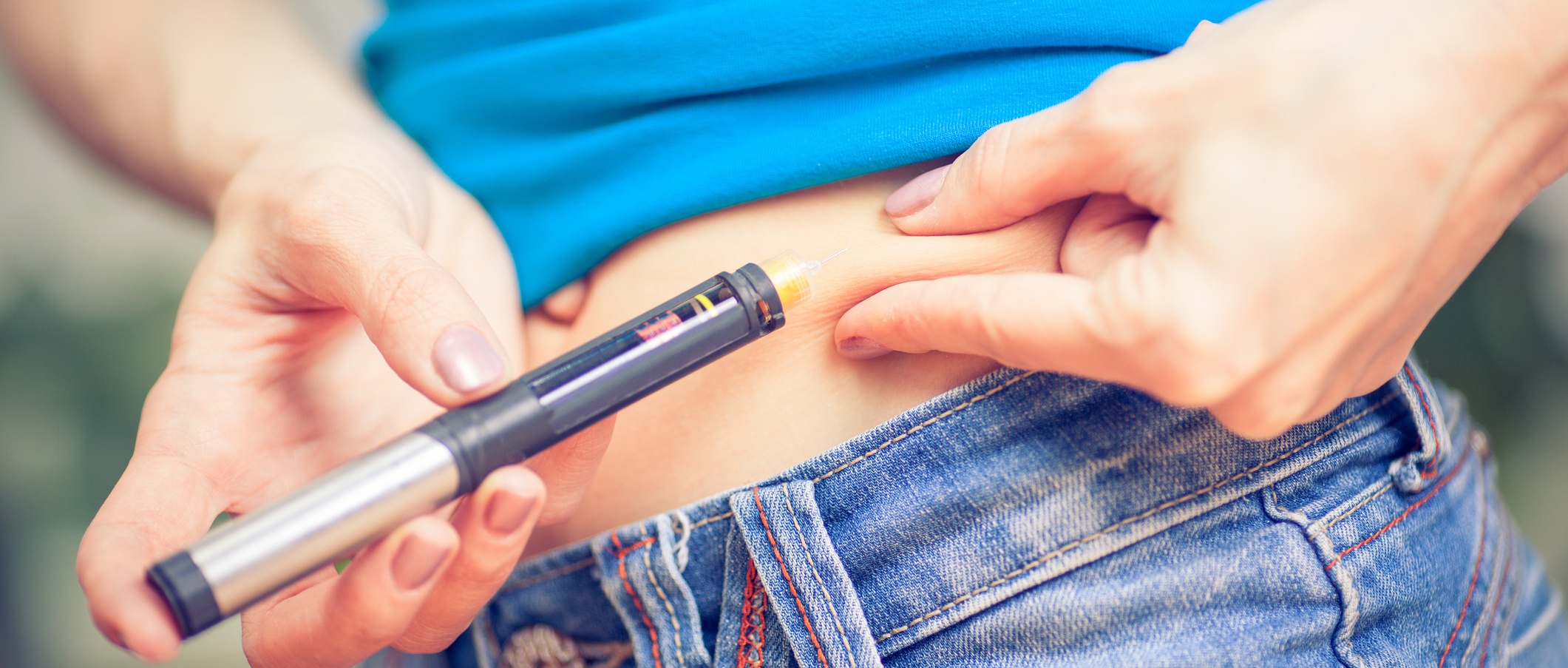
الأنسولين هو هرمون يُنتج بشكل طبيعي في الجسم بواسطة البنكرياس. هذا الهرمون يتحكم في مستوى السكر (الجلوكوز) في الدم. الأشخاص الذين يعانون من داء السكري من النوع 1 يحتاجون إلى حقن الأنسولين بانتظام. في داء السكري من النوع 1، يتوقف الجسم عن إنتاج الأنسولين ويصبح مستوى السكر في الدم مرتفعًا جدًا. بعض الأشخاص الذين يعانون من داء السكري من النوع 2 قد يحتاجون أيضًا إلى حقن الأنسولين للمساعدة في التحكم في مستويات السكر في الدم. عادةً ما يُحقن الأنسولين تحت الجلد بين 2-4 مرات في اليوم. هناك أنواع مختلفة من الأنسولين متاحة تُصنف حسب سرعة ومدة عملها. سيناقش طبيبك أو ممرض السكري معك التحضيرات والأجهزة المختلفة المتاحة ويساعدك في اختيار النظام المناسب لك. عادةً ما يكون العلاج بالأنسولين مدى الحياة.
بقلم الدكتور كولين تايدي، MRCGP
الأسئلة الشائعة
What is the role of topical oestrogen (gels/creams) in treating urinary incontinence?
Oestrogen gels or creams applied to the vagina can be used to treat urinary symptoms, especially those associated with the menopause. These may be used in combination with antimuscarinic medicines and/or systemic hormone replacement therapy (HRT). Topical oestrogen is often considered for women who have gone through menopause.
What is desmopressin and when is it prescribed for urinary incontinence?
Desmopressin is a medicine used to help with urinary incontinence, though it is prescribed less often than other medications. It is typically considered if you are frequently passing urine at night and are younger than 65 years of age. Its use is usually on the advice of a specialist doctor.
Are there any older medications that were previously used for urge incontinence but are no longer recommended?
Yes, in the past, medicines such as propantheline and tricyclic antidepressants were used to treat urge incontinence. However, these are no longer used due to concerns about their side-effects.
How does Vibegron compare to other treatments for overactive bladder syndrome?
Vibegron is a newer option for treating overactive bladder syndrome. It works in a similar way to mirabegron and has been shown to be more effective than taking no medicine at all. It is primarily recommended if other antimuscarinic medicines are not suitable, do not work well enough, or cause intolerable side effects.
How do medicines like duloxetine and antimuscarinics compare in terms of their effectiveness for incontinence?
Duloxetine for stress incontinence may halve the number of urine leakages for about 6 in 10 women, but it's unlikely to cure it completely on its own. Antimuscarinic medicines for urge incontinence are considered equally effective, but the level of improvement varies, and it's uncommon for symptoms to disappear entirely with medication alone. Combining these medicines with other treatments like pelvic floor exercises or bladder training may offer better results.
Can I mix and match different types of incontinence medication, or switch if one isn't working?
Your doctor may switch you to a different medication if the first one causes too many side-effects or isn't effective enough. For example, if oxybutinin for urge incontinence causes troublesome side-effects, your doctor might try a different antimuscarinic or mirabegron. Similarly, if one antimuscarinic causes problems, switching to another type may help. However, you should not try to mix or switch medications yourself; always follow your doctor's advice.
قراءة إضافية ومراجع
- الدليل الوطني البريطاني للأدوية (BNF); خدمات الأدلة NICE (الوصول متاح فقط في المملكة المتحدة)
- Incontinence - urinary, in women; NICE CKS، يوليو 2024 (الوصول متاح فقط في المملكة المتحدة)
- Hu JS, Pierre EF; Urinary Incontinence in Women: Evaluation and Management. Am Fam Physician. 2019 Sep 15;100(6):339-348.
عن المؤلفعرض السيرة الذاتية الكاملة

Dr Toni Hazell, FRCGP
بكالوريوس الطب والجراحة، بكالوريوس العلوم، زميل الكلية الملكية للأطباء العامين، دبلوم في الصحة الجنسية والإنجابية، دبلوم في طب الجهاز البولي التناسلي، دبلوم الكلية الملكية لأطباء النساء والتوليد، دبلوم في صحة الطفل (لندن، المملكة المتحدة، 2000)
تخرجت الدكتورة توني هازيل من كلية الطب بمستشفى سانت ماري وأكملت تدريبها في مستشفى نورثويك بارك.
حول المراجععرض السيرة الذاتية الكاملة

الدكتور كولين تايدي، MRCGP
طبيب عام، مؤلف طبي
MBBS, MRCGP, MRCP (Paediatrics), DCH
الدكتور كولين تايدي هو طبيب في هيئة الخدمات الصحية الوطنية، ويعمل في أوكسفوردشاير.
تاريخ المقال
تمت كتابة المعلومات على هذه الصفحة ومراجعتها من قبل أطباء مؤهلين.
المقال متاح أيضًا باللغة الإنجليزية, الألمانية, إسبانية, الفرنسية, إيطالي, البرتغالية, الهندية, العبرية, العربية ,، و السويدية.
المراجعة التالية مستحقة: 12 مايو 2028
12 يونيو 2023 | أحدث إصدار

اسأل، شارك، تواصل.
تصفح المناقشات، اطرح الأسئلة، وشارك التجارب عبر مئات المواضيع الصحية.

هل تشعر بتوعك؟
قم بتقييم أعراضك عبر الإنترنت مجانًا
اشترك في النشرة الإخبارية للمرضى
جرعتك الأسبوعية من النصائح الصحية الواضحة والموثوقة - مكتوبة لمساعدتك على الشعور بالاطلاع والثقة والتحكم.
من خلال الاشتراك، فإنك تقبل سياسة الخصوصية. يمكنك إلغاء الاشتراك في أي وقت. نحن لا نبيع بياناتك أبدًا.
المزيد في العلاج والدواء
- لقاح 6 في 1
- الأسبرين والأدوية المضادة للصفائح الدموية الأخرى
- الأدوية البيولوجية لالتهاب المفاصل الروماتويدي
- تحقق من تفاعلات الأدوية الخاصة بك
- تنظير المهبل وعلاجات عنق الرحم
- رأب الأوعية التاجية
- أدوية السعال
- التعامل مع طفل لا يستجيب
- المرطبات وكريمات الأكزيما
- علاج ومنع قمل الرأس
- التطعيم ضد الإنفلونزا
- التحضيرات الموضعية لاضطرابات الشرج
- تطعيم الحصبة والنكاف والحصبة الألمانية (MMR)
- علاجات المحادثة في NHS - الإحالة الذاتية
- التطعيم ضد المكورات الرئوية
- شلل الأطفال ولقاح شلل الأطفال
- قم بإحالة نفسك إلى خدمات الصحة الجنسية التابعة لـ NHS
- أجهزة TENS
- لقاح التهاب الدماغ المنقول بالقراد
- الستيرويدات الموضعية